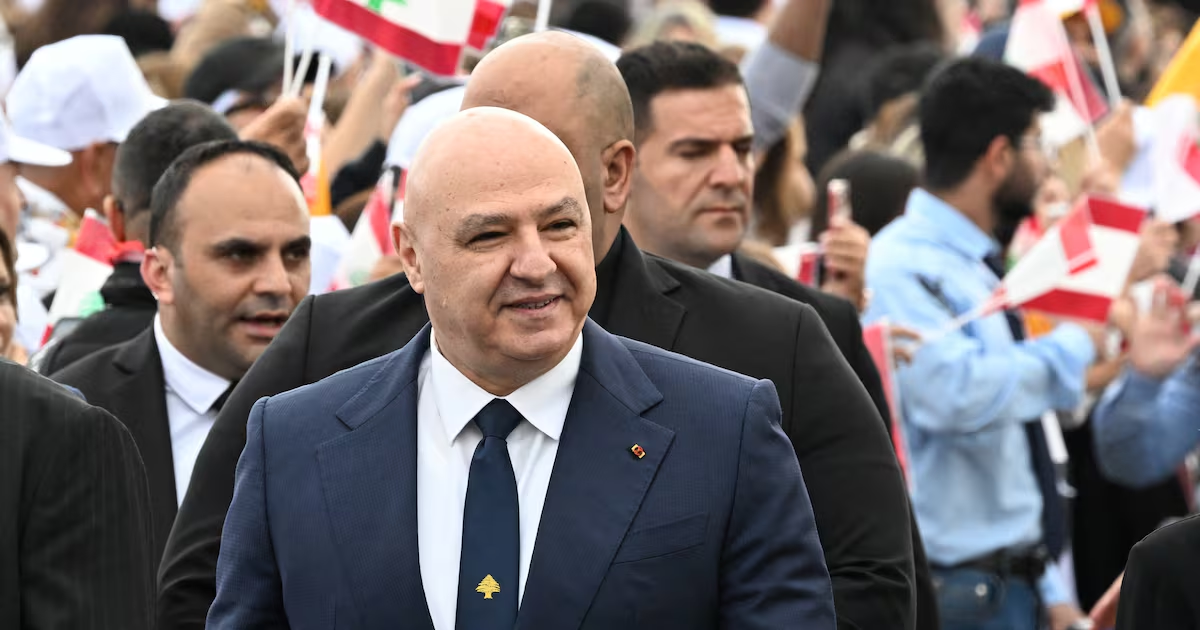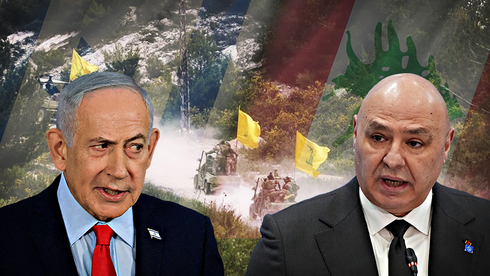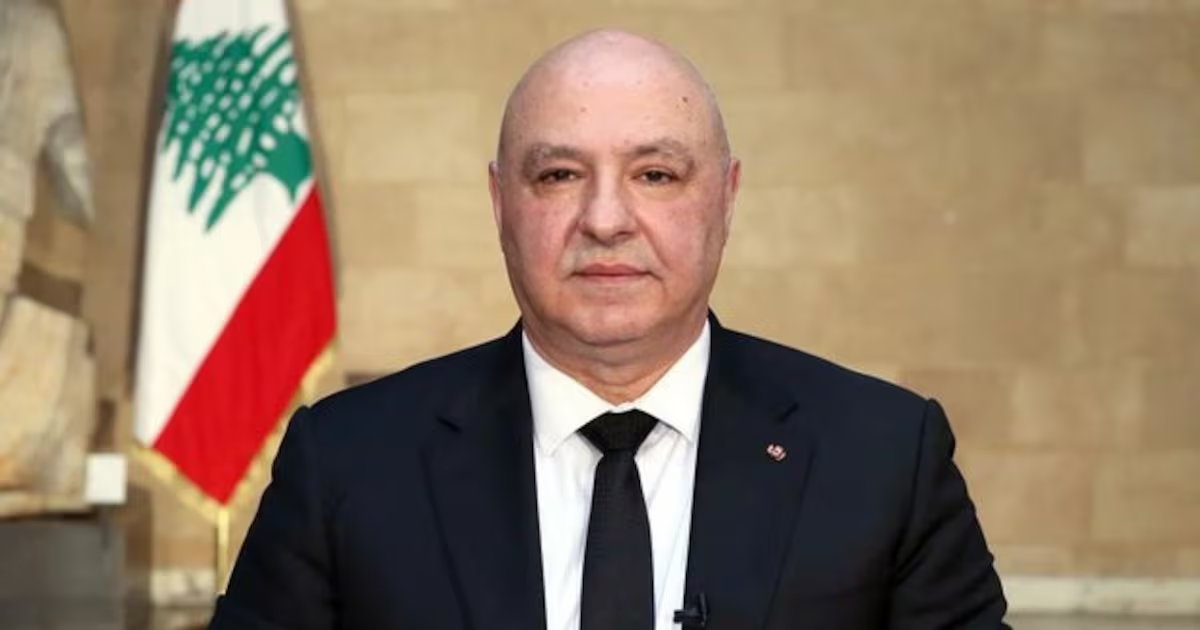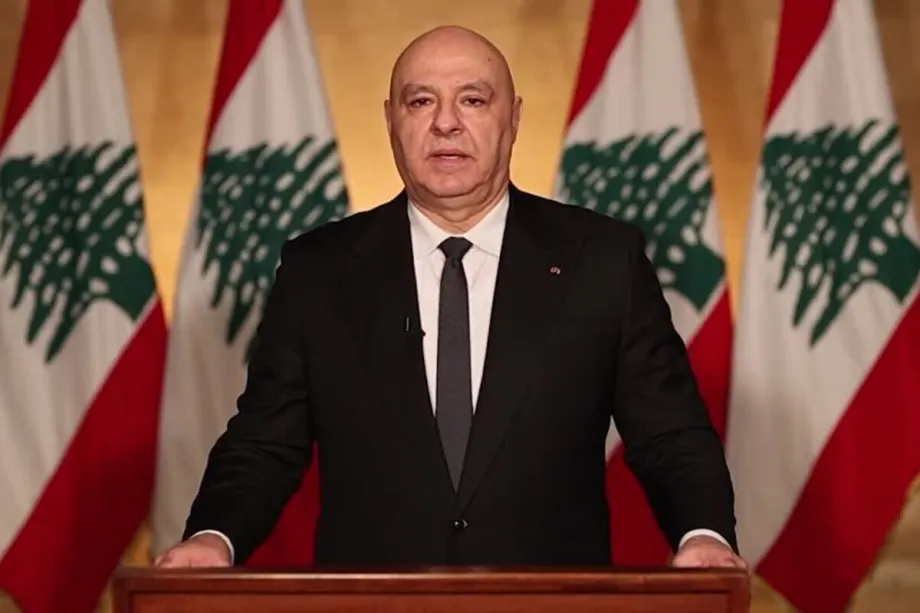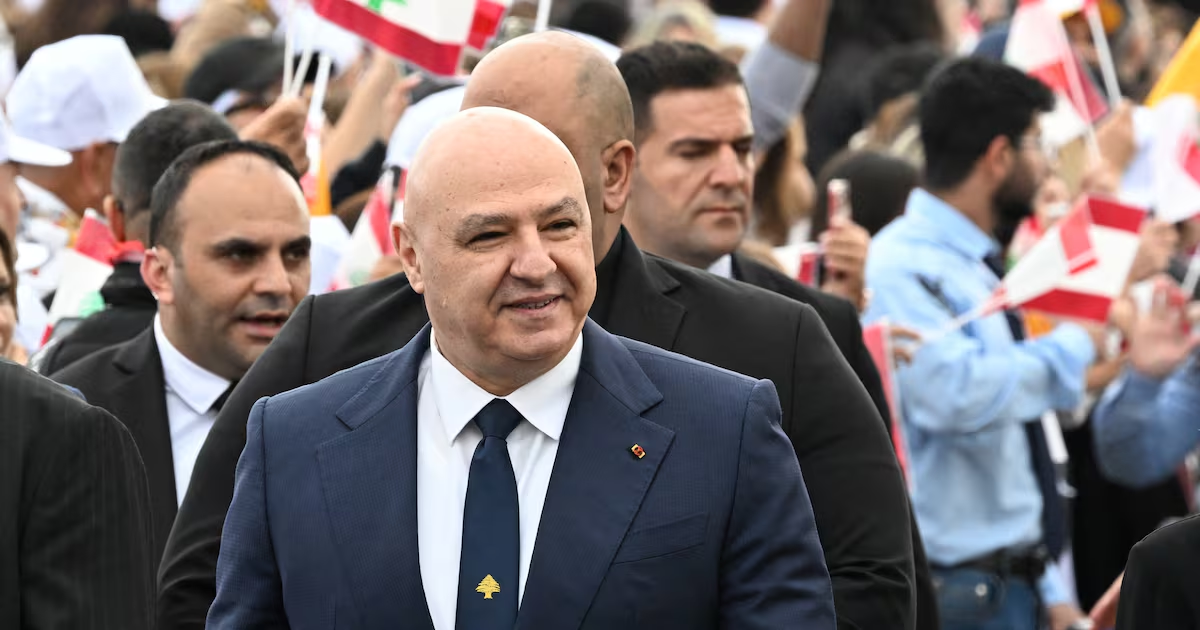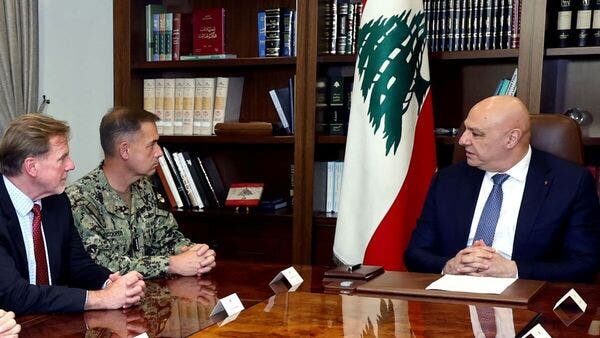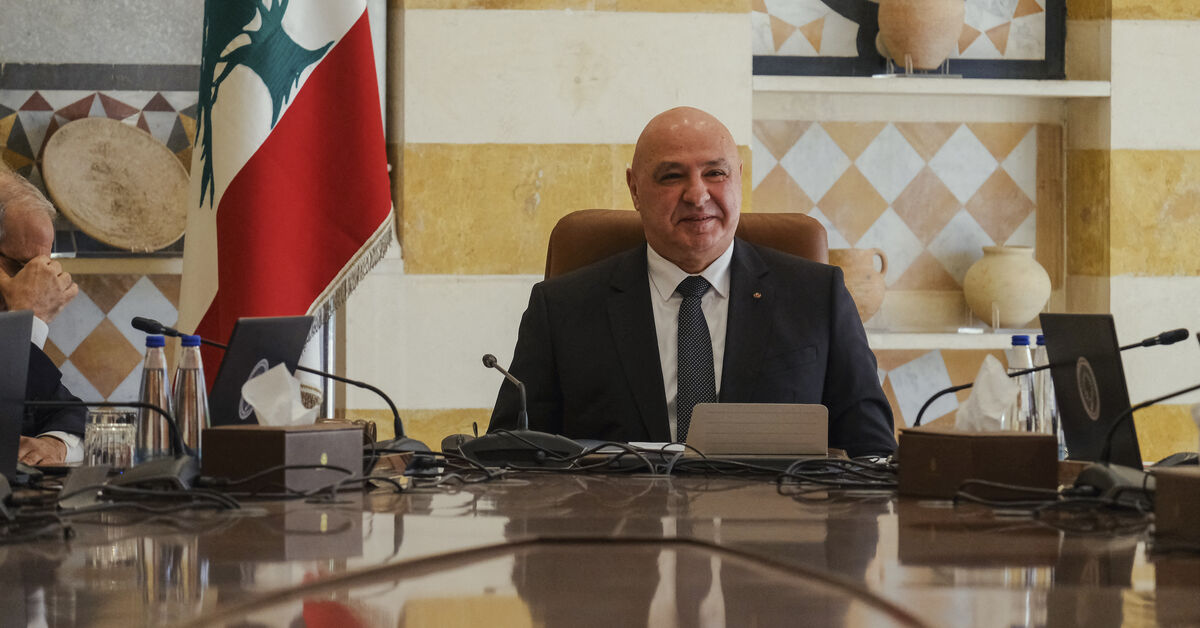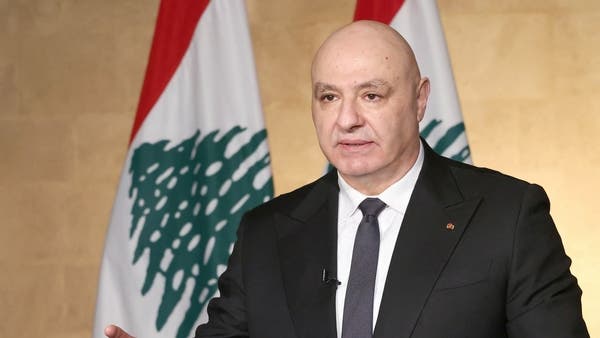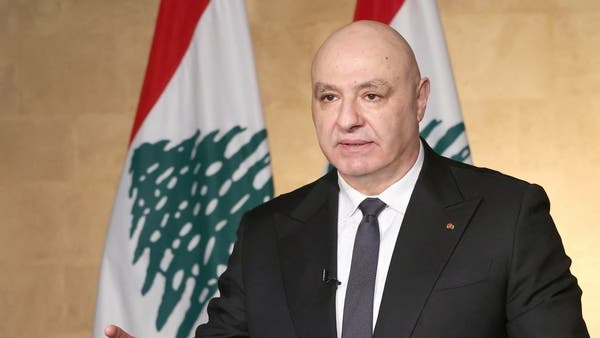
On July 21, Lebanese President Joseph Aoun is expected to walk into the Oval Office for his first face-to-face meeting with US President Donald Trump. The optics will matter, as they always do in Washington. The handshake, the flags, the statements and the photographs will all be read carefully in Beirut, Tel Aviv, Tehran and the Arab world. But the real importance of this visit will not be ceremonial. It will be whether Aoun uses this moment to say what the Lebanese state has avoided saying clearly for decades.For all the latest headlines, follow our Google News channel online or via the app.Lebanon is not protected by ambiguity. It is not protected by protocol. And it is certainly not protected by a president who hides behind constitutional institutions while allowing those institutions to be hollowed out by an armed group, and their allies in the deep state, loyal to Iran.The president of the republic cannot protect Lebanon by merely invoking the constitution, the government or the army. He protects Lebanon by defending these institutions – or what remains of them – from those who use the language of the state to destroy the state from within.This is the real test of the Washington visit. Aoun should not arrive at the White House as a man seeking sympathy for Lebanon’s suffering. Nor should he limit himself to asking for aid, support or diplomatic guarantees. He must arrive with a clear political message: The first step toward protecting Lebanon, restoring the south and ending the cycle of destruction is the disarmament of Hezbollah.This is not a favor to Israel. It is not a concession to Washington. It is a Lebanese necessity.For too long, Lebanese officials have mastered the art of hiding behind institutions while refusing to use them. They invoke the constitution but avoid its meaning. They salute the army but hesitate to give it a clear political mandate. They speak of sovereignty but refuse to identify the force that has stolen it.This can no longer continue.The presidency is not merely a chair in Baabda. It is the constitutional face of the republic. If the president cannot say and more importantly act on that war and peace belong exclusively to the Lebanese state, then the office itself becomes part of the problem. If he cannot say that no militia, party or foreign power has the right to decide Lebanon’s fate, then the constitution becomes a decoration, not a shield.The danger today is that some in Lebanon want to turn any American-sponsored framework, or any discussion of Lebanese-Israeli security arrangements, into another opportunity to undermine the state. The question is not only whether Lebanon negotiates. The question is who negotiates on Lebanon’s behalf. Is it the president and the government, or is it a political-military axis that wants to return the decision to Tehran?This is why the maneuvers of Parliament Speaker Nabih Berri and Hezbollah’s political orbit are not procedural details. They are part of a larger struggle over who owns the Lebanese decision. Berri’s attempt to act as the indispensable gatekeeper is not a defense of national consensus. It is an effort to strip the presidency of its authority and keep the negotiation file within the logic of the so-called resistance.But Lebanon does not need another resistance narrative. It needs a state narrative.There is no story higher than sovereignty. There is no legitimacy above the state. There is no “resistance” more sacred than the right of Lebanese citizens to live without being dragged into wars decided in Tehran, executed by Hezbollah and paid for by the people of the south.This is also why the discourse on southern Lebanon must change. Yes, Israel is destroying villages and lives. Yes, the suffering of the people of the south is real, painful and unacceptable. But to speak only of Israeli destruction without explaining why this destruction continues is not solidarity with the south. It is political fraud.The south is not protected by slogans. It is not protected by speeches that glorify sacrifice while preserving the weapons that brought devastation to its villages. It is protected when the Lebanese state removes the excuse for war. It is protected when Hezbollah’s military infrastructure is dismantled. It is protected when Iran’s occupation of Lebanon – military, political and psychological – is named for what it is.This does not mean calling for civil war. Hezbollah’s supporters often use this threat to paralyze the country. They suggest that any serious discussion of disarmament is a recipe for internal strife. The opposite is true. Civil peace is not protected by surrendering the state to an armed faction. It is protected by restoring one authority, one army and one decision over war and peace.Aoun’s military past gives him an opportunity. Trump, like many American presidents, respects strength and clarity. But strength in this case does not mean theatrical confrontation. It means political courage. It means arriving in Washington prepared, with clear demands for support to the Lebanese Armed Forces, but also with a clear commitment that the Lebanese state will no longer serve as a cover for Hezbollah’s weapons.The same message must be delivered in Beirut. The president must not speak to the Lebanese through their sectarian gatekeepers. He must speak directly to them as citizens. He must tell the Shias of Lebanon that they are not the property of Hezbollah and Amal. He must tell Christians, Sunnis and Druze that coexistence cannot survive under the shadow of an Iranian army. And he must tell the international community that aid to Lebanon must serve the restoration of the state, not the management of its collapse.The Oval Office visit will produce photographs. It may produce statements. It may even produce promises. But none of that will matter if Aoun returns to Lebanon and resumes the old language of evasion.Lebanon has had enough ambiguity. Its villages are destroyed, its institutions are exhausted and its people are tired of being asked to live inside a lie. The first step toward protecting Lebanon is to say the truth clearly: Hezbollah’s weapons must go, Iran’s occupation must end and the Lebanese state alone must decide the future of the Lebanese people.
Aoun’s real test in Washington
On July 21, Lebanese President Joseph Aoun is expected to walk into the Oval Office for his first face-to-face meeting with US President Donald Trump. The
1,024 words~5 min read