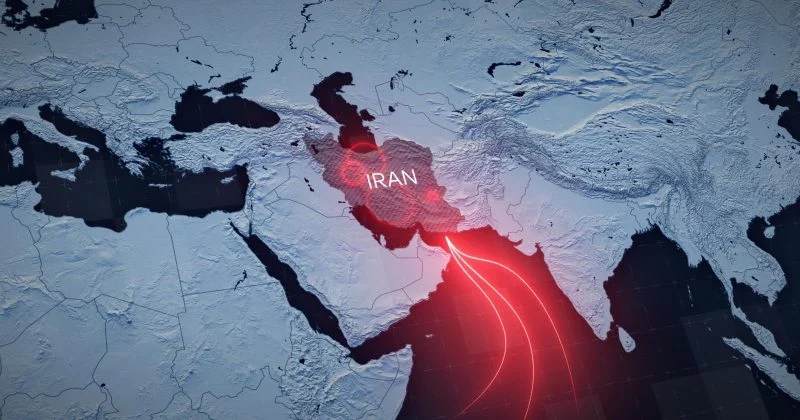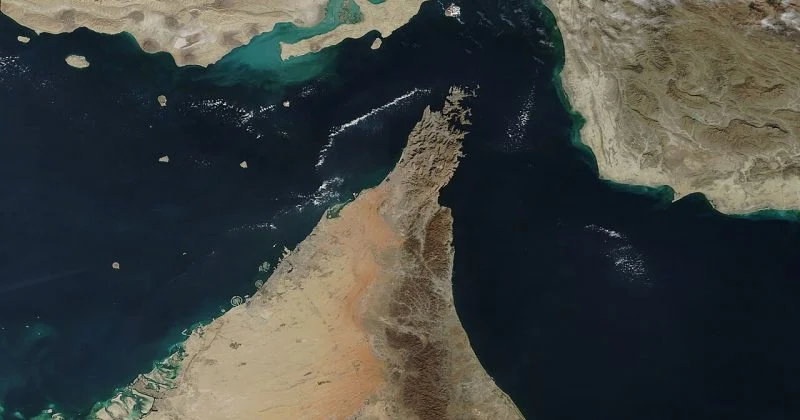
WTI crude oil prices experienced a notable surge, climbing from $73.50 to $77.77 in a single afternoon. This increase coincided with significant geopolitical developments involving the U.S., Iran, and Saudi Arabia. The spike followed reports of Houthi rebels launching ballistic missiles into Saudi Arabia, marking an official end to a previous de-escalation. Additionally, tensions in the Strait of Hormuz intensified as the U.S. declared itself the “Guardian of the Hormuz Strait,” imposing a 20% toll on all cargo, prompting a sharp response from Iran. These events have heightened supply fears, impacting oil markets.
The market reaction appears to be driven by the dual blockade risks at critical global oil chokepoints. The U.S. has established a naval blockade of Iranian ports, while Iran’s restrictions on Gulf shipping further compound the situation. As a result, WTI crude saw increased volatility, with intraday highs reflecting the uncertainty in the region and the potential for disruption to oil supplies.
Market participants are reacting to the heightened geopolitical tensions, with odds indicating an increase in the likelihood of WTI prices reaching higher thresholds in the coming weeks. Current market pricing for July 2026 suggests a growing probability of significant price movements, potentially reaching as high as $130 per barrel, as indicated by ongoing developments in the region.