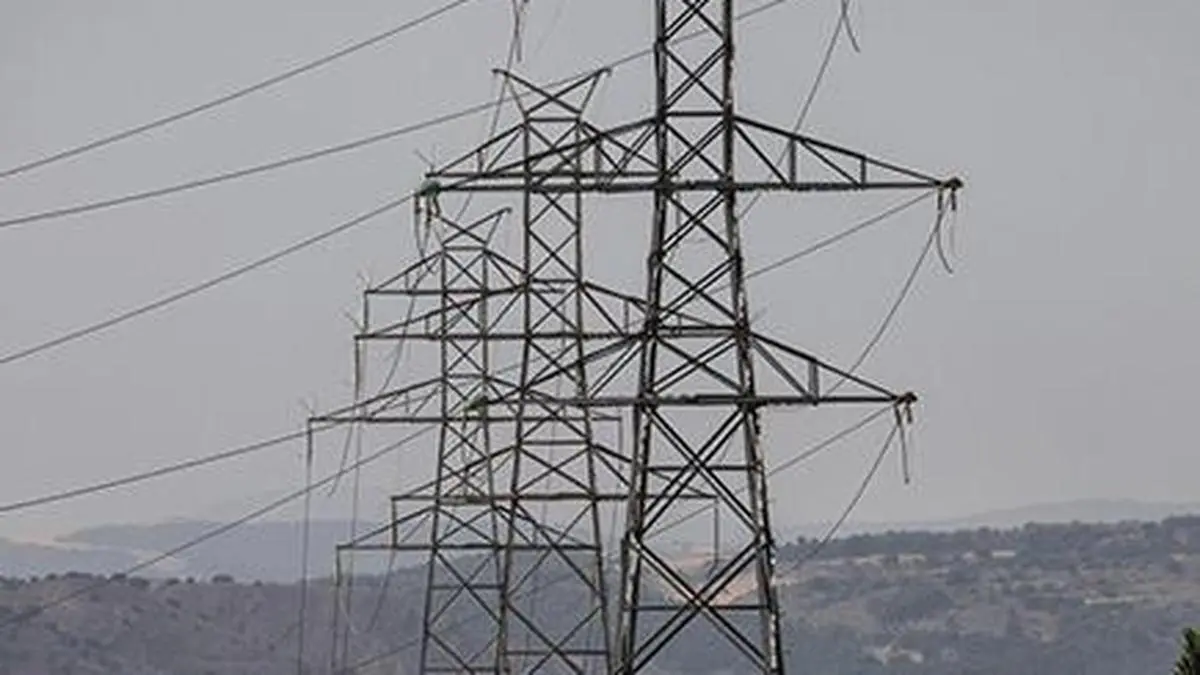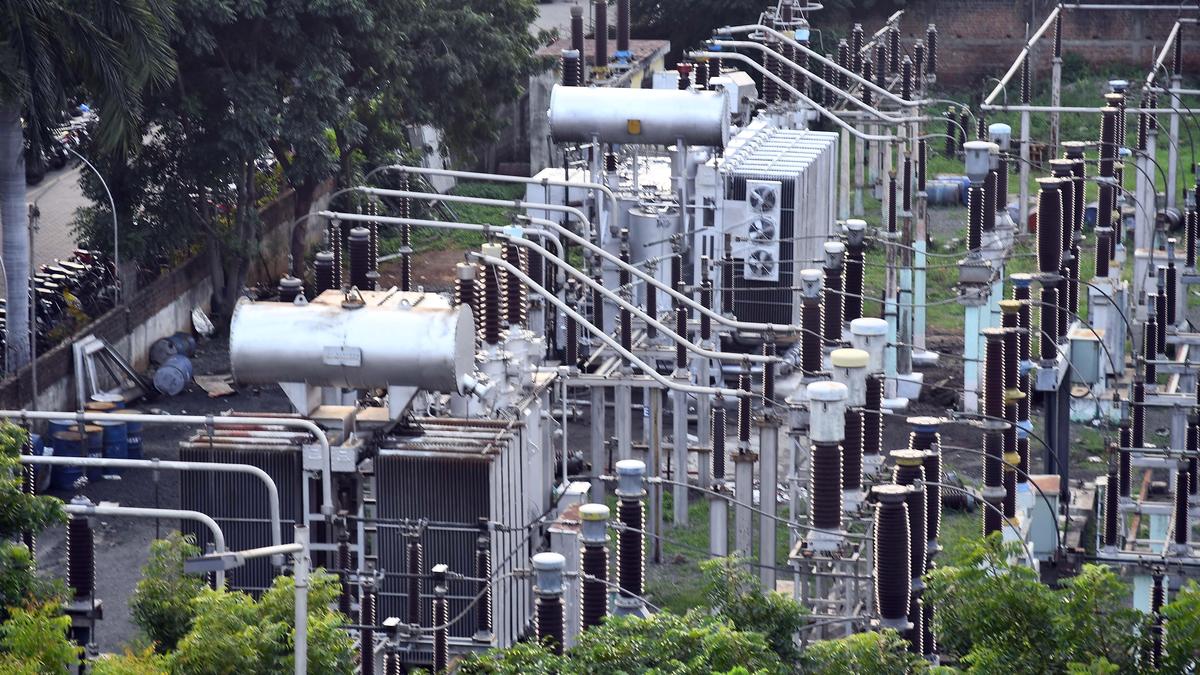
Prayas, a Pune-based non-governmental and non-profit body, carried out the study that was commissioned by the 16th Finance Commission.
| Photo Credit: File photo
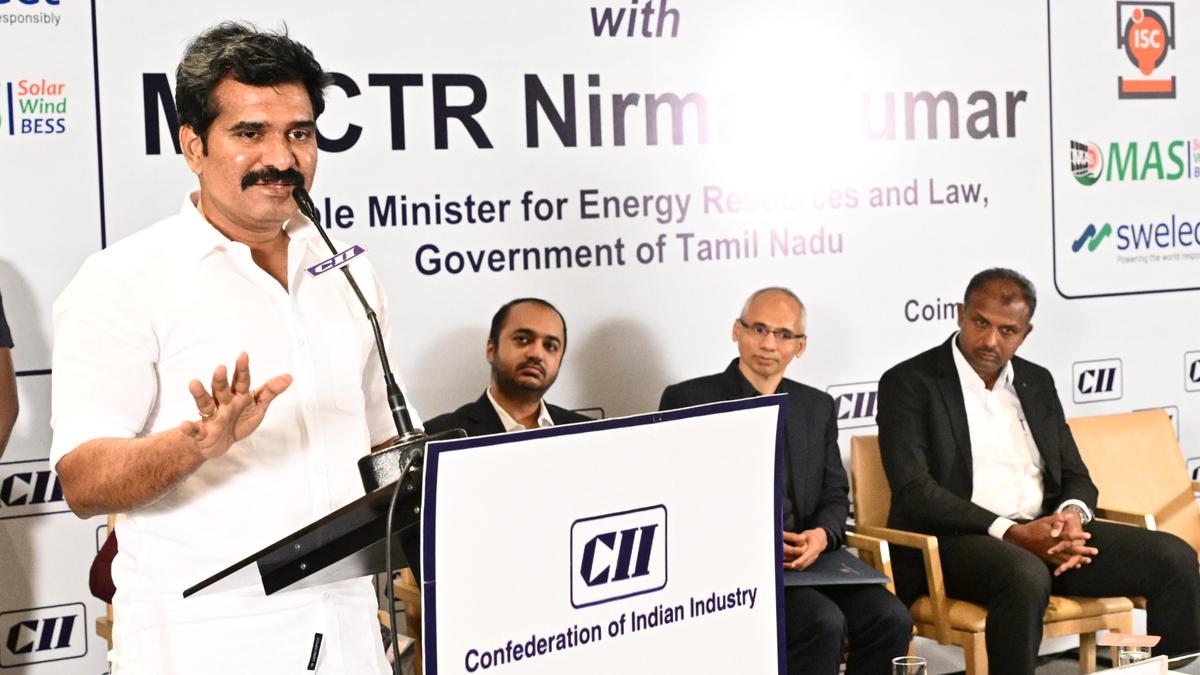
A recent assertion by Tamil Nadu Minister for Energy Resources R. Nirmalkumar that electricity distribution would not be privatised in the State is not only a policy statement but also a reiteration of the finding of a study commissioned by the 16th Finance Commission on the financial performance of electricity distribution companies (DISCOM).Carried out by Prayas, a Pune-based non-governmental and non-profit body, the study states that “privatisation can improve operational efficiency and may be relevant in DISCOMs with unmanageably high AT&C [Aggregate Technical and Commercial] losses. However, it may not lead to major benefits” in States such as Tamil Nadu, where “AT&C losses are low and supply and service quality is relatively good,” the study observes. As per the 14th edition of the Power Finance Corporation (PFC)’s Integrated Rating and Ranking of Power Distribution Utilities across the country, Tamil Nadu’s AT &C losses were 10.92% for 2022-23; 11.39% for 2023-24 and 10.96% for 2024-25 against the all-India average figures of 15.22%, 15.97% and 15.04% respectively. According to the Consumer Service Ratings of the DISCOMS prepared by the REC [formerly Rural Electrificiation Corporation], the Tamil Nadu Power Distribution Corporation’s score with regard to distribution transformer (DT) failure rate, an indicator of supply and service quality, was 2.65% for 2024-25 against the national average of 5.02%. There are about 4.48 lakh DTs in the State. The reports of the PFC and the REC were released early this year. Besides the two performance parameters, the issue of privatisation, even if it is considered independent of the government’s stand against such a course of action, raises the question whether private players would be keen on taking the load of about 24 lakh agricultural connections, a substantial portion of which is in the Cauvery delta, or serving hilly areas such as the Jawadhu Hills. Invariably, the answer would be an emphatic “no” as the private firms would like to bag the plum segment of consumers. This would leave the government to wonder why it should embark on privatisation as the move would only financially weaken the power DISCOM. Also, the State’s legacy has been against the involvement of any third party in electricity distribution.Despite the REC’s push over 15 years ago, Tamil Nadu did not agree to let franchisees run rural power supply. Till about the late 1990s, a few electricity cooperative societies were functioning in areas such as Thirumayam and Kumbakonam and they were later merged with the now-abolished Tamil Nadu Electricity Board (TNEB). Successive governments have not been receptive even to creating regional power distribution companies. Power scenarioA brief overview of the Tamil Nadu’s electricity sectorConsumers strength - 3.52 croreDomestic - 2.5 croreAgricultural - approximately 25 lakhPeak demand met - 21,307 MWRevenue Receipt* (RE): ₹1,23,072 croreRevenue Expenditure*: ₹1,24,004 croreSurplus: ₹933 croreOutstanding debt of 4 power utilities: ₹2,47,130 croreOutstanding debt of TNPDCL: ₹1,07,365 crore* 2025-26