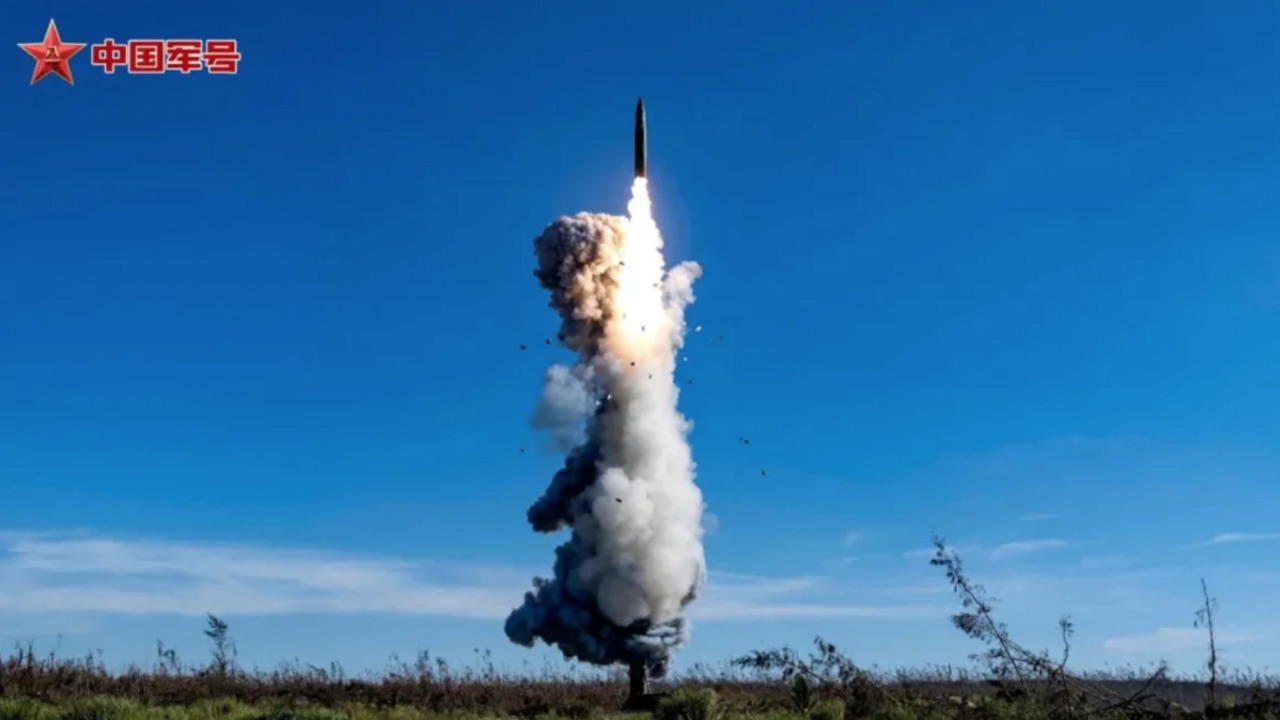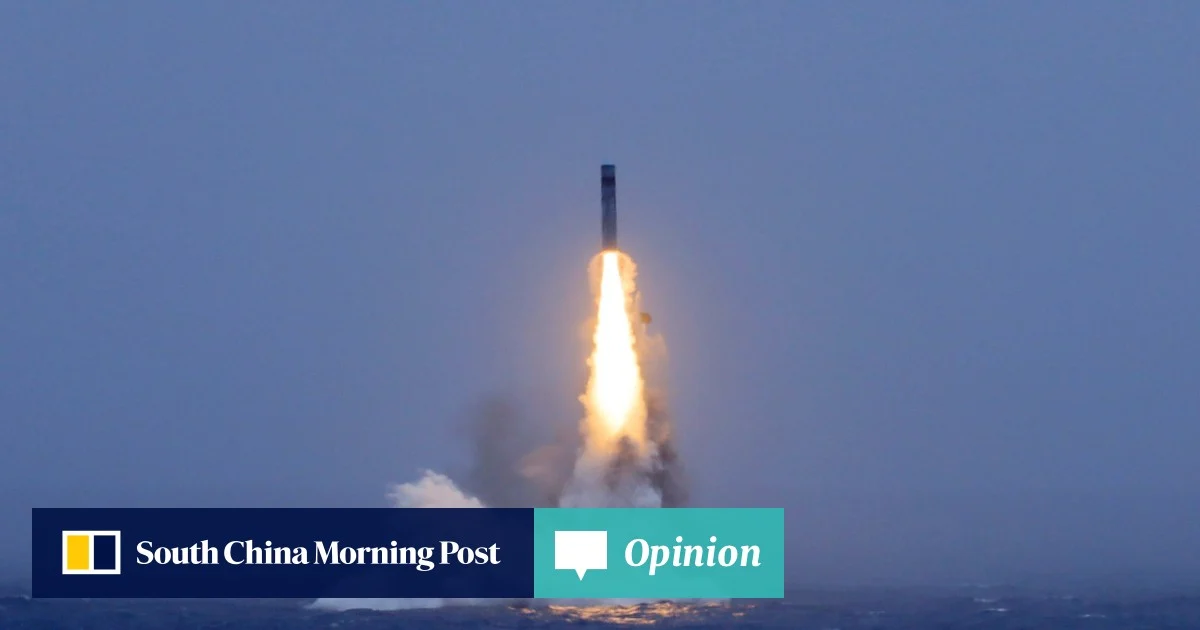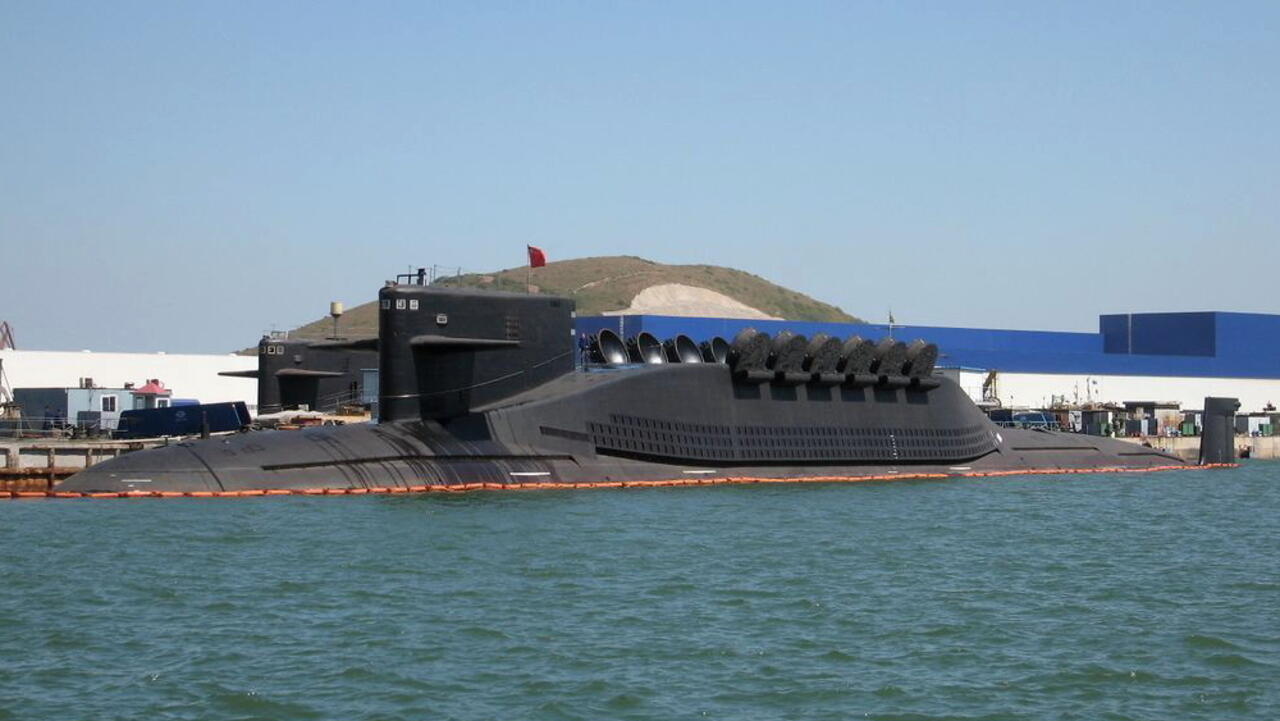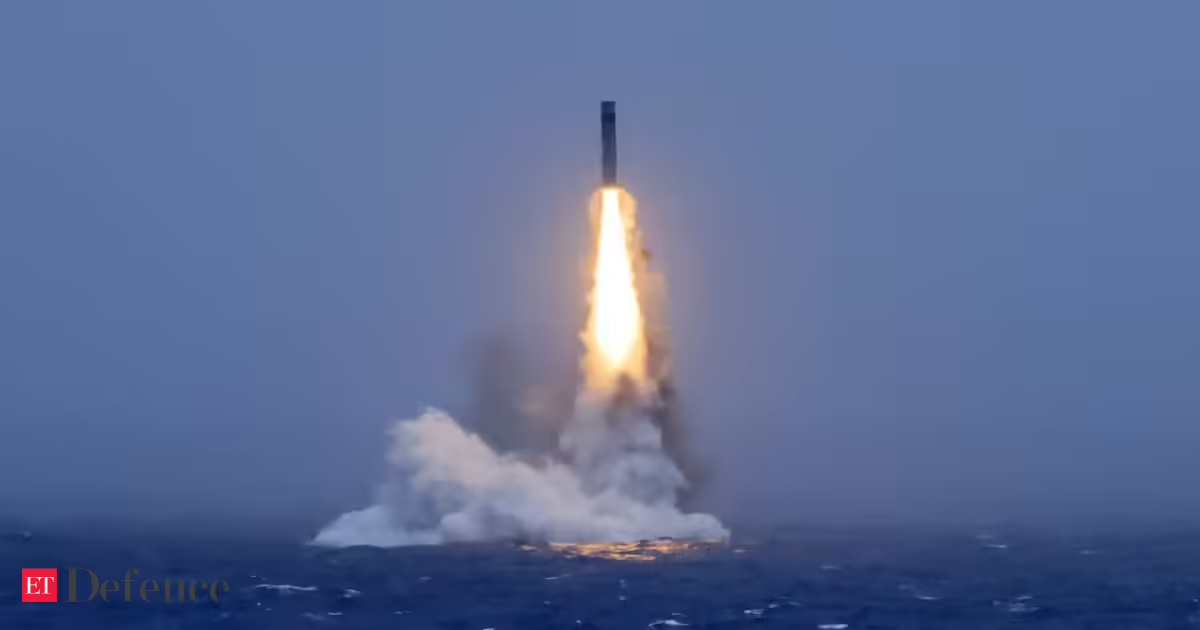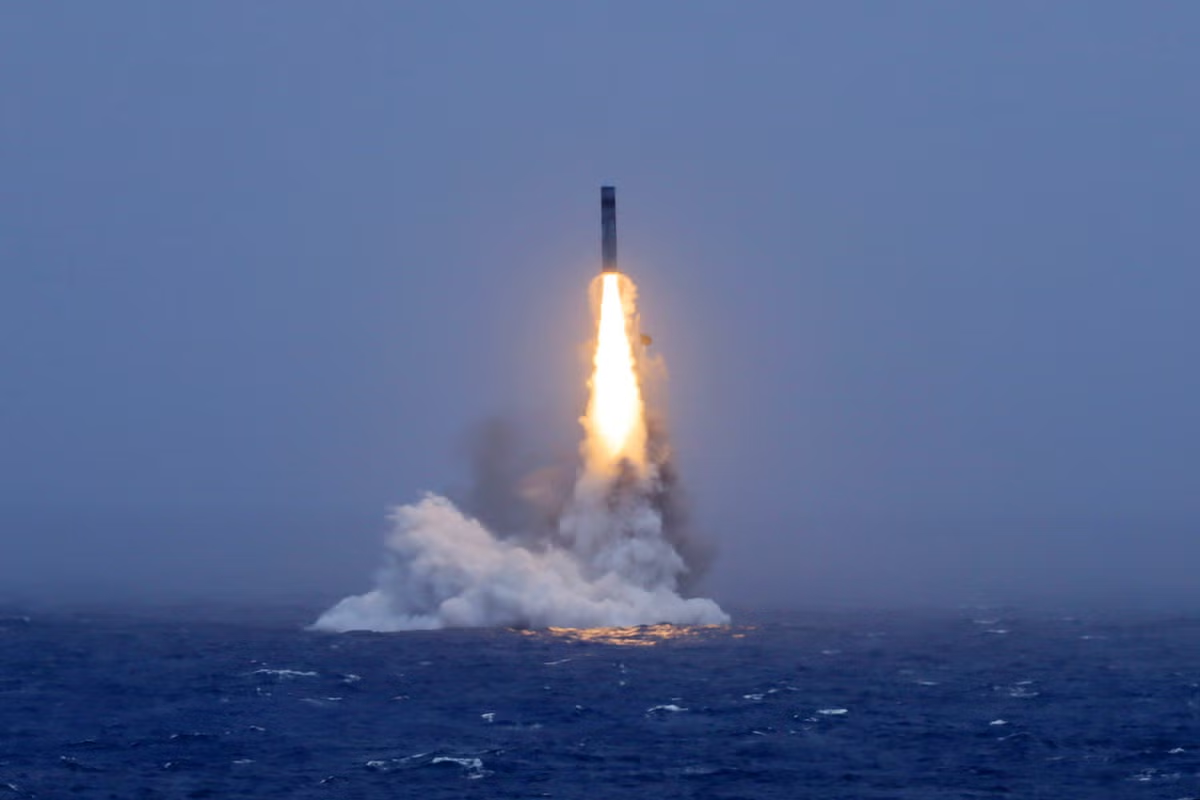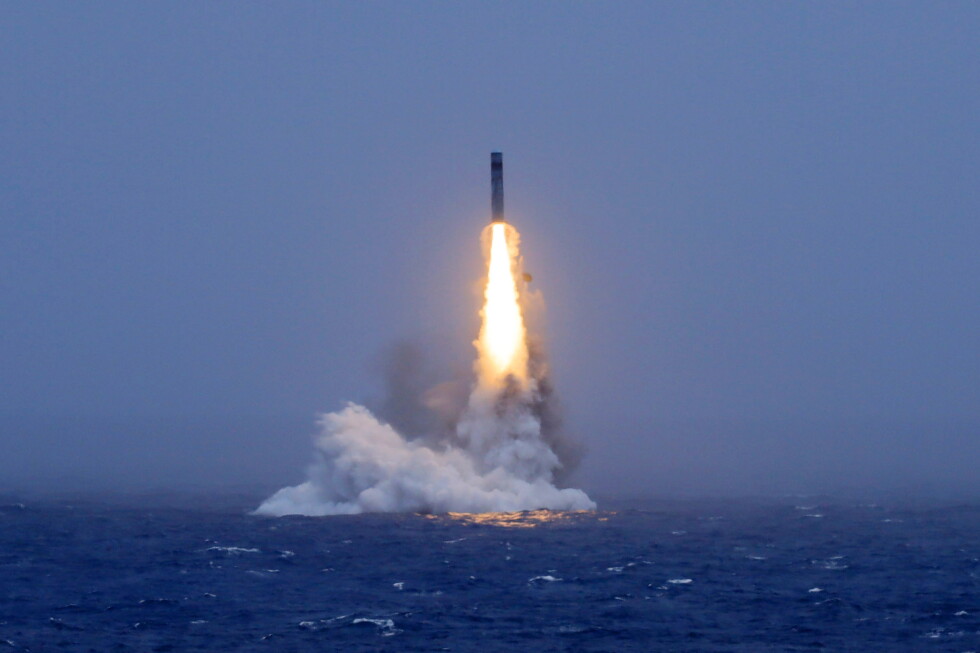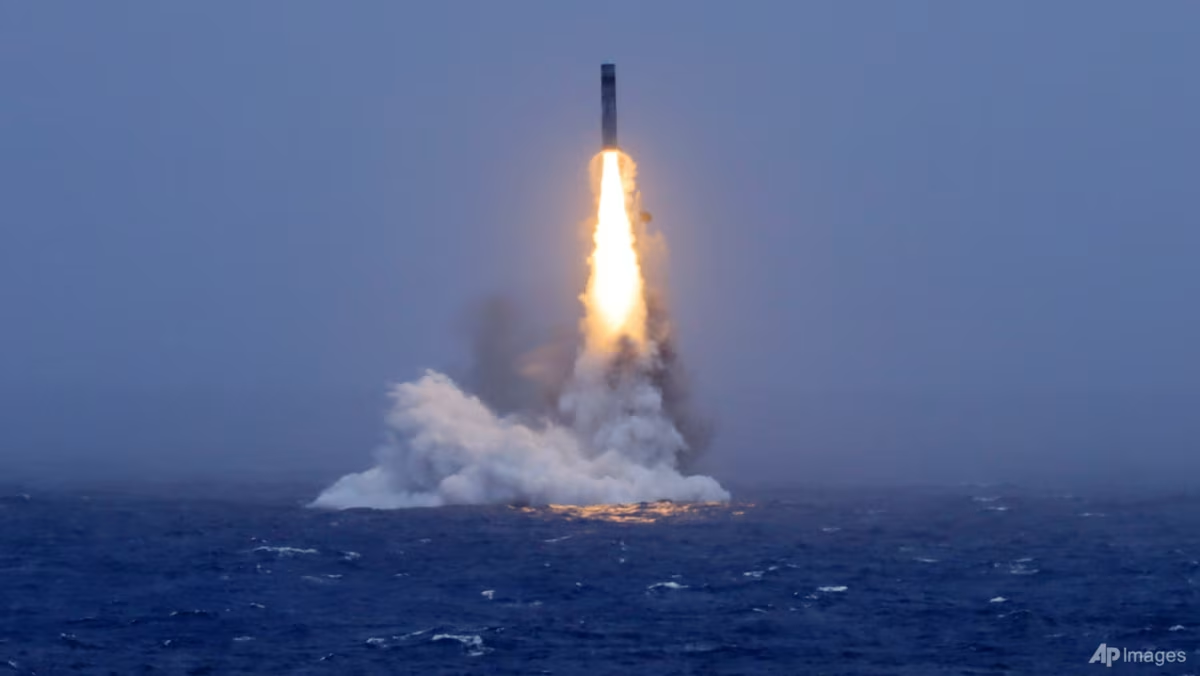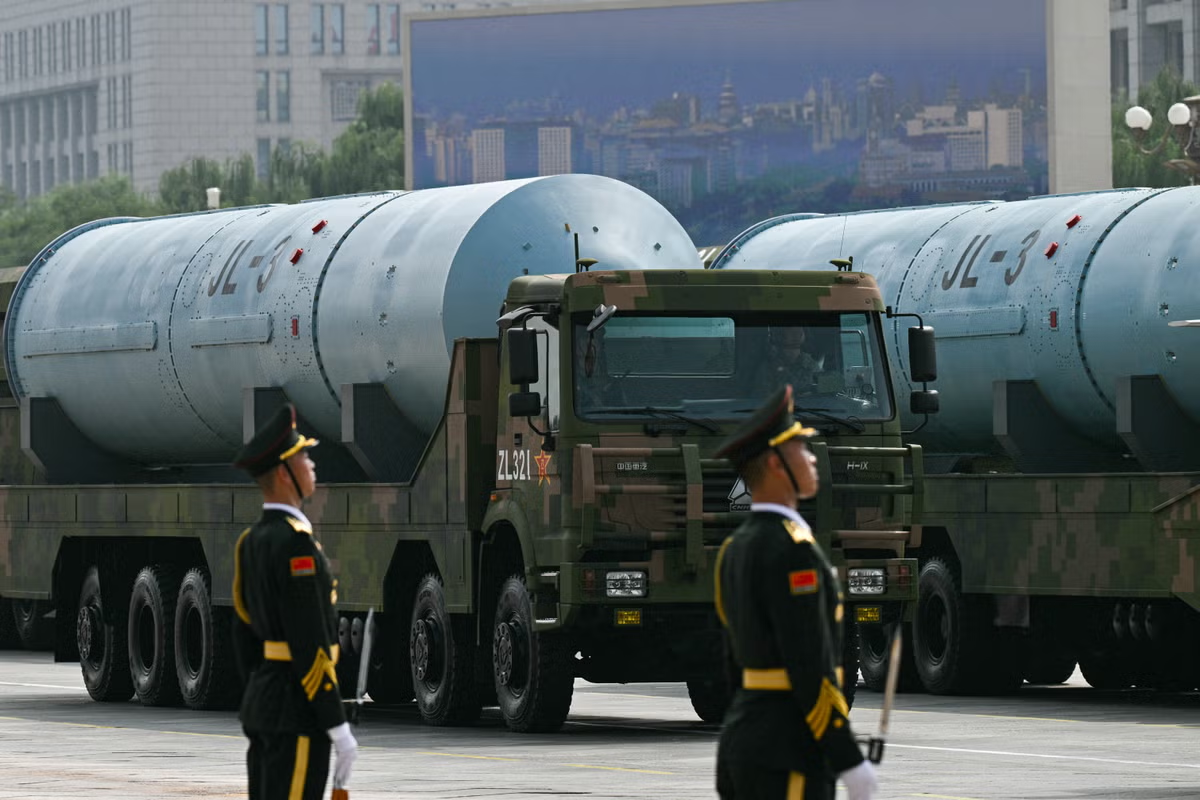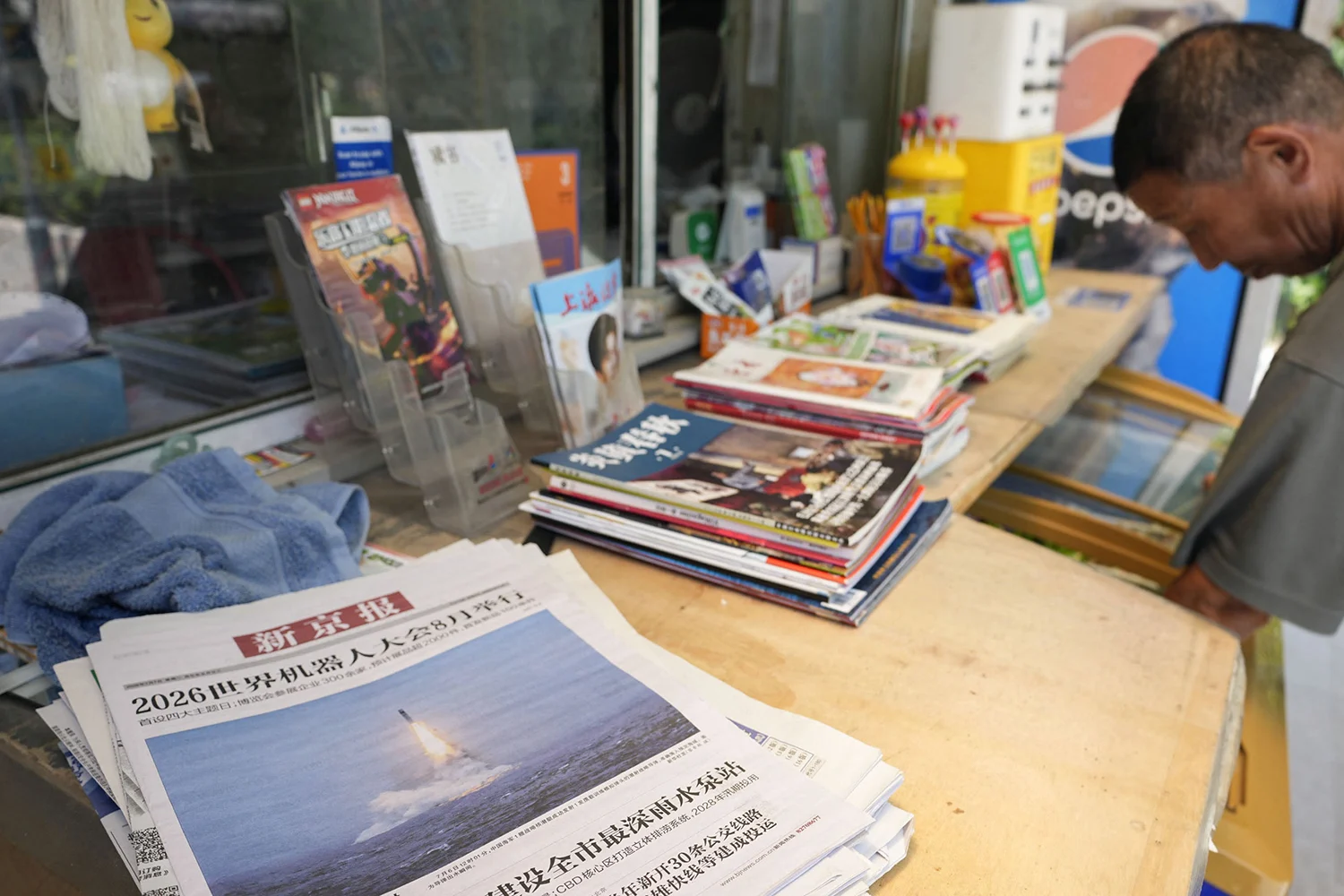
At 12:01 p.m. local time on July 6, China fired a submarine-launched ballistic missile (SLBM) from the South China Sea, flying roughly 4,500 miles over open water before splashing down near the Solomon Islands. The test—the first such one in decades—involved a missile capable of carrying nuclear warheads and immediately prompted speculation that Beijing was attempting to send a message, either to signal its strength or its displeasure toward states in the region. Some Australian analysts even argued that the test was a direct response to Australia’s surprise defense treaty with Fiji, which was signed that day.
These interpretations read too much into China’s actions and underestimate both the preparation required for such a test and the bureaucratic and technical reasons for conducting it. Instead, we should interpret this test as an effort to validate critical technologies, test operational concepts, and demonstrate to China’s political leadership that the People’s Liberation Army’s (PLA) nuclear forces are capable of carrying out their mission if called upon.
At 12:01 p.m. local time on July 6, China fired a submarine-launched ballistic missile (SLBM) from the South China Sea, flying roughly 4,500 miles over open water before splashing down near the Solomon Islands. The test—the first such one in decades—involved a missile capable of carrying nuclear warheads and immediately prompted speculation that Beijing was attempting to send a message, either to signal its strength or its displeasure toward states in the region. Some Australian analysts even argued that the test was a direct response to Australia’s surprise defense treaty with Fiji, which was signed that day.