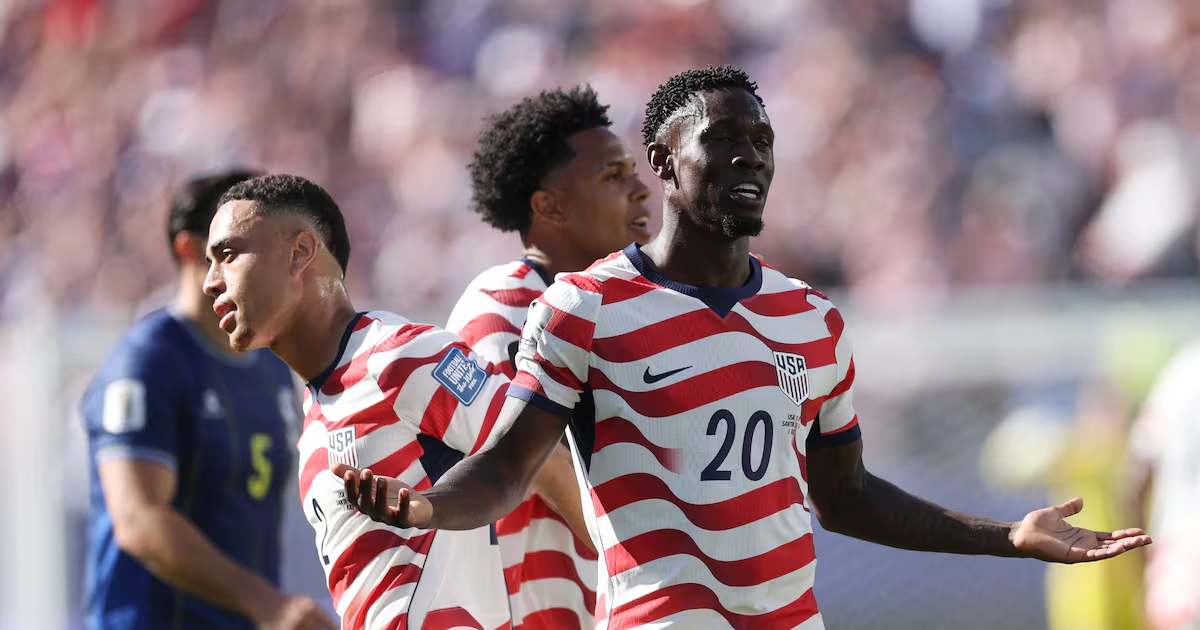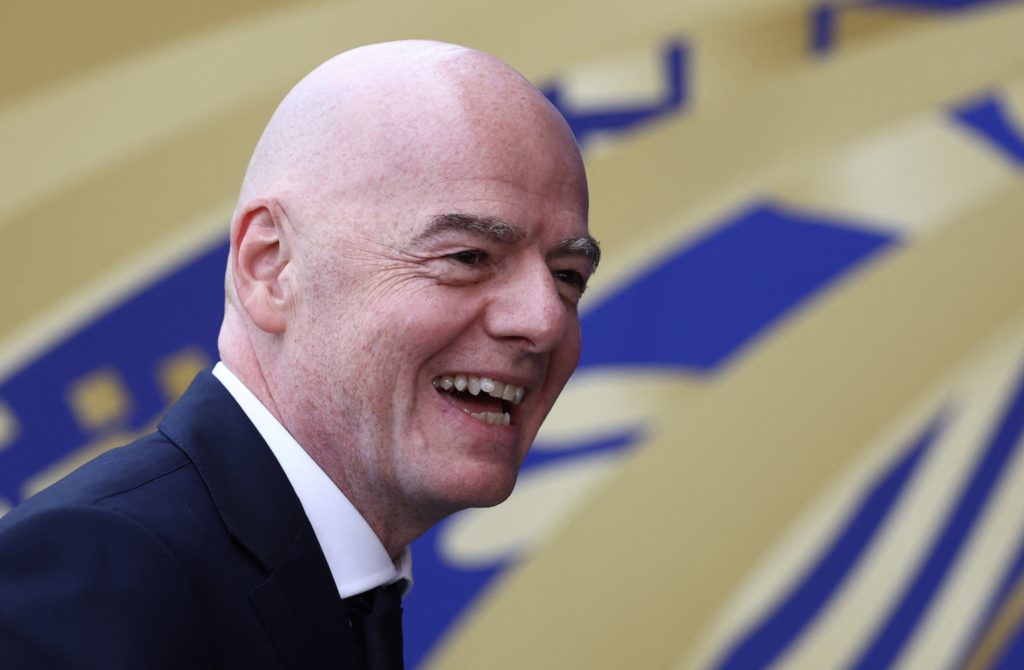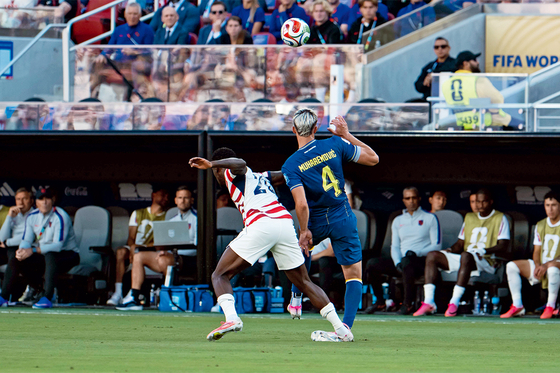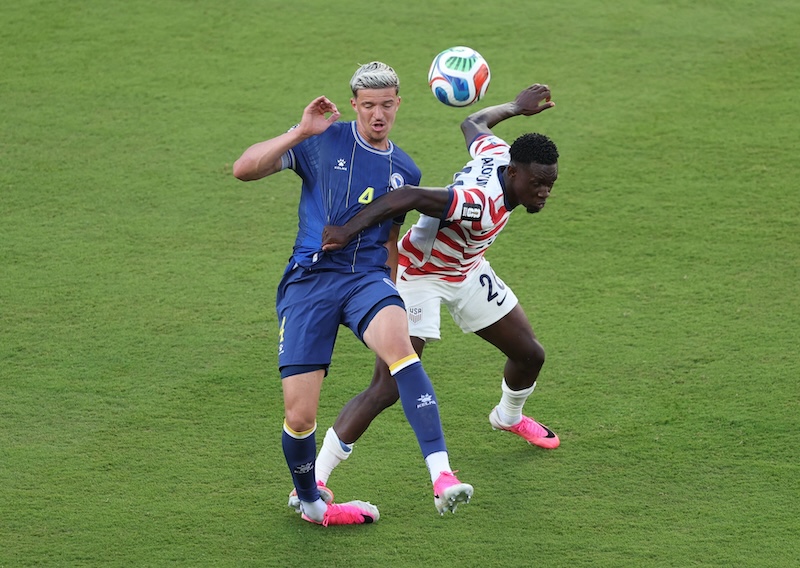
Folarin Balogun #20 of the United States fouls Tarik Muharemovic #4 of Bosnia and Herzegovina which is awarded as a red card foul a during the FIFA World Cup July 1, 2026. Judgment overturned later due to Trump / Infantino intervention. Michael Steele/Getty Images/AFP
Viewpoint
The FIFA World Cup hosted by the United States, Canada and Mexico is drawing to a close. It has been, in the century-long history of FIFA, both the most successful and the most controversial tournament ever staged. The expansion of participating teams and the number of matches set new records, as did attendance figures and commercial revenues. As FIFA's ninth president, Gianni Infantino has every reason to celebrate what he would call a series of "historic achievements."
Yet another undeniable reality has emerged: amid the chaos surrounding the tournament, people have sensed a growing crisis. Whether Infantino and his colleagues admit it publicly or not, this World Cup may well prove to be Infantino's Waterloo—a turning point after which his once unquestioned authority in world football will never fully recover.
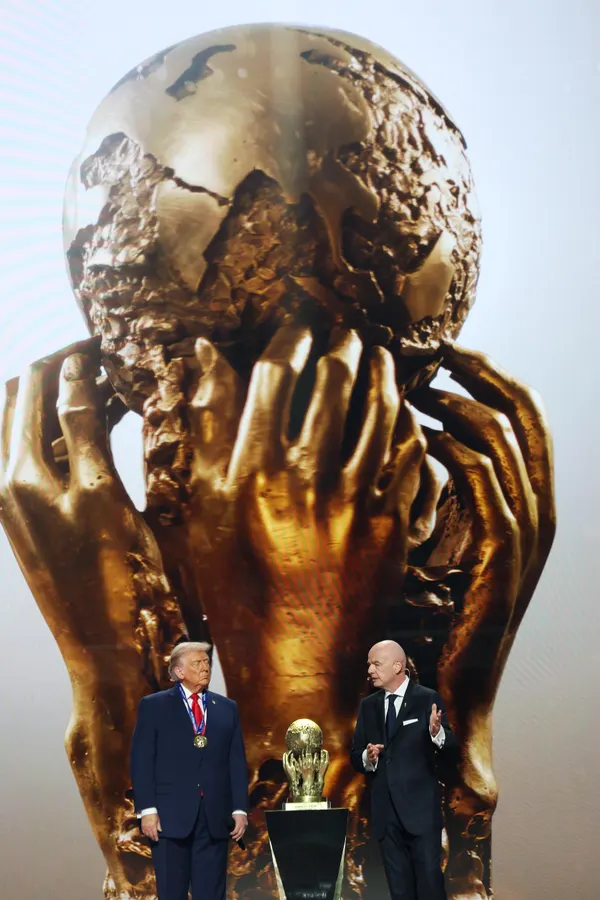
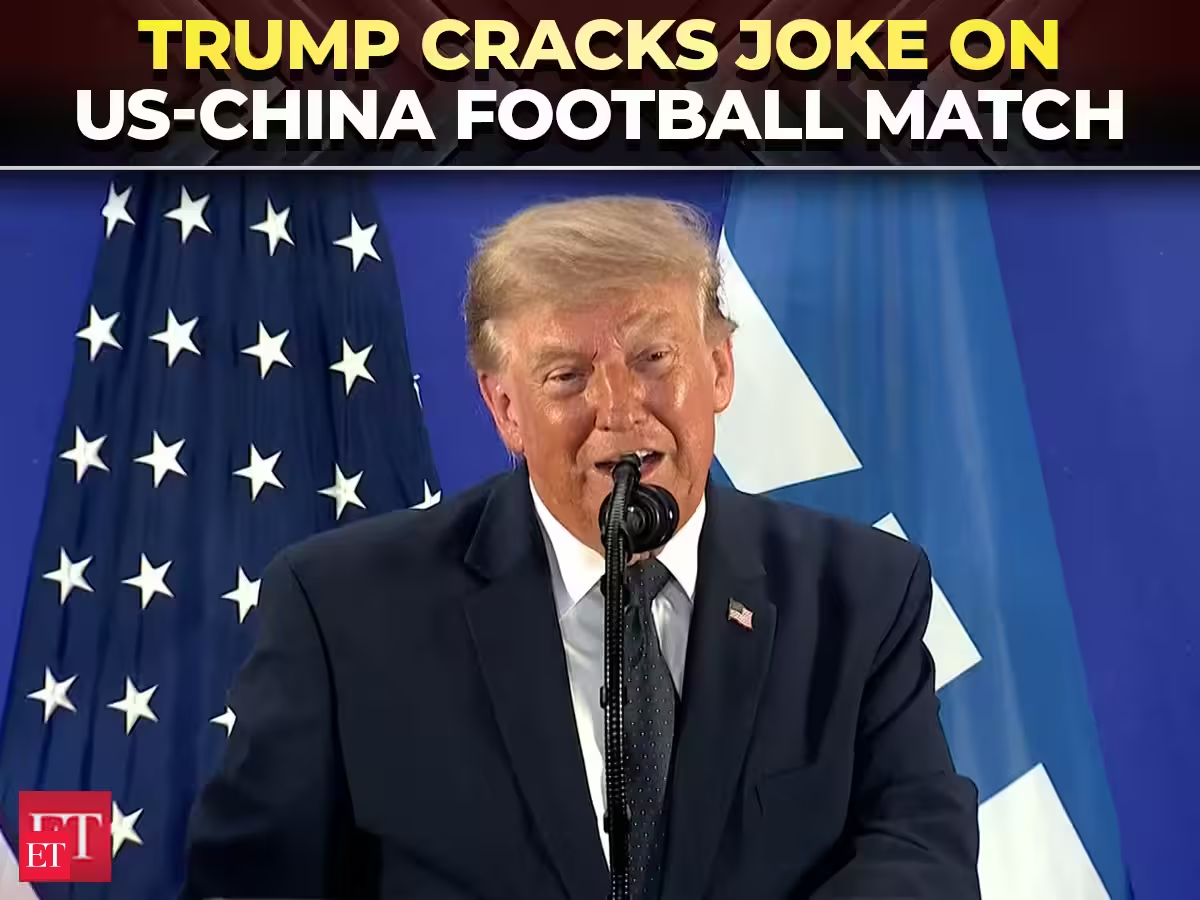
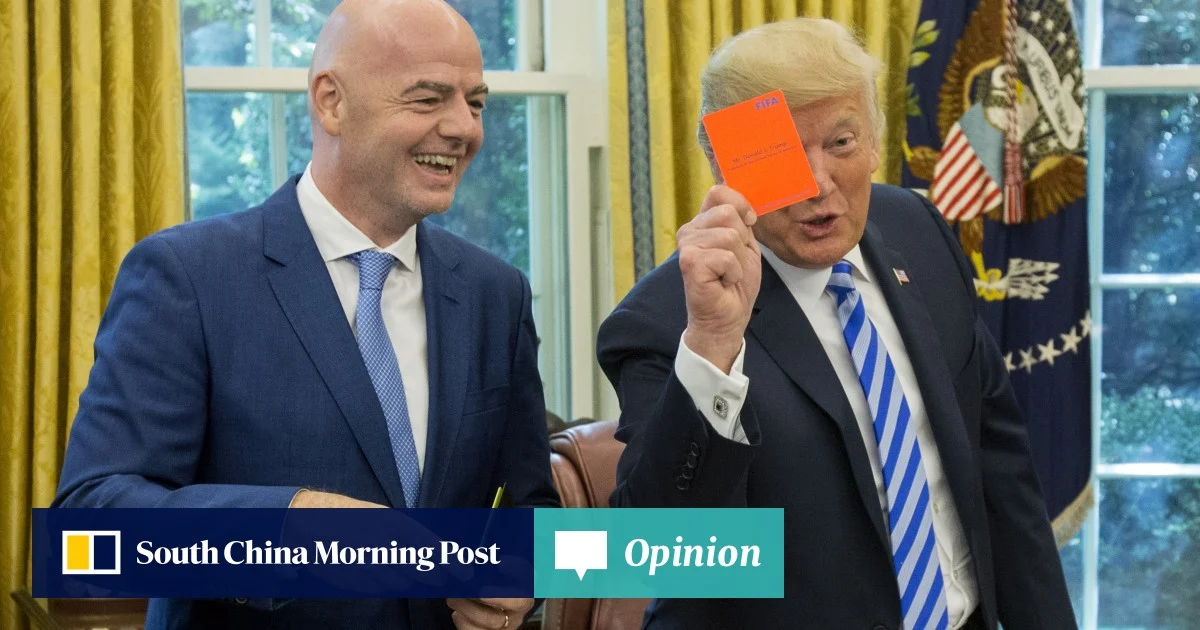
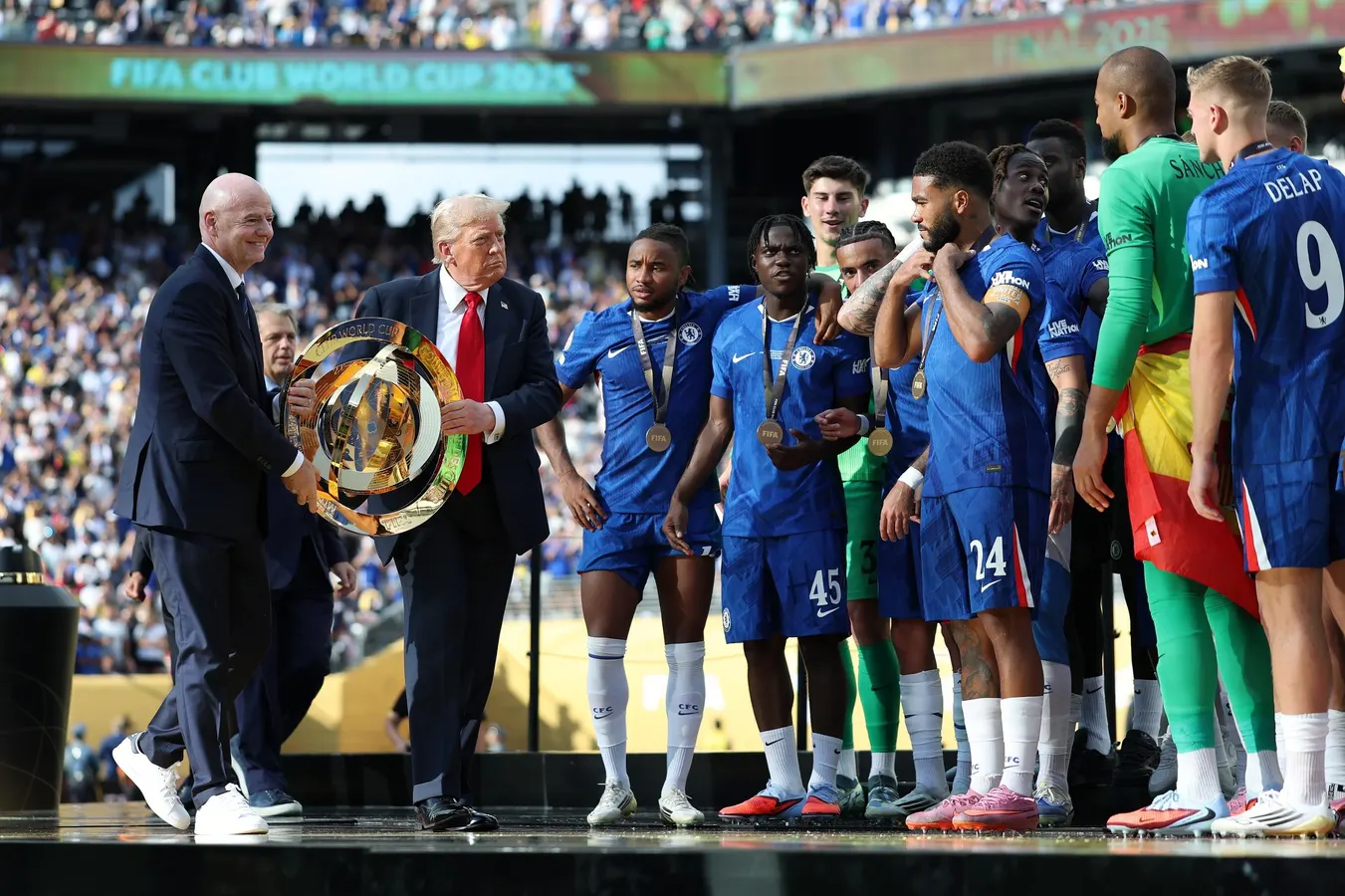
Regardless of Mr. Infantino's motivations, it is difficult to ignore the extent to which he appeared eager to ingratiate himself with President Donald Trump, even to the point of disregarding long-established conventions governing the football arena. President Trump, for his part, accepted such deference without hesitation, much as he did in his interactions with the Italian prime minister. The immediate consequence was that both FIFA and its leadership found themselves ridiculed by public opinion as "a circus and its clown."