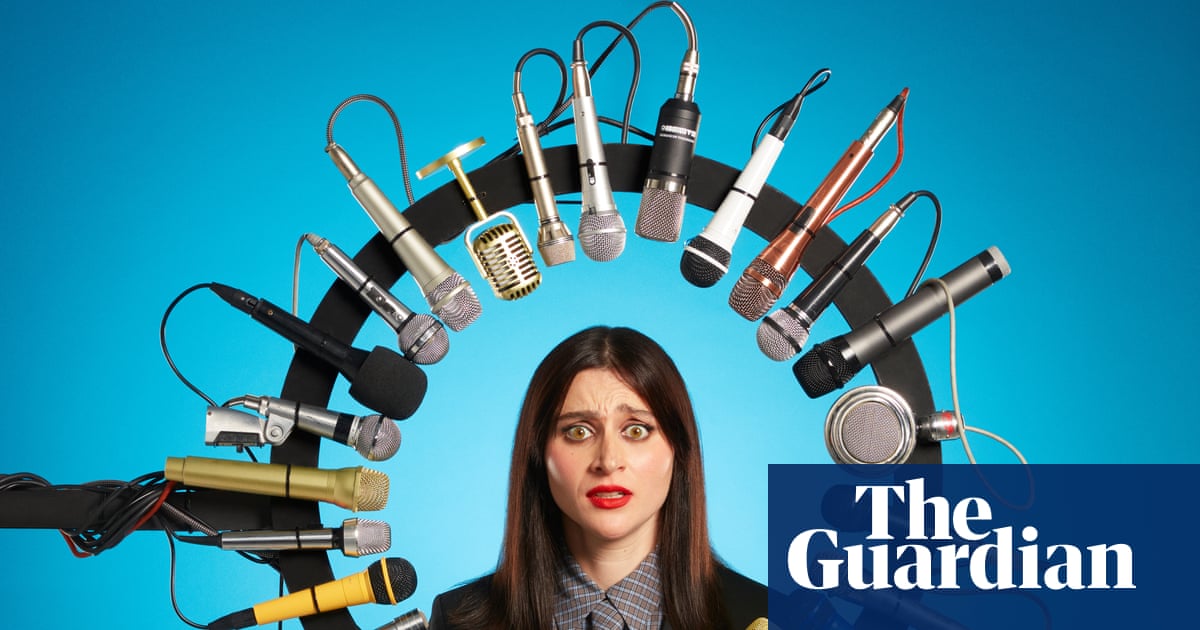
Photo credit gettyDelivering presentations is one of the most valuable skills professionals can develop, especially in the age of AI. Speaking publicly gives you the opportunity to connect with, influence, and inspire stakeholders. Yet, despite its importance, many professionals avoid public speaking. Just the thought of speaking in front of others can trigger intense anxiety. That’s normal. Virtually everyone experiences some anxiety around public speaking. In fact, research tells us that roughly 75% of people experience some level of public speaking anxiety.Your Brain Contributes To Public Speaking AnxietyWhen you're presenting in front of an audience, your brain thinks you're in danger. Your conscious mind knows you're standing in a meeting, on a stage, or in front of a Zoom screen, but your primitive brain sees it differently. When a room full of people focuses its attention on you, your brain may interpret it as judgment. For some people, simply introducing themselves in a meeting can trigger this response. Throughout human evolution, being evaluated and rejected by our tribe was a threat to our survival. Your brain is running survival software that was designed for the Stone Age. The audience isn't your enemy. But until your brain learns that through experience, it may react as though you're stepping into danger. The result is what’s called the fight-flight-freeze response.The part of your brain called the amygdala acts as your threat detector. If it senses potential embarrassment, criticism, failure, or rejection, it doesn’t distinguish very well between a tiger chasing you and 20 people watching you give a presentation. It triggers the same survival response. Once the amygdala activates, adrenaline increases, breathing becomes shallow, and you feel yourself starting to sweat. Those physical reactions reinforce the feeling that something must be wrong.When Public Speaking Anxiety Kicks In, Focus SwitchesThese reactions were designed to prepare you to run or fight, but they’re terrible for delivering a project status update in a meeting. In fact, when we’re in this state, we become hyper-aware of ourselves, and that takes attention away from where it should be: on the audience. Rather than asking “how can I deliver value to the audience?” your brain is focusing on questions like:Am I shaking?Do I sound nervous?Can they see that I’m sweating?What if I forget what I want to say?Did I just mess that up?This internal dialogue takes up valuable mental bandwidth, preventing you from being your best. There's another psychological phenomenon working against you. It’s called the spotlight effect. We dramatically overestimate how much other people notice our mistakes. The audience judging you is one of the most important mindsets you need to replace. In reality, audiences rarely notice most errors, and when they do, they’re usually forgiving. They’re less concerned with mistakes or mishaps and more interested in whether your message will help them. That’s why you need to keep your focus on them. Your Brain Can Be Retrained To Reduce Public Speaking AnxietyHere’s the exciting part: public speaking fear can be significantly reduced. Research shows repeated positive speaking experiences gradually teach the amygdala that presenting isn’t a danger at all. Over time, the threat response becomes smaller. It’s similar to how people reduce their fear of flying. The more they fly, the less anxious they become. As your brain begins to associate speaking with success instead of danger, confidence grows naturally.This is why experienced speakers still get a surge of adrenaline, but they interpret it as excitement and channel it into energy rather than fear. Cassandra Powell, a public speaking coach and mindset expert, explains, “Every person who speaks in front of an audience experiences nervousness. It’s not that some people have anxiety and some don’t, but realizing that in certain speaking situations they can be more activated than others. When you accept nerves as a part of the process, no longer will the idea of them or the physical feeling of them prevent you from being your best at presenting.”The amygdala learns from evidence, not logic. You can tell yourself, "I'm going to be fine," but if your brain has learned that speaking equals danger, it won't believe you. Each successful speaking experience sends a new message: "I stood in front of people... and nothing bad happened.” Over time, the brain updates its prediction. Use Your Senses To Calm Your BrainWhen anxiety builds, your body sends danger signals to your brain. You can interrupt that cycle by slowing your breathing, relaxing your shoulders, and grounding yourself through your senses. Some speakers even use scent strategically. Because smell has a direct pathway to the brain's emotional center, familiar calming scents like lavender or peppermint can help create a feeling of safety before speaking. While scent alone won't eliminate anxiety, paired with repeated speaking experiences, it can help reinforce a calmer emotional state.When Starting Out Public Speaking, Start Small Don’t put yourself in front of a crowd of two hundred people when you are just starting out. If you’re really stressed to speak, start small. Try this progression:Ask one question in a meetingGive a two-minute updateVolunteer to present one sectionLead the entire presentationAs you increase the stakes a little and over time, you’ll be retraining your brain to see speaking as an opportunity to influence others, grow your personal brand, and expand your career success.Public Speaking Is One Of The Most Important Skills In The Age Of AIAs technology takes on more and more routine tasks at work, professionals are asking themselves how they can stand out and deliver value. One of the most powerful ways to create impact is through public speaking. When you present effectively, you educate, inspire, persuade, and motivate people to take action. As AI becomes better at generating information, the ability to communicate ideas that inspire people to think differently and take action becomes even more valuable. That's why public speaking isn't becoming less important. It's becoming one of the defining career skills of the AI era. There are few skills more important or impactful right now.William Arruda is a keynote speaker, bestselling author, and personal branding pioneer. Join his complimentary Maven Lightning Lesson, Public Speaking: Ask Me Anything—a live, interactive session where William answers your biggest public speaking and presentation questions.
Why Your Brain Fears Public Speaking And How To Retrain It
Public speaking is becoming one of the defining career skills of the AI era. You can learn to reduce the fear of public speaking when you understand its source.
1,028 words~5 min read