From Mark Carney’s appeal at Davos to the crisis of multilateral institutions, a report by the Japanese news agency Jiji Press captures the unraveling of the rules-based order and identifies Tokyo as a potential bridge connecting Washington, Europe, and the Global South
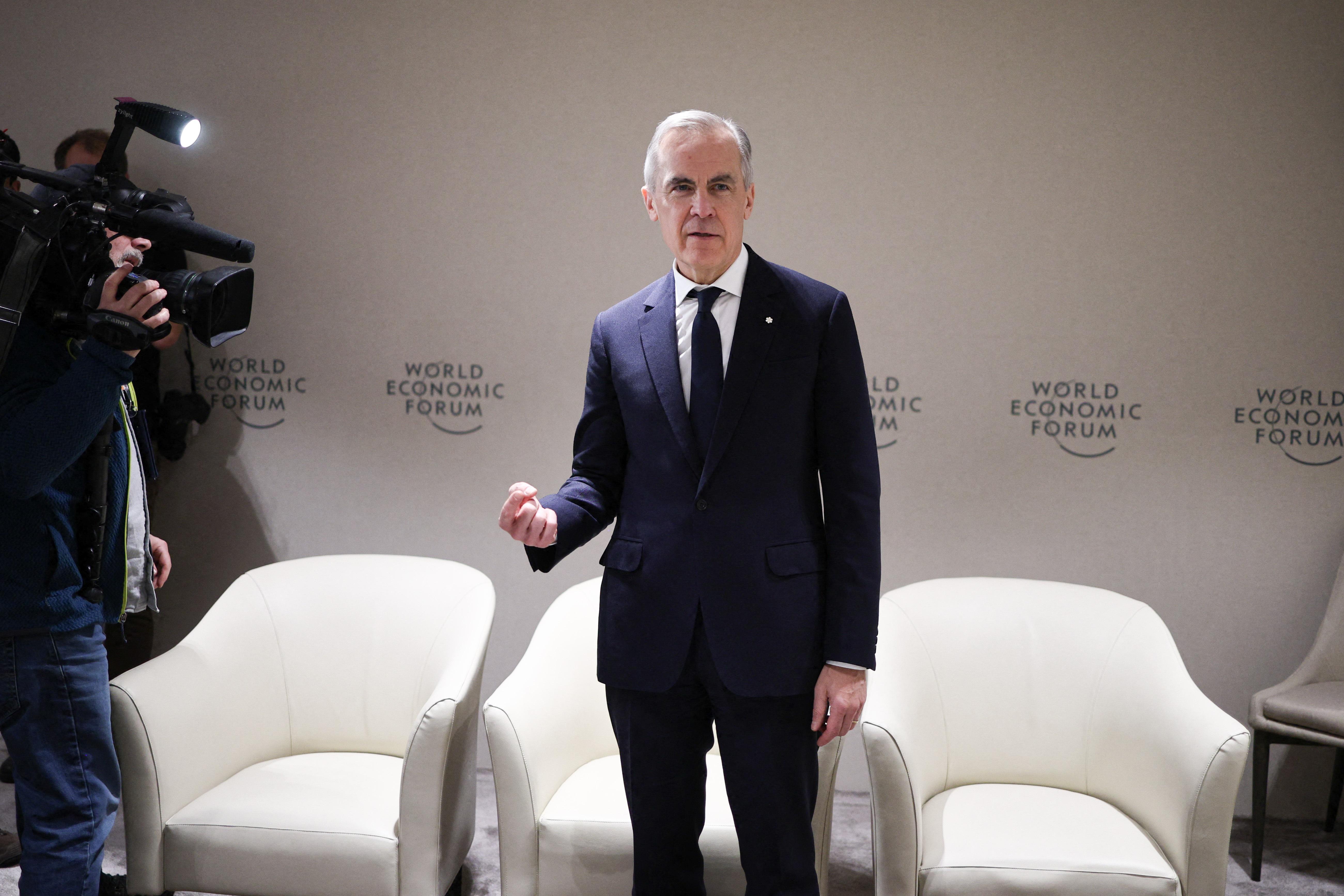
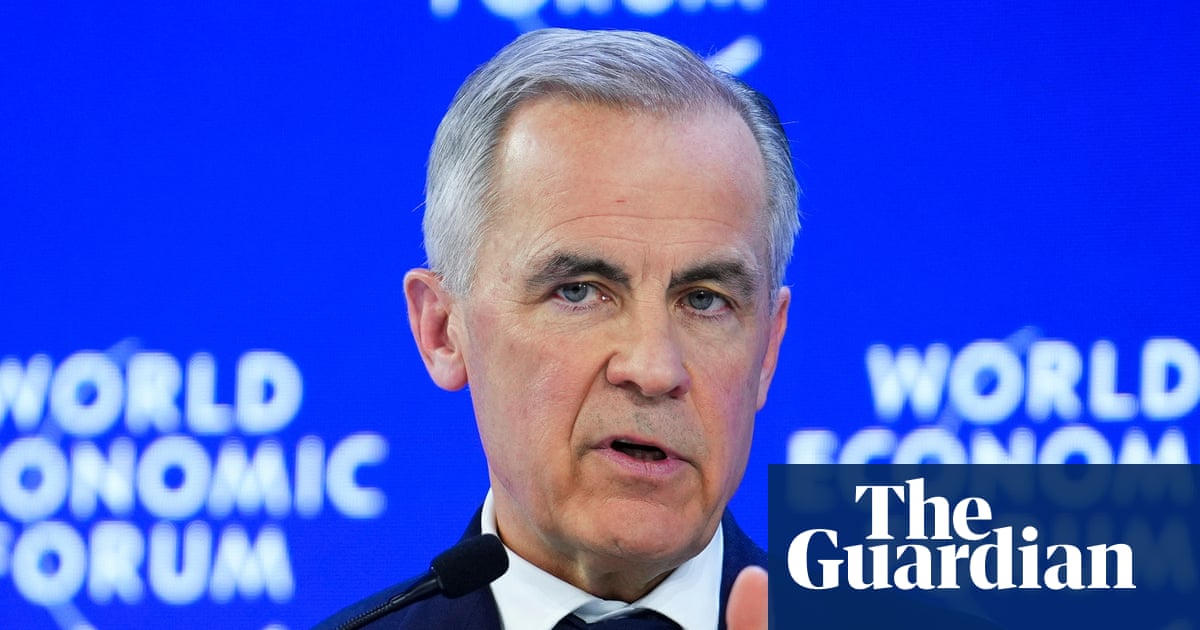
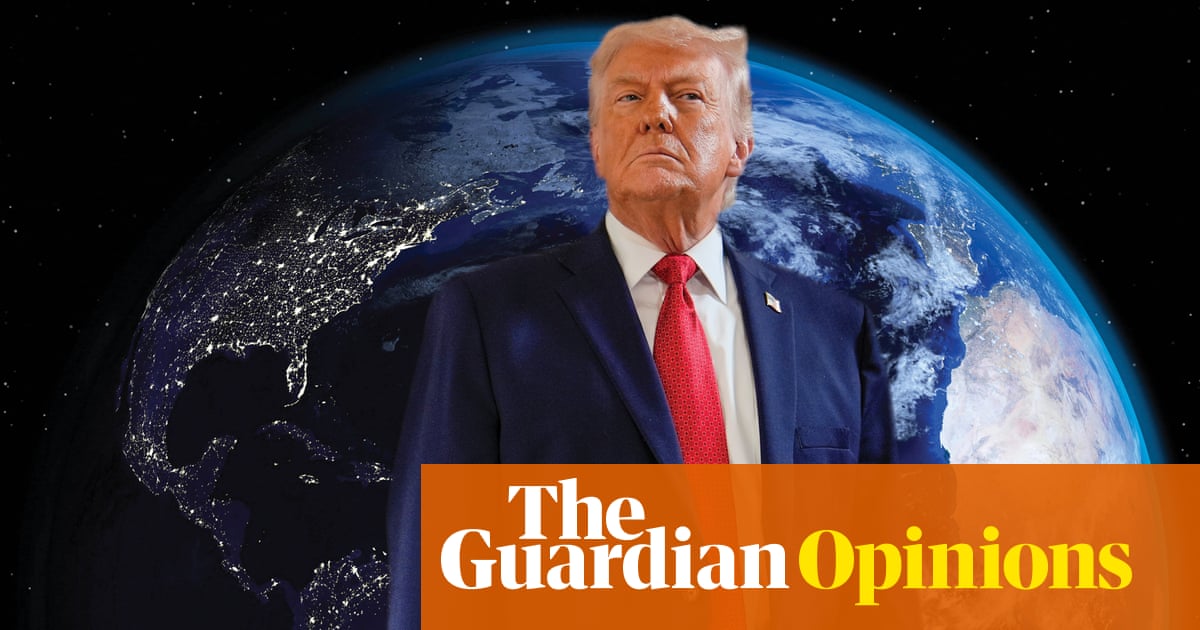
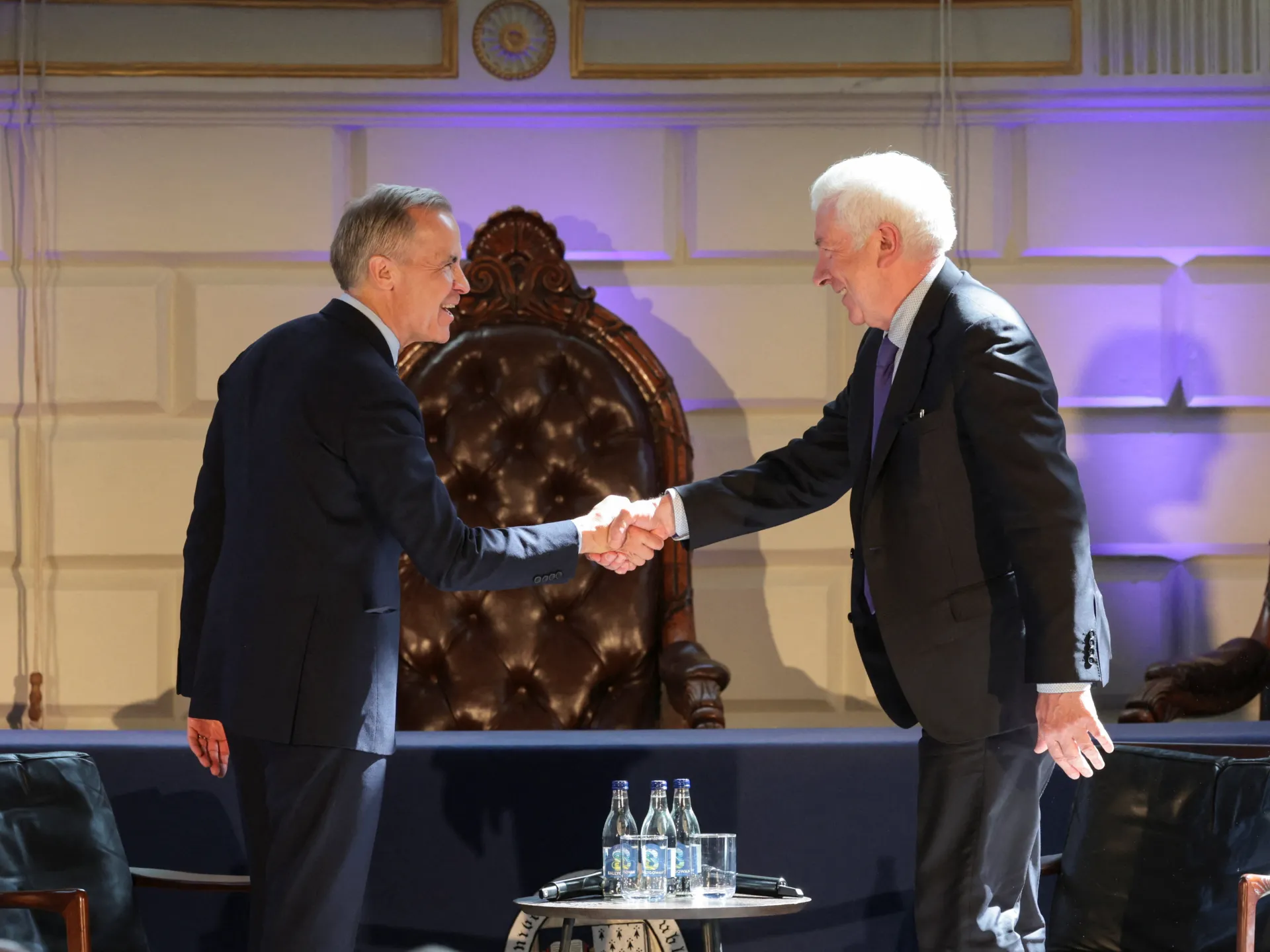
There is a phrase, spoken by Canadian Prime Minister Mark Carney in Davos on January 20th, that captures the state of the international system better than many analyses: the world has emerged from "a pleasant fiction" and entered "a harsh reality"—that of major powers acting under increasingly weak constraints. Hence the Prime Minister's call for unity among "middle powers": "They are not powerless. They have the capacity to build a new order that encompasses our values."
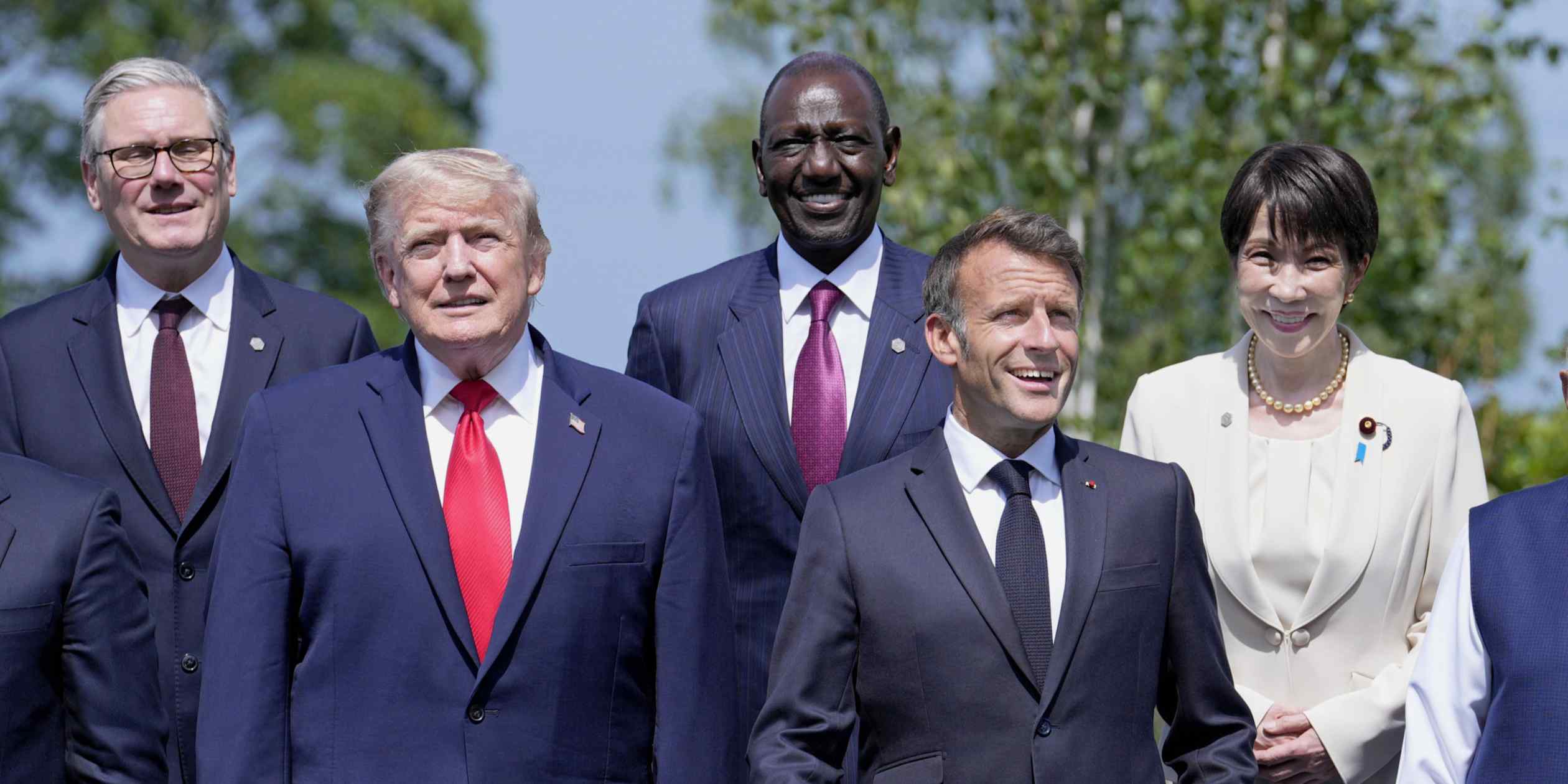
A report by Nobuto Sato for Jiji Press—one of Japan’s two major news agencies—centers on this diagnosis; it was distributed internationally via the "Japan Connect" service of AFPBB News, an outlet launched in 2007 by Agence France-Presse. The document outlines the symptoms of a crisis that can no longer be dismissed as a mere cyclical downturn. Competition between the United States and China has reportedly expanded the battlefield far beyond the military realm, turning tariffs, export controls, and supply chains into weapons. Meanwhile, multilateral institutions—led by the United Nations and the World Trade Organization—appear to be sliding into increasing dysfunction, even as the Trump administration pursues an isolationist course: withdrawing from the Paris Climate Agreement and the World Health Organization, and imposing high tariffs that erode the post-war trade order.