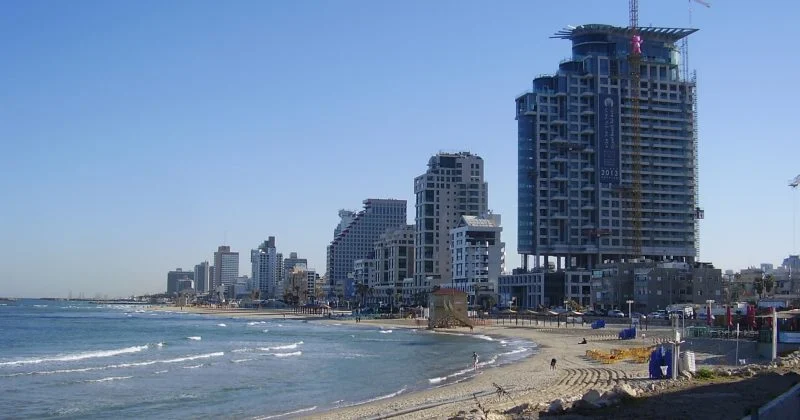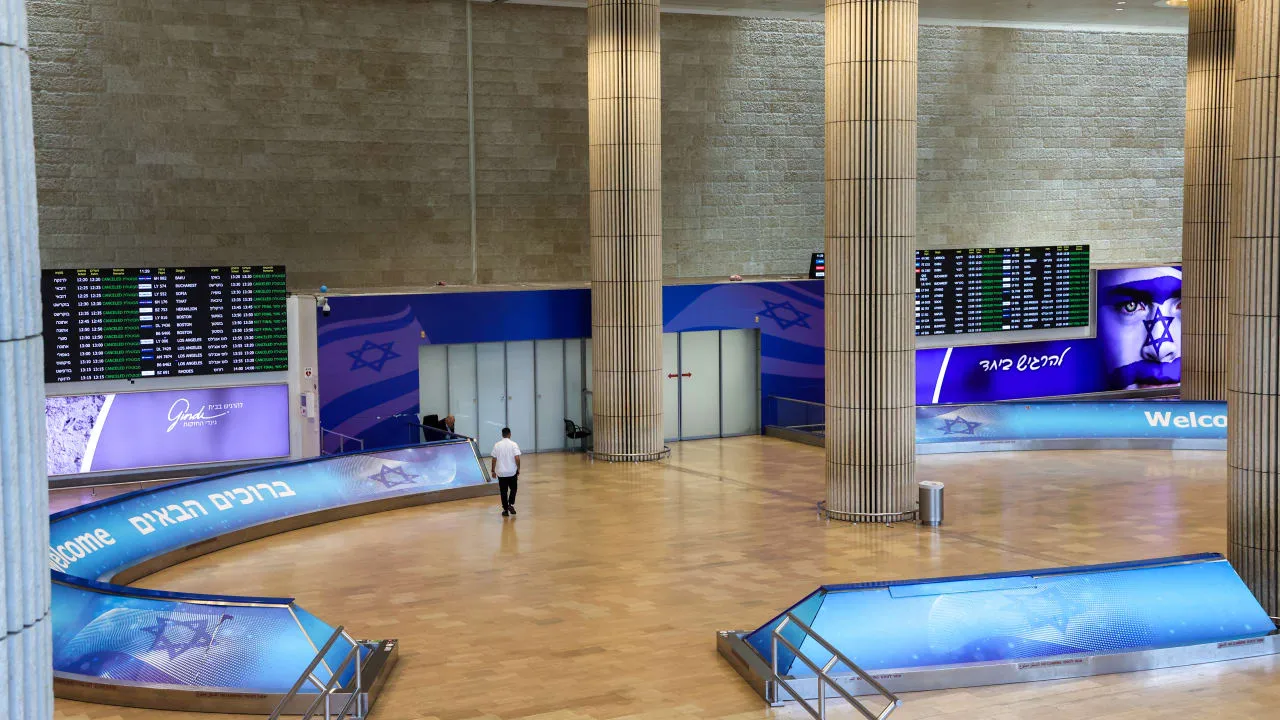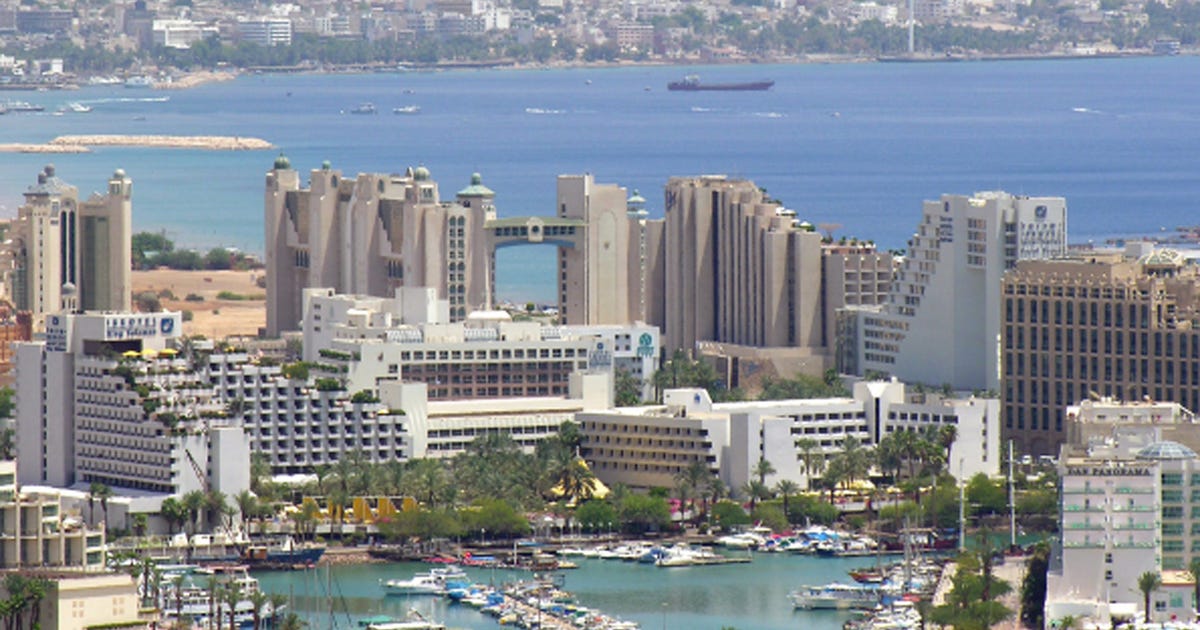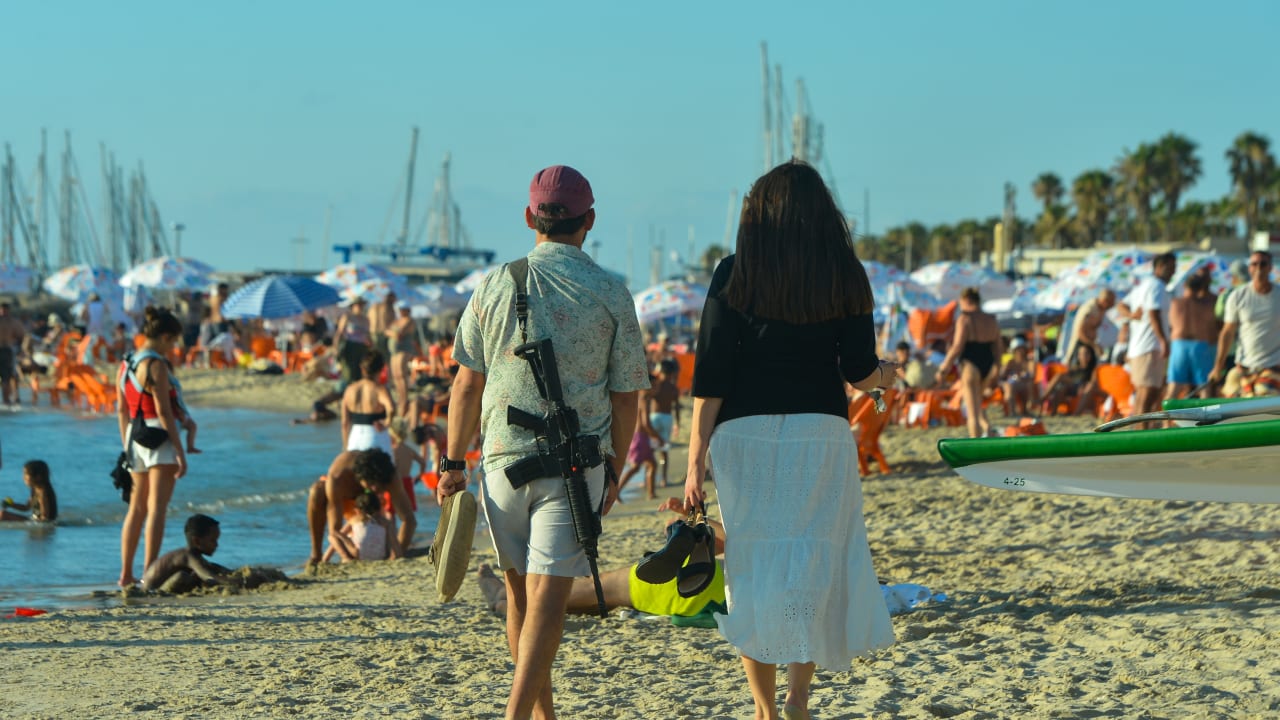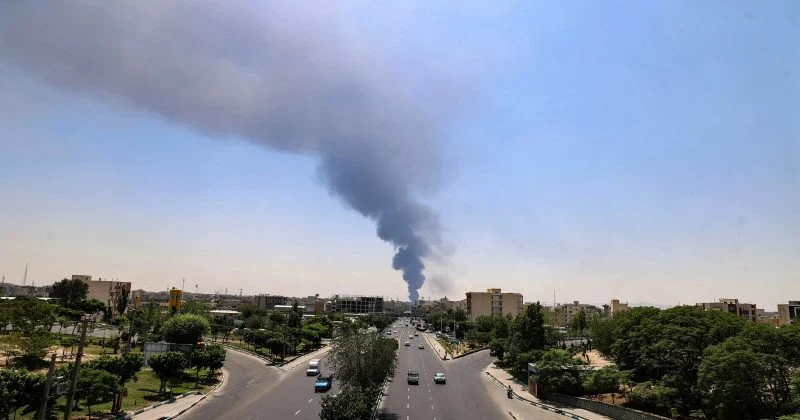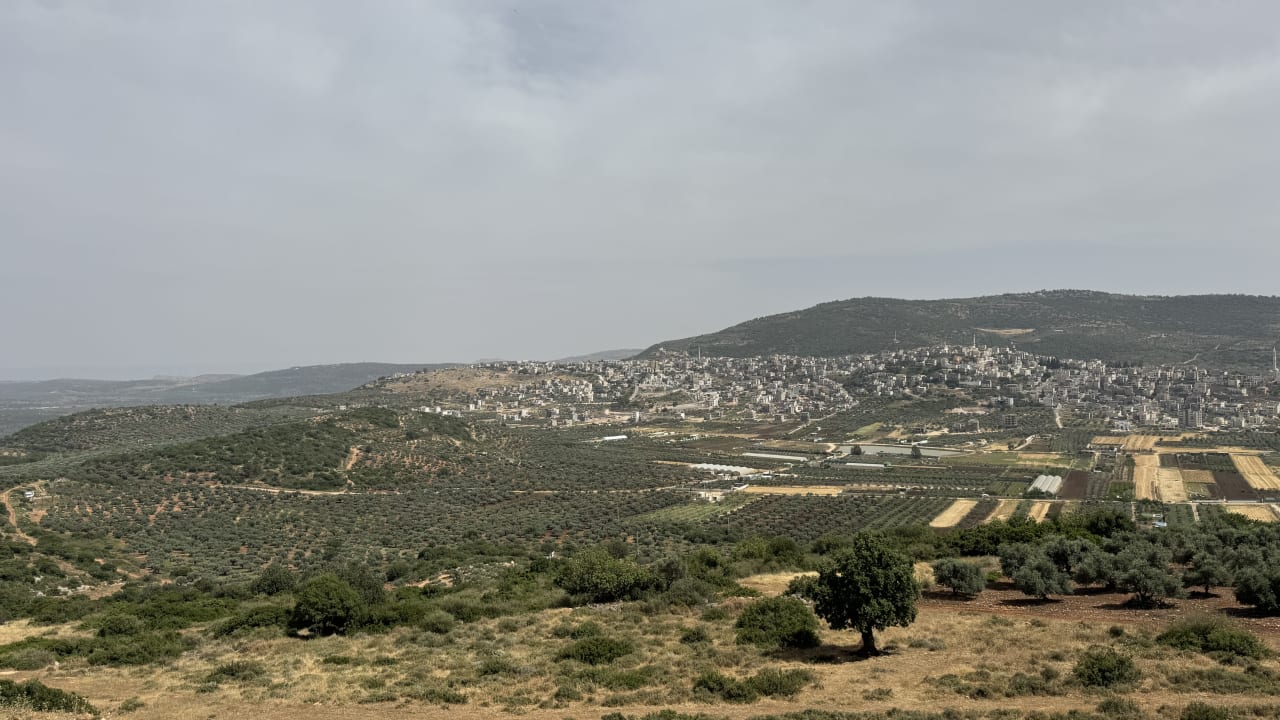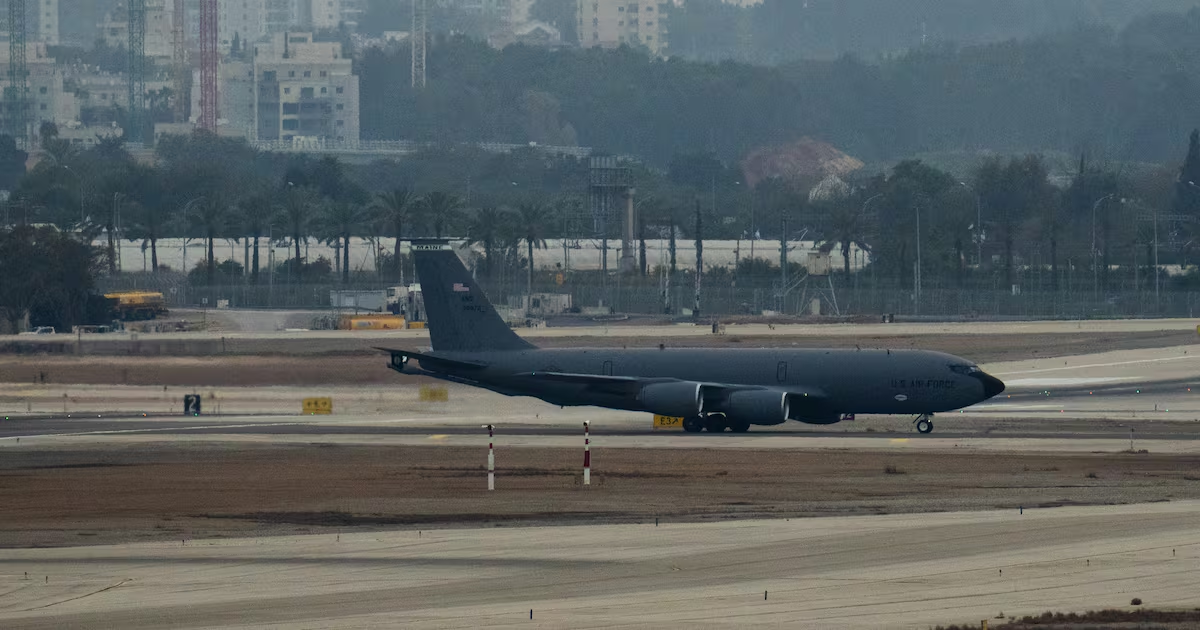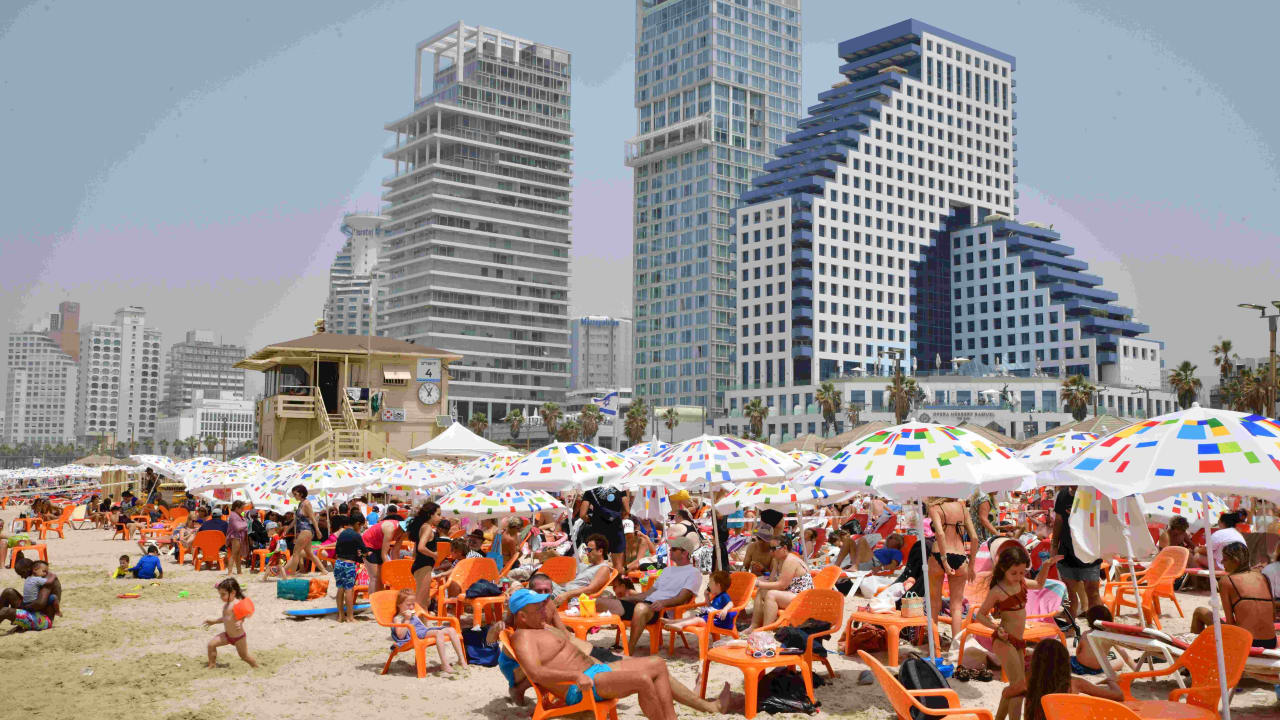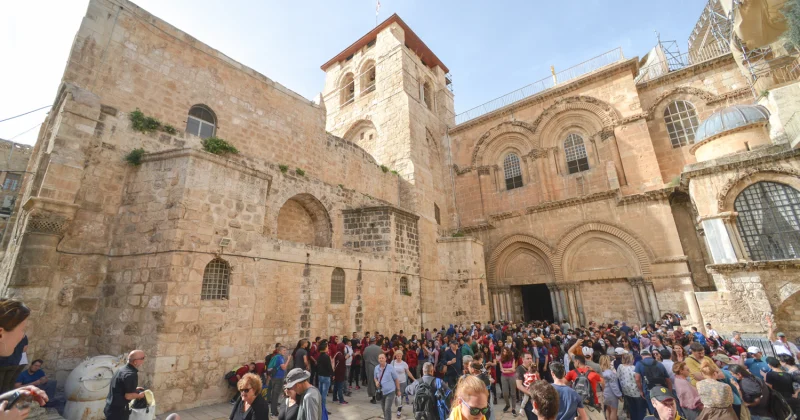
Israel’s tourism industry is grappling with significant challenges as conflict continues in the region. Despite the ongoing war with Hezbollah and involvement in military actions against Iran, Israel’s tourism sector is attempting to maintain activity. The summer, typically a peak period for tourism, has seen a dramatic decline in visitors, echoing a broader trend of decreasing international arrivals due to safety concerns and travel disruptions. The Israeli government has attempted to counteract these trends with a substantial financial support package aimed at bolstering the industry, yet the perception of danger remains a significant obstacle.
The market for Israel’s airspace closure by July 31 currently reflects a 16.5% probability of a YES outcome, up from 12% just 24 hours ago. This uptick suggests that market participants are increasingly wary of potential escalations that could lead to airspace restrictions. However, the market indicates a lower likelihood of immediate closure by July 15, with only a 2.9% chance. The fluctuations in these probabilities reflect ongoing tensions and the Israeli government’s delicate balance between maintaining open airspace for tourism and responding to security threats.