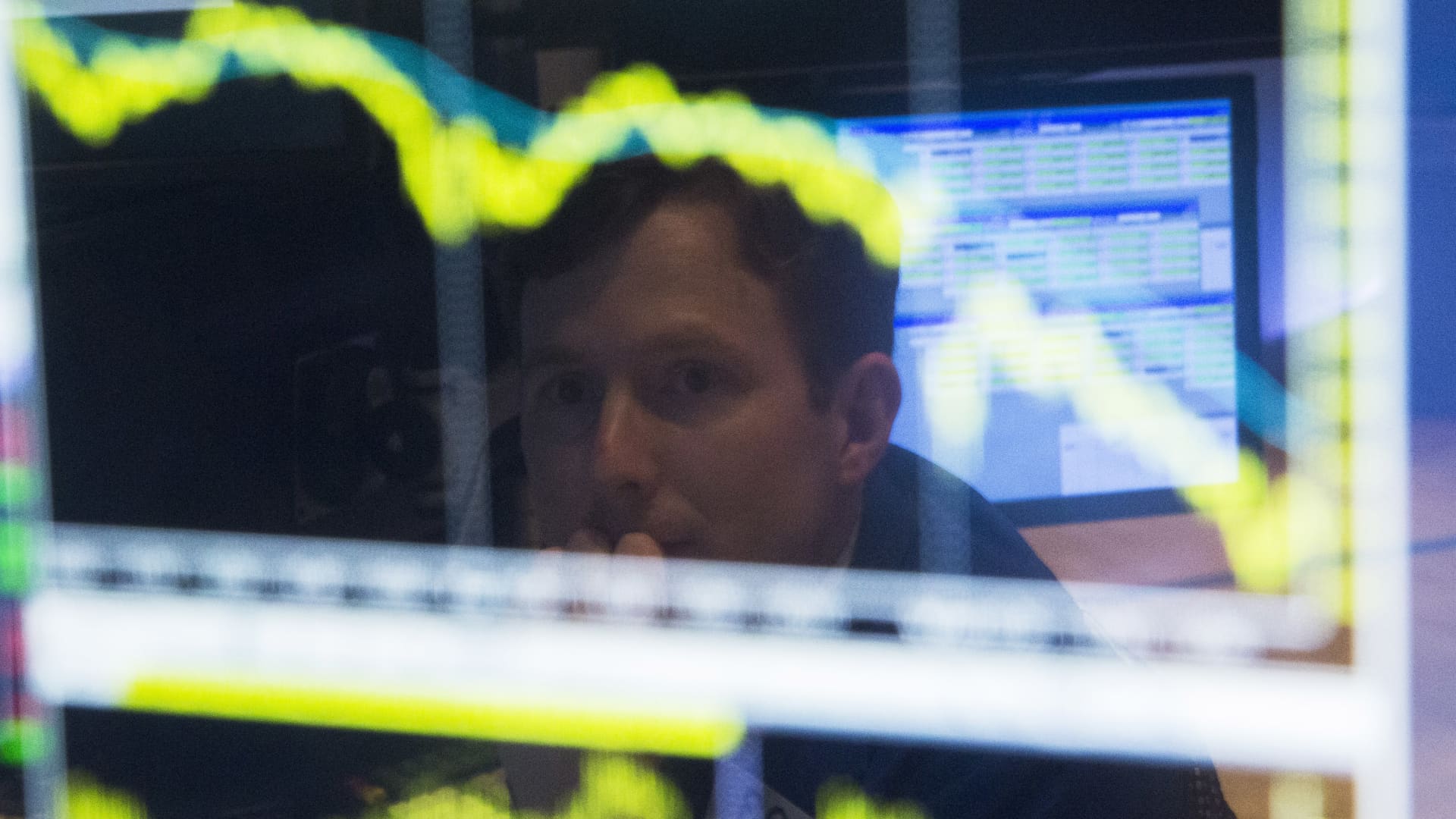
The volume of market data available to retail traders has never been higher. Their decision-making accuracy? It hasn’t necessarily improved with it.
In the mid-1970s, a professional trader’s day started with a newspaper, a phone, and a price sheet. The information was limited. The decisions were sharp.
Today, the same trader opens a session to live news feeds, social media alerts, AI-generated summaries, economic calendars, analyst commentary, and four screens refreshing simultaneously. The information is endless, and for a significant portion of the trading community, decision-making has gotten worse.
The cost of too much
Researchers at the Federal Reserve and the Milenio MIPP Institute studied the relationship between information volume and investor performance, building an information overload index using data from the New York Times stretching back to 1885. The findings were direct: higher information overload is associated with lower trading volume and deteriorating decision accuracy. The more investors are bombarded, the less efficiently they process what actually matters.