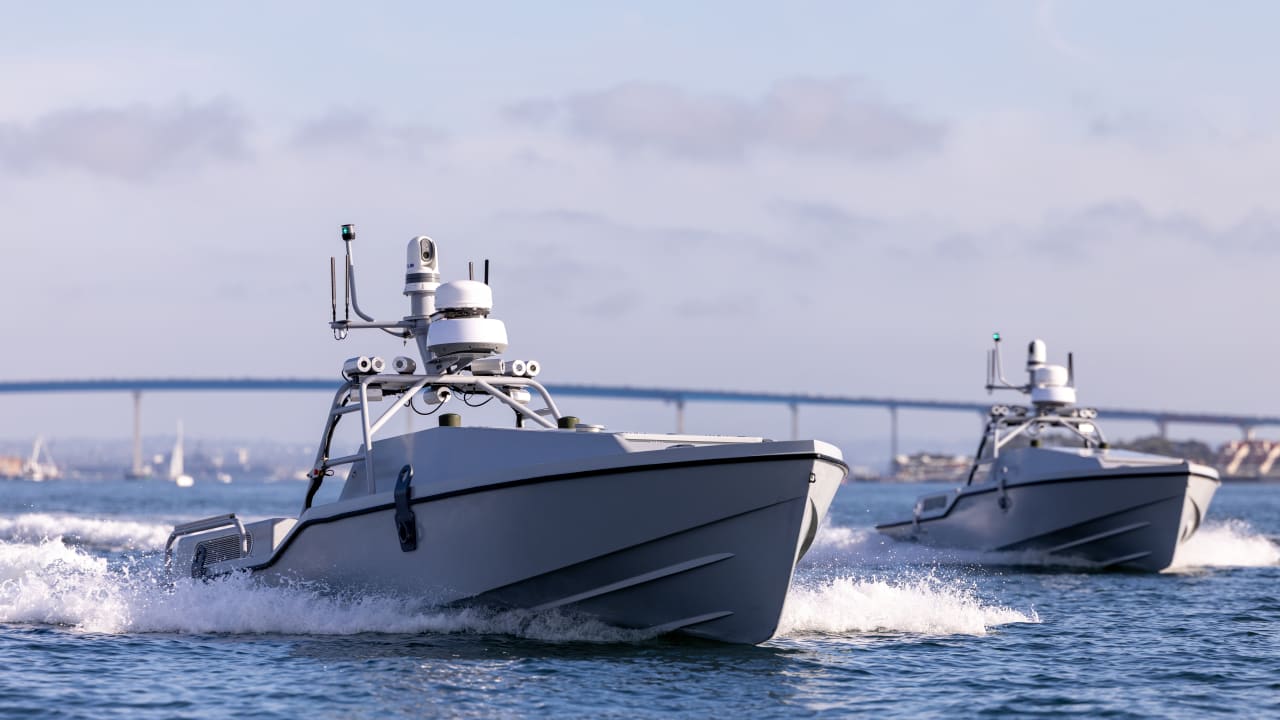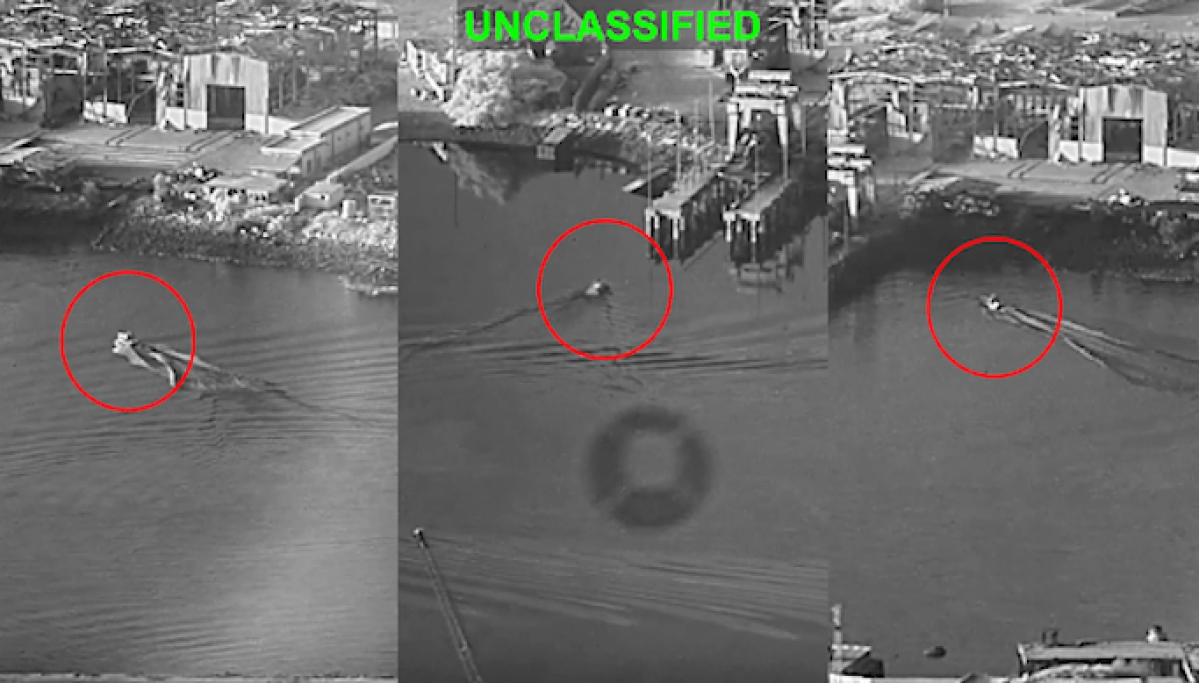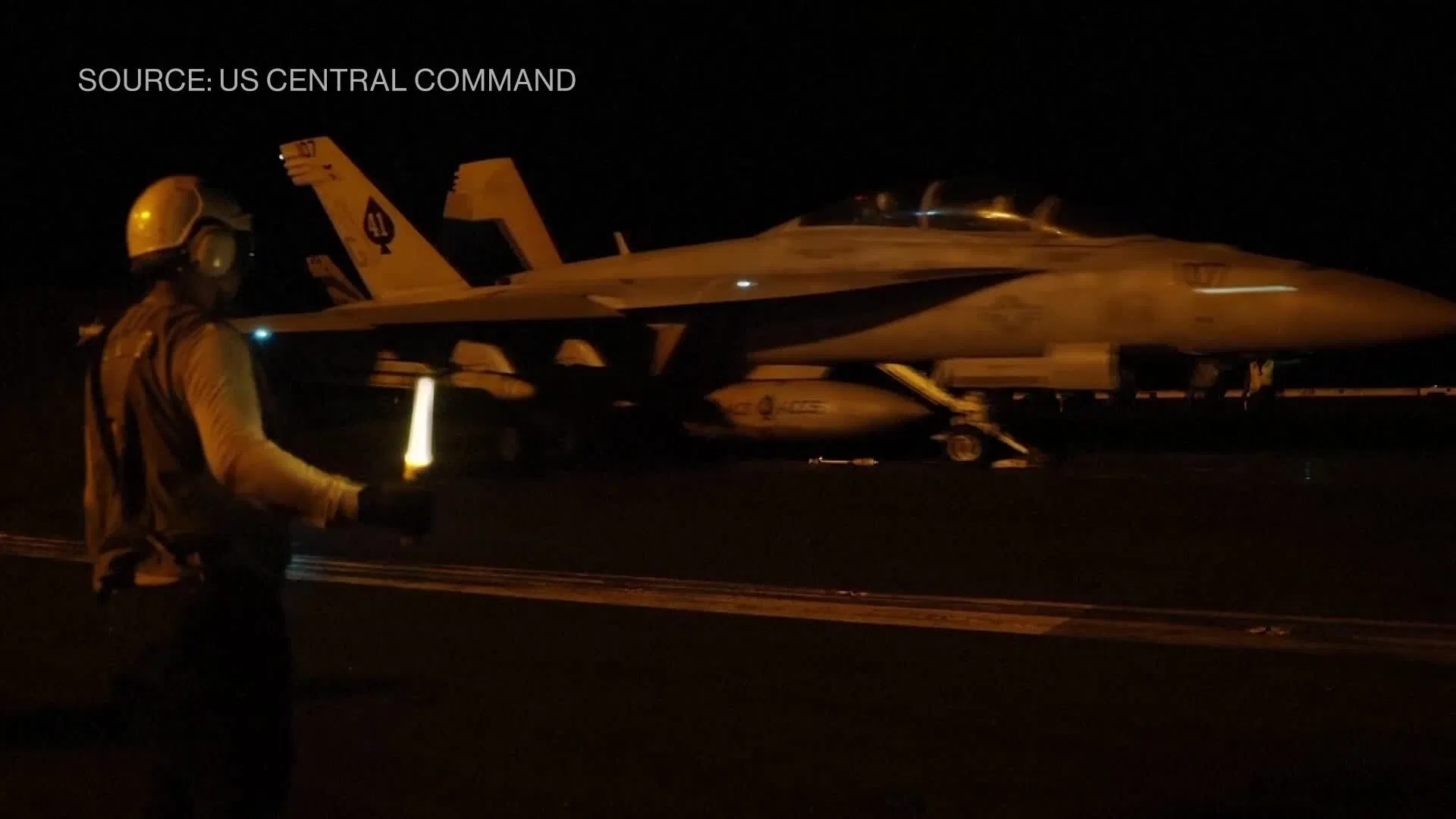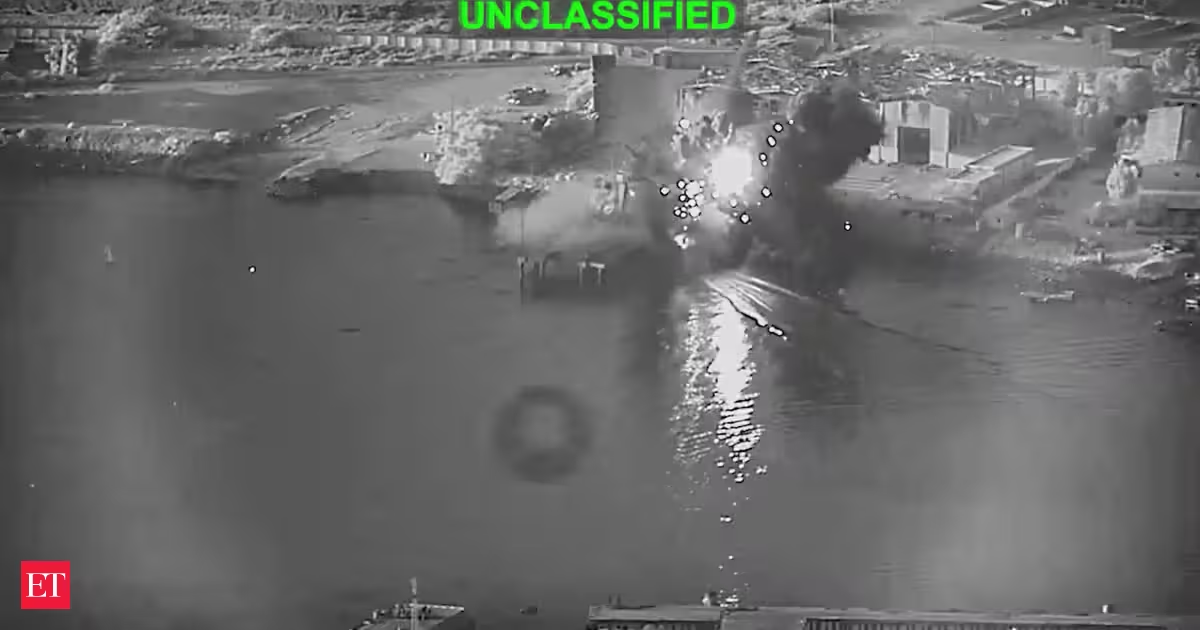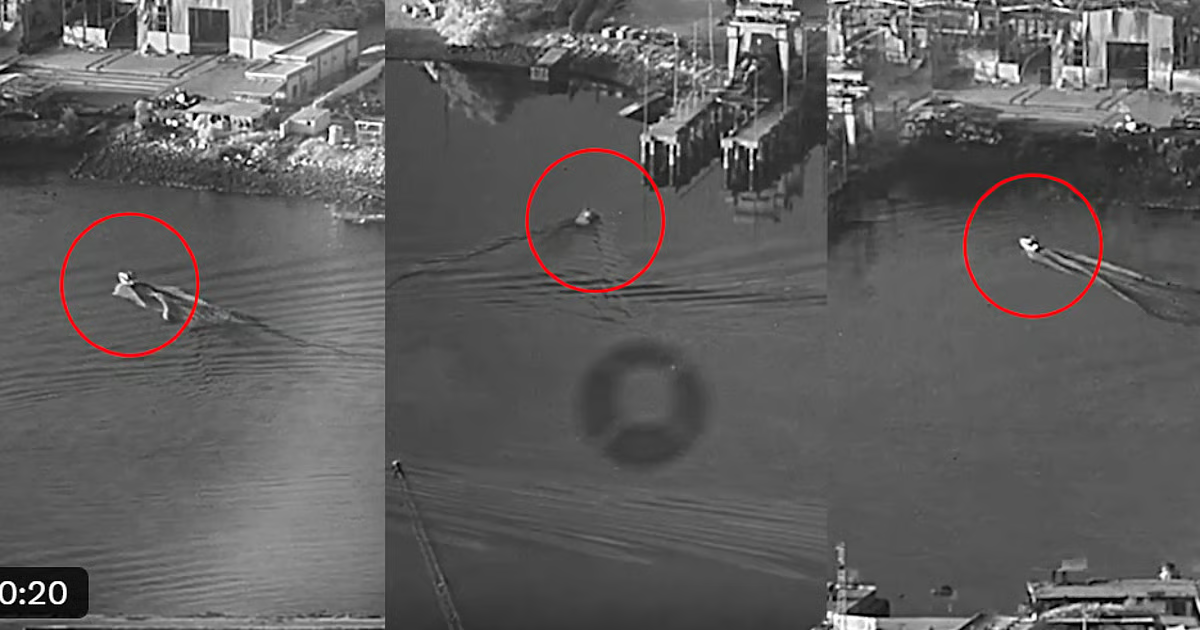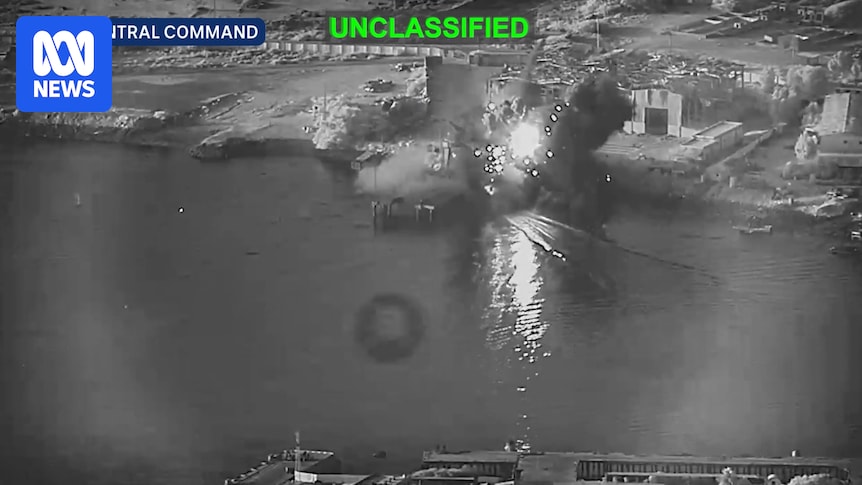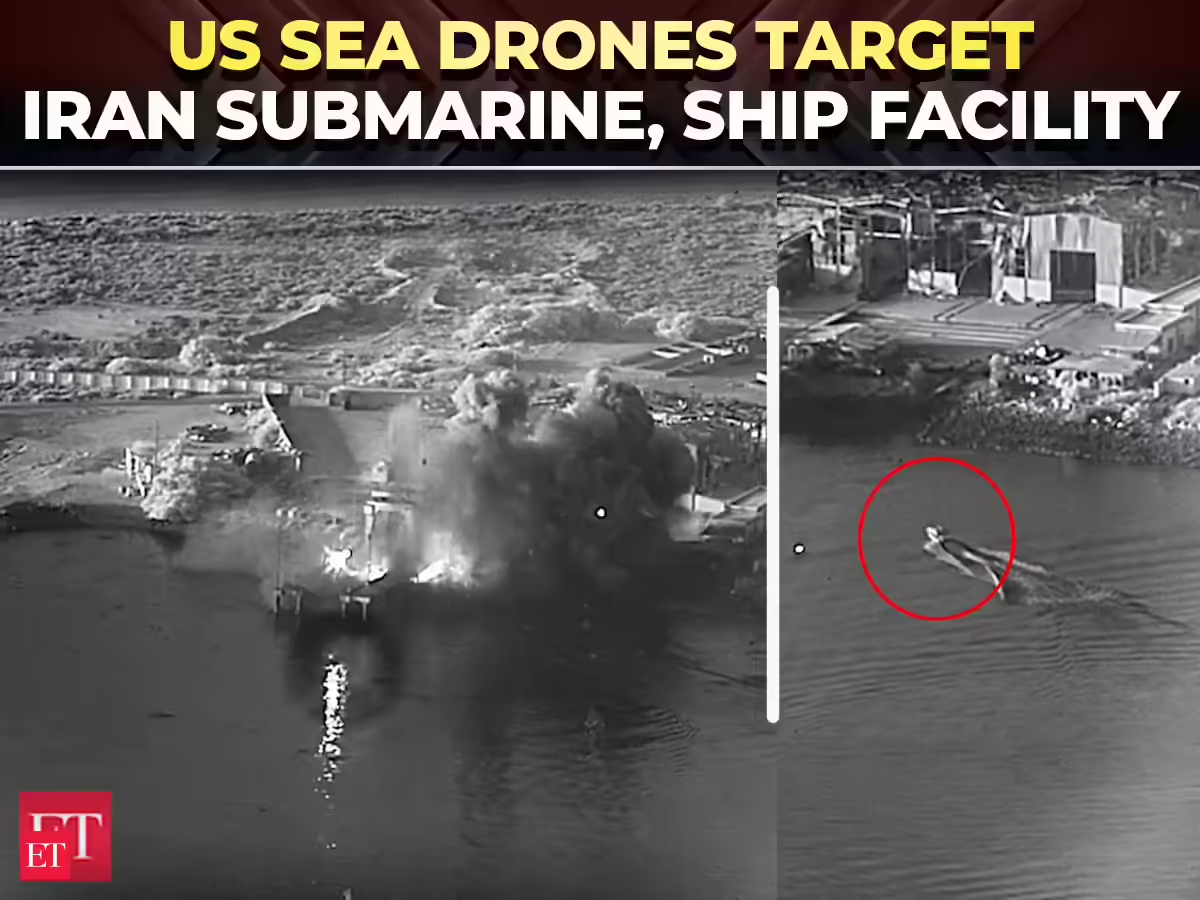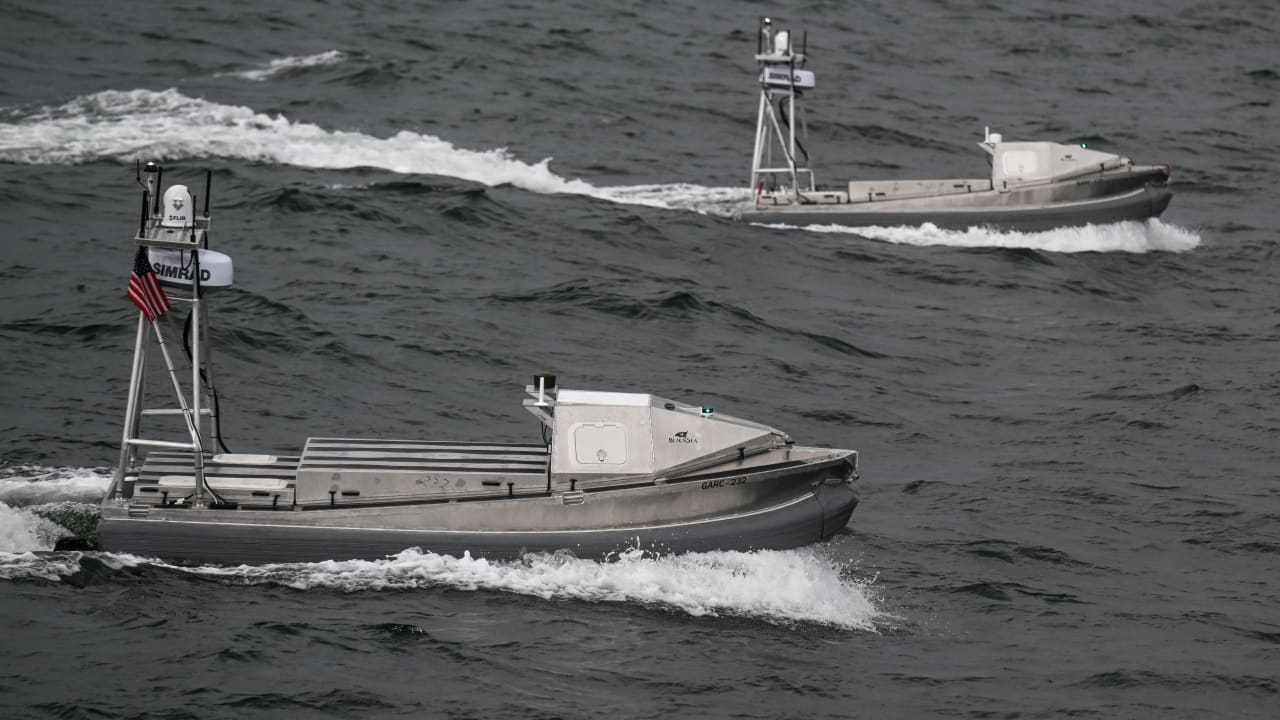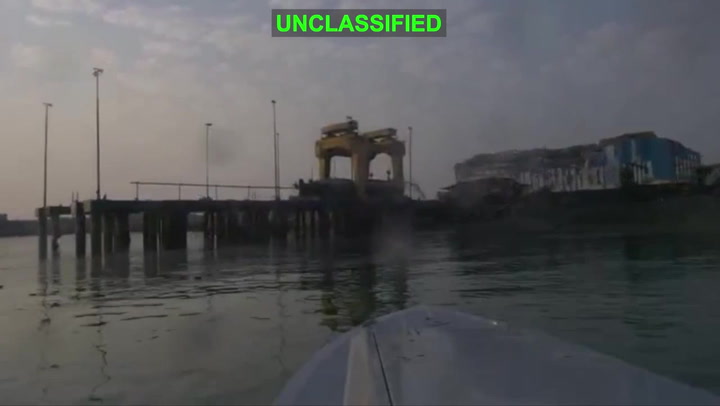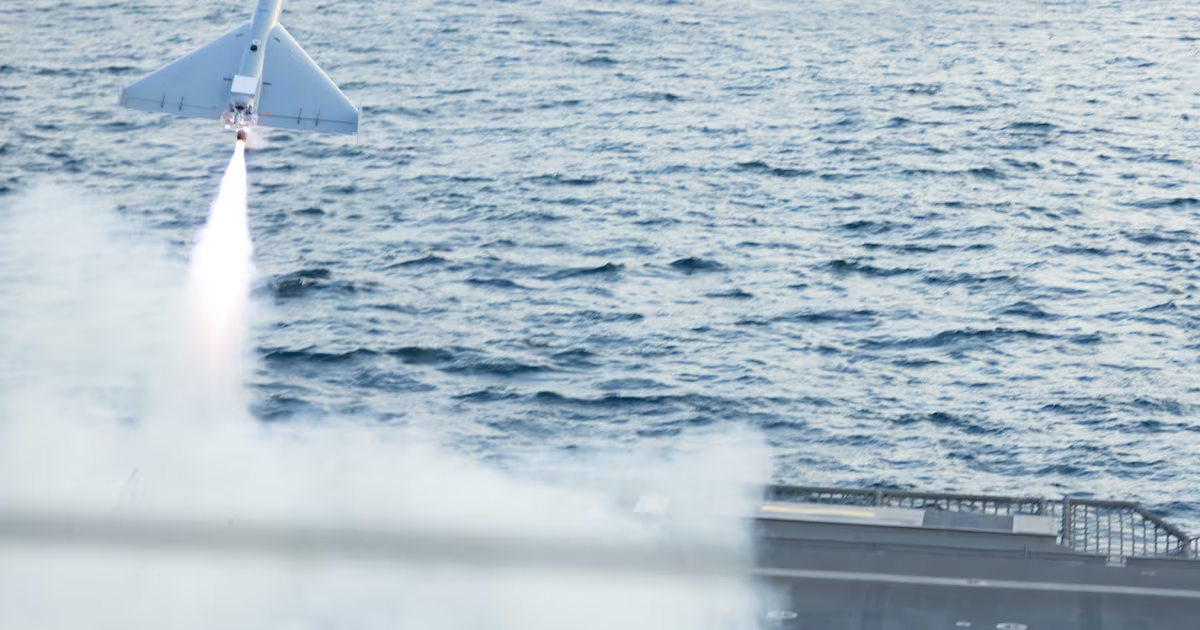
A US-made Lucas drone is launched. Photo: US ArmyInfoCentcom says it has used 'one-way attack aerial drones, and one-way attack sea drones'The US has used "one-way" attack drones against Iran for the first time, the military's Central Command has announced, as the two countries continue to trade blows despite a supposed regional ceasefire.Centcom, which has led the US war effort against Iran, said it utilised "one-way attack aerial drones and one-way attack sea drones for the first time" in strikes against Iran on Sunday. The weapons were deployed alongside fighter aircraft and naval vessels.The US military says such drones cost just $35,000 each and are an example of "low-cost, scalable capabilities to strengthen regional security and deterrence". The use of relatively low-cost attack methods reflects a wider preference for cheaper methods of war in the conflict, which rumbles on despite an initial US-Iran peace deal being signed in June. One way drones are widely understood to refer to suicide drones, which carry explosives and detonate on contact. Iranian unmanned Shahed drones have been a central part of the country's tactics during the wider war, and Iran has also exported the drones to Russia for use during its war on Ukraine. The US equivalent is known as the Low-cost Unmanned Combat Attack System, or Lucas. It was unveiled late last year and can be launched by rocket, catapult or from vehicles. One US official said at the time that the design was based on the Shahed and intended to "flip the script on Iran".Drone warfare has played an integral part in the wider regional conflict that broke out earlier this year between Iran, the US and Israel, along with other countries. Hezbollah has used First Person View drones in its latest conflict with Israel, partly using them for propaganda purposes to demonstrate purported battlefield wins. Israel's use of surveillance drones over Lebanon remains a menace. US and Iranian forces exchanged heavy missile and drone attacks over the weekend and into Monday, with Iran saying it had struck US military facilities across the Gulf and kept the Strait of Hormuz closed, driving oil prices higher.Updated: July 13, 2026, 1:36 PM
The American Shahed: US attacks Iran with 'one-way' drones for first time | The National
Centcom says it has used 'one-way attack aerial drones, and one-way attack sea drones'
358 words~2 min read