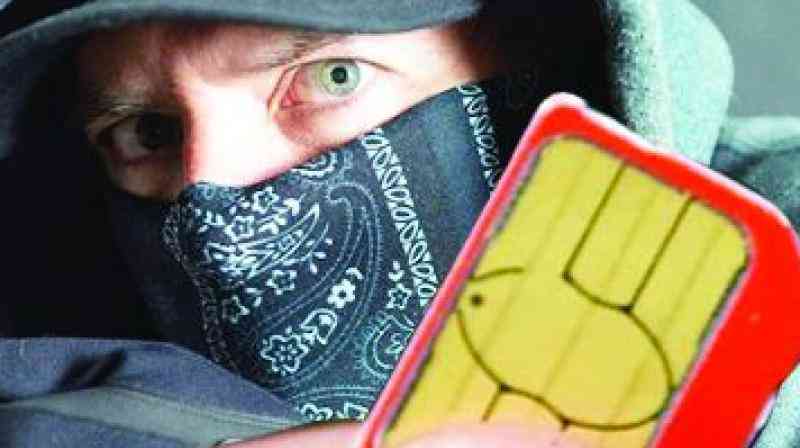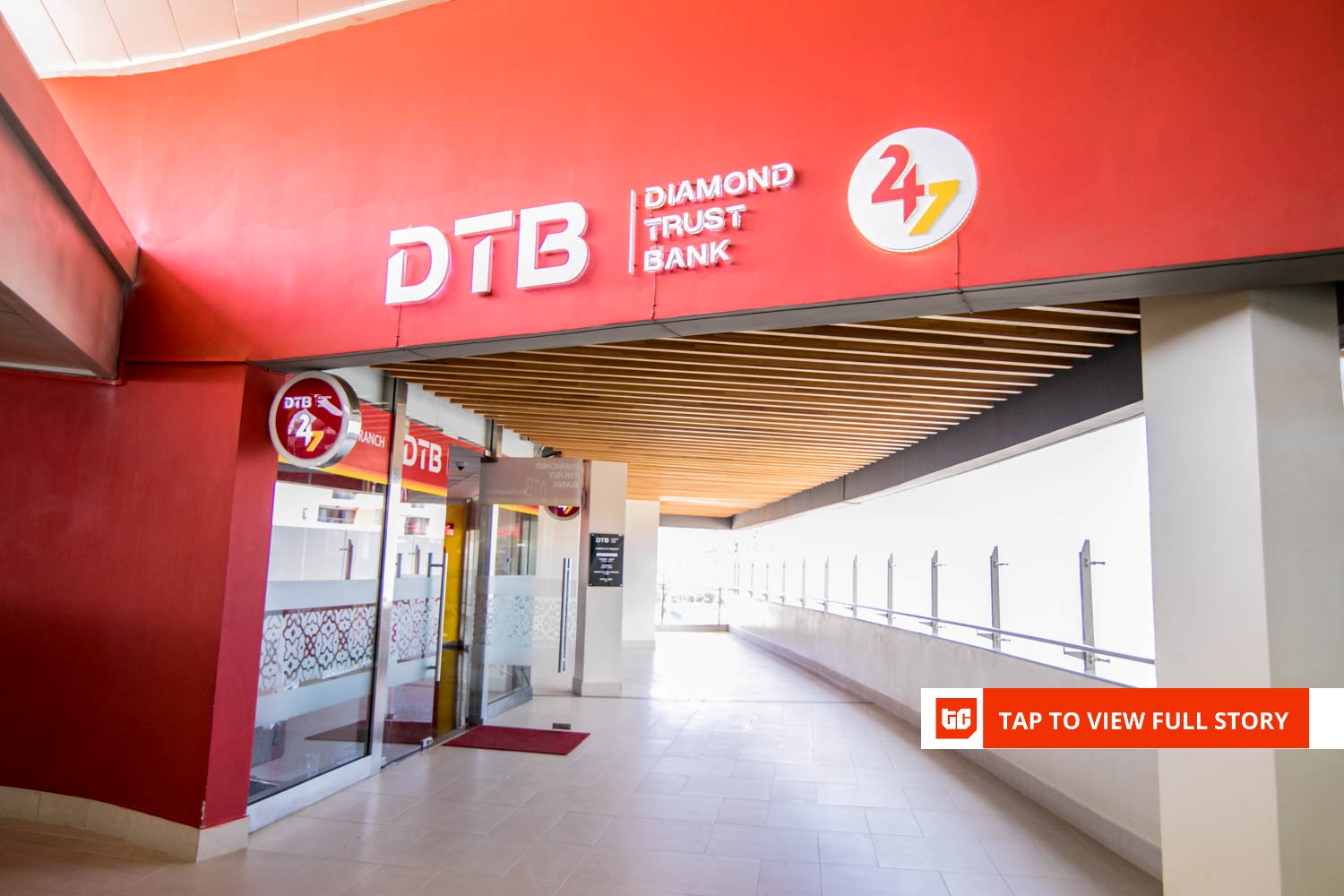
Mercy Wairimu Kariuki woke up on the morning of February 8, 2022, to a stream of alerts showing that KES 4.4 million ($34,000) had been withdrawn from her Diamond Trust Bank (DTB) account overnight, two days after fraudsters hijacked her phone line in a SIM swap she had already reported and believed had been resolved.
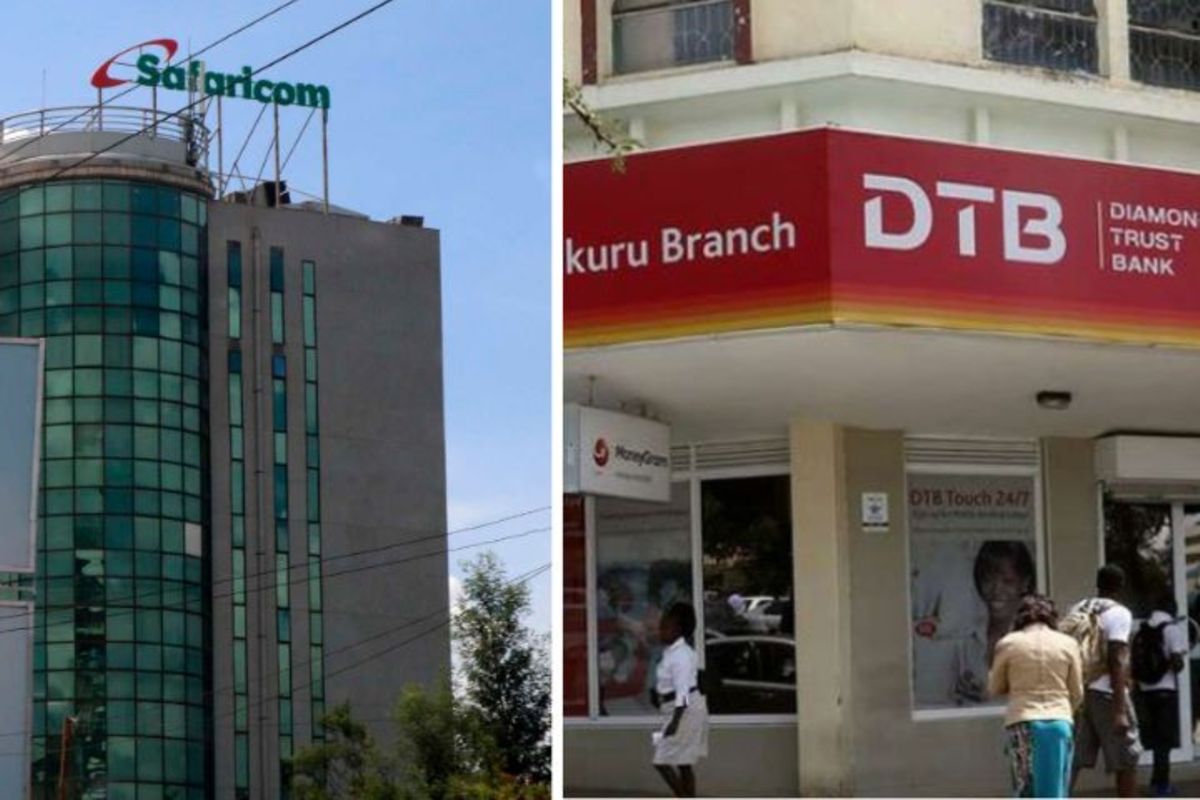
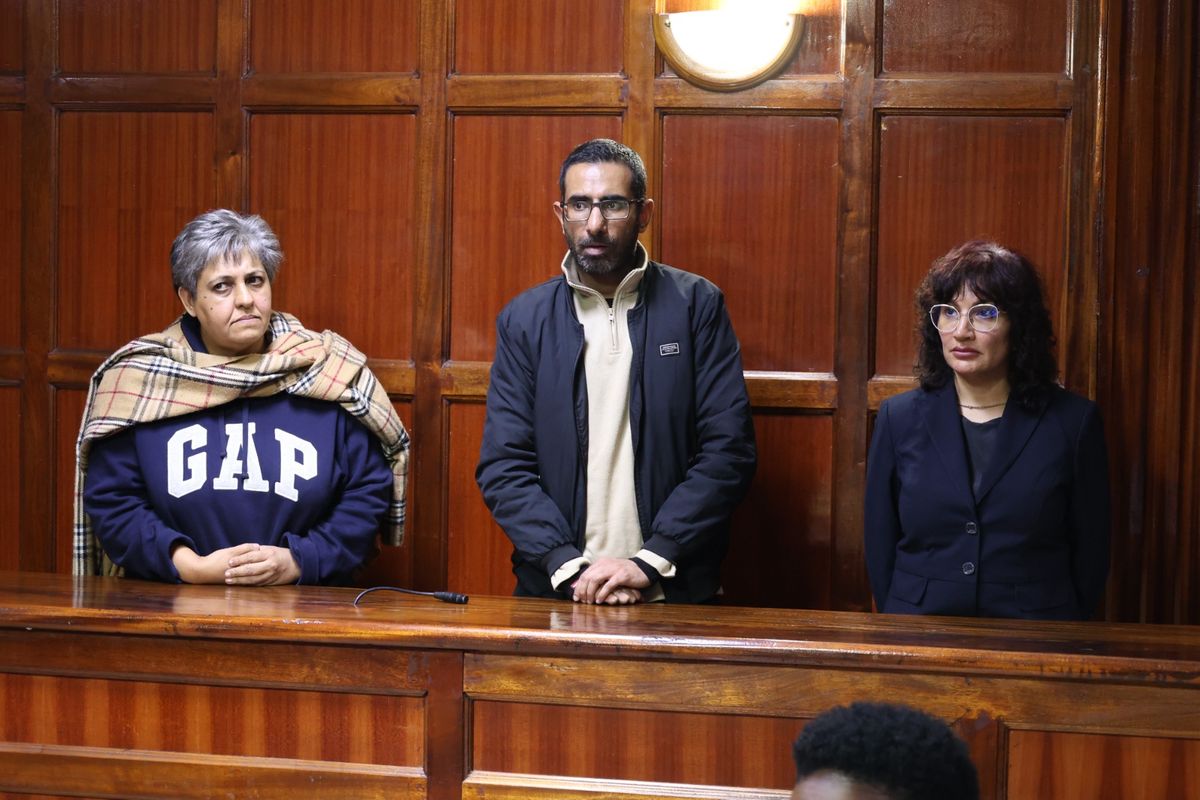
On June 18, Kenya’s High Court ruled that both Diamond Trust Bank and Safaricom bore responsibility for the theft, finding that separate failures by the lender and the telecom operator enabled the fraud to succeed. Justice Asenath Ongeri upheld a lower court’s decision to split liability between the two companies, rejecting arguments from both that the other’s failures broke the chain of responsibility.
The ruling raises the standard of care for banks and telecom operators handling SIM swap fraud, holding that each owes customers an independent duty to prevent foreseeable losses even when the fraud originates outside its own systems.
Ongeri upheld a chief magistrate’s court decision that split liability between DTB Kenya, the Nairobi Securities Exchange-listed lender, and Safaricom, the telecommunications company behind M-PESA, ordering the bank to pay Kariuki KES 1,788,601 ($13,800) and Safaricom KES 2,630,000 ($20,300).