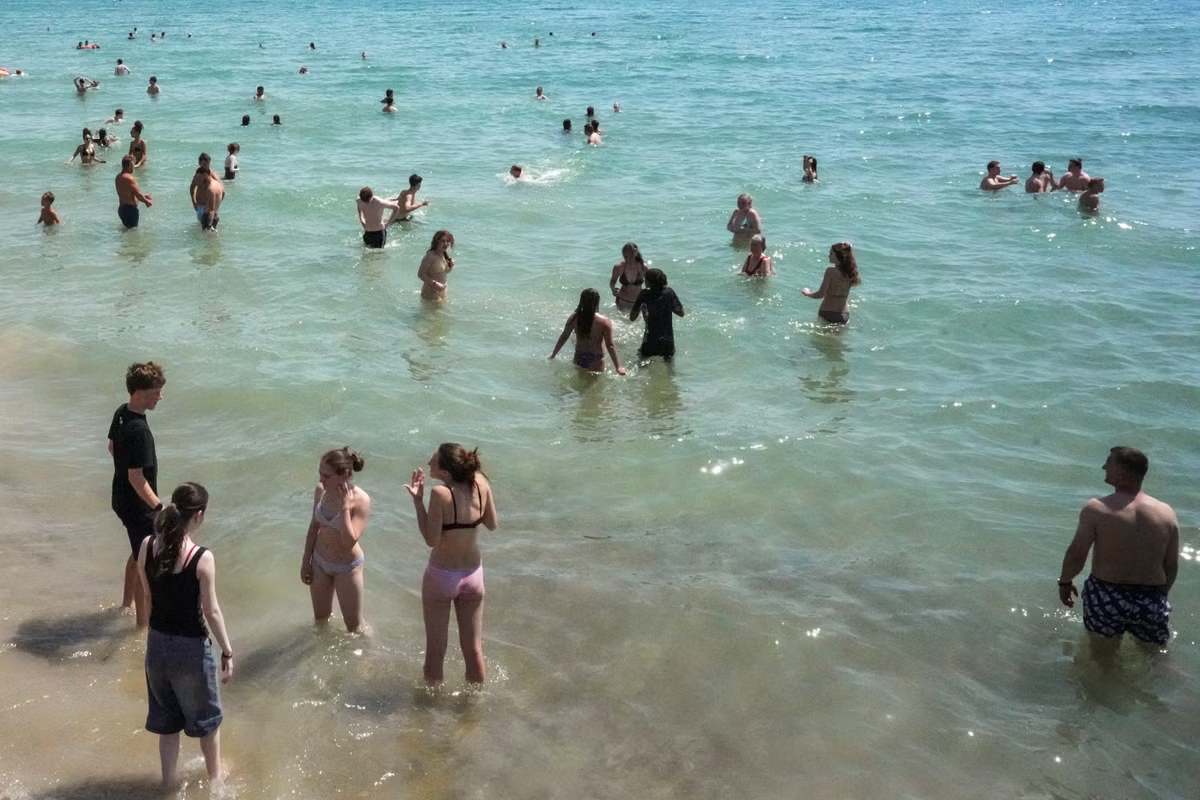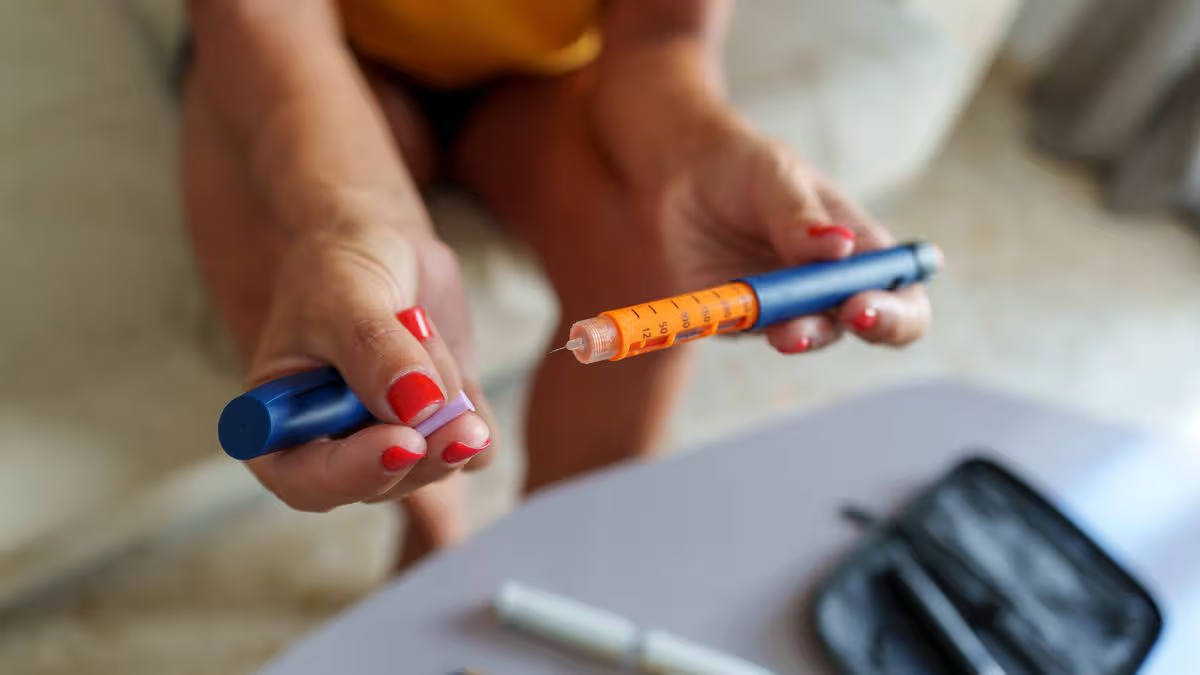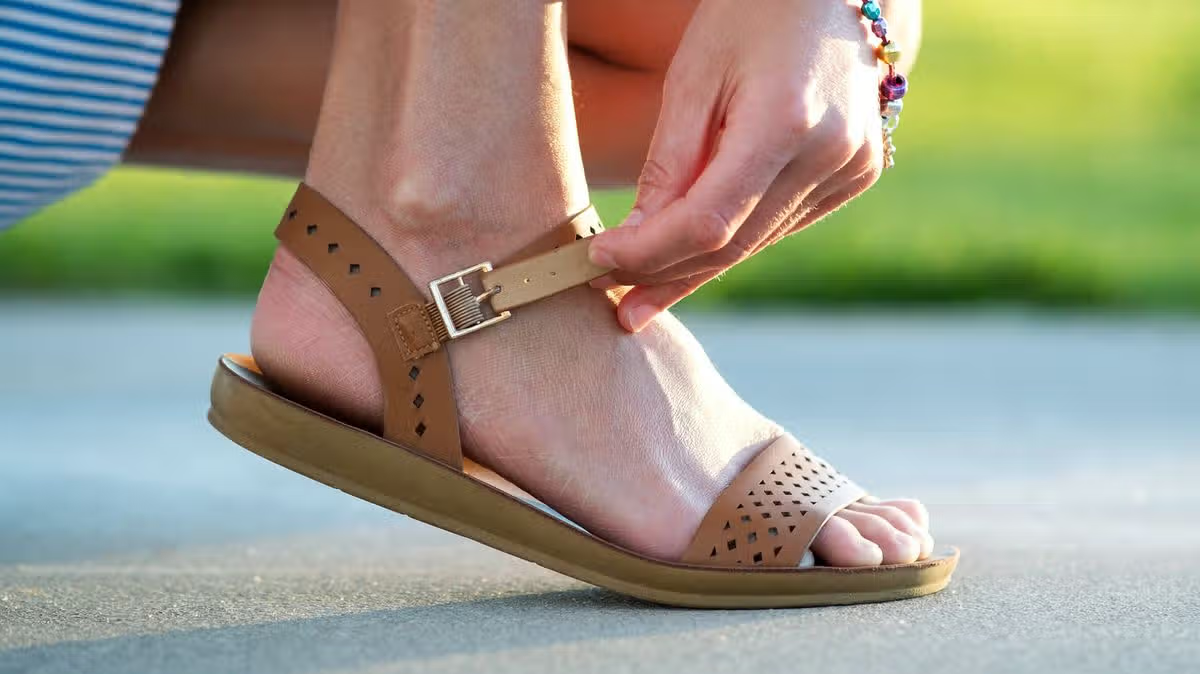
As the third heatwave of the year continues, and millions are expected to jet off abroad this summer, health experts have issued a 'shoe' warning14:34, 13 Jul 2026Updated 08:06, 14 Jul 2026People with common health conditions have been issued a warning as the hot summer weather continues. Many Brits are expected to head outdoors as the third heatwave of the year continues, and to travel abroad over the coming weeks as the peak travel season arrives. However, anyone diagnosed with diabetes is told to avoid certain shoes in the heat.Millions of people across the country are being treated for diabetes, as well as high cholesterol and high blood pressure. And in a fresh warning from health experts, patients are urged to take extra care of their feet this summer amid rising temperatures.Natasha Marsland, Senior Clinical Advisor at Diabetes UK, explains why people with diabetes can develop serious foot problems. She said: "If your blood sugar levels, blood pressure and cholesterol are consistently high, it can seriously damage the nerves in your feet and stop them working, so you might not feel when you’ve cut your foot or burned yourself."Damage to your feet creates an opening for bacteria and infection to get in. So common foot problems, such as a blister or a problem with a toe, can turn into a serious foot problem or infection if left untreated, and for some people this can lead to amputations."'Cure' for grey hair close, cancer mystery solved, living a couch potato lifestyle raises the risk of dying, and skimping sleep piles on weight. - all this and more in our science newsletterNatasha also explains why high temperatures can increase the risk of developing foot problems. "Some people living with diabetes experience foot swelling in hot weather, which makes their shoes fit tighter and may exert blister-causing pressure on the toes and heels," she warns. "Shoes that don’t fit well, even those that feel comfortable, can cause problems or make existing conditions worse."It's important to wear shoes that fit well and are comfortable. Good footwear helps prevent pressure that can restrict circulation, reduces strain on your heart when you walk, and motivates you to stay active to keep your health in check.With all this in mind, Natasha and the charity have issued key tips for those with diabetes to help mitigate these risks in the hot weather and on summer beach holidays, and generally be more vigilant about their feet.Check your footwear inside and out before putting them on.Choose socks made from breathable, moisture-wicking materials like bamboo.Avoid wearing 'flip-flop' type footwear, as this may cause blisters between your toes.If you have diabetes, it's highly advised to avoid wearing flip-flops. They don't provide arch support and leave your feet unprotected. For those with diabetes, even minor injuries can turn into severe ulcers or infections, so it's crucial to wear protective shoes.Natasha and Diabetes UK also advise moisturising feet every day using an emollient cream, ideally one with a urea base, to help keep your skin healthy. Another tip is to use sunscreen on the feet to reduce the risk of sunburn. Sunscreen should have a sun protection factor (SPF) of at least 30 and at least 4-star UVA protection.Avoid walking barefoot, even on the beach. The sand can become very hot, and you may burn your feet without realising it, so wear well-fitting sandals or shoes. Wear suitable protective footwear, such as plastic shoes or neoprene beach shoes with rubber soles, if you go paddling in the sea. The advice is part of a new collaborative guide by Diabetes UK and Gentle Grip, a retailer of specialist comfort socks.What is diabetes, its symptoms and causes?There are different types of diabetes. Type 1 diabetes is often diagnosed in childhood, but you can get it at any age. It cannot be prevented. People with type 2 diabetes are at higher risk due to ethnicity, age, or living with obesity or being overweight. It can sometimes be prevented or stopped with lifestyle changes and treatment.The most common symptoms of diabetes are:feeling thirsty all the timepeeing more than usualfeeling very tiredlosing weight without tryingThe NHS says: "Diabetes is caused by your body not making enough or any of a hormone called insulin, or the insulin not working properly (insulin resistance). Insulin helps your body use glucose (sugar) for energy. Without it, the level of glucose in your blood becomes too high."It's not possible to prevent type 1 diabetes because it's usually caused by a problem with your immune system (autoimmune condition). You may be more likely to get type 2 or gestational diabetes because of your weight, age, ethnicity, or if other people in your family have it."You can sometimes reduce your risk of getting type 2 and gestational diabetes by making lifestyle changes such as:Article continues beloweating a balanced dietexercising regularlymaintaining a healthy weight
'Footwear' warning for anyone with diabetes and high blood pressure
As the third heatwave of the year continues, and millions are expected to jet off abroad this summer, health experts have issued a 'shoe' warning
806 words~4 min read