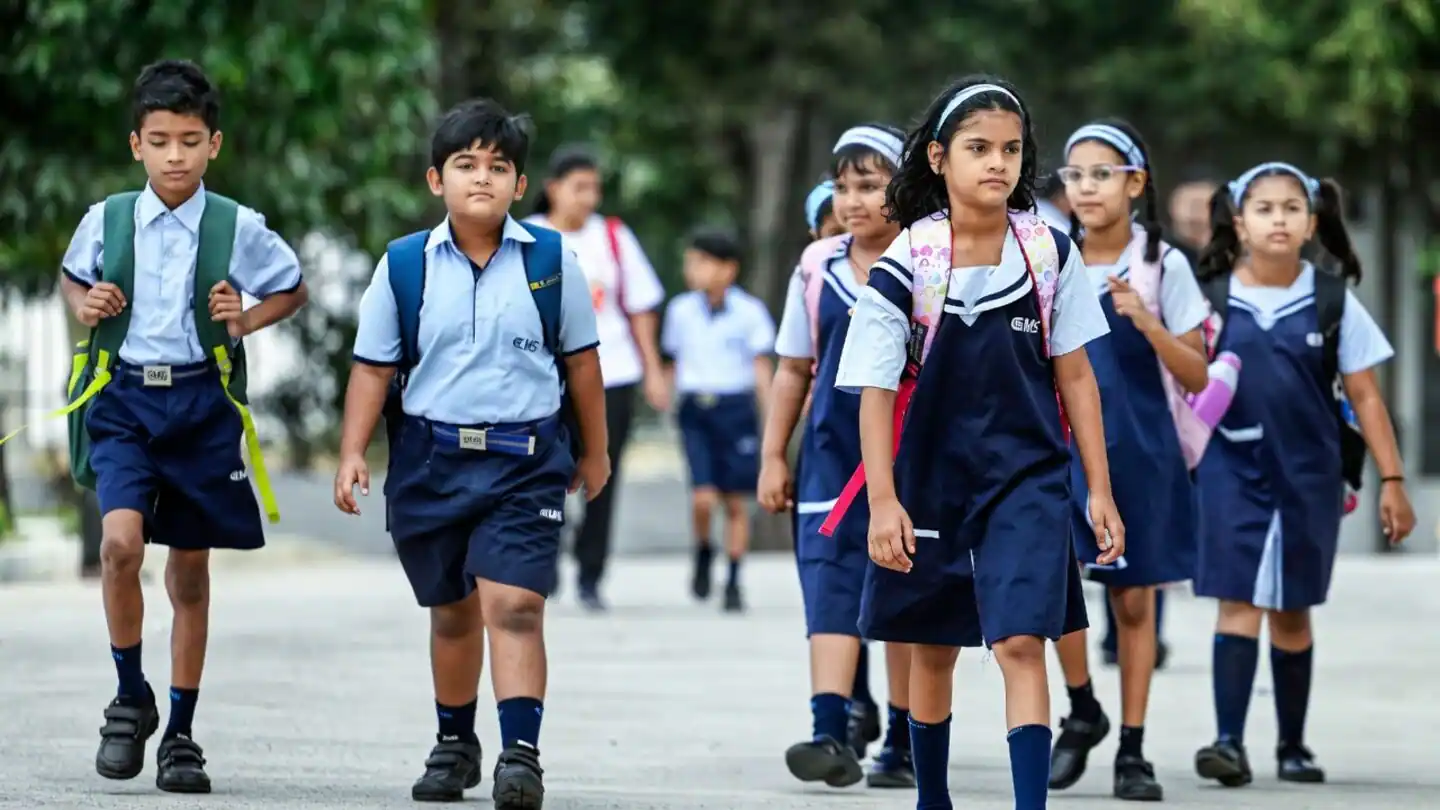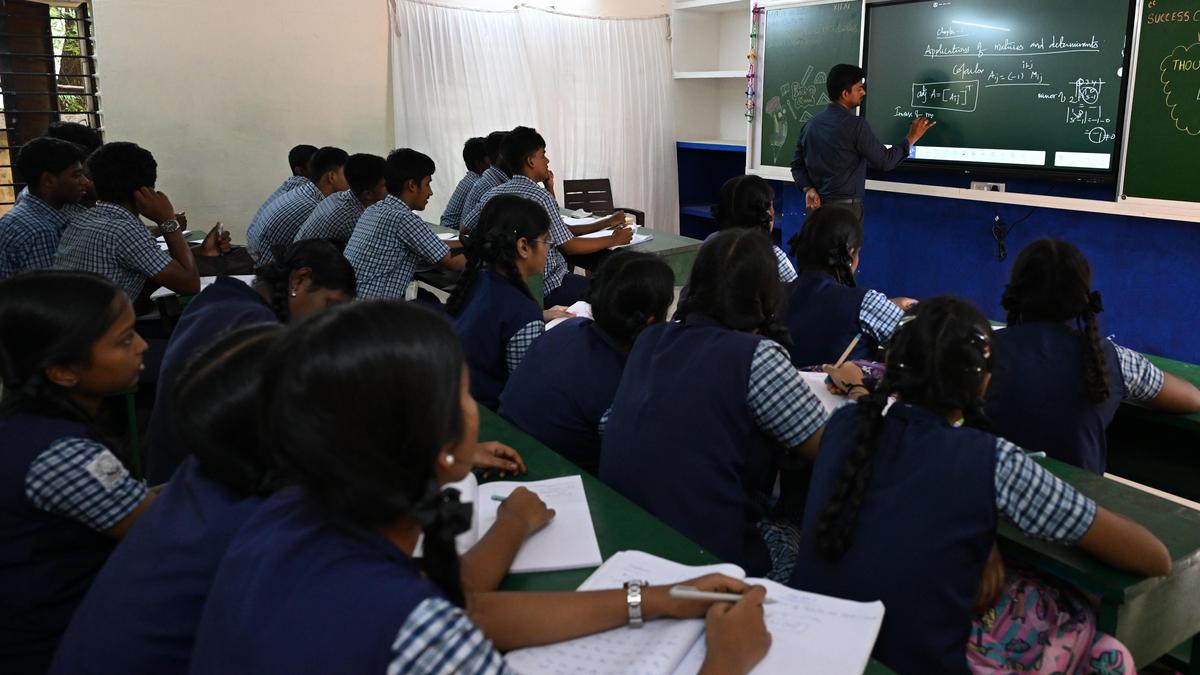
The data also show that thousands of students continue to study in single-teacher schools
| Photo Credit:
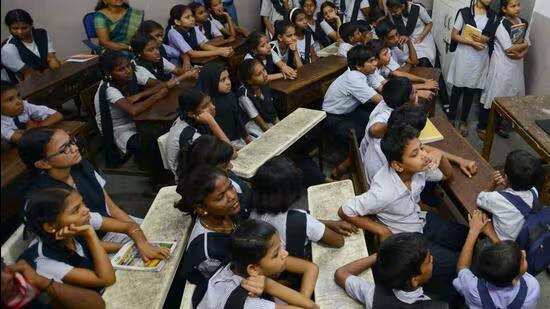
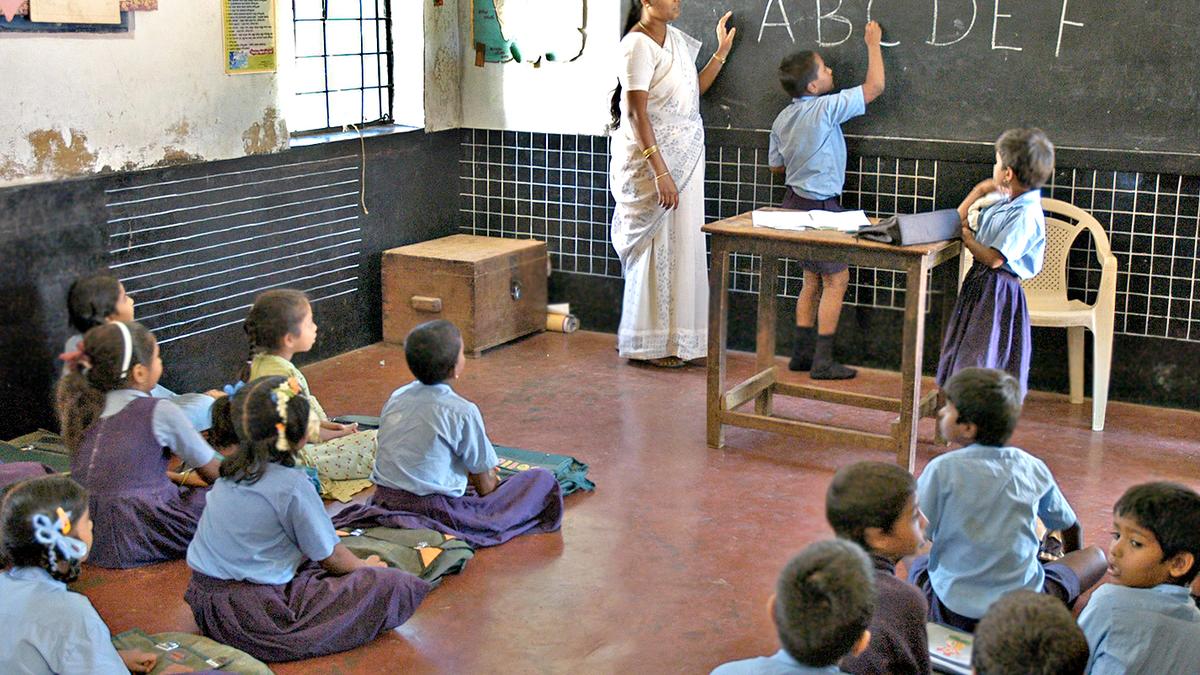
India’s school education system continues to face imbalances in teacher deployment, with thousands of schools operating either without students or with just a single teacher, according to the latest UDISE+ 2025-26 data.The UDISE+ data show that 5,663 schools across the listed States and Union Territories reported zero enrolment. A significant share of these — 4,133 schools were in West Bengal, where 19,502 teachers remain posted.Uttar Pradesh followed with 313 zero-enrolment schools, while Jammu & Kashmir (188), Chhattisgarh (149), Rajasthan (140), and Arunachal Pradesh (134) also reported schools without any enrolled students.However, the large number of schools with no students in West Bengal should be viewed in the context of differences in data reporting. According to the UDISE+ report, all States and UTs except West Bengal, directly upload school-level data to the UDISE+ portal. West Bengal continues to maintain its own Management Information System (MIS) and share its data with the national database through a bulk upload mechanism. The large numbers recorded by it could be due to difference in the manner of counting.States such as Jammu & Kashmir and Chhattisgarh which face geographical inaccessibility and dispersed populations, also featured among States with most number of schools with no students. “The presence of a large number of schools with no students should not be perceived as a policy failure but as a manifestation of several structural and demographic changes,” said Suresh Kalpathi, CEO, Veranda Learning, citing migration, changing settlement patterns and a growing preference for private schools, while noting that school rationalisation has not kept pace with these shifts.The data also show that thousands of students continue to study in single-teacher schools. Andhra Pradesh reported the highest number of such schools at 16,357, followed by Jharkhand (9,827), Maharashtra (9,269), Karnataka (8,042), and Uttar Pradesh (7,874).However, the burden on teachers was highest in Uttar Pradesh, where single-teacher schools recorded an average pupil-teacher ratio (PTR) of 61.6, followed by Jharkhand (44.8), West Bengal (33.9), and Assam (32.2) also recorded relatively high student loads,In contrast, Andhra Pradesh, despite having the largest number of single-teacher schools, reported much lower PTR of 14.2, highlighting how States face different challenges depending on school size and enrolment patterns.“These numbers point to different challenges rather than a single national issue. A high number of single-teacher schools often reflects geographical and infrastructure constraints, while a high pupil-teacher ratio indicates that teachers are managing larger classrooms with limited time for individual attention,” said Swaminathan Ganesan, Co-Founder and CEO, Smartail.Experts said real-time data and school mapping can help the government make better decisions on teacher transfers, recruitment, and resource allocation.Published on July 13, 2026