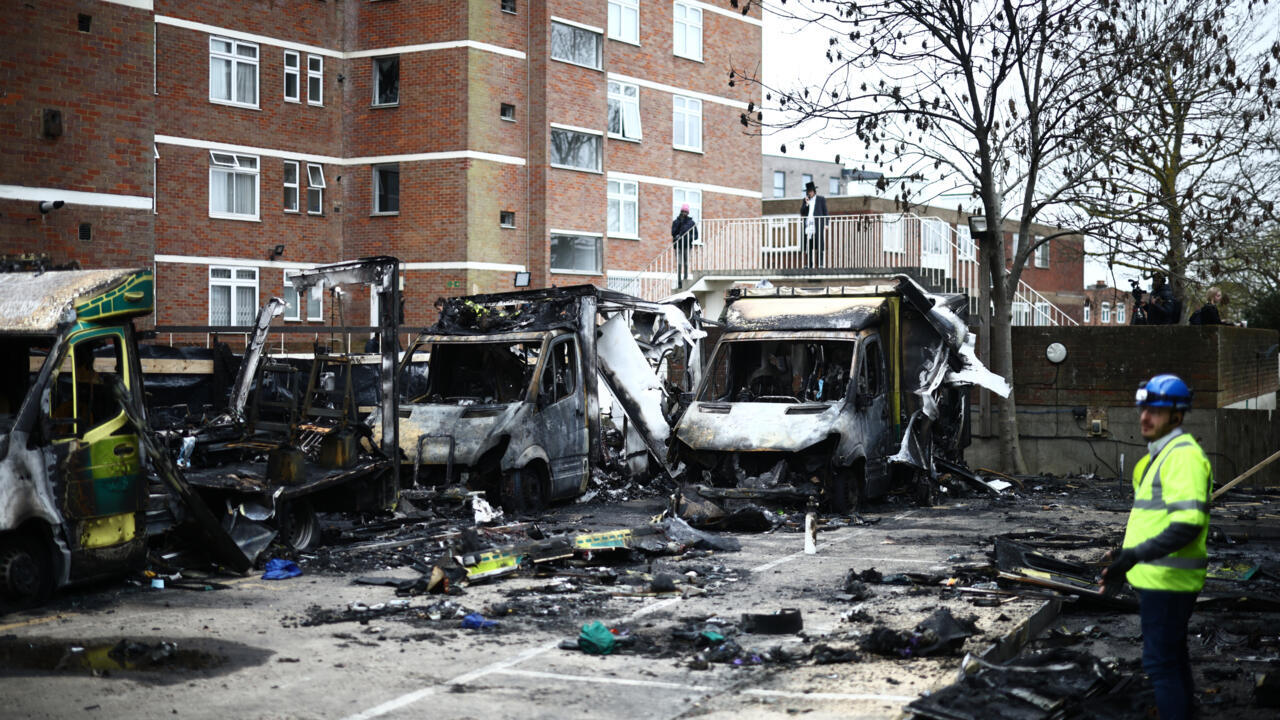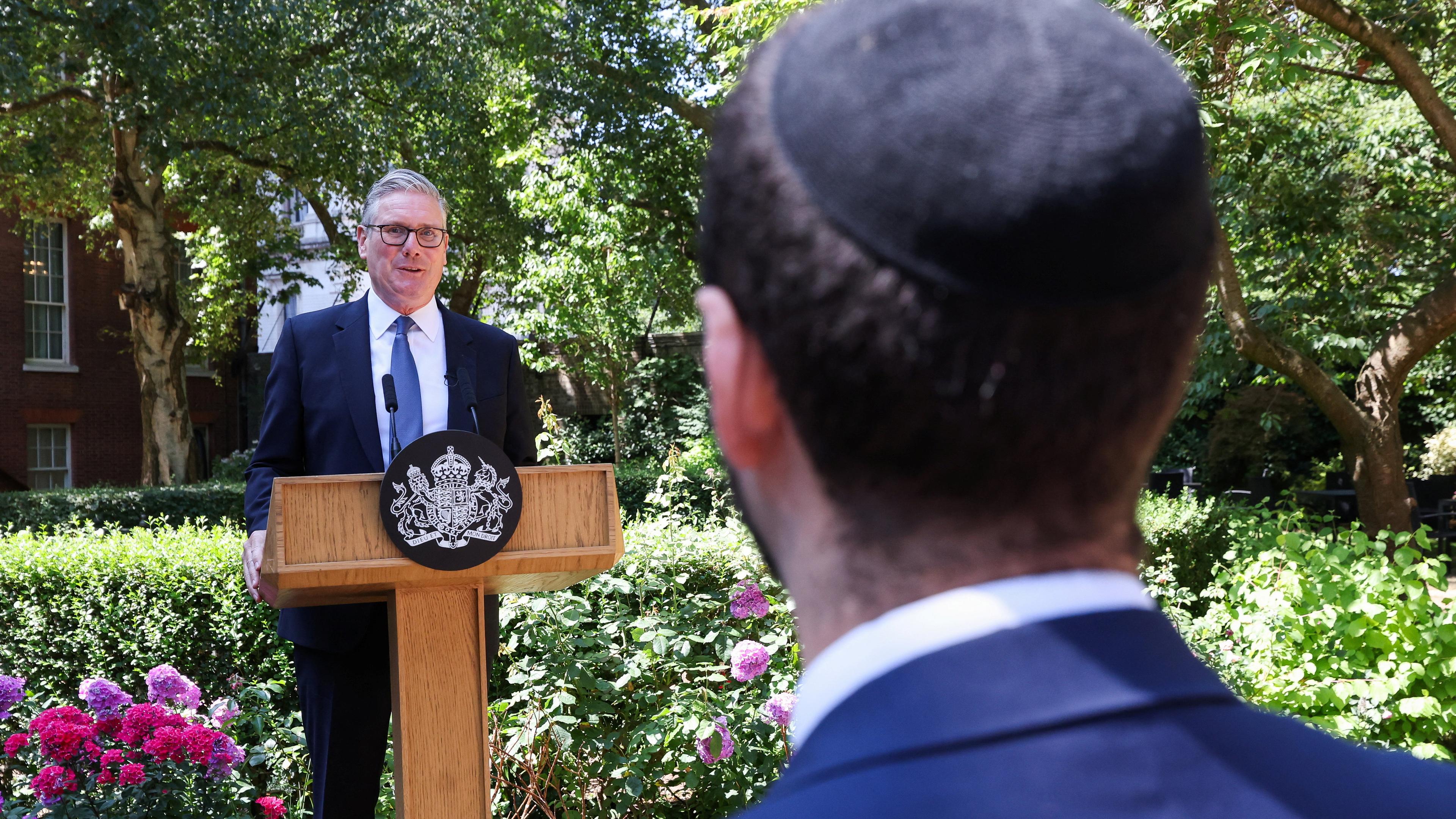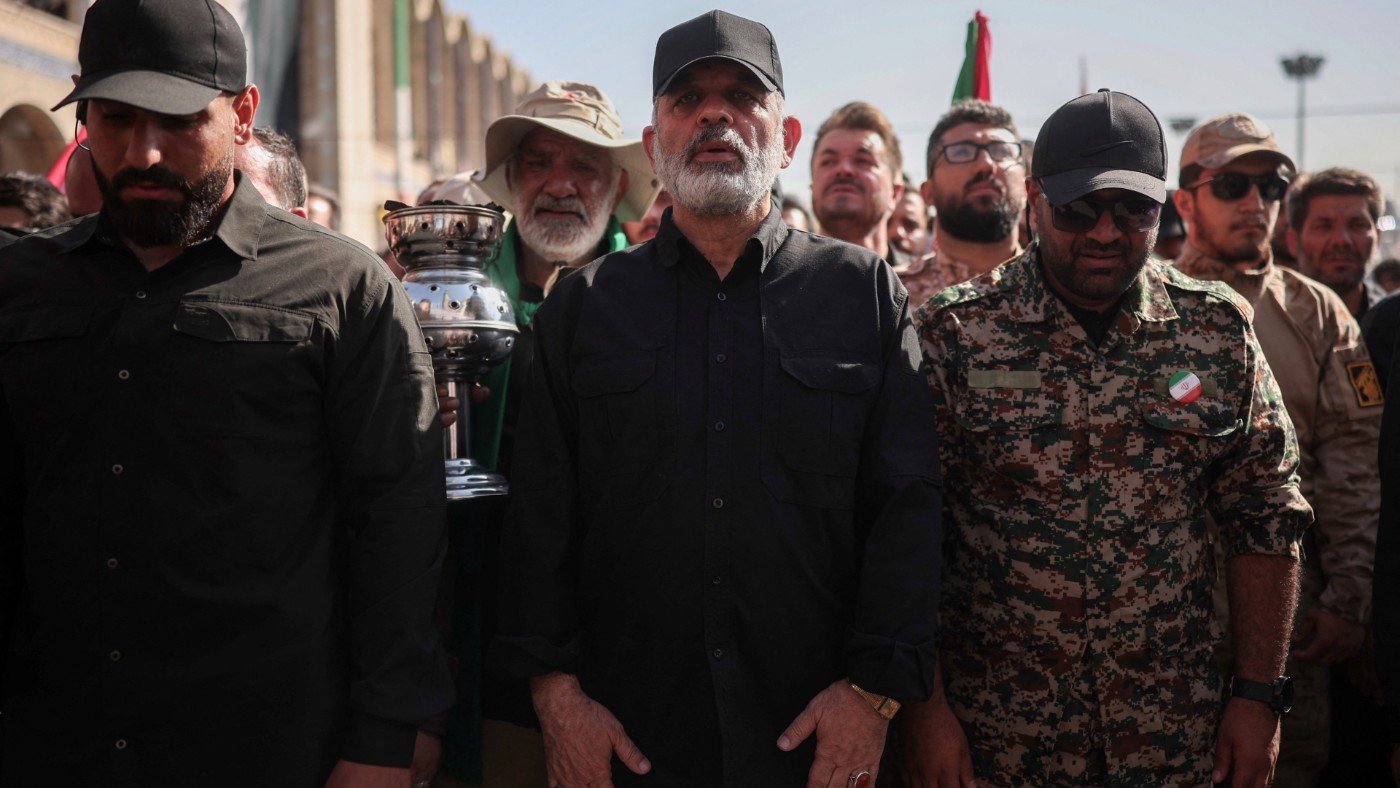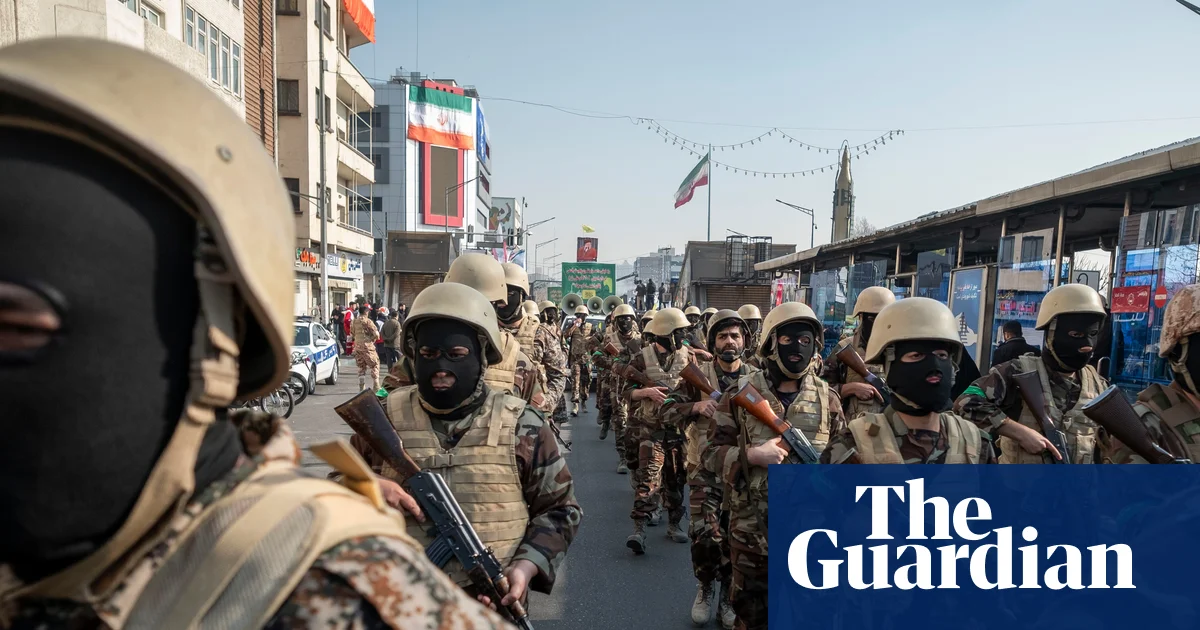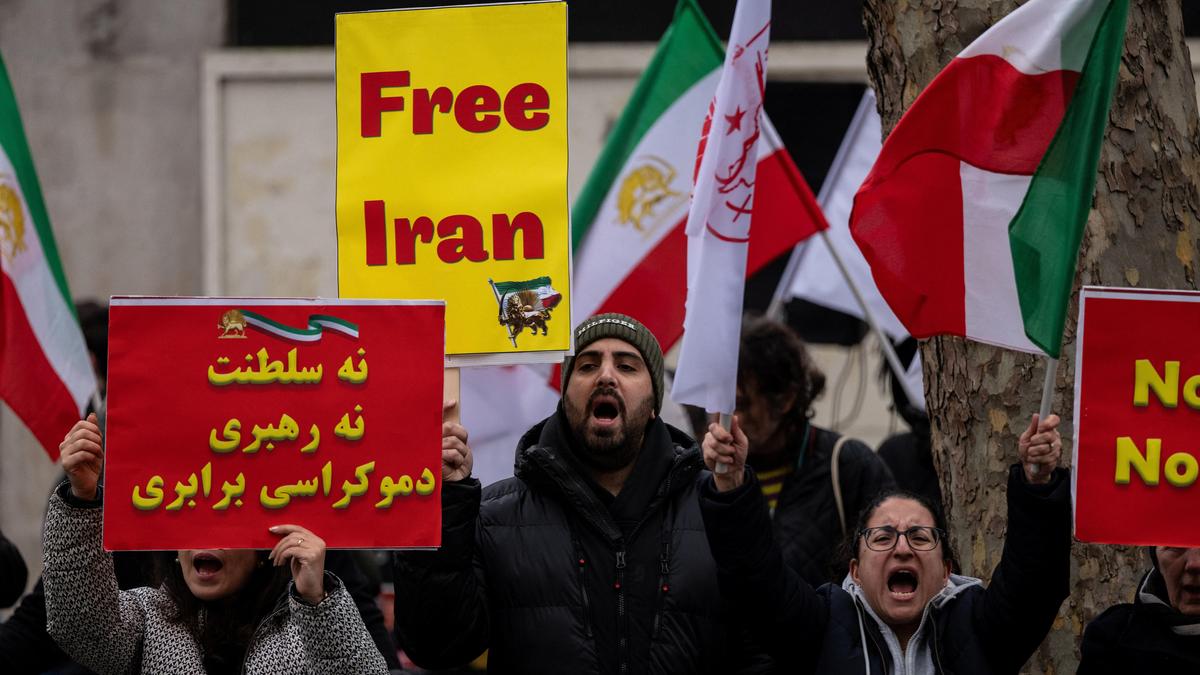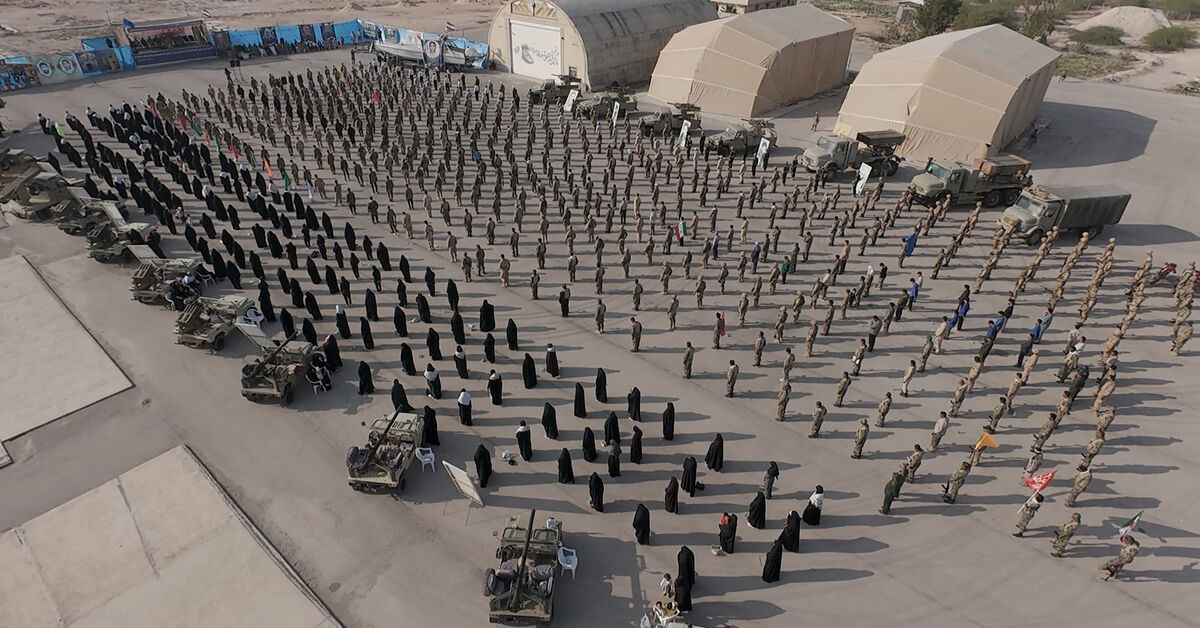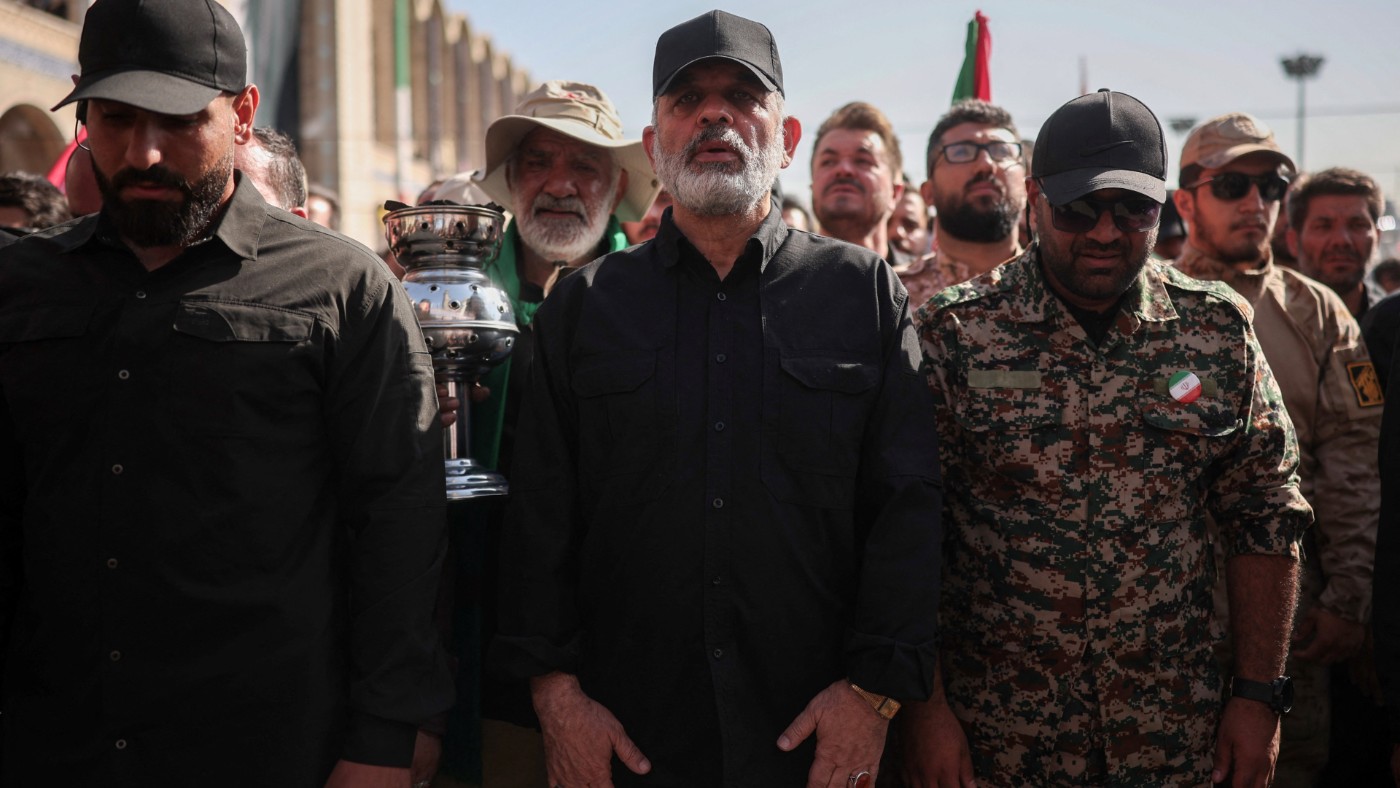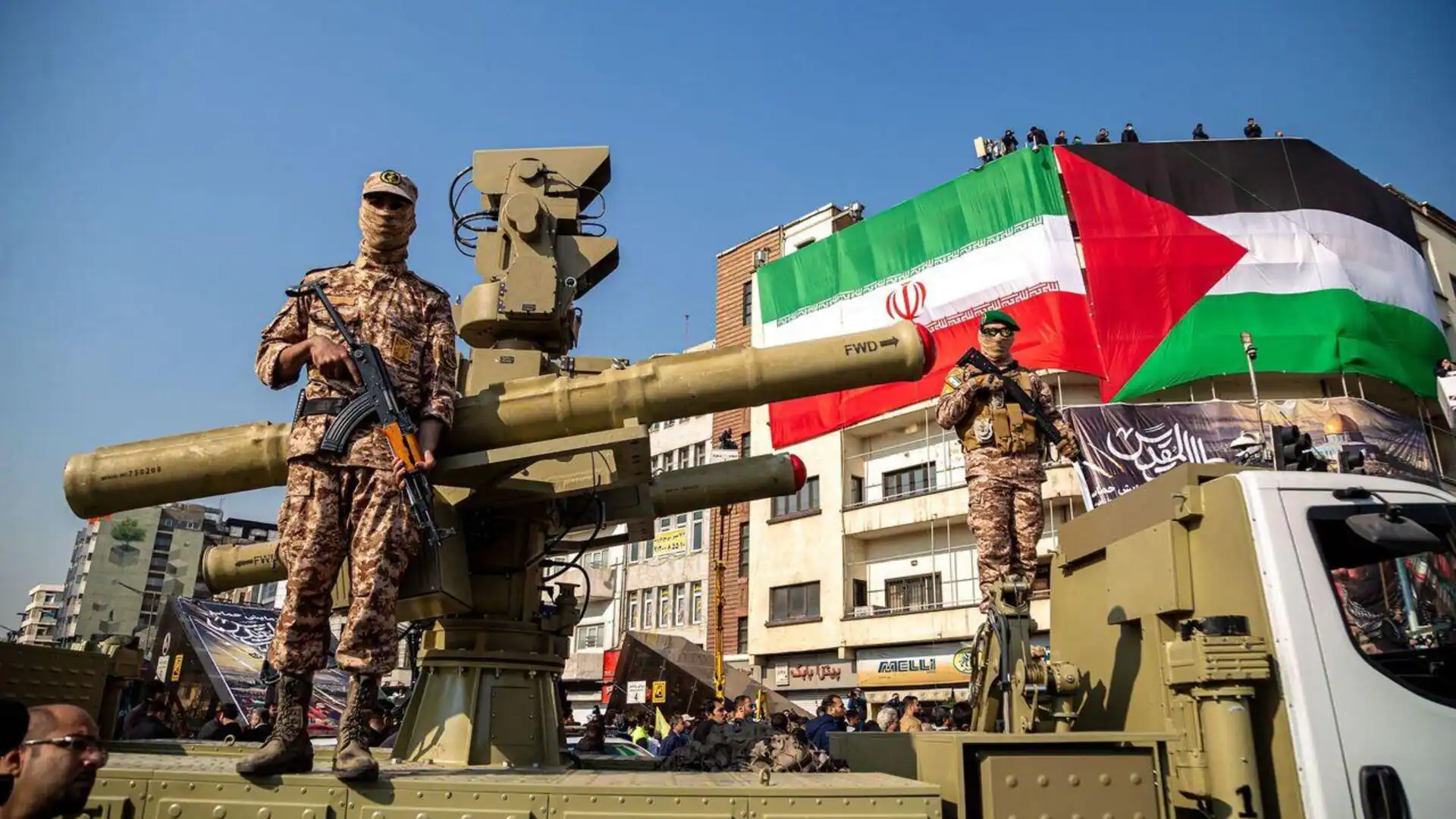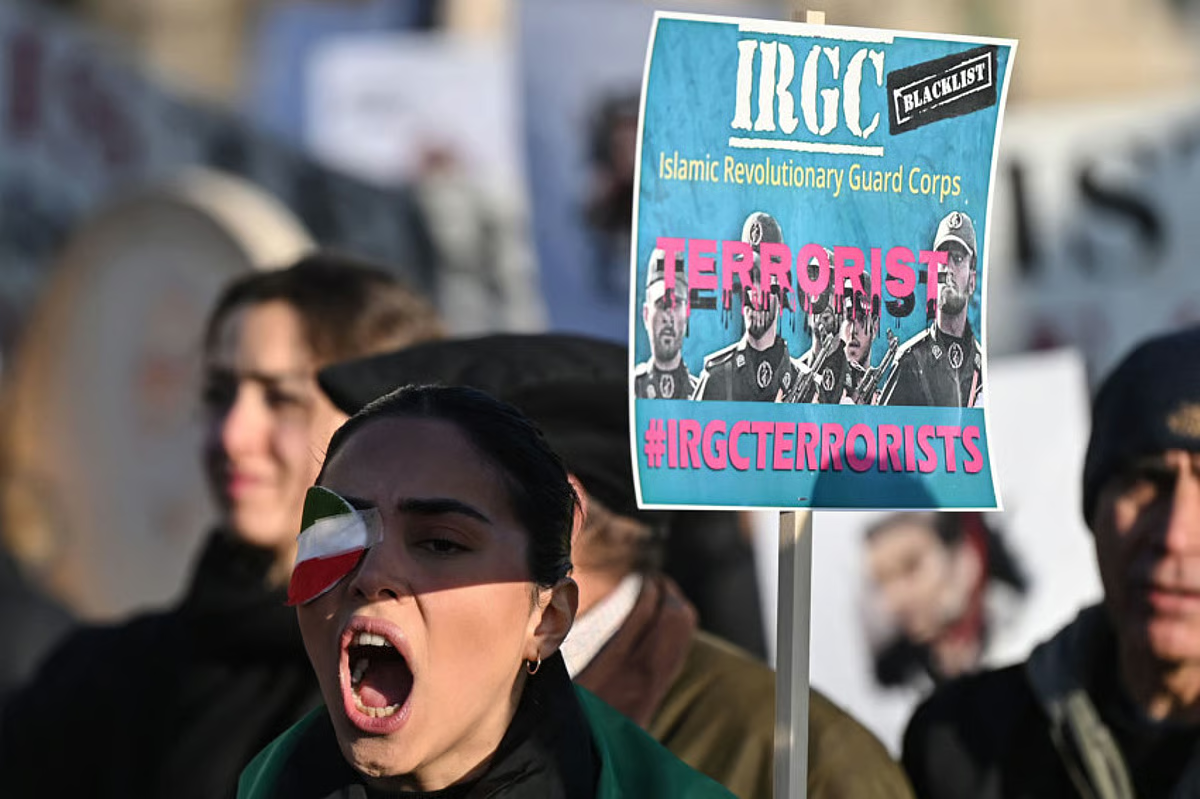
What the proposed law would change, why it matters and how it differs from a terror tagLast updated: July 13, 2026 | 17:193 MIN READProtesters hold placards at a march in central London against the Islamic revolutionary Guard Corps (IRGC).AFP fileDubai: Britain has unveiled plans for one of its toughest measures yet against Iran, proposing legislation that would ban the Islamic Revolutionary Guard Corps (IRGC) and make supporting the force a criminal offence punishable by up to 14 years in prison.Prime Minister Keir Starmer said legislation to be introduced in Parliament this week would make it a criminal offence to support or assist the IRGC, with offenders facing prison terms of up to 14 years. The move also targets the Islamic Movement of Companions of the Right (IMCR), an Iran-linked group accused of carrying out attacks on Jewish properties in London, as well as a Russian military proxy group. The decision marks a significant shift in Britain’s approach to Iran and places the UK alongside a growing number of countries that have formally designated or banned the IRGC.Why is the IRGC important?Created after Iran’s 1979 Islamic Revolution, the IRGC is separate from Iran’s regular armed forces and answers directly to Supreme Leader Mojtaba Khamenei.Beyond its military role, it oversees Iran’s ballistic missile programme, controls the elite Quds Force responsible for overseas operations and is widely believed by Western governments to support allied armed groups across the Middle East. It also has extensive influence over Iran’s economy through businesses involved in construction, energy, telecommunications and banking. Why has Britain acted now?The announcement follows a series of antisemitic attacks in Britain earlier this year, including arson attacks targeting synagogues, Jewish community ambulances and other Jewish sites.British authorities allege that the attacks were linked to the IMCR, which they say operates on behalf of Iran’s Quds Force.The Home Office also said the IRGC has been linked to threats against Iranian dissidents, journalists and Jewish communities on British soil. Last month, Britain joined 21 other countries, including the United States, in accusing the IRGC and the Quds Force of plotting against Iranian dissidents and Jewish communities overseas. Terrorist designation vs ban Although the terms are often used interchangeably, they are not always the same.Terrorist designationA terrorist designation formally classifies an organisation as a terrorist group under a country’s anti-terrorism laws.Such a designation typically means:Membership becomes a criminal offence. Providing funds or material support is illegal. Assets may be frozen. Recruiting for, or publicly supporting, the group can also become an offence. Britain’s proposed banBritain is taking a different legal route.Rather than adding the IRGC to its existing list of proscribed terrorist organisations under the Terrorism Act, the government is proposing new “proscription-like” powers aimed at foreign state-backed groups considered threats to national security.If Parliament approves the legislation:Supporting or assisting the IRGC could become a criminal offence carrying up to 14 years in prison. Prosecutors would no longer have to prove a direct foreign-state connection in every case. The law would target activities such as espionage, foreign interference, sabotage and other state-backed threats. In other words, Britain is proposing to ban the IRGC under a new national security framework, rather than simply adding it to its existing list of terrorist organisations.What changes under the new law?Unlike previous sanctions, the legislation creates “proscription-like” powers that allow Britain to treat state-backed organisations in much the same way as terrorist groups.Anyone found supporting, assisting or working on behalf of the IRGC could face criminal prosecution and lengthy prison sentences.The new powers also make it easier for prosecutors because they no longer have to prove a direct foreign-state connection in every case involving designated organisations. The legislation still requires parliamentary approval before taking effect.A Senior Associate Editor with more than 30 years in the media, Stephen N.R. curates, edits and publishes impactful stories for Gulf News — both in print and online — focusing on Middle East politics, student issues and explainers on global topics.
Why Britain’s planned IRGC ban marks a major shift
Britain’s planned IRGC ban signals a major shift in UK policy on Iran, introducing tough new national security powers and criminal penalties for supporters.
724 words~3 min read