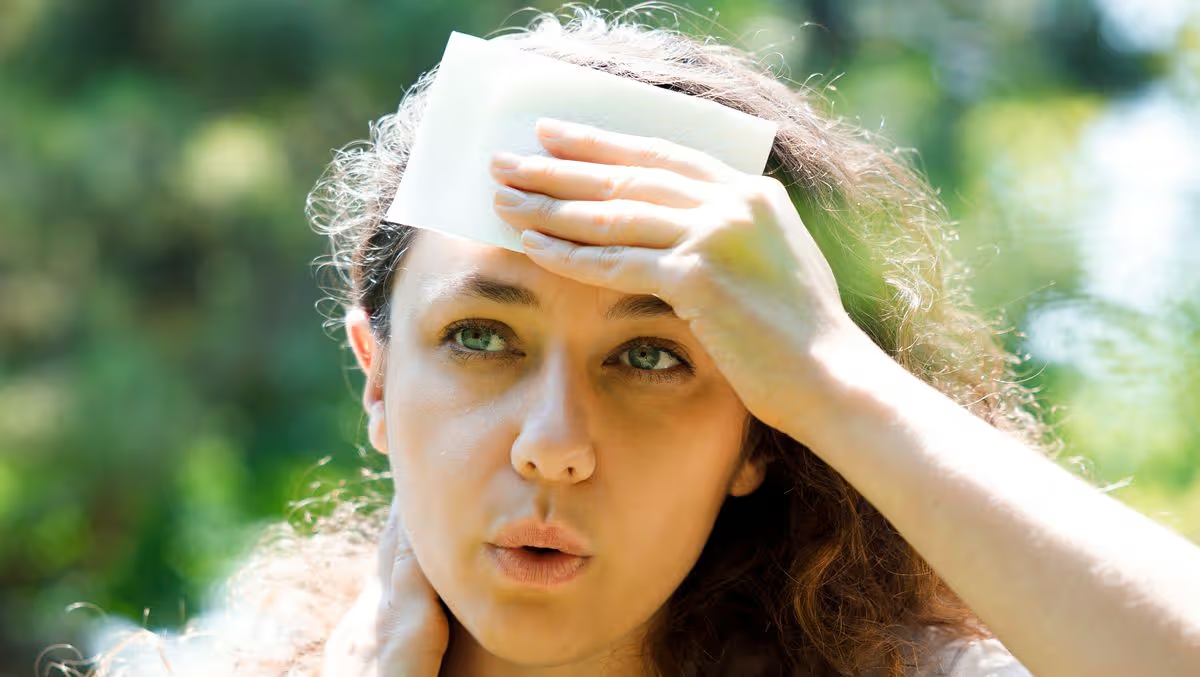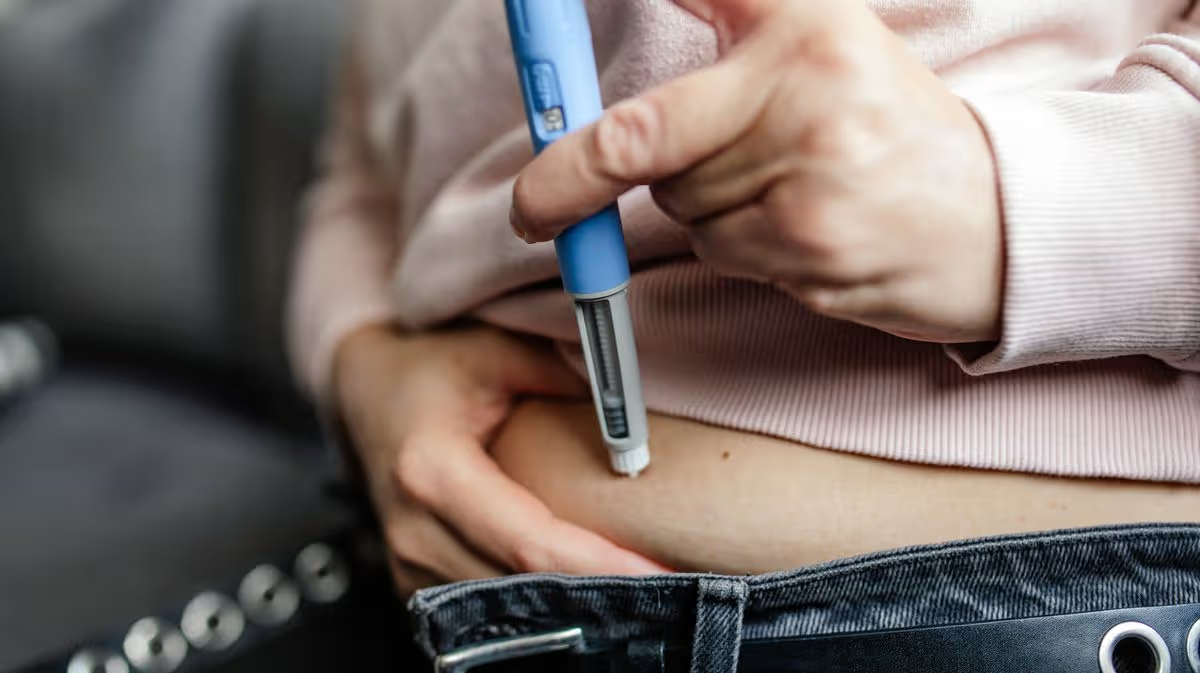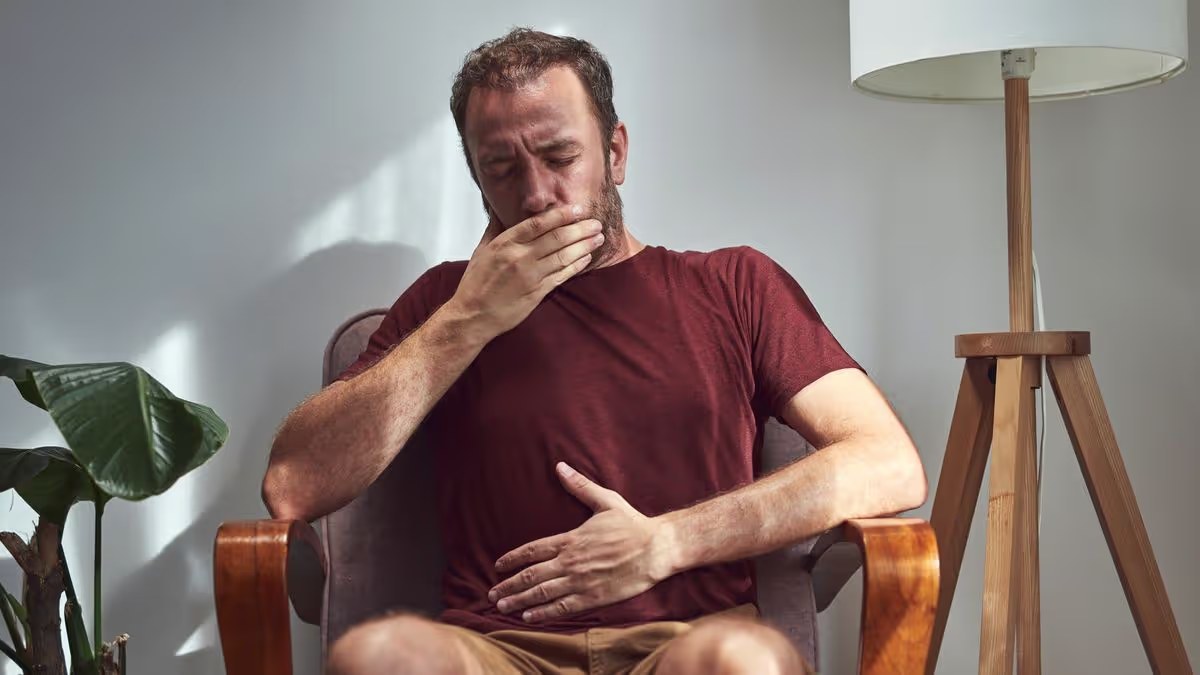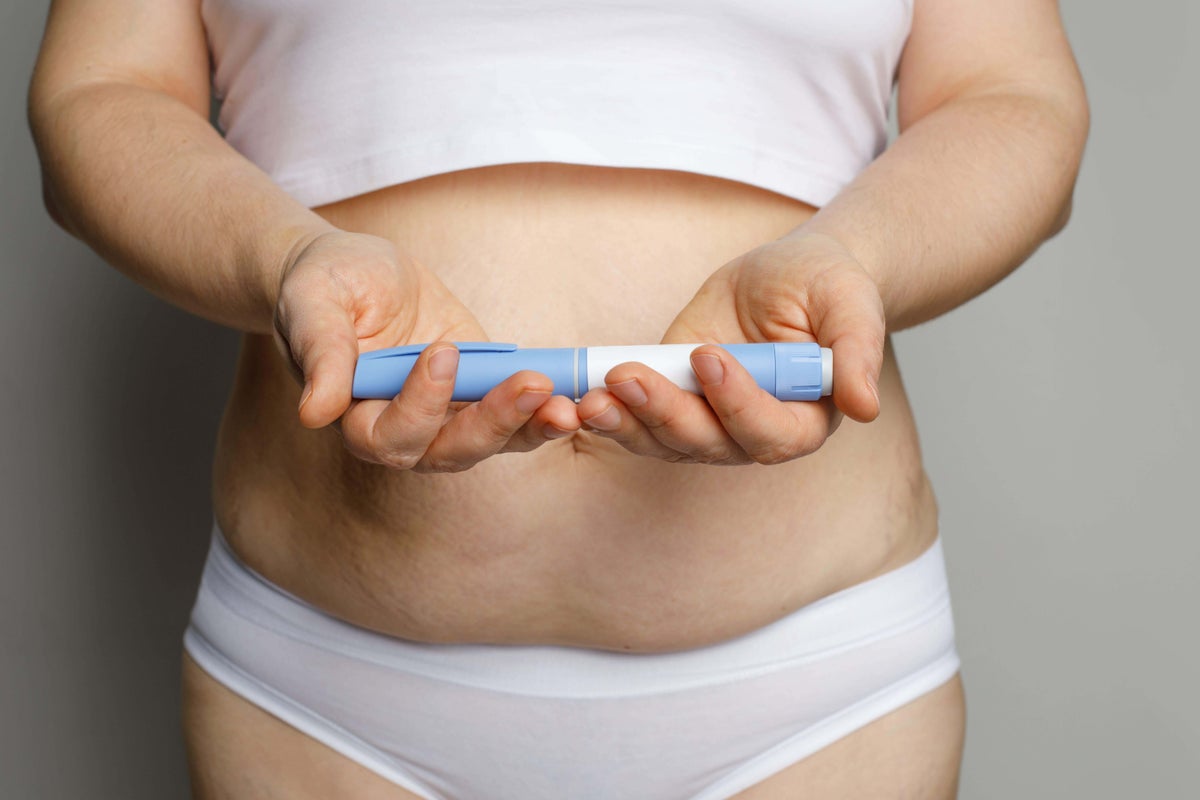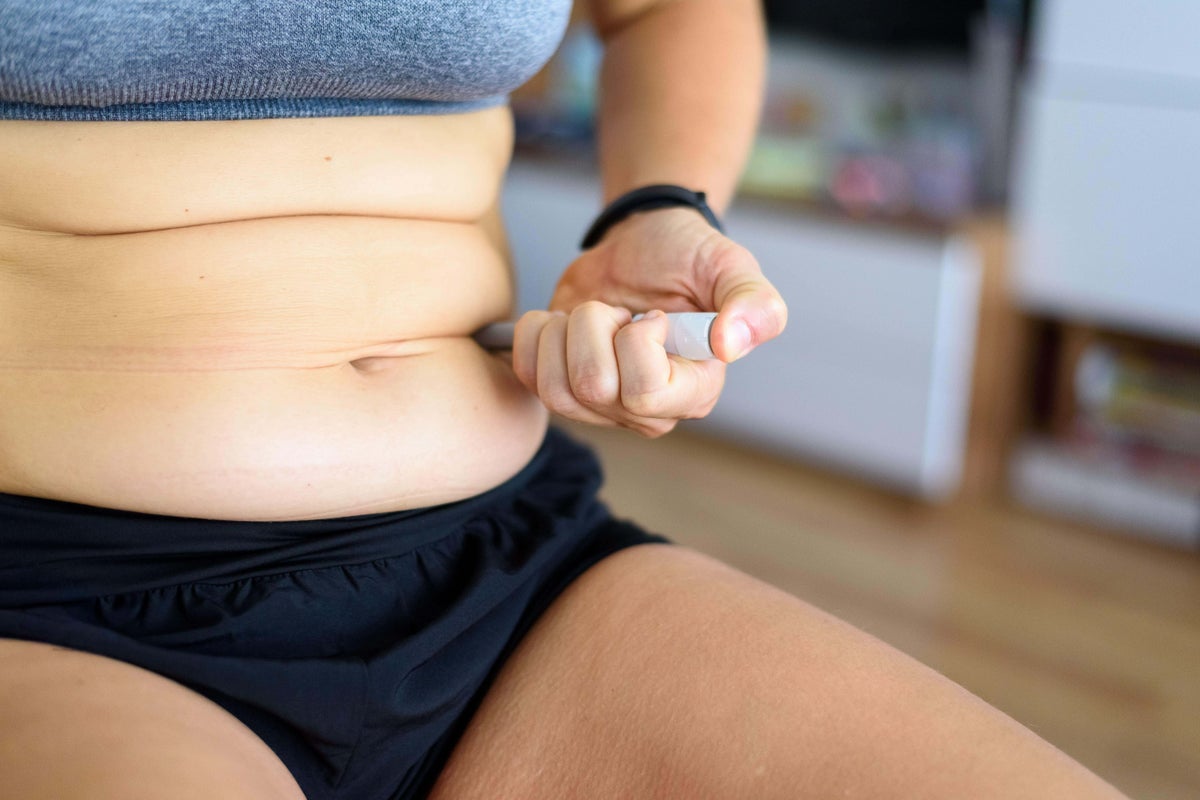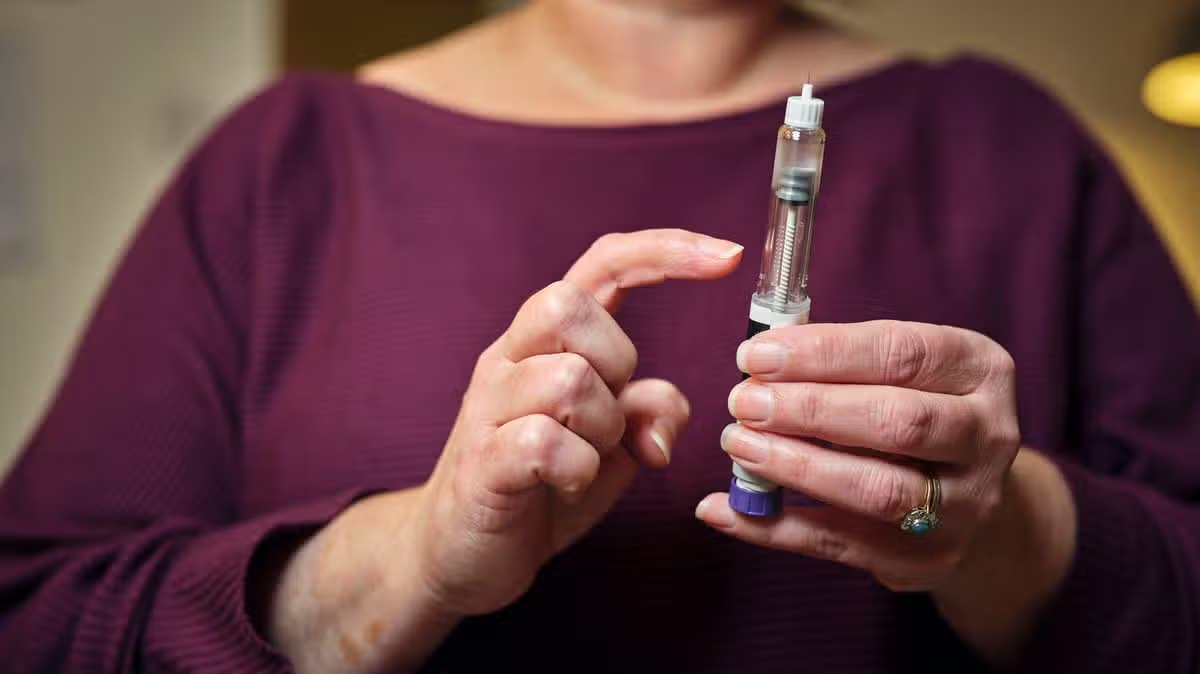
Millions of weight loss jab users have been issued an important heatwave warning13:58, 13 Jul 2026People prescribed weight-loss GLP-1 jabs have been issued a fresh warning by a health specialist. It comes as the UK faces one of its hottest summers so far, with the nation facing its third heatwave of the year, and the Met Office is forecasting more "heat to come".The weather agency's latest outlook says the current heatwave "continues," with little rain in the forecast. It adds: "High pressure remains dominant, bringing another week of mostly dry, sunny and very warm conditions for many, though a slight downturn in temperatures is likely by the weekend."On Monday, conditions will remain very warm or hot for southern and western areas, with temperatures reaching 31°C in the southwest, and 28°C in Wales. However, the east and northeast coast will feel cooler with breezy." Meteorologist Honor Criswick also said: "For the time being it looks like the heatwave is set to continue, but depending on where you are, there may be a brief respite in the heat to come." Yellow heat-health alerts are also in place across all regions of England except the North East and Yorkshire and the Humber regions.With the UK expected to experience more hot weather throughout the rest of the summer, health experts are urging people to drink water regularly, especially if they are taking certain medications. Pharmacists at Chemist4U are warning an estimated two million people taking weight loss jabs not to rely on thirst as a signal to drink during this coming heatwave.Dehydration is an issue during heatwaves; GLP-1 users are at increased risk, as its common side effects can leave your body short of water long before you feel like reaching for more. If you’re eating less, you’ll be taking in less water from your food, too.Jason Murphy, Head of Pharmacy at Chemist4U, has warned jab users of side effects that can worsen in heat and how they can stay safe when hot weather hits. "There are an estimated two million people on weight loss medications; they’re helping a lot of people in managing their weight, but that’s also two million people at risk of dehydration," he said."These medications can change how your body tells you it needs food and water. They work by mimicking a natural gut hormone that targets both the brain and gut, sending signals to your brain that you’re full and delaying how quickly your stomach empties. However, hunger cues and thirst cues work in similar ways. On top of that, if you're eating less, you're getting less water from your food too."That matters much more in hot weather. If you're relying on thirst to tell you when to drink, you may already be behind. So the key is to build drinking into your day, a glass of water with each meal, and regular sips in between, rather than waiting to feel thirsty. Try to remember to keep a water bottle with you wherever you go; if you can see it, you’re more likely to drink it."He added: "Be extra careful if the medicine has been upsetting your stomach. If you've been feeling sick, been sick, or had diarrhoea, your body loses fluid quickly, and in the heat it has a compounding effect. A rehydration sachet can help you top up more than water alone, but if you’re not seeing any improvement or symptoms worsen, make sure to speak to a medical professional".GLP-1 weight-loss injections are prescription drugs that mimic natural hormones in the gut to help control hunger, slow digestion, and reduce cravings. Initially created to treat type 2 diabetes, drugs such as Wegovy (semaglutide) and Mounjaro (tirzepatide) have proven to be very effective in treating clinical obesity and health issues related to weight.How to stay ahead of dehydration when taking weight loss jabs in hot weatherDon't wait until you feel thirsty. When taking these medicines, Jason Murphy warns that the signal can come "late". He advises following a routine for drinking water, not going by how you feel. "Try linking it to things you already do, like having a glass of water when you wake up, before each meal and before bed," he said. "Setting a couple of phone reminders throughout the day can help, too."Aim for six to eight glasses of fluid a day, and even more when it's hot. Jason Murphy says: "This is the general daily amount we'd suggest for most adults, but you'll need more when it's warm because you lose water through sweat. It matters even more on these medicines: if you're eating less, you're also getting less water from your food, so what you drink has to make up the difference. Water is best, but lower-sugar squash, milk and herbal teas all count towards your total if you find yourself struggling."Keep water in sight. Keep a water bottle where you can see it, Jason Murphy recommends. When your body's own thirst signal is turned down, it helps to have a reminder you can actually see. Keep a bottle on your desk, in your bag, or in the car. A bottle with amount markers up the side can be a simple way to check you're on track through the day, without having to think about it too much, he said.Replace salts, not just water. "If your stomach has been upset, use a rehydration sachet to replace lost salts and water, not just plain water", Jason Murphy said. "Feeling sick, being sick, or having diarrhoea are known side effects of these medicines, and they make your body lose fluid fast, along with important salts called electrolytes. Plain water alone won't fully replace those salts. A rehydration sachet from your pharmacy is made to put both back. If you can't keep fluids down at all, or it carries on for more than a day, speak to your pharmacist or call 111."Watch what's on your plate and in your glass. Adjust your diet to cut down on things that dry you out, like very salty foods, alcohol and lots of caffeine. Alcohol makes your body lose more water, so it's worth going easy on it in the heat. Very salty foods, like crisps and cured meats, make your body need even more water to balance them out.Jason Murphy added: "Large amounts of caffeine, such as several strong coffees or energy drinks, can have a mild effect too, though a normal cup or two is fine for most people. Swapping in water-rich foods like cucumber, melon and strawberries is an easy way to help top up your fluids at the same time."Warning signs your body may be short of fluidCheck your urineNotice how you feelLook for the dry signsDark yellow, strong-smelling wee, or going less often than usual, is one of the clearest signs to watch for. Well-hydrated wee is usually pale, like the colour of straw. If yours is dark yellow, has a strong smell, or you're going less often than usual, it's a sign to start drinking more.Article continues belowIf you feel dizzy, lightheaded, or unusually tired in the heat, it is a sign your body is low on fluids and that you need to drink more. A dry mouth, dry lips, or a headache are among the earliest signs that your body is running low on fluids, so it's worth topping up before things get worse.When to get helpJason Murphy says: "If you feel very dizzy or confused, or you're passing very little or no wee, don't wait; speak to a pharmacist or call 111. Lasting dehydration can put a strain on your kidneys, so it's always better to get checked."
Weight loss jab 'water' warning as users told side effect may worsen
Millions of weight loss jab users have been issued an important heatwave warning
1,267 words~6 min read