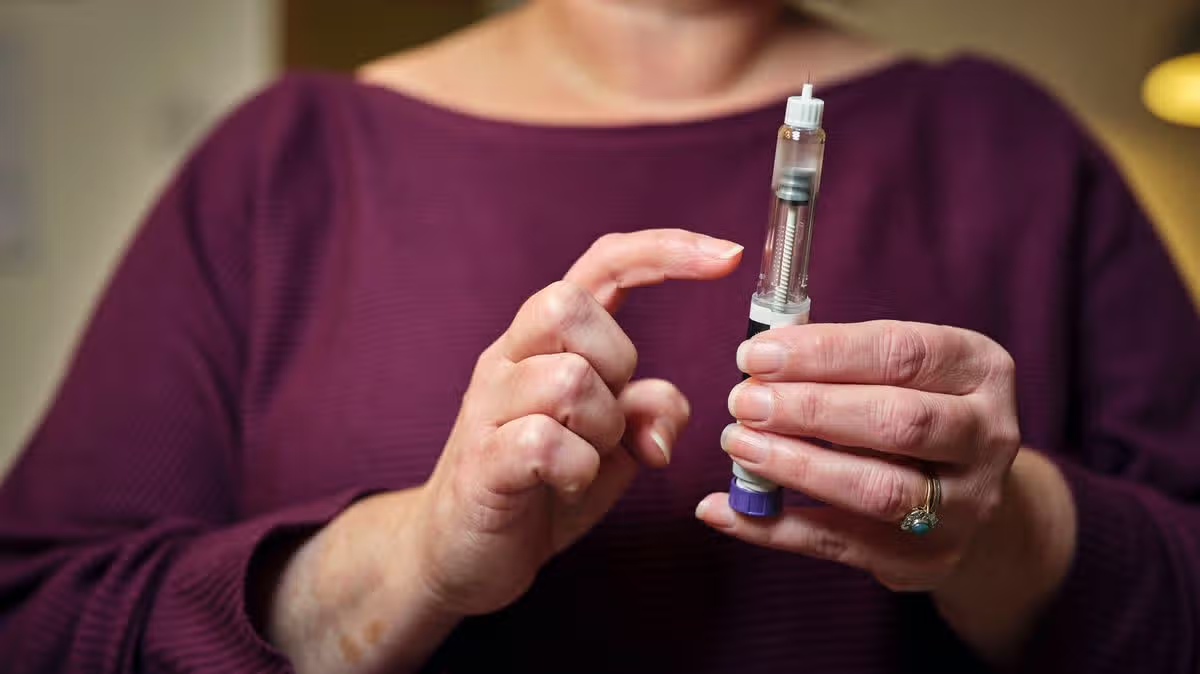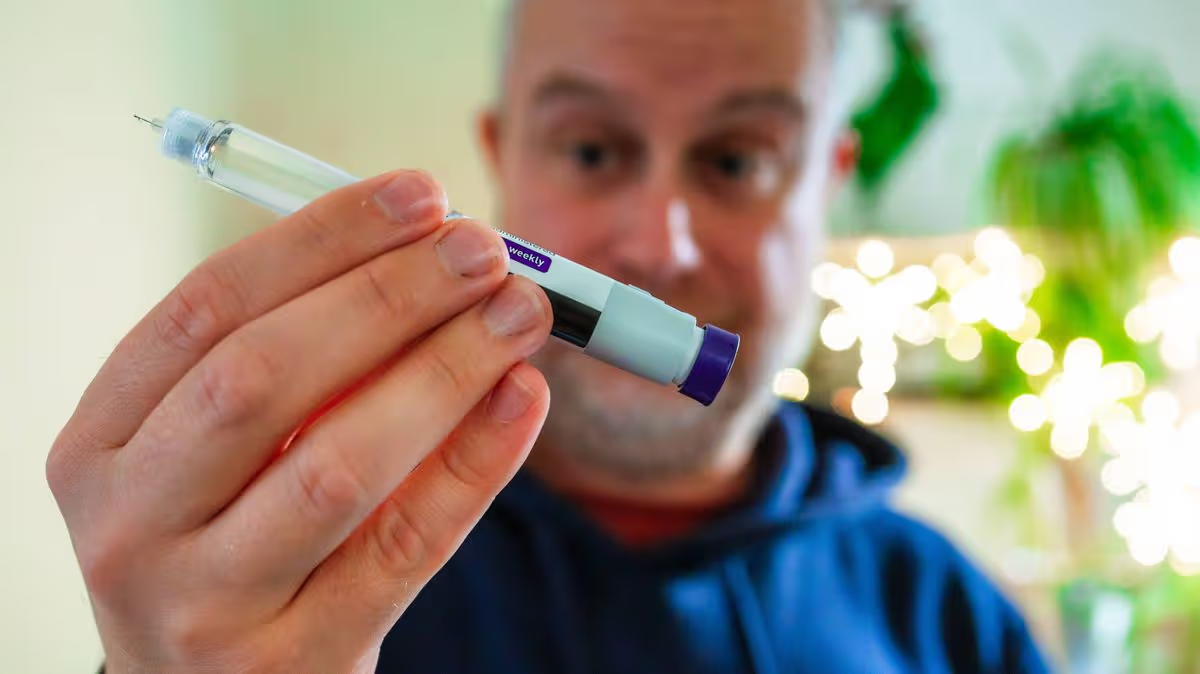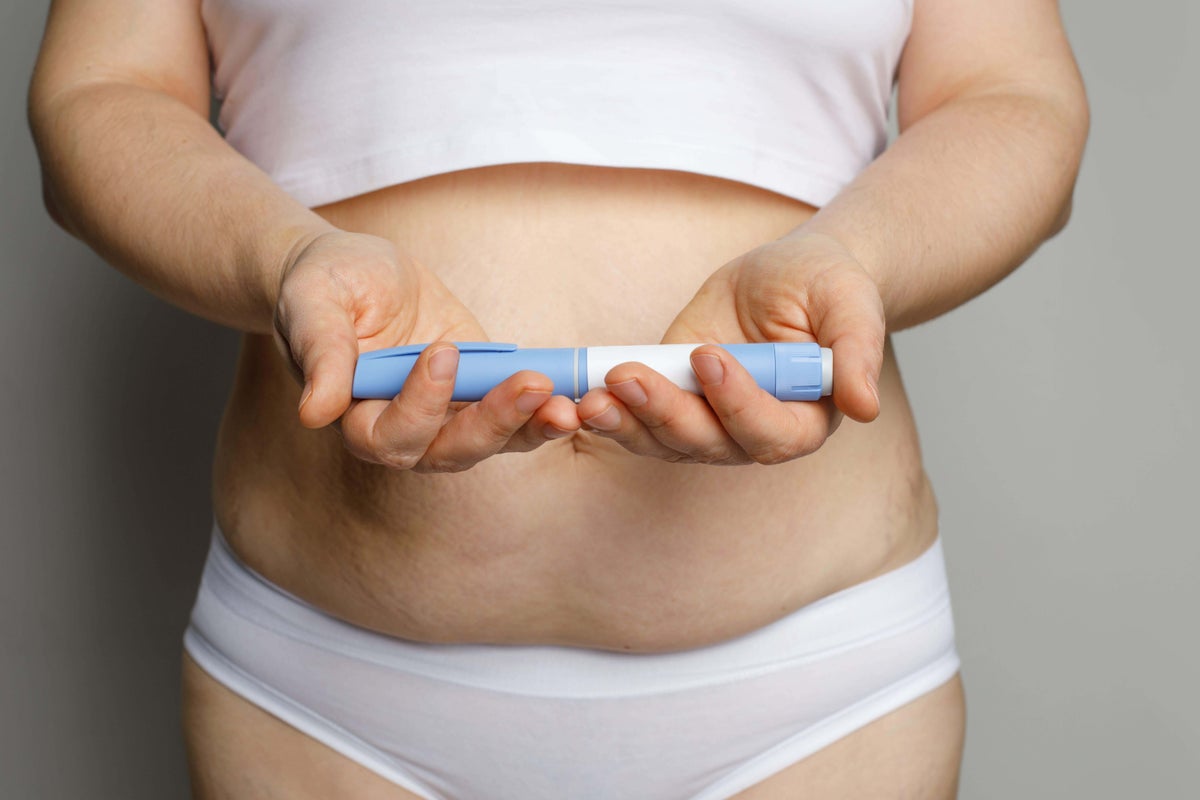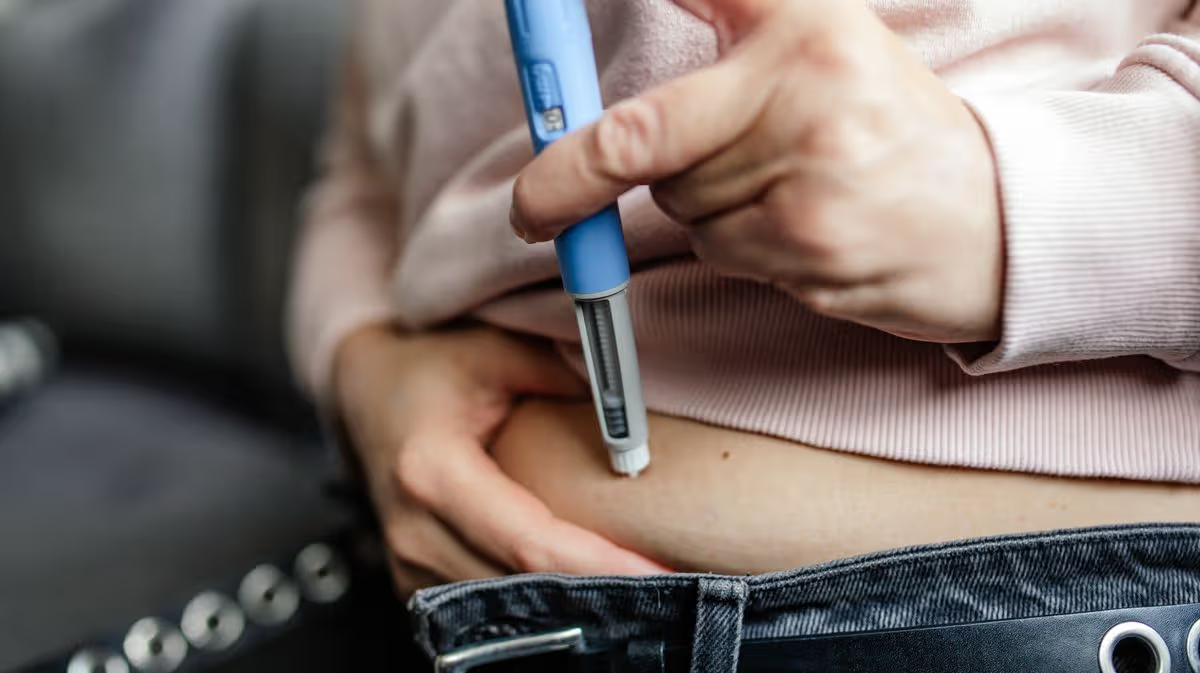
With Britan facing a heatwave this bank holiday, those taking certain weight-loss jabs should be aware of certain health concerns that can come with the hot weather10:37, 22 May 2026Updated 10:37, 22 May 2026As the temperature soars this weekend, those taking weight loss jabs need to be aware of some key symptoms while out in the sunshine.As we're set for a sunny bank holiday with forecasters expecting record-breaking 33C temperatures, it's crucial to remain vigilant in keeping safe in the sun.Especially for those taking GLP-1s including semaglutide. The jabs have surged in popularity as more people look to lose weight, but experts warn the warmer weather may bring some health concerns to users.GP and medical advisor Dr Suzanne Wylie for IQdoctor warned that those on the injections could face higher risks of dehydration during a heatwave.READ MORE: UK heatwave 2026 live: Heat alerts issued as Met Office forecasts scorching 33C"Weight-loss injections containing GLP-1 receptor agonists, such as semaglutide, have transformed obesity treatment and weight management, but they can increase the risk of dehydration, especially during periods of warmer weather," she explained. "This is largely because some of the most common side effects include nausea, vomiting and diarrhoea, all of which can lead to significant fluid loss."These medications also slow gastric emptying, helping people feel fuller for longer, but this can sometimes mean individuals unintentionally eat and drink less overall." Staying hydrated is one of the easiest and most important ways for people using weight-loss medications to protect their health.Our bodies naturally lose more fluids when it's hot due to sweating, and the expert said these losses need to be replaced. "If someone is already experiencing medication side effects that reduce fluid intake or increase fluid loss, they may be more vulnerable to dehydration-related illnesses such as heat exhaustion and, in more serious cases, heatstroke."Dehydration symptoms include headaches and fatigue to dizziness, dry mouth and darker urine, while more severe dehydration may cause confusion, weakness, muscle cramps or feeling faint and though drinking more fluids can help, Dr Wylie said this isn't enough."Many people wait until they feel thirsty before drinking water, but thirst often occurs after the body has already started becoming dehydrated. Instead, it is important to drink regularly throughout the day, even if you don't feel particularly thirsty."Adults should usually aim for around eight glasses of fluid a day which is approximately 1.5-2 litres, but it's advised during a heatwave it should be more. Additionally, Dr Wylie suggests:Carrying a water bottle and sipping regularly throughout the daySetting reminders to drink fluidsEating water-rich foods such as watermelon, cucumber and orangesFlavouring water with sugar-free squash if plain water becomes unappealingLimiting excessive sugary drinks and alcoholArticle continues belowAccording to the doctor, there is also a lesser-known concern that can happen with dehydration."Gallstones are a recognised but relatively uncommon side effect associated with rapid weight loss and some weight-loss medications. Dehydration may further increase this risk because it can reduce bile flow and cause bile to become more concentrated within the gallbladder."If anyone starts to feel unwell with persistent dizziness, severe fatigue, worsening nausea or symptoms of dehydration, they should seek medical advice.
GP says anyone taking weight loss jab must look out for key symptom this weekend
With Britan facing a heatwave this bank holiday, those taking certain weight-loss jabs should be aware of certain health concerns that can come with the hot weather
521 words~2 min read