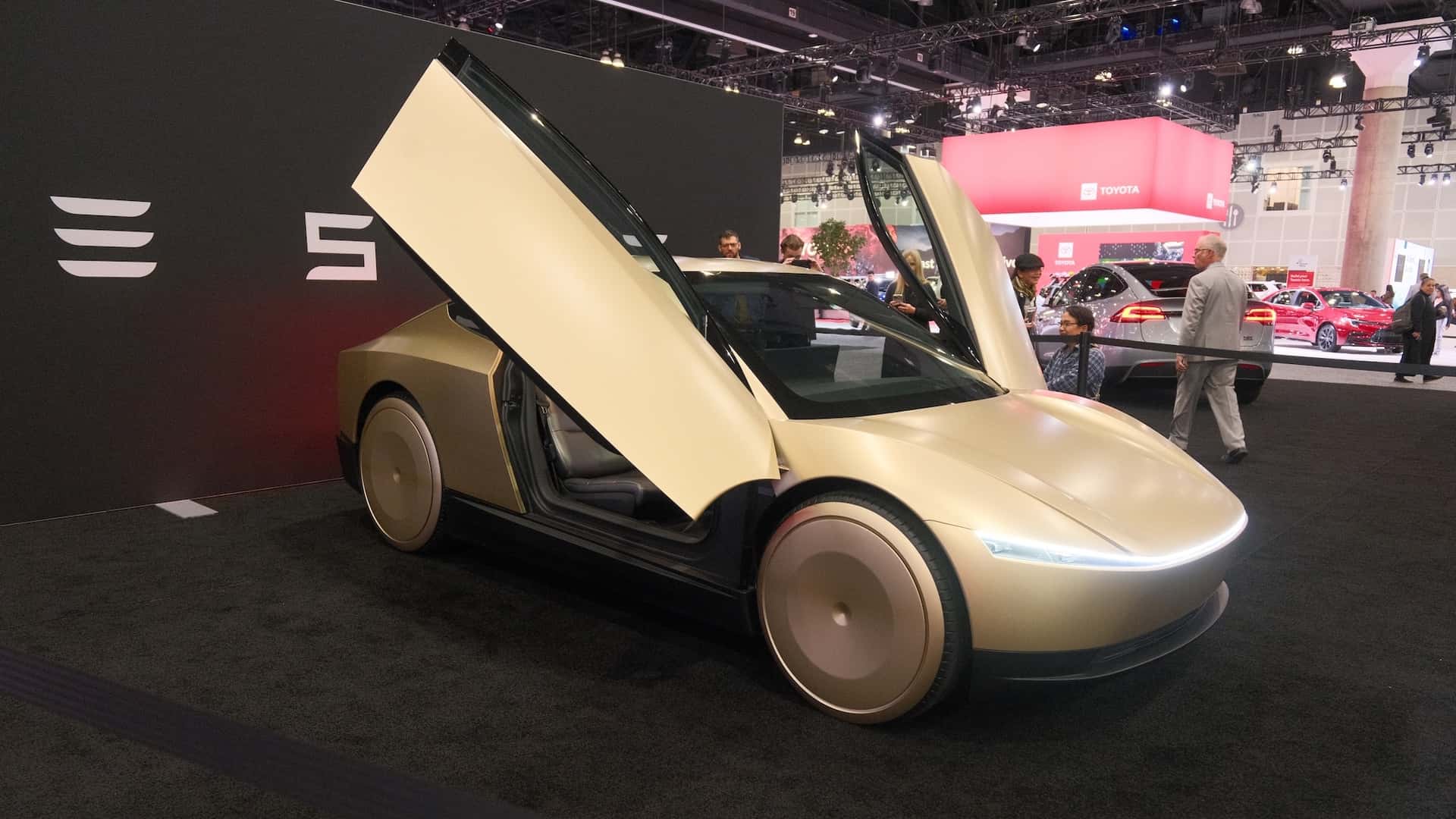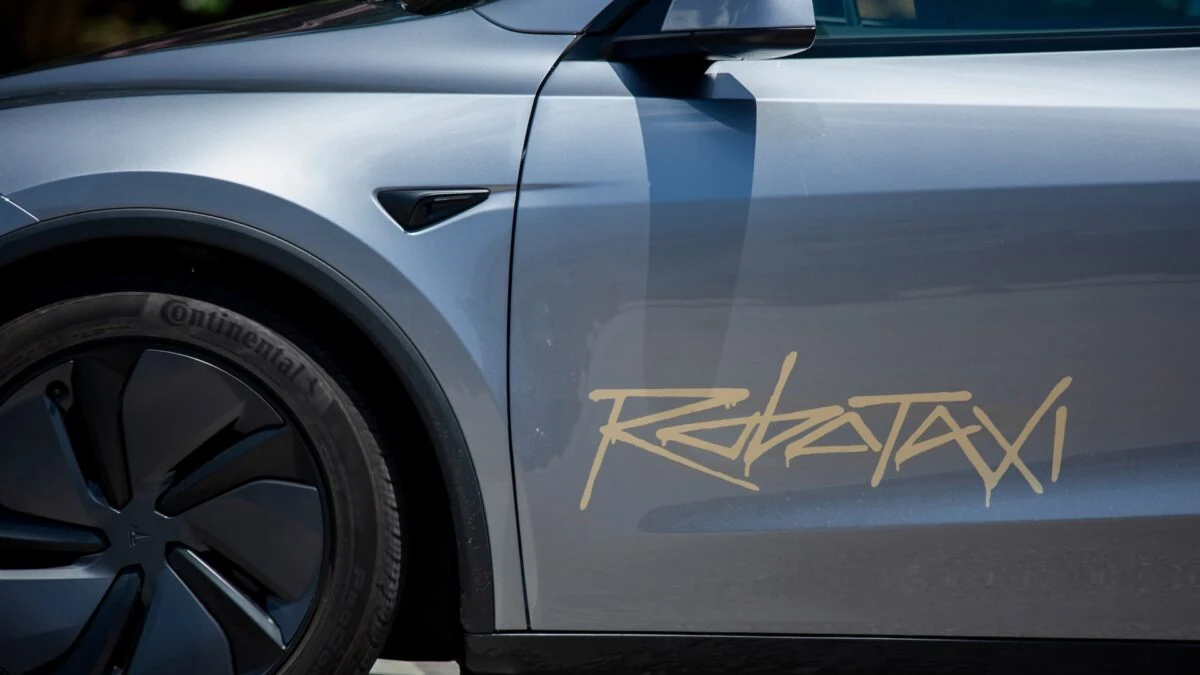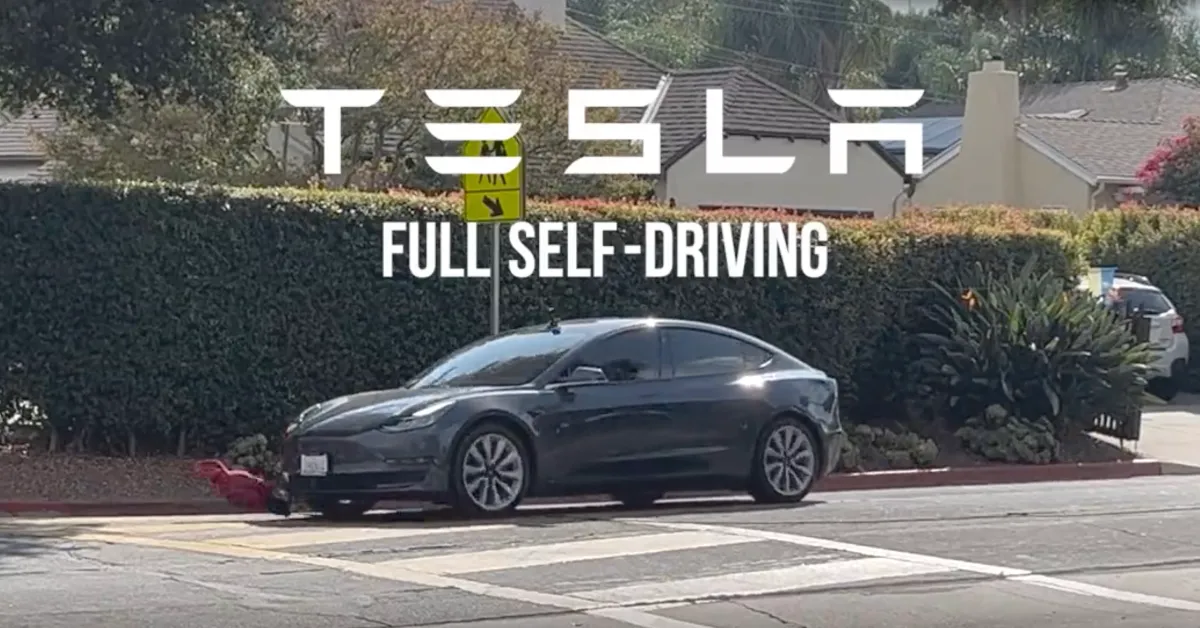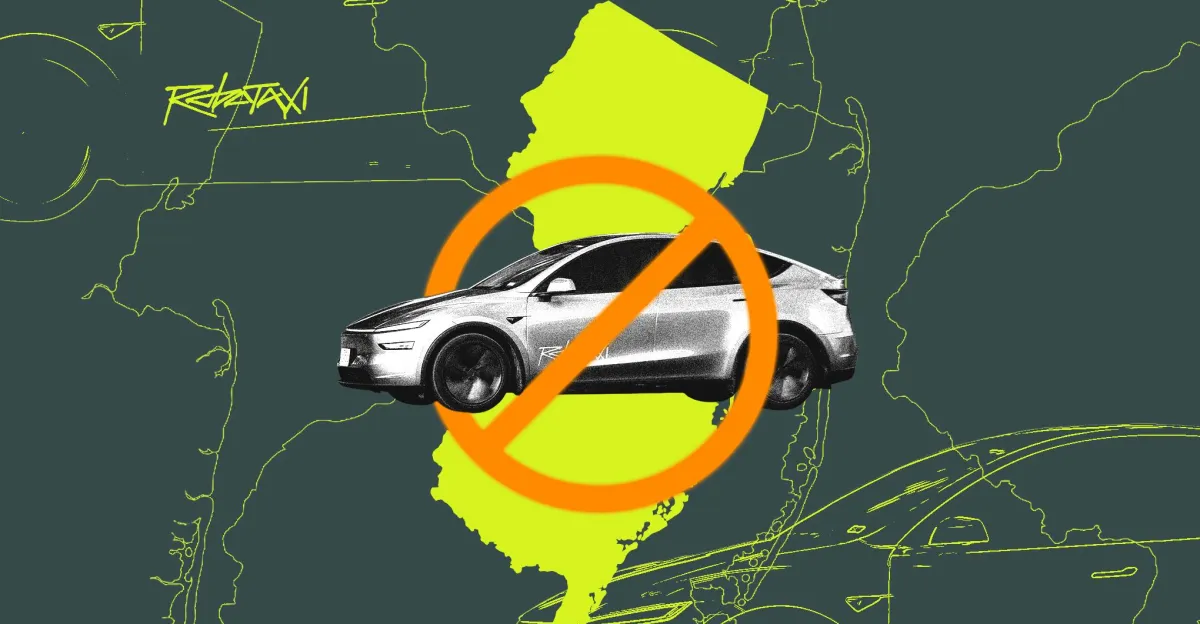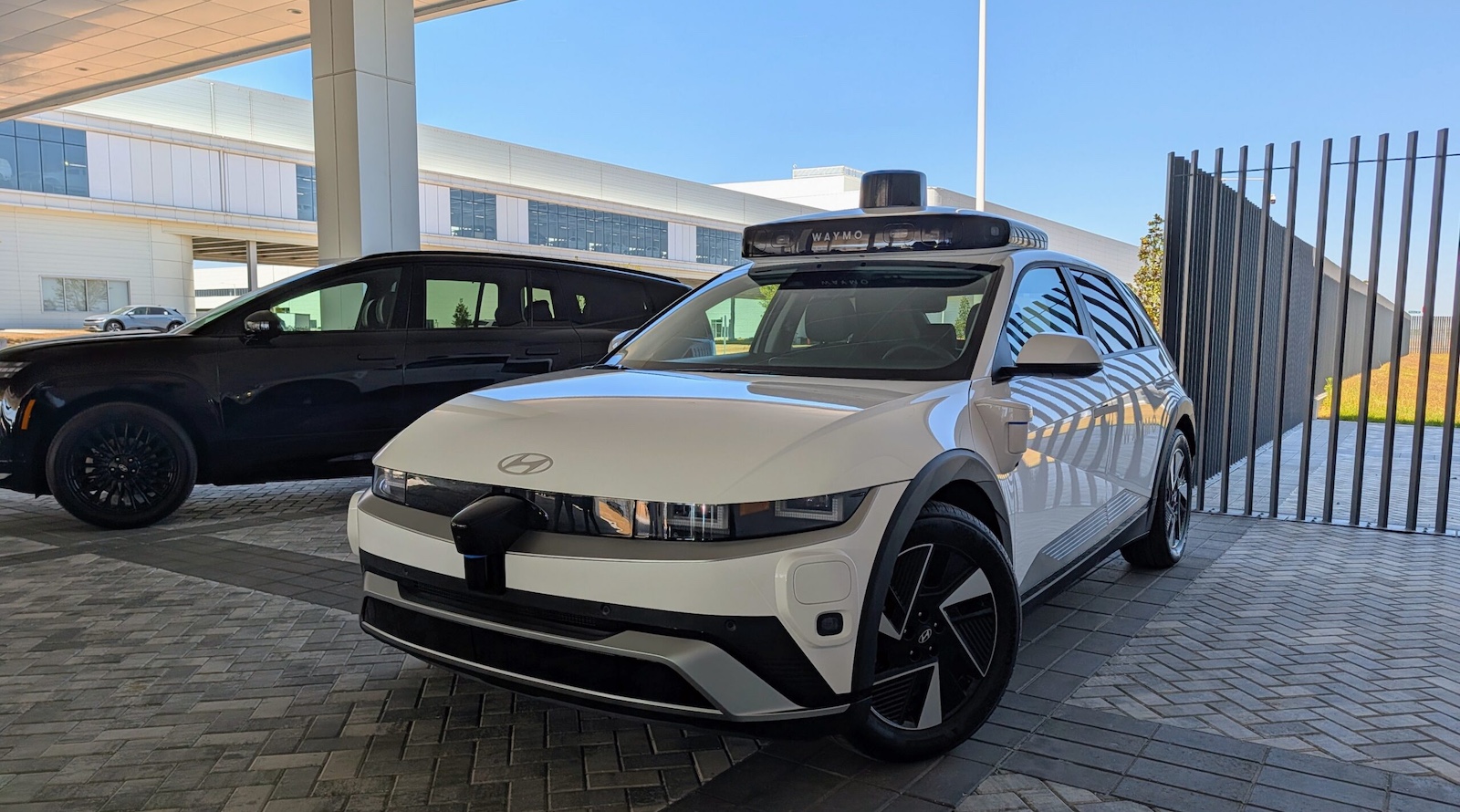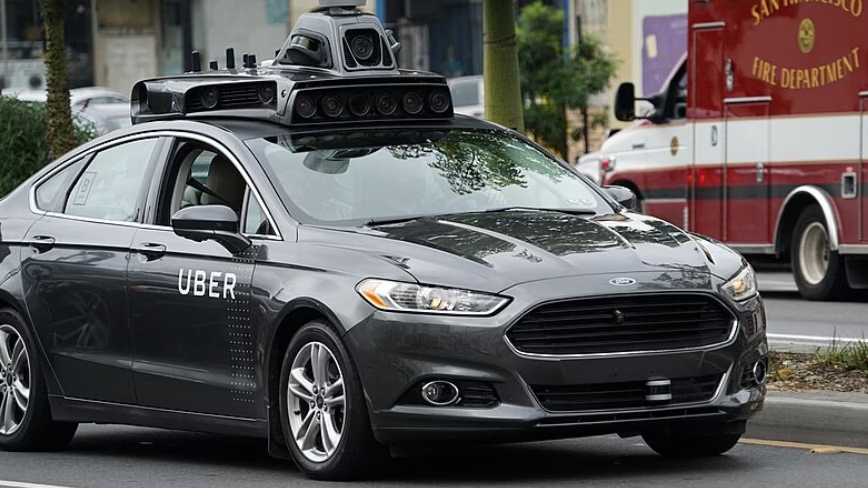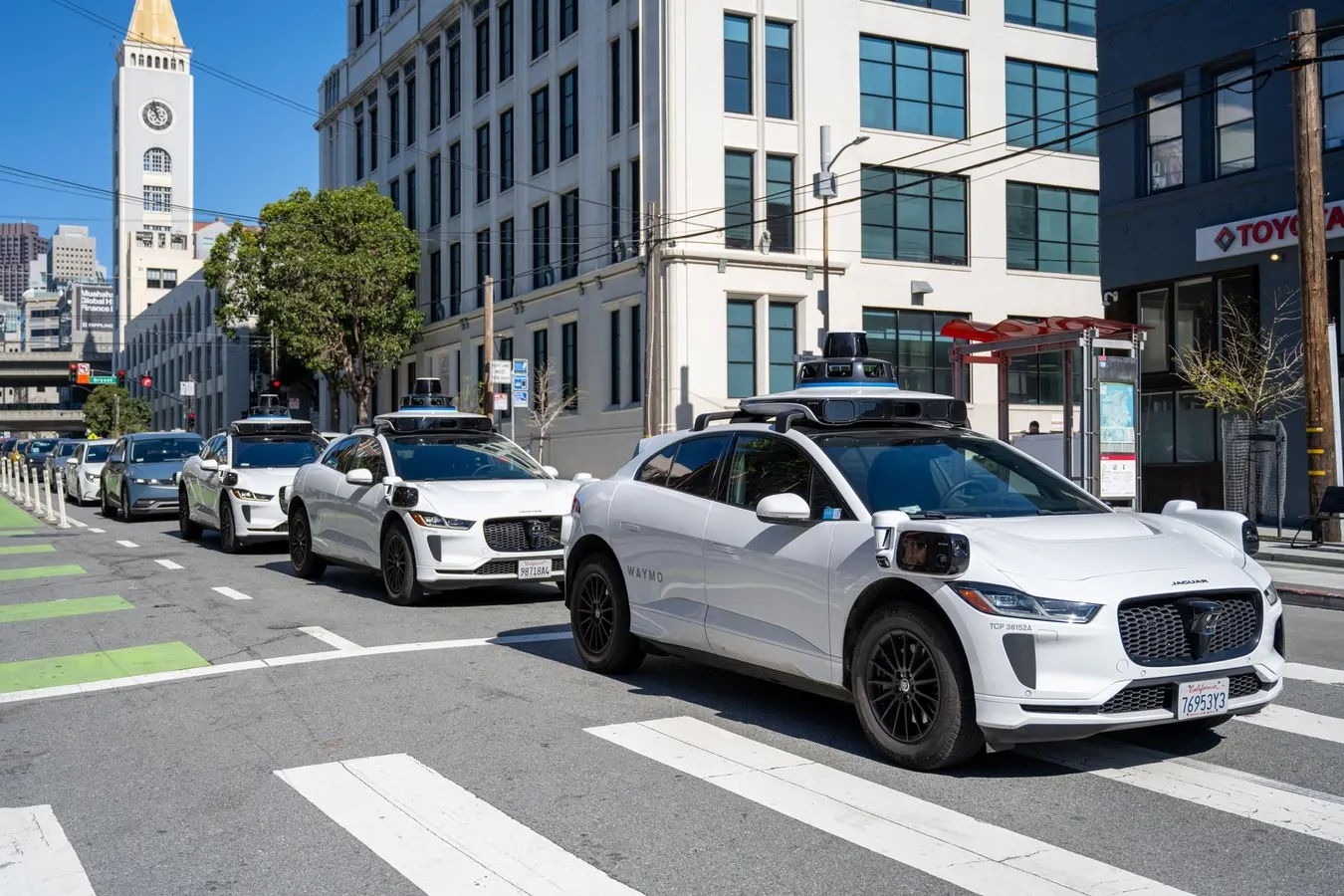
A bill making its way through New Jersey's legislature could end up creating a real headache for Tesla's robotaxi ambitions, and it comes down to one simple requirement, fully autonomous vehicles would need more than just cameras to qualify. As things currently stand, the legislation would require any driverless vehicle taking part in the state's autonomous vehicle pilot program to run a camera system plus two additional sensing technologies, or distinct sensing modalities, capable of catching obstacles if the cameras ever fail. Lidar and radar tend to be the go to examples people bring up here, but here's the thing, the bill itself never actually requires lidar by name.If this ends up passing as written, it would likely shut Tesla's current robotaxi setup out of New Jersey's pilot program entirely, since Tesla's whole approach to Full Self Driving leans on a vision only system built around cameras and AI, nothing else. Worth noting though, the bill doesn't call out Tesla specifically anywhere in the text. It's written to set baseline safety standards for fully autonomous vehicles in general, not to target one particular automaker.About The AuthorHey there, i am a technology enthusiast with a deep passion for gadgets, consumer electronics, emerging technologies, and the fast-paced world of digital innovation. Constantly exploring the latest tech trends, product launches, and industry developments, I enjoy translating complex technological advancements into engaging and accessible stories for readers. My interests span smartphones, wearables, artificial intelligence, smart devices, and the broader technology ecosystem. As I begin my journey as a Tech Journalist at Gadgets Now, I am excited to contribute to a platform that informs millions of readers, combining my passion for technology with storytelling to deliver insightful, accurate, and timely tech coverage.What This Bill Would RequireThe legislation sets up a three year pilot program for fully driverless vehicles in New Jersey, and it comes packed with some fairly strict rules companies would need to follow before they could actually put driverless taxis on the road. Operators would need to get sign off from state authorities, hand over detailed safety and law enforcement interaction plans, report crashes within a set window, and log at least 50,000 miles of supervised testing before they'd be allowed to run vehicles without a human safety driver behind the wheel.The big one though, every fully autonomous vehicle would need a camera system plus two more sensing technologies capable of picking up obstacles if the cameras go down. The whole point here is redundancy, giving these systems a backup plan and generally making things safer for passengers, pedestrians and everyone else sharing the road.What This Could Mean For Tesla's Robotaxi PlansTesla's arguably sitting in the most exposed spot here if this bill actually becomes law, mainly because its entire autonomous driving approach relies purely on cameras backed by AI, nothing more. Most other robotaxi companies pair cameras with radar and lidar, but Tesla's gone the opposite direction, stripping radar out of most of its production vehicles and consistently pushing back against adding lidar into its robotaxi strategy at all.Since this bill calls for sensing redundancy that goes beyond just cameras, Tesla's current robotaxi hardware probably wouldn't clear the bar for New Jersey's pilot program, at least not without some serious hardware changes or coming up with an alternative sensing setup that actually satisfies what the law's asking for.That said, this proposal doesn't touch Tesla's regular electric vehicles, and it doesn't affect Level 2 driver assistance systems either, things like Autopilot and Full Self Driving (Supervised) are unaffected since those still require an actual human driver staying responsible behind the wheel.Why radar and lidar are commonly used and why Elon Musk disagreesThe value each technology offers when “reading” the environment around a vehicle differs greatly, and many developers of driverless cars feel both are indispensable for operating safely without a human behind the wheel.More articles by AuthorTrending StoriesMeanwhile, radar detects object speed and distance and is less susceptible to weather conditions, whereas lidar emits laser pulses to create a three-dimensional image of the vehicle’s surroundings, allowing it to “pinpoint the position and distance of obstacles in great detail.”Most of the bigger robotaxi companies out there run all three, cameras, radar and lidar together, to get overlapping layers of perception and built in backup.This is an approach that CEO Elon Musk has actively resisted for years, with the justification being that we largely see when we drive and, given enough capability, sufficiently advanced AI should be able to do likewise with cameras alone. More practically, it makes the system simpler, lowers the cost of the hardware and allows for easier scalability in a robotaxi fleet – although those skeptical about camera-based autonomy consistently cite redundancy provided by added sensors as a critical additional safety net.If Waymo and Zoox can use multiple sensors, why doesn't Tesla?Many of Tesla’s competitors - like Waymo and Zoox - build cars that have various “layers of environmental awareness” that can rely on multiple cameras, radar, and lidar, hoping the redundancy in sensors can help with the safety issues associated with bad weather or complicated road conditions.But the core belief at Tesla, and especially at the executive level where CEO Elon Musk has vociferously advocated for it, is that a network of cameras and highly advanced AI is all that’s required for safe self-driving. In humans, vision is dominant for navigation and driving, Musk has reasoned, and therefore AI should ideally eventually achieve the same functionality using only cameras and eliminate the extra cost and complexity added by the other sensors.The arguments are that the vision-only approach offers better scaling and lower costs, whereas relying on added sensor tech offers an important safety redundancy if either type of sensor system is struggling with difficult conditions.Growing debate over autonomous vehicle safety standardsThis New Jersey bill is really just one piece of a much bigger conversation happening across the autonomous vehicle industry right now, how exactly should fully driverless cars be regulated.Supporters of the bill argue that requiring multiple sensing technologies could boost public trust and cut down on risk, since having backup systems in place matters if one sensor setup runs into trouble. Lawmakers pushing this forward say the goal is consistent safety standards across the board, not stifling innovation or singling out one company.At the same time, there's still no comprehensive federal framework covering this stuff, which has left individual states to figure out their own rules around testing and deploying autonomous vehicles.While currently the vast majority of robotaxi manufacturers seem content using a mix of different sensor technologies for now, Tesla's argument is that eventually the AI will just be good enough to make both radar and lidar entirely unnecessary. If passed this bill could well inform how the rest of the states take on safety regulation for self-driving vehicles but currently the legislation is still under consideration by New Jersey legislature and thus it isn't officially law. FAQsWhy could this New Jersey bill block Tesla's current robotaxis?The bill requires fully autonomous vehicles in the state's pilot program to run a camera system plus two additional sensing technologies capable of catching obstacles if the cameras fail. Tesla's current robotaxi setup relies purely on cameras and AI, nothing else.Does this bill ban Tesla vehicles altogether?No, not at all. It only applies to fully autonomous vehicles operating under New Jersey's pilot program. Regular Tesla EVs and Level 2 systems like Autopilot and Full Self Driving (Supervised) aren't affected.Has this bill actually become law yet?No, not yet. It's still moving through New Jersey's legislative process and still needs the required approvals, plus the governor's signature, before it could actually take effect.end of article
Robo Taxi Law Could Ban Tesla Cars as New Jersey Pushes for Multi-Sensor Safety Standards
A proposed bill in New Jersey seeks to enforce rigorous safety regulations for autonomous vehicles, demanding more than just camera-based technology for safe operation. This could pose a significant hurdle for Tesla, which relies heavily on a vision-only model for its robotaxi services, unlike competitors that incorporate lidar and radar for additional safety. The goal of the legislation is to ensure uniform safety benchmarks across this burgeoning industry.
1,271 words~6 min read