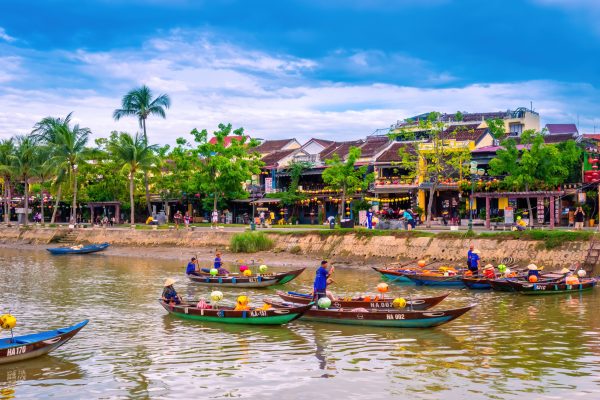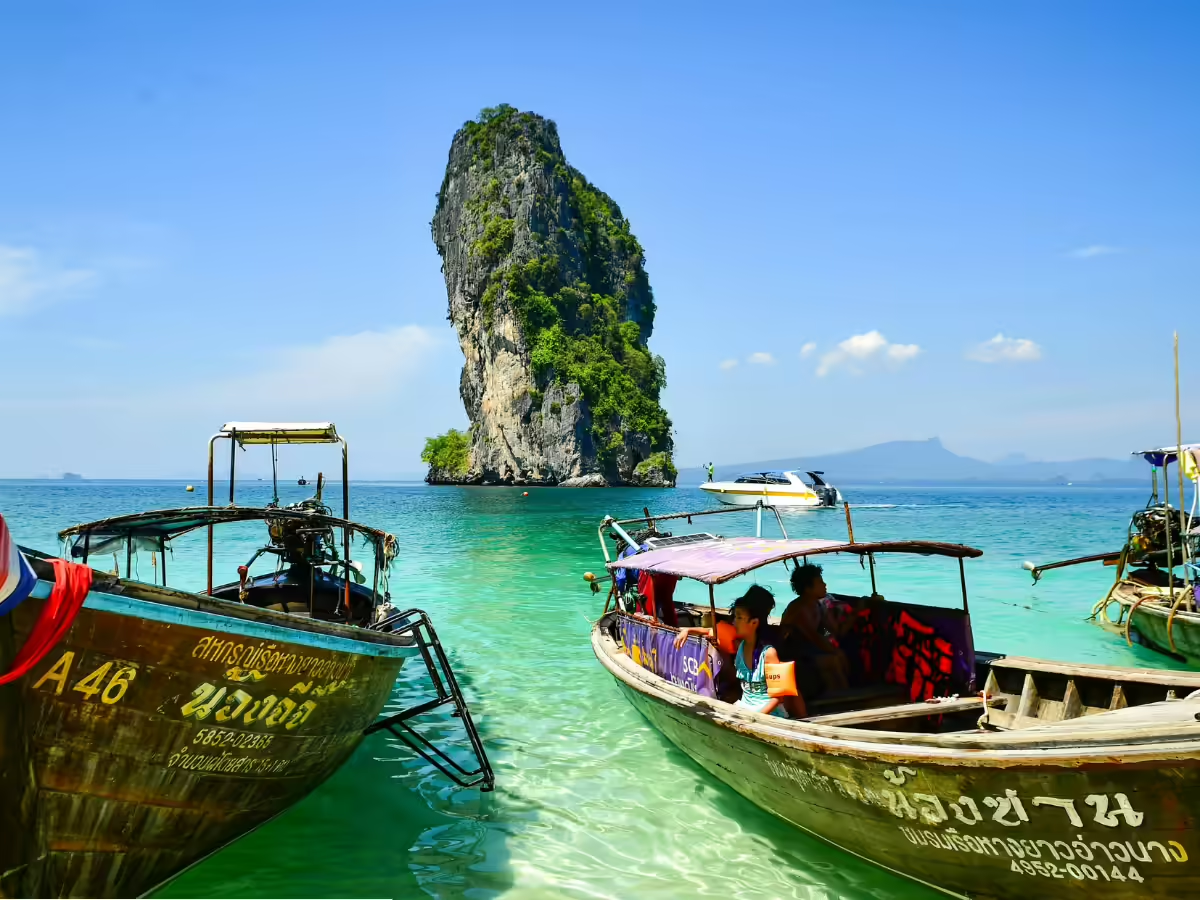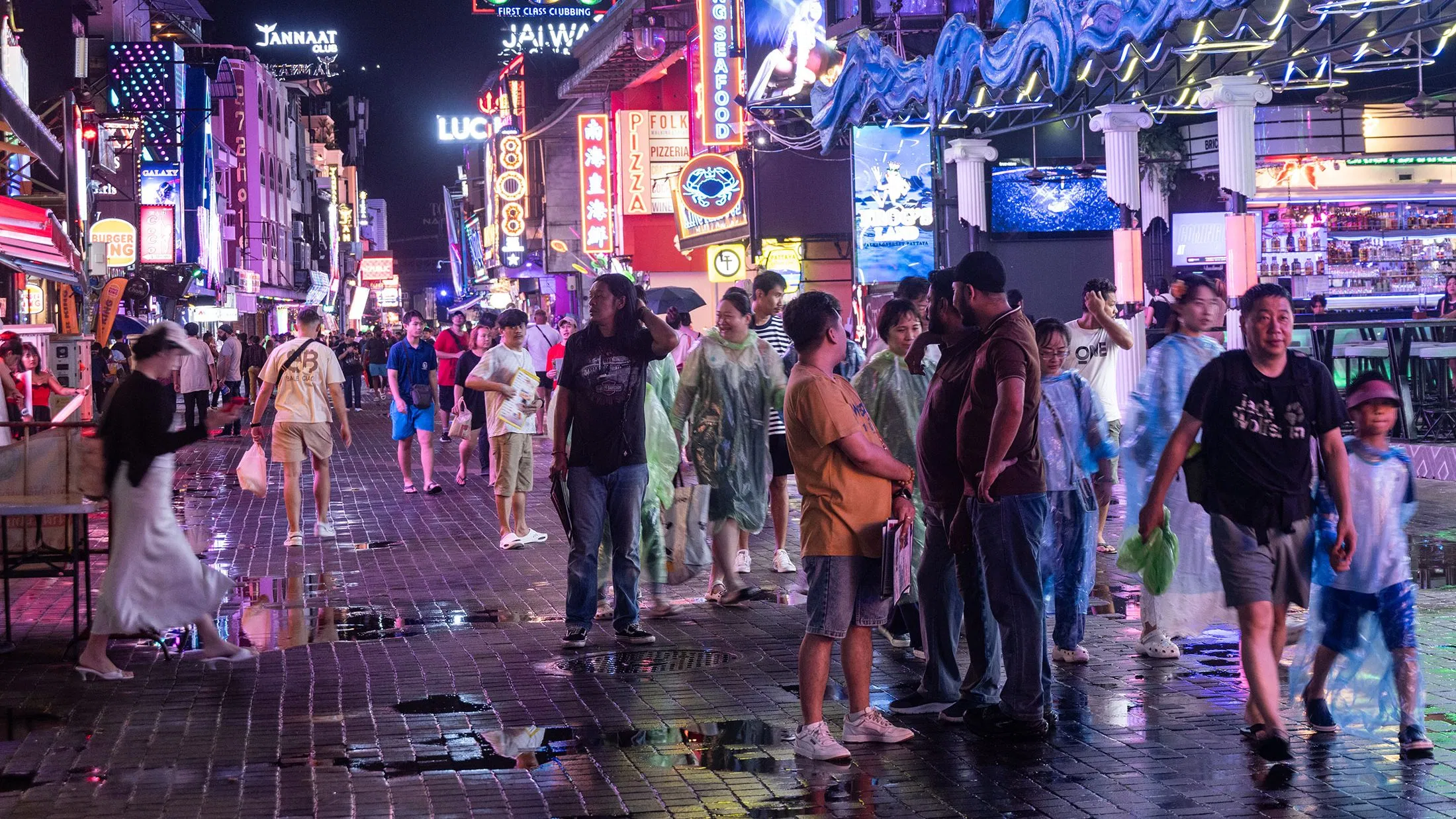
For Indian travellers planning an overseas holiday this summer, Southeast Asia continued to be a preferred choice. Destinations such as Thailand, Vietnam, Bali and Malaysia remained popular for their affordability, short flight durations and easy visa policies. Travel companies also reported a temporary shift towards these destinations as some travellers reconsidered trips to parts of West Asia during the Iran-US conflict.This screengrab from a video released by Kan Kutirat on July 12, 2026, shows people fleeing the fire at Rong Beer Na Lat Phrao bar in Bangkok. The blaze, which broke out late on July 12, killed at least 27 people and injured dozens.
(Photo by Handout / Courtesy of Kan KUTIRAT / AFP)However, two recent incidents—the fatal bar fire in Bangkok and the boat capsizing in Vietnam's Ha Long Bay—have once again brought travel safety into focus. While it is too early to determine whether the tragedies will impact bookings, they have prompted conversations about how travellers assess risk when choosing destinations.Travel influencers say isolated incidents should not define an entire country, although extensive media coverage can shape perceptions, particularly among first-time international travellers."Incidents like these definitely make people pause and think, especially when they're constantly consuming news on social media. But I don't think travellers will stop visiting destinations like Thailand or Vietnam because of isolated tragedies. What may change is their behaviour. People will be more cautious about booking adventure activities, choosing licensed operators and checking safety standards before signing up for an experience," says travel influencer Deepanshu Soni.Travel blogger Chandan Sharma agrees. "Travellers today are far more informed than they were a few years ago. They read reviews, verify operators and research destinations extensively before travelling. While unfortunate incidents can temporarily raise concerns, they also encourage people to make smarter decisions rather than avoid a destination altogether. I don't see Indians giving up on Southeast Asia, but I do think they'll become more mindful about the experiences they choose and who they book them with."Industry experts believe the incidents are unlikely to diminish Southeast Asia's long-term appeal among Indian travellers. Instead, they expect safety to become a bigger factor in travel planning."Tragic incidents are a sobering reminder that while travel has become more accessible than ever, it also demands more informed decision-making. I don't believe these events will discourage people from travelling to Asia—if anything, travellers are increasingly looking eastward—but they are likely to make people ask better questions before they book. Travellers today should go beyond comparing prices and Instagram-worthy experiences. As a travel curator, I believe the future of travel isn't about travelling less—it's about travelling smarter. A little research, asking the right questions and not compromising on safety for convenience or cost can help ensure that memorable holidays remain memorable for the right reasons," says Romi Purkayastha.Shan Prabhakaran, Co-founder and CEO of Ziptrrip, shares a similar view. "The recent incidents in Vietnam and Bangkok may make travellers more cautious in the immediate term, but they are unlikely to dampen the long-term appeal of adventure tourism. We expect Indian travellers to place greater emphasis on safety standards, verified operators and reliable travel partners. The focus is shifting from avoiding adventure to choosing it more responsibly."Ziptrrip digitises corporate travel bookings and curates corporate travel experiences for businesses travelling from India to destinations worldwide.Pallavi Saxena, Chief Marketing and Revenue Officer at Cleartrip, believes the region's popularity will remain intact. “Southeast Asia's appeal, connectivity and value proposition continue to be strong. What we do expect to shift is traveller behaviour around safety, particularly for adventure activities and recreational experiences. Travellers are likely to spend more time vetting operators, checking safety certifications and choosing experiences that are transparent about their safety protocols. Thailand and Vietnam remain among the most preferred international destinations for Indian travellers, and we expect tourism boards and local operators to move quickly to rebuild confidence by communicating the additional safety measures being introduced.”These events may add another layer of caution at a time when travellers are already watching geopolitical developments, airspace disruptions and changing advisories more closely. “However, Southeast Asia should not be viewed as a single risk category. Sentiment is likely to vary by country, city and activity. We may see shorter booking windows, greater demand for flexible arrangements and more questions about local operators, rather than a broad withdrawal from the region as a whole,” says Latika Bolar, Business Head – Corporate Travel, Ebix Travels.