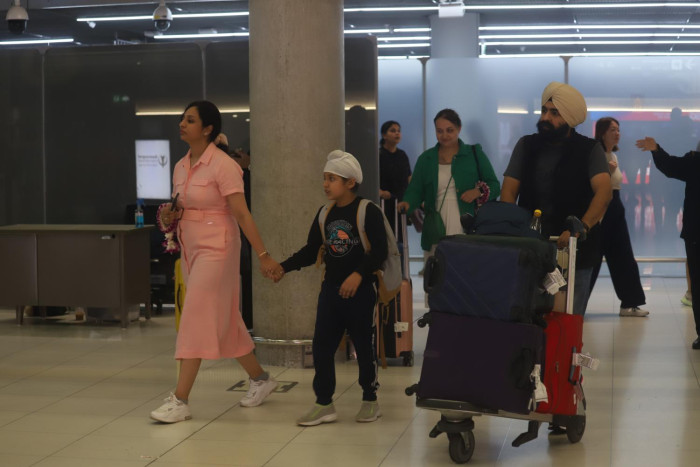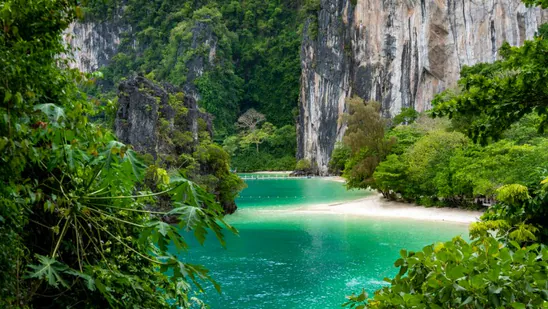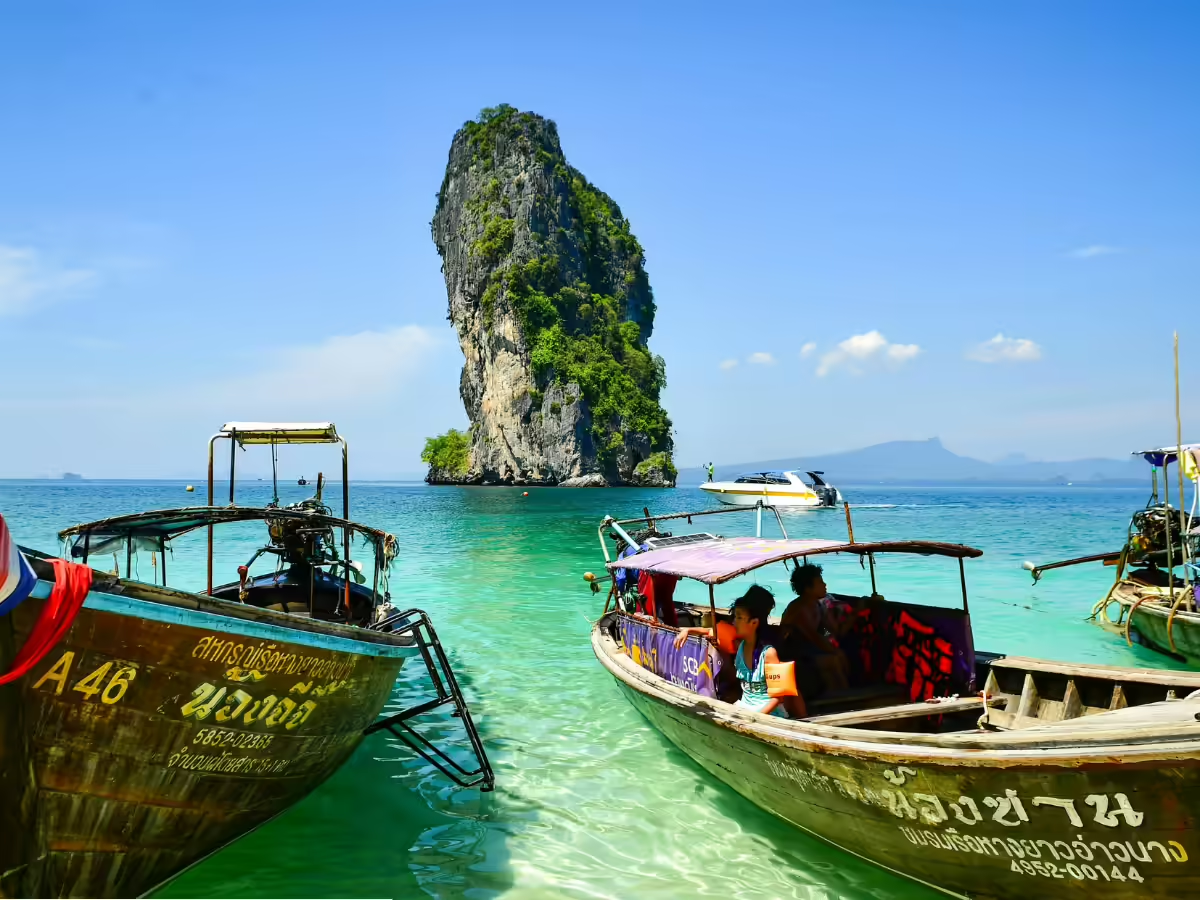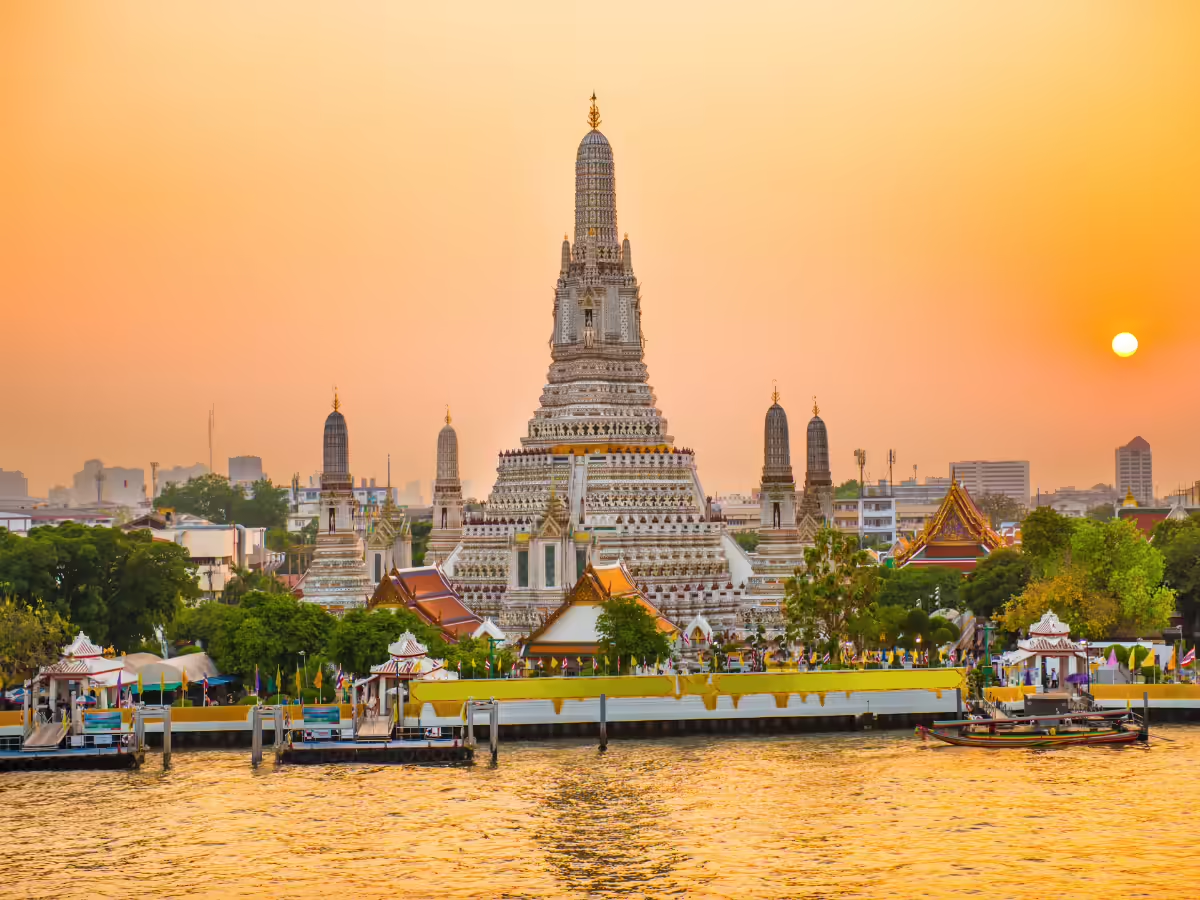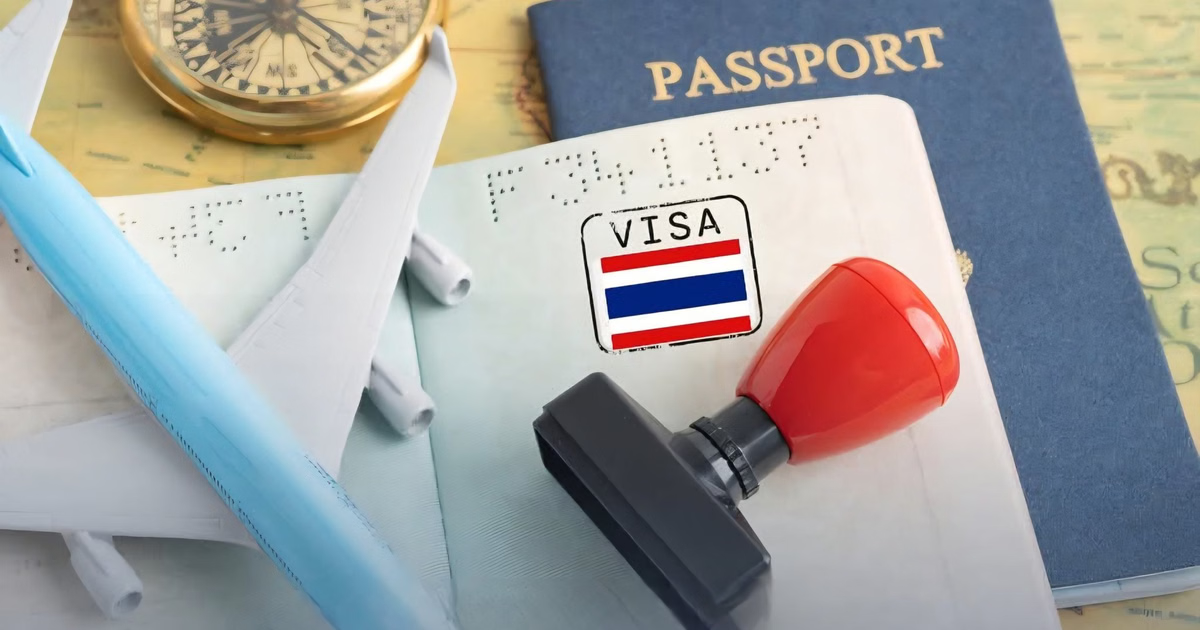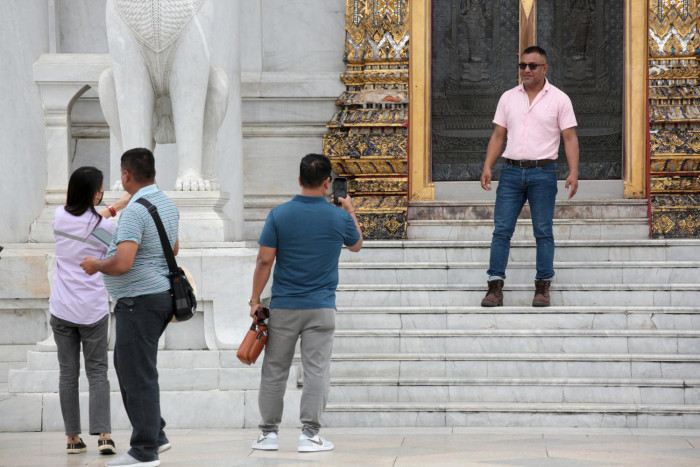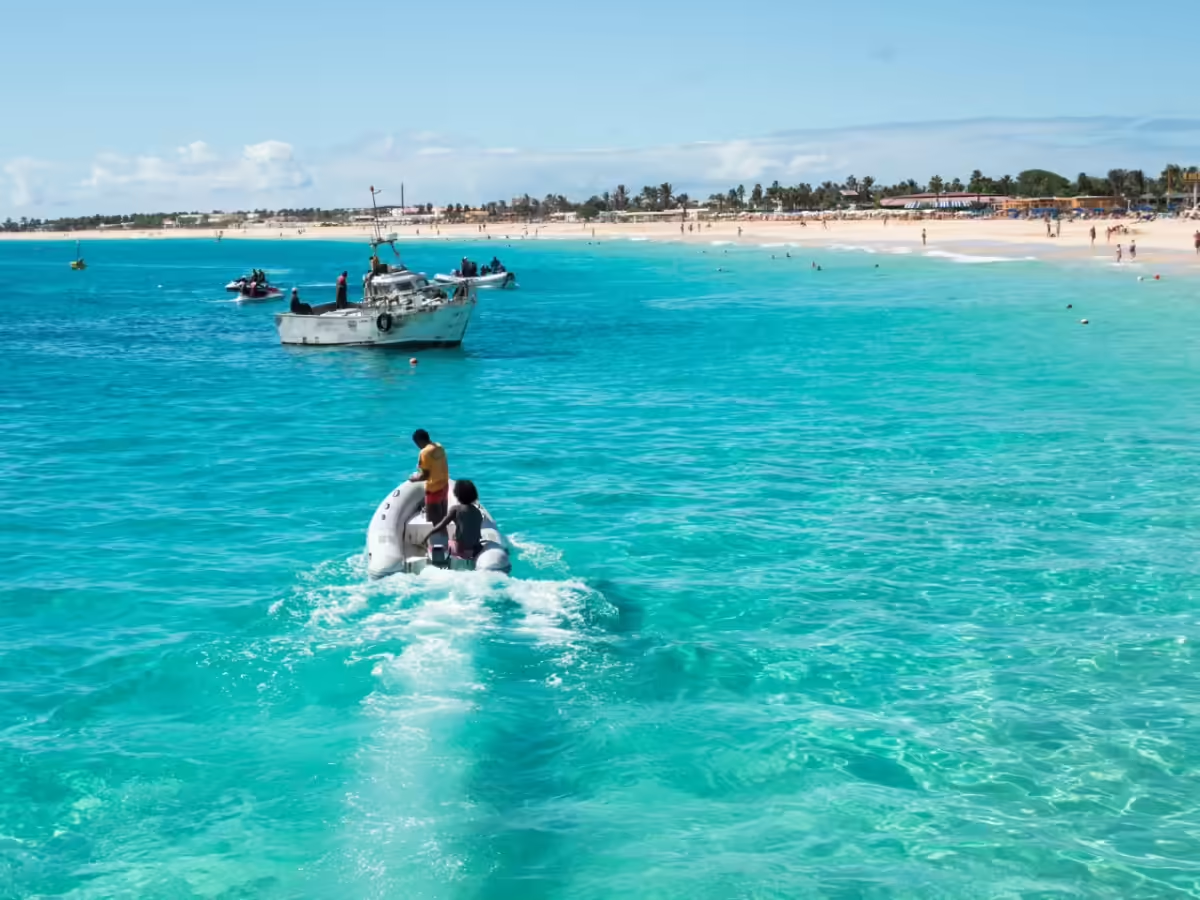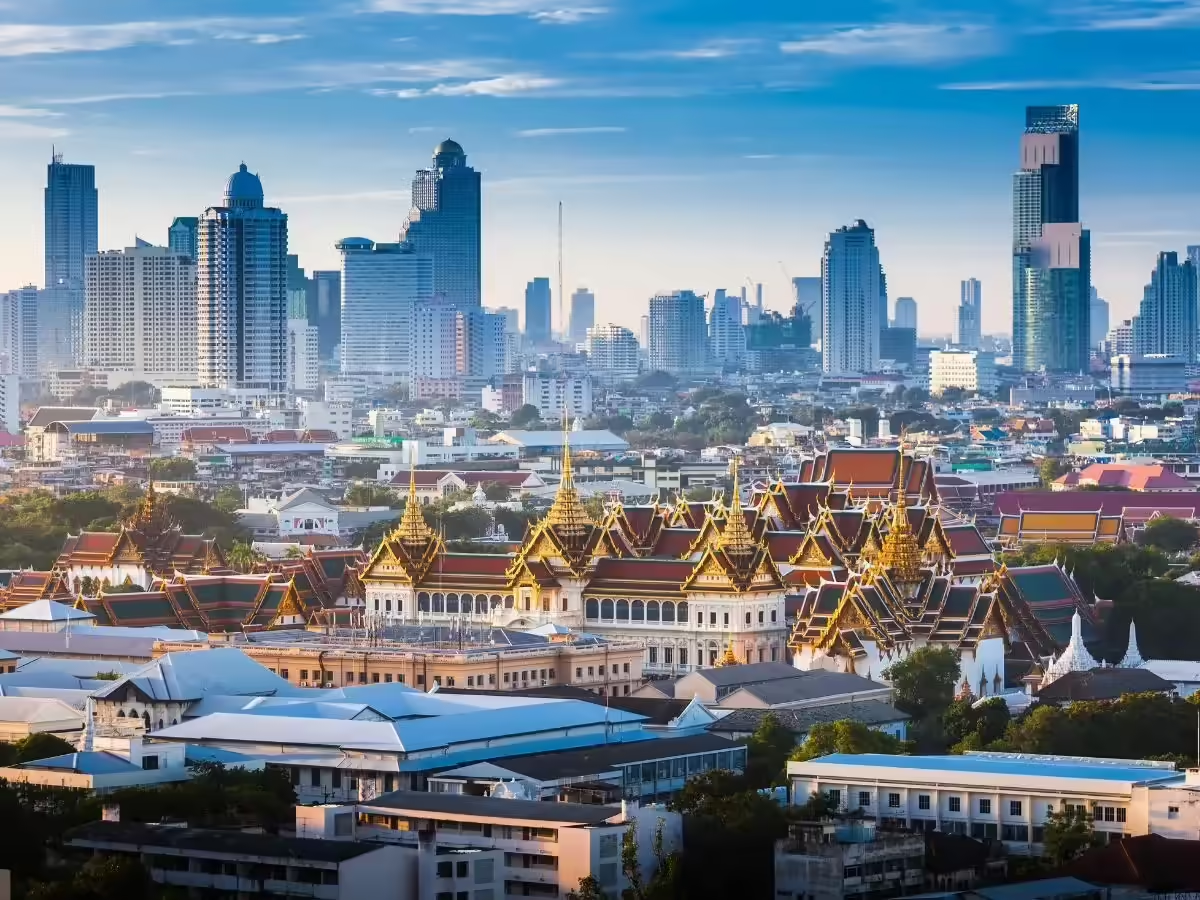
Thailand continues to be one of the most popular international destinations for Indian travellers, thanks to its short flight times, affordable accommodation, tropical beaches and diverse experiences. One of the biggest changes for Indian travellers in 2026 concerns Thailand's entry requirements.For nearly two years, Indian travellers benefited from Thailand's visa-free entry scheme, which allowed stays of up to 60 days for tourism. Travellers were only required to carry a valid passport, return ticket and complete the Thailand Digital Arrival Card (TDAC) before arrival. However, Thailand has announced a rollback of the visa-free regime. Under the revised framework approved by the Thai Cabinet, India is expected to move back to the Visa on Arrival (VoA) category. Once implemented, Indian travellers will need to obtain a visa on arrival, pay the applicable fee and present supporting documents at immigration.Since entry rules can change, checking the latest guidance from Thai authorities before finalising travel plans is advisable.Decide when to visit Thailand is a year-round destination, but weather conditions vary significantly across seasons. The most popular period for travel is between November and February, when temperatures are relatively comfortable and rainfall is limited. This season is ideal for beach holidays, sightseeing and island hopping. March and April are warmer months, while the rainy season generally runs from May to October. Travellers looking for lower airfares and hotel rates often consider visiting during the off-season, although weather disruptions are more likely.Build a practical itinerary First-time visitors often try to cover too many destinations in a short period. A seven- to ten-day itinerary usually offers a better balance. Bangkok serves as the natural starting point, with attractions such as the Grand Palace, Wat Arun, floating markets and vibrant shopping districts. From there, travellers can choose a beach destination such as Phuket or Krabi. Phuket is known for its nightlife, beach resorts and island excursions, while Krabi attracts visitors looking for dramatic limestone cliffs, quieter beaches and outdoor activities. Travellers with extra time can add Chiang Mai in northern Thailand, which offers temples, mountain scenery, local markets and cultural experiences that differ significantly from the country's coastal destinations.Choose accommodation carefully Location can have a major impact on both convenience and expenses. In Bangkok, staying near areas such as Sukhumvit or Siam provides easy access to public transport, shopping centres and major attractions. In beach destinations, travellers should decide whether they want to stay close to nightlife hubs or in quieter areas focused on relaxation.Learn how to get around Thailand offers a wide range of transport options. In Bangkok, the BTS Skytrain and MRT metro systems provide efficient ways to avoid traffic congestion. Ride-hailing services are widely used and often more convenient than negotiating fares with local drivers. Domestic flights connect major cities and tourist regions, while ferries serve popular island destinations. For travellers exploring multiple regions, combining flights, rail and ferry services can save both time and money.Don't overlook practical travel essentials Before departure, travellers should arrange travel insurance, carry digital and printed copies of important documents and inform their banks about international card usage.Mobile apps for transport and navigation can make moving around the country much easier.
Planning a Thailand vacation? Check visa requirements, best time to visit and more - The Economic Times
Thailand is a popular destination for Indian travelers, but entry requirements are changing in 2026. The visa-free entry scheme for Indian tourists will be replaced by a Visa on Arrival (VoA) system. Travelers should plan their visits considering the best seasons and build practical itineraries, focusing on key destinations like Bangkok, Phuket, Krabi, and Chiang Mai.
521 words~2 min read