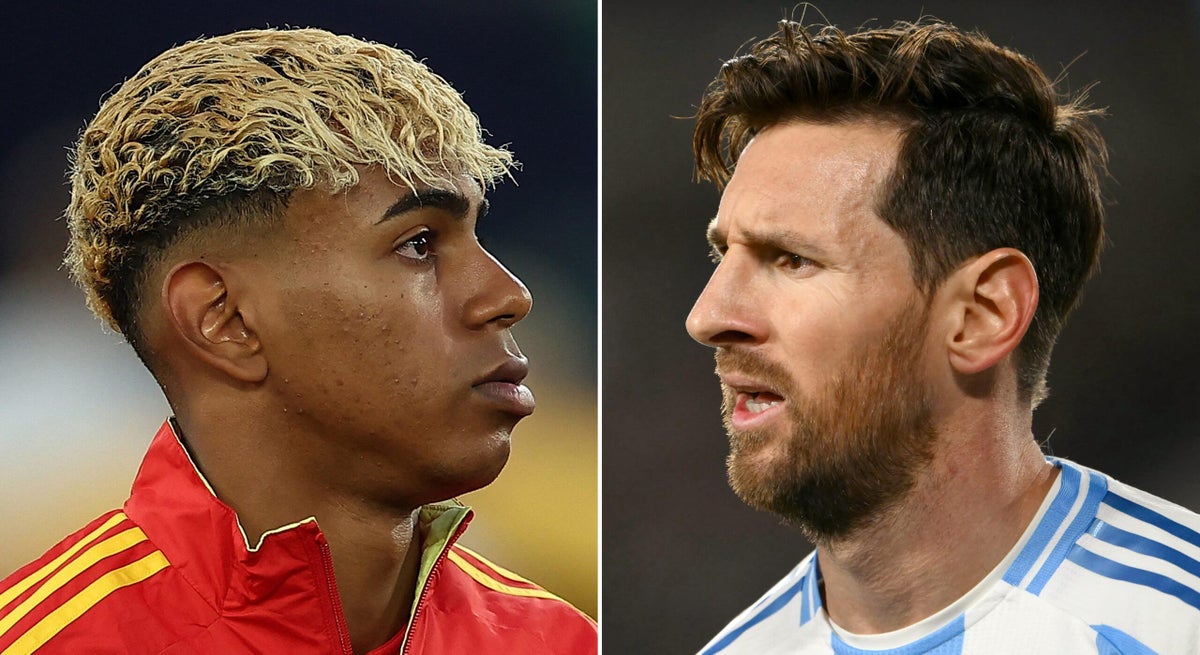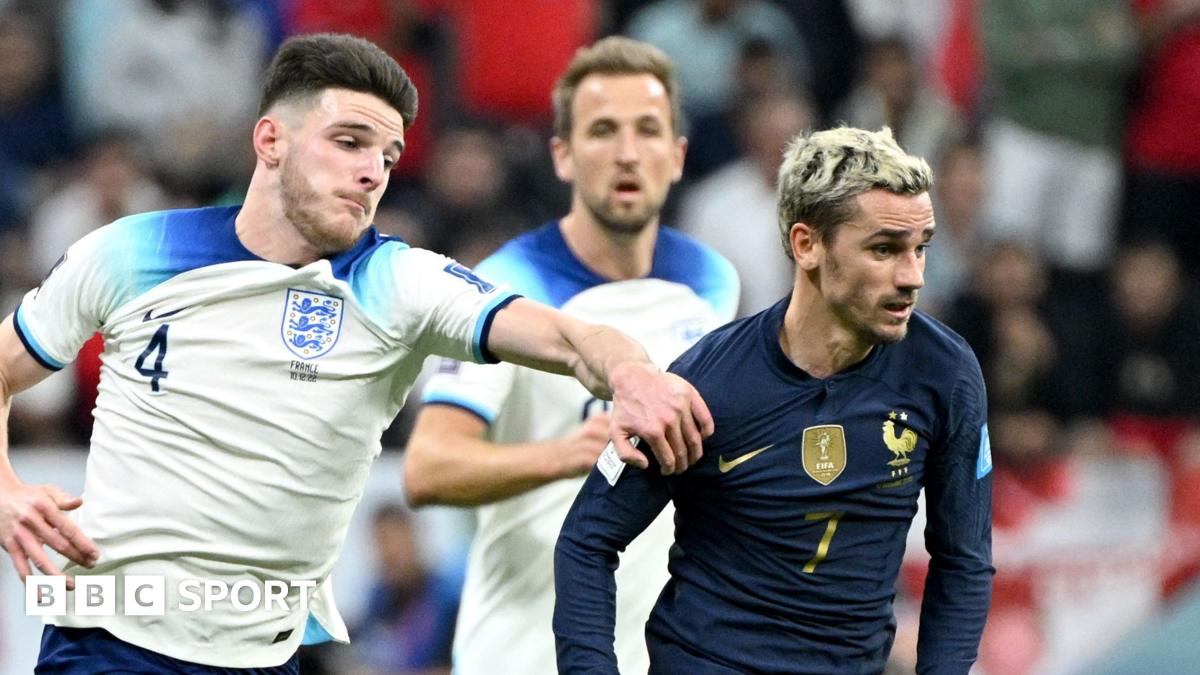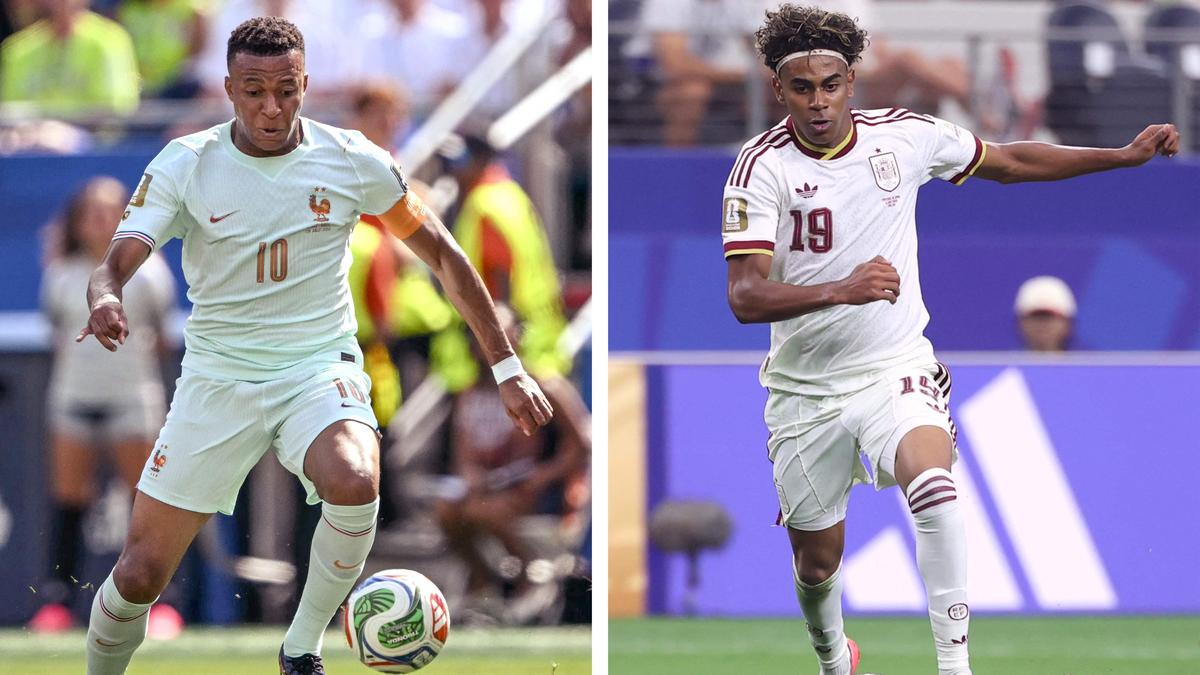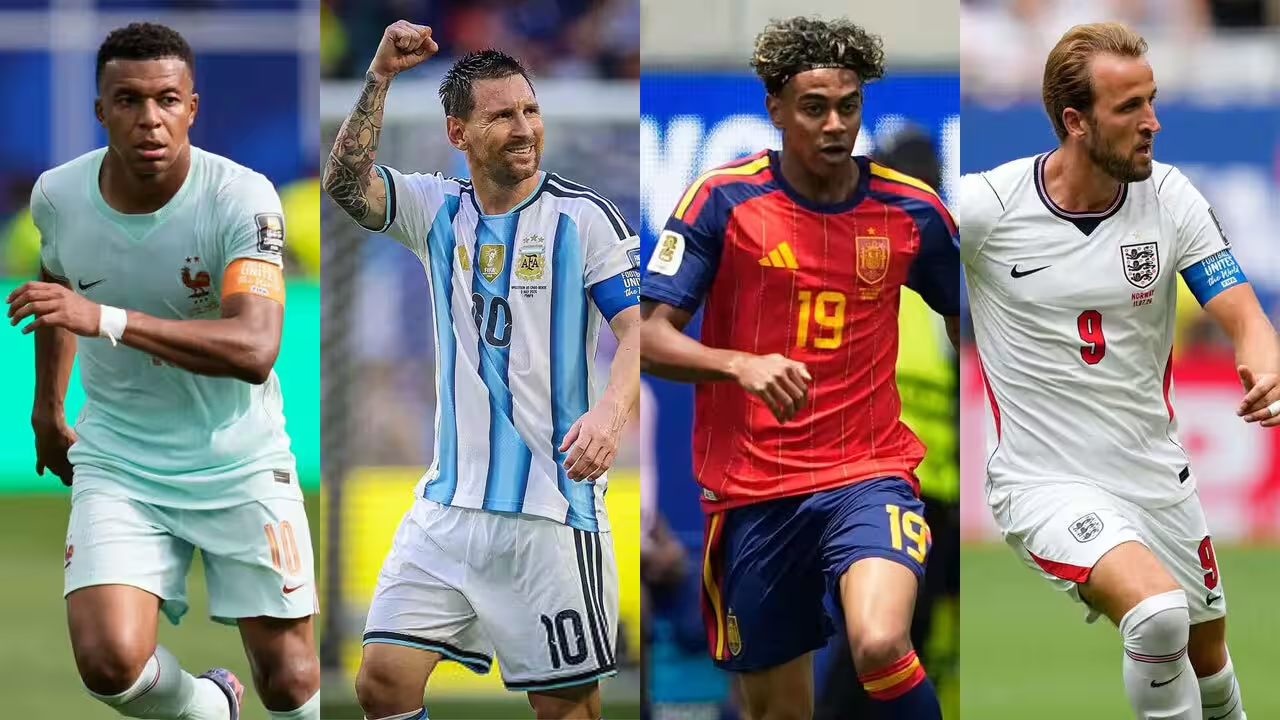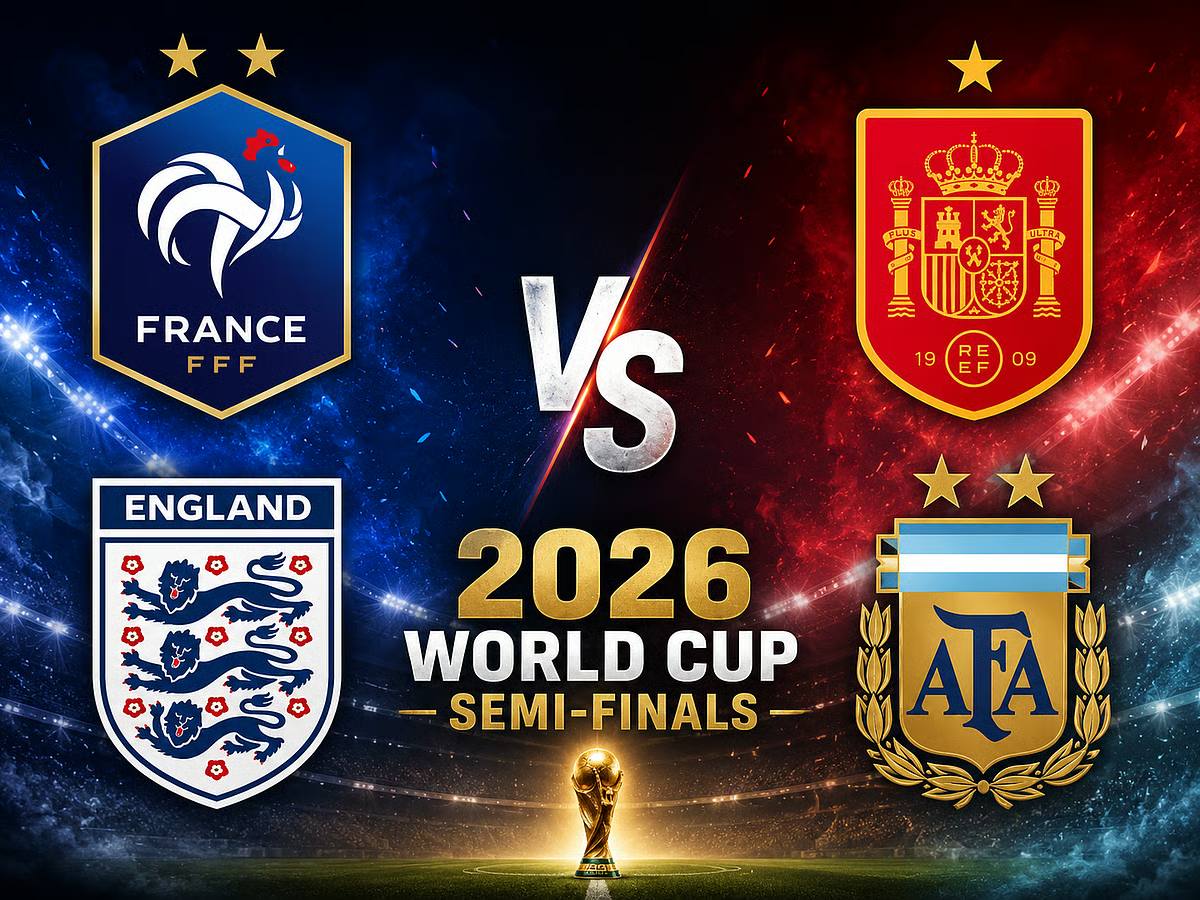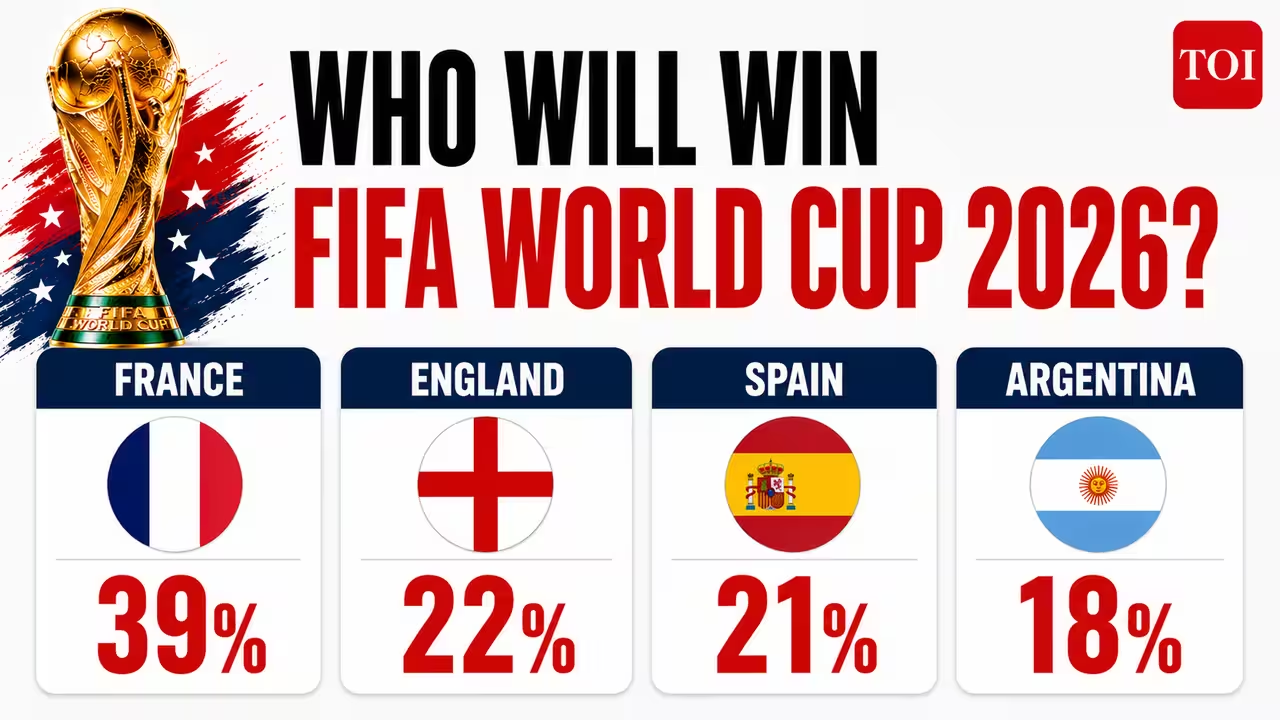
The world’s four highest-ranked teams are also the last four standing at the 2026 World Cup — the first time that has happened since FIFA rankings were introduced. Coincidence? Not entirely.Spain, Argentina, France and England still had to win their groups and survive three knockout rounds. But before the tournament, FIFA introduced a draw system designed to stop them meeting one another too early.Spain and Argentina were placed in opposite halves of the draw, as were France and England, with each occupying a separate quarter of the knockout bracket. Provided they won their groups, none could face another member of the top four before the semi-finals.Ticket prices soar for England vs Argentina | World Cup Daily BriefingFelipe Cardenas and Luke BosherThey all won their groups, so Argentina began the knockouts against Cape Verde, Spain faced Austria, France played Sweden, and England met DR Congo. FIFA could not guarantee the final four — after all, the teams needed to win their games — but the system has produced exactly the semi-final line-up it was intended to make possible.Here, we take a deeper look at how it all worked — and why this is new for 2026.What is the pairing system?FIFA used its rankings to separate the tournament’s four leading seeds across the knockout bracket. Spain, ranked No 1 when the draw was made, were paired with No 2 Argentina and placed in opposite halves. That meant they could not meet before the final.Third-ranked France and fourth-ranked England were also placed on opposite sides. The four teams therefore entered separate quarters of the bracket and could not meet before the semi-finals, provided each won its group.It is similar to the way a tennis draw separates its leading seeds. FIFA did not predetermine the results or select the opponents, but it did decide which section of the bracket each top seed would enter as a group winner. It described the arrangement as creating “two separate pathways to the semi-finals”.England are the fourth ranked team (Justin Setterfield/Getty Images)Is this new?Yes. This is the first time FIFA has designed a men’s World Cup draw specifically to prevent the four highest-ranked teams meeting before the semi-finals.It used the same basic principle at the 2025 Club World Cup, although Real Madrid were the only one of the four leading seeds to reach the last four.The change was announced before the World Cup draw in December, when FIFA confirmed that Spain and Argentina would be put in opposite pathways, with France and England separated in the same way.
The World Cup’s final four are FIFA’s four top-ranked teams. Is this a coincidence? Not exactly
FIFA implemented a new system for the World Cup draw and it has worked out as they might have hoped
1,174 words~5 min read