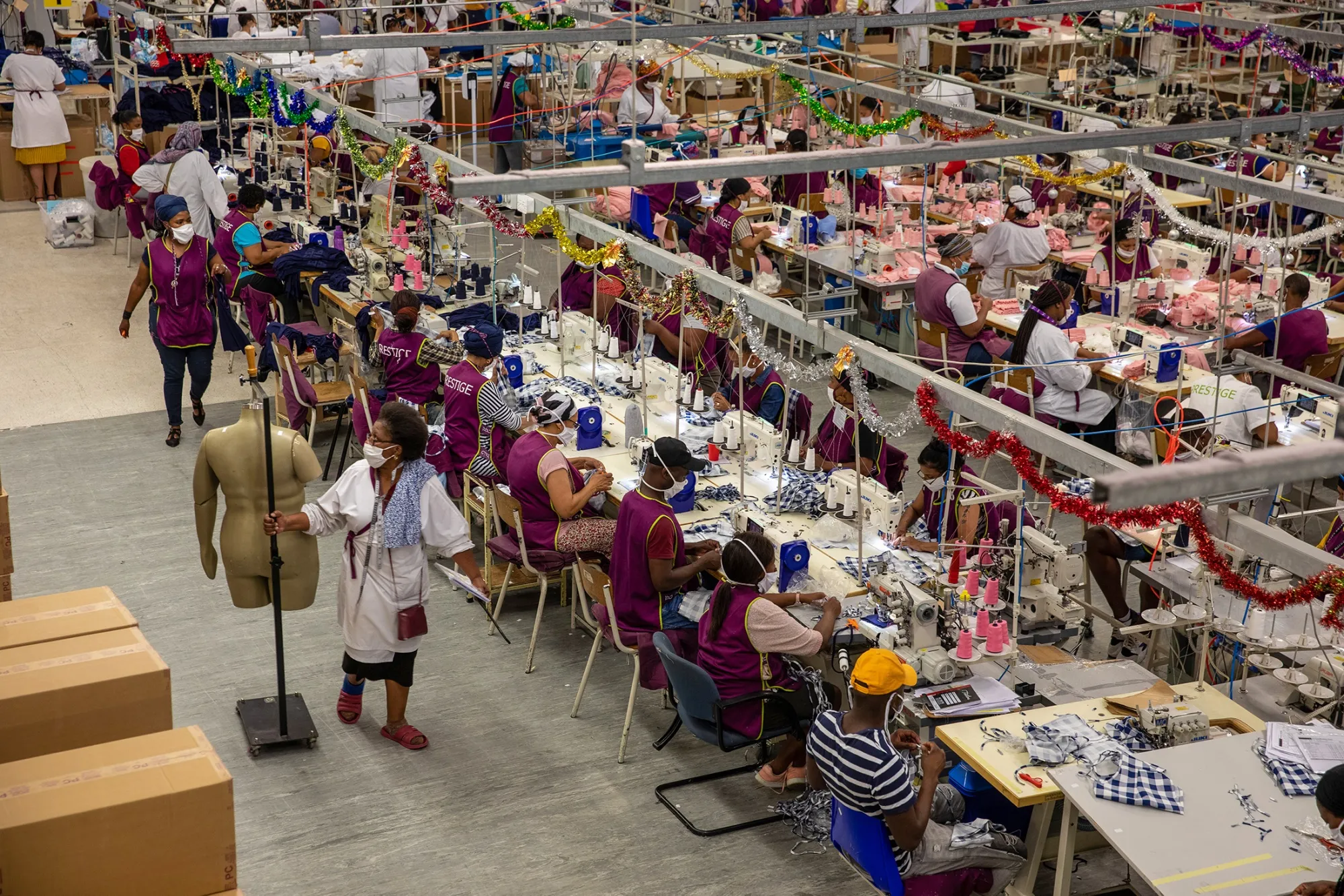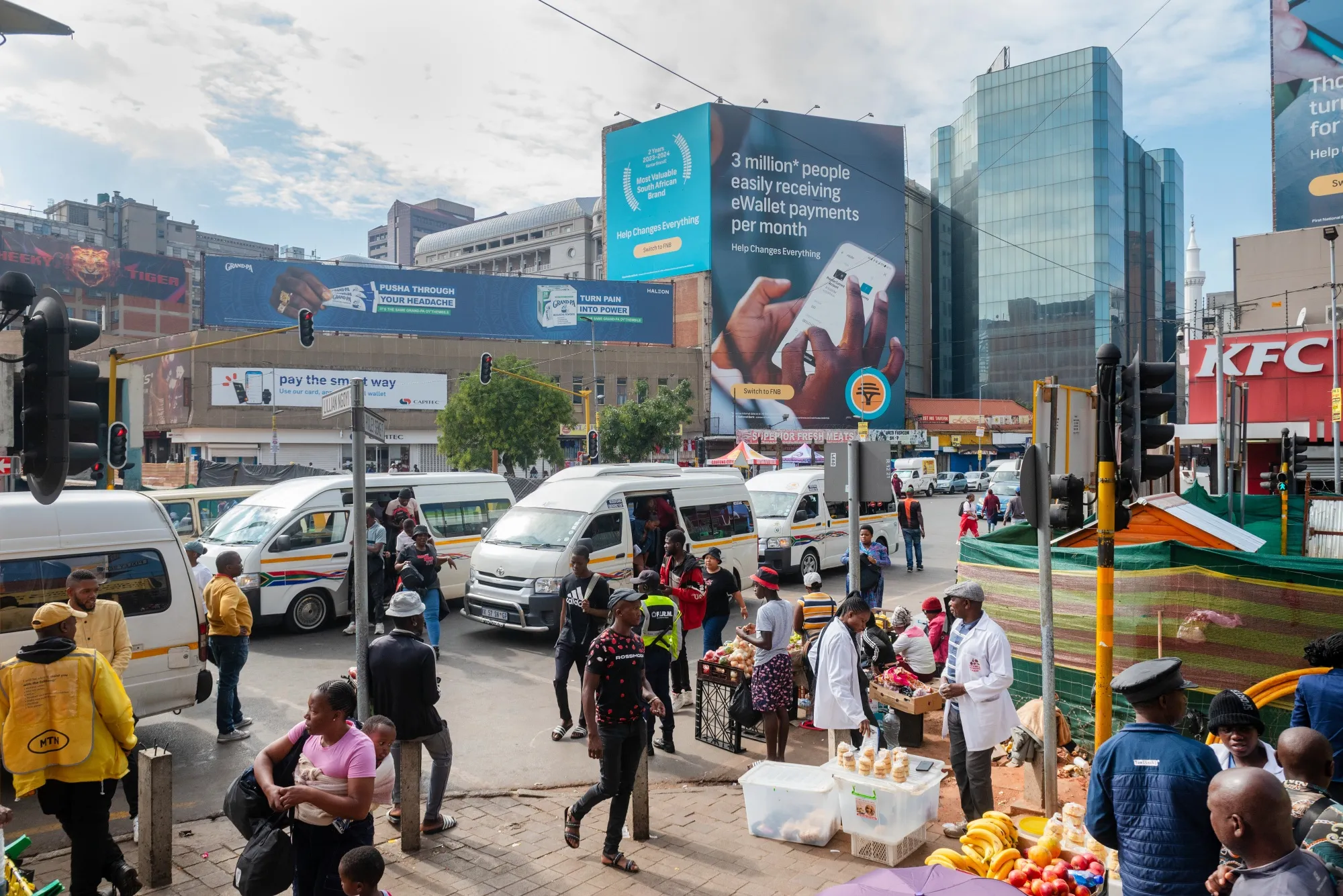
Africa’s private sector regained momentum last month as easing energy prices and improving business confidence lifted activity across more economies at the end of the first half of the year.
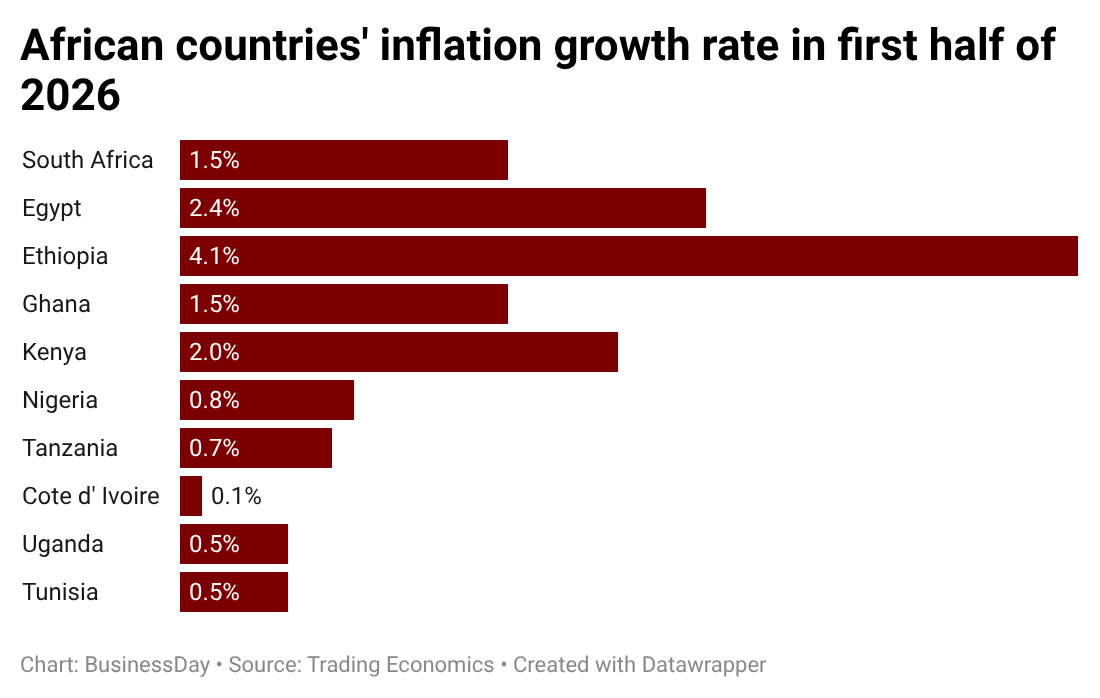
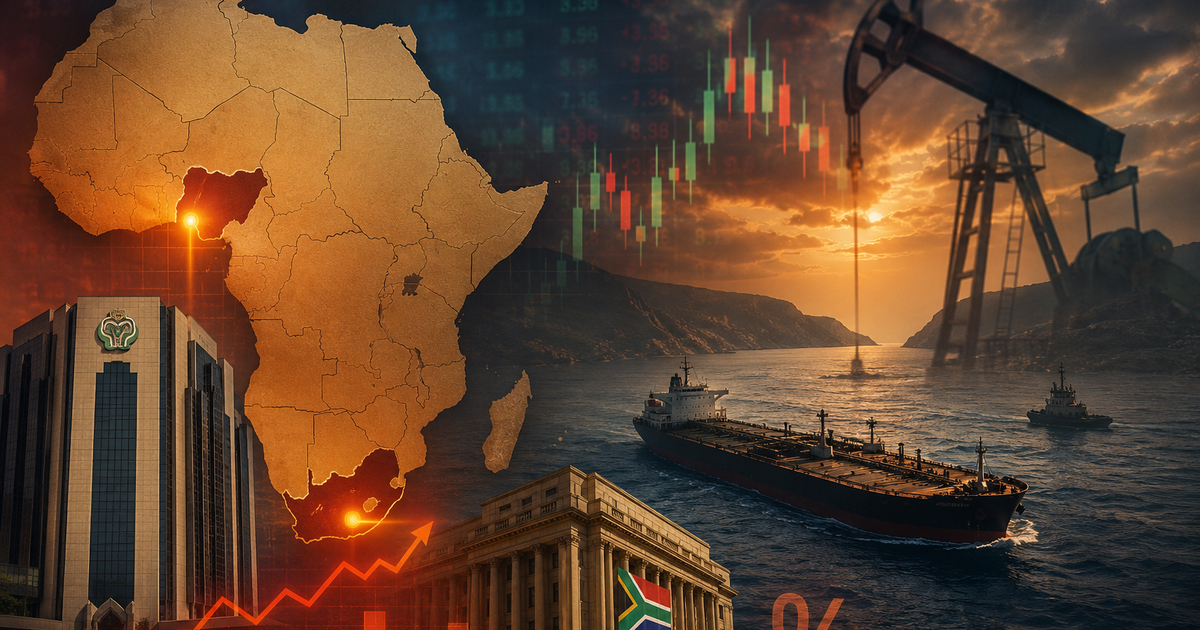
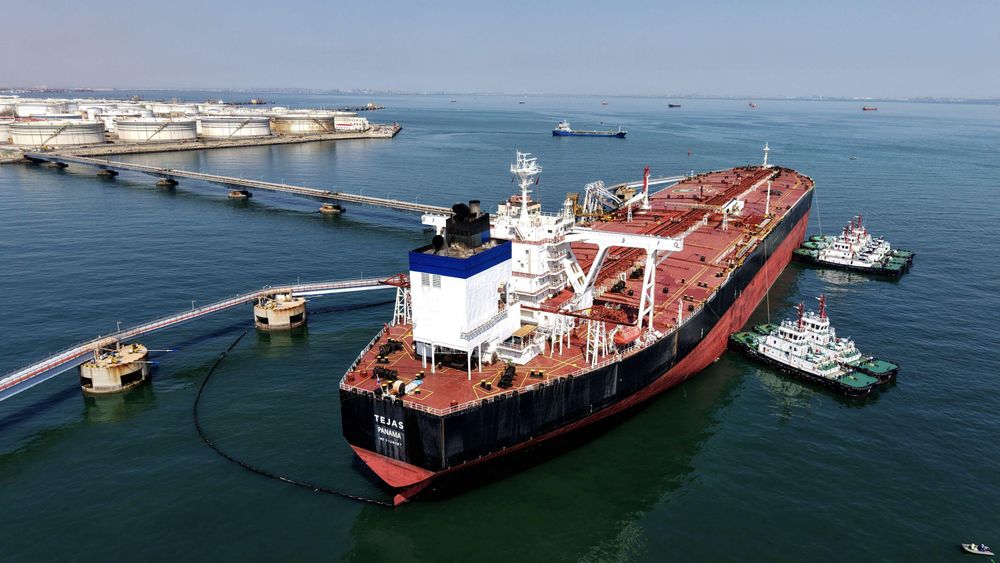
But that fragile recovery now faces a fresh threat after Iran announced on Sunday that it would close the Strait of Hormuz, raising the risk of another oil price shock that could reignite inflation, weaken consumer spending, and slow business activity across the continent.
The closure of the world’s most strategic oil shipping route comes a few days after Purchasing Managers’ Index (PMI) surveys showed business conditions improving across much of the continent, buoyed by lower fuel costs following the temporary easing of tensions in the Middle East.
A prolonged disruption to crude shipments could quickly reverse those gains, particularly in Africa’s net oil-importing economies, where higher energy costs feed directly into inflation and operating expenses.
BusinessDay’s analysis of PMI data across eight African economies shows that five recorded an expansion in private-sector activity in June, while three remained in contraction. The improvement marked a rebound from May, when five economies contracted, although it remained below March’s performance, when only two economies reported weaker business conditions. Three economies contracted in April.