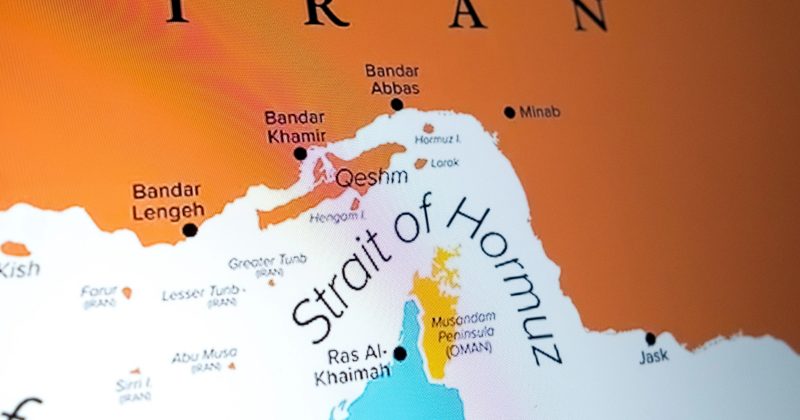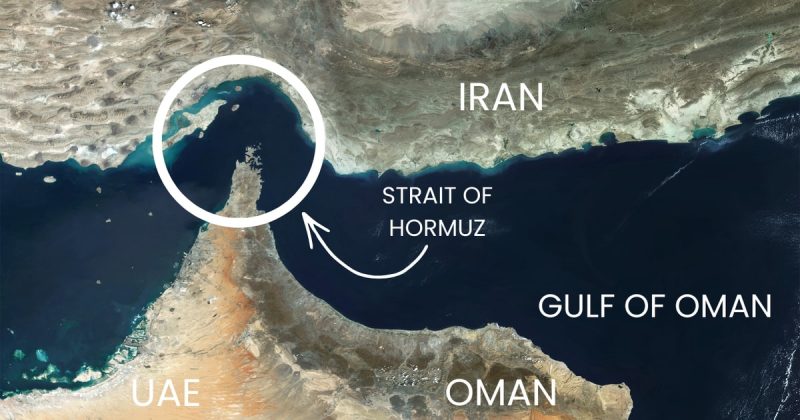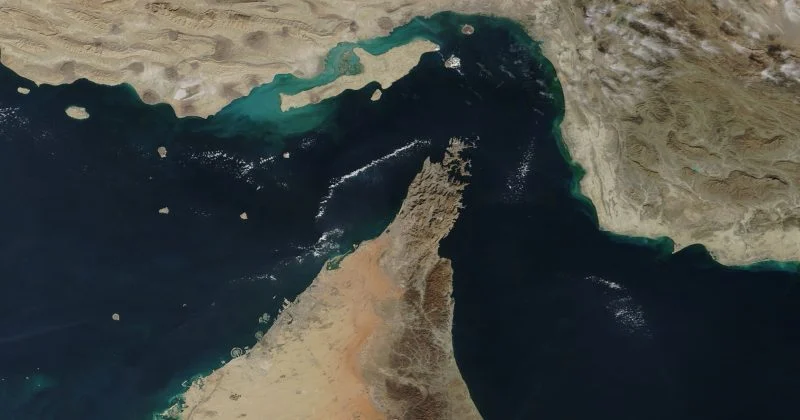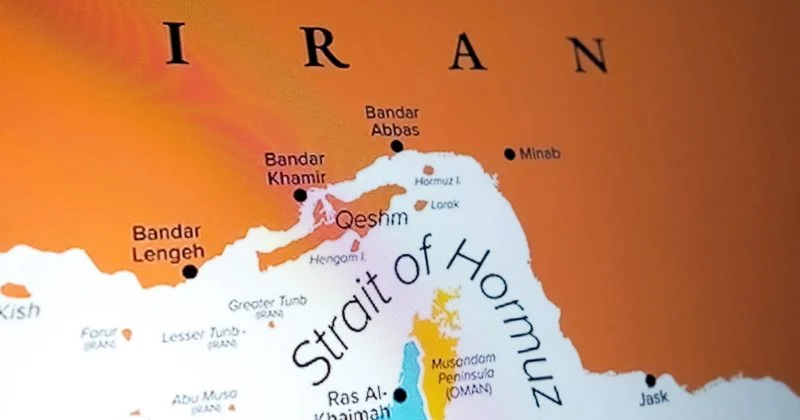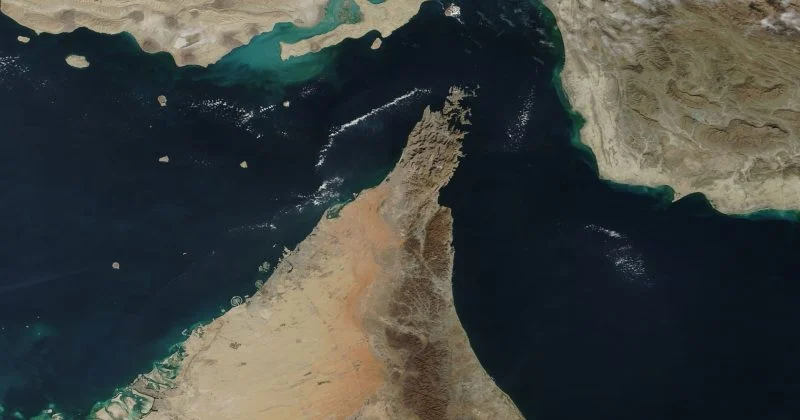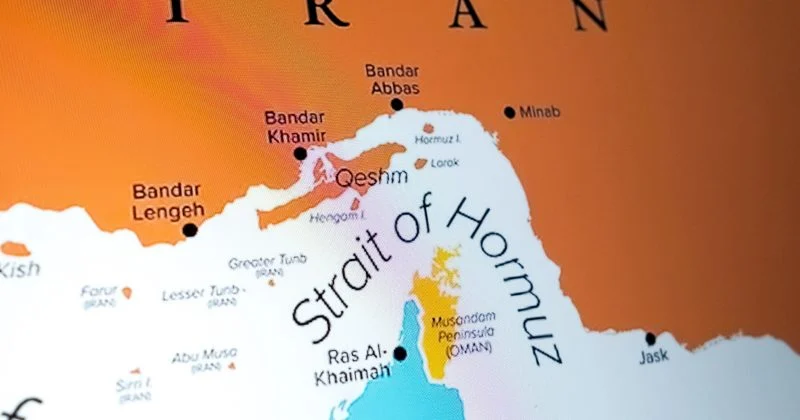
Iran’s leadership perceives itself as the dominant power in the Gulf following the 2026 conflict, bolstered by the strategic control of the Strait of Hormuz. Tehran appears to interpret the U.S. and Israeli actions earlier this year as ineffective in altering its regional influence. The control of the Strait, a vital checkpoint for global oil shipments, has seemingly become more significant to Iran than the prospect of sanctions relief from the United States. This posture reflects a long-term strategic approach by Iran, leveraging its control to exert pressure on Gulf economies heavily reliant on the Strait for oil exports.
The market for Strait of Hormuz traffic normalization by August 31 is currently pricing at 15.5% for a YES outcome, down from 18% just 24 hours ago, and dropping significantly from 34% a week ago. This pricing appears consistent with Iran’s increased assertiveness and the ongoing military tensions, which have included recent strikes by Iran on U.S. bases in the region. The situation remains fluid as the interim ceasefire deal has collapsed, leading to renewed hostilities and a tightened blockade of the Strait by Iran.
Key Takeaways
Iran’s posture appears consistent with scenarios where it acts as the dominant Gulf power post-conflict.