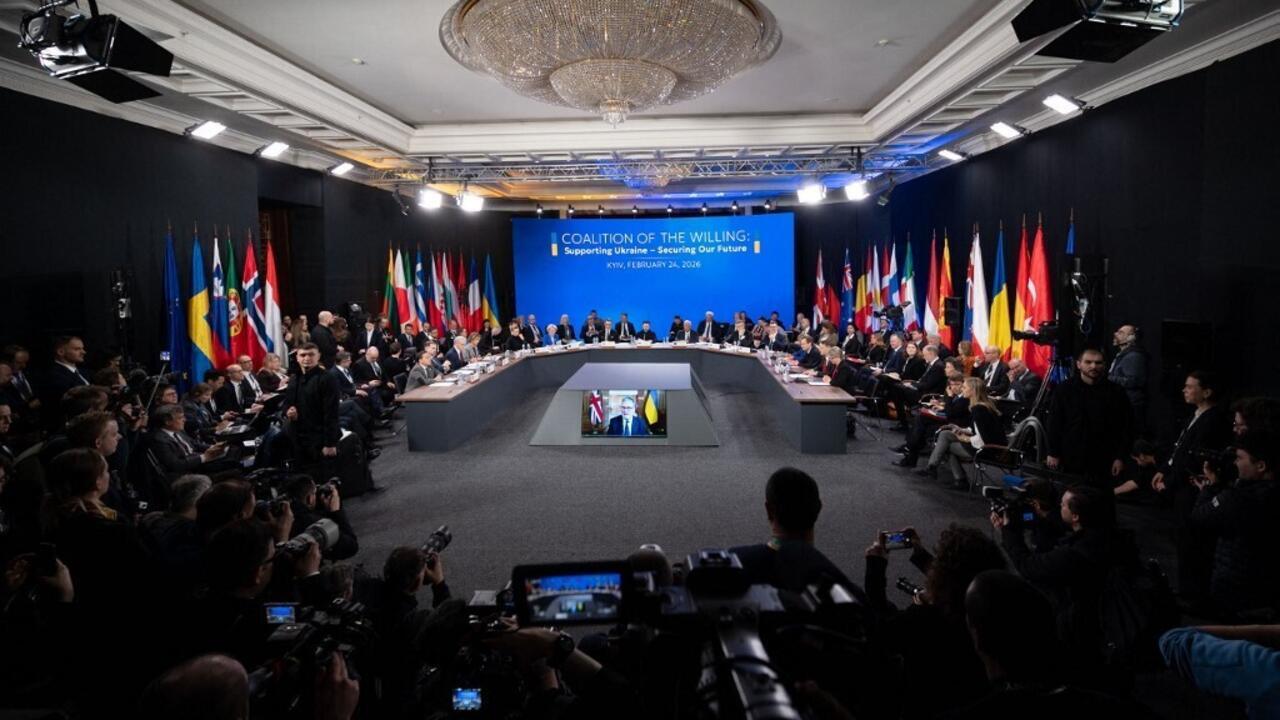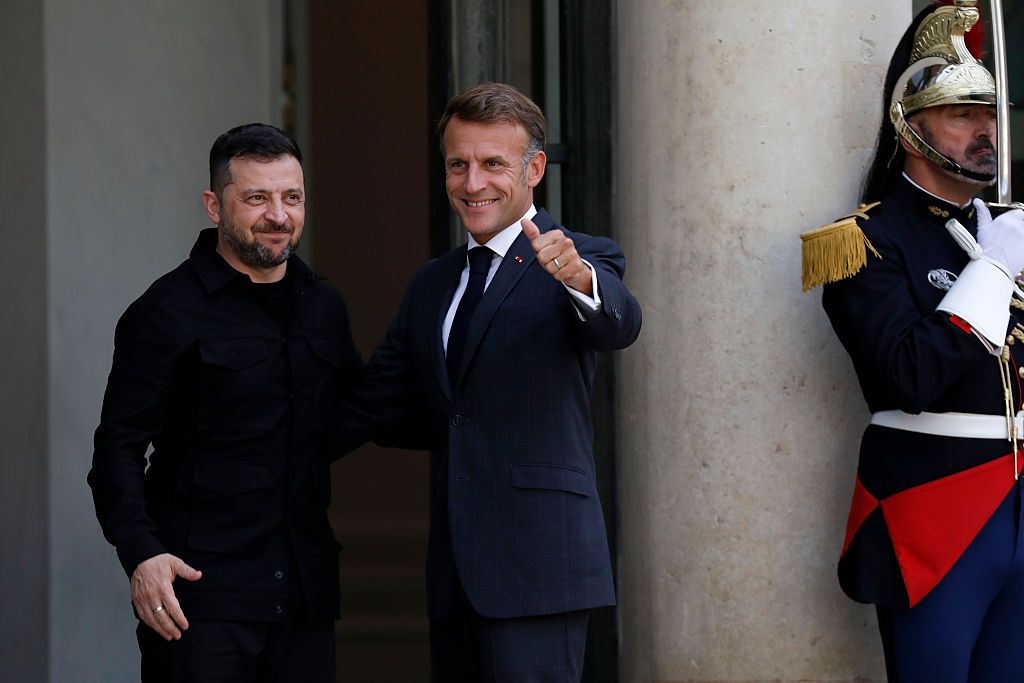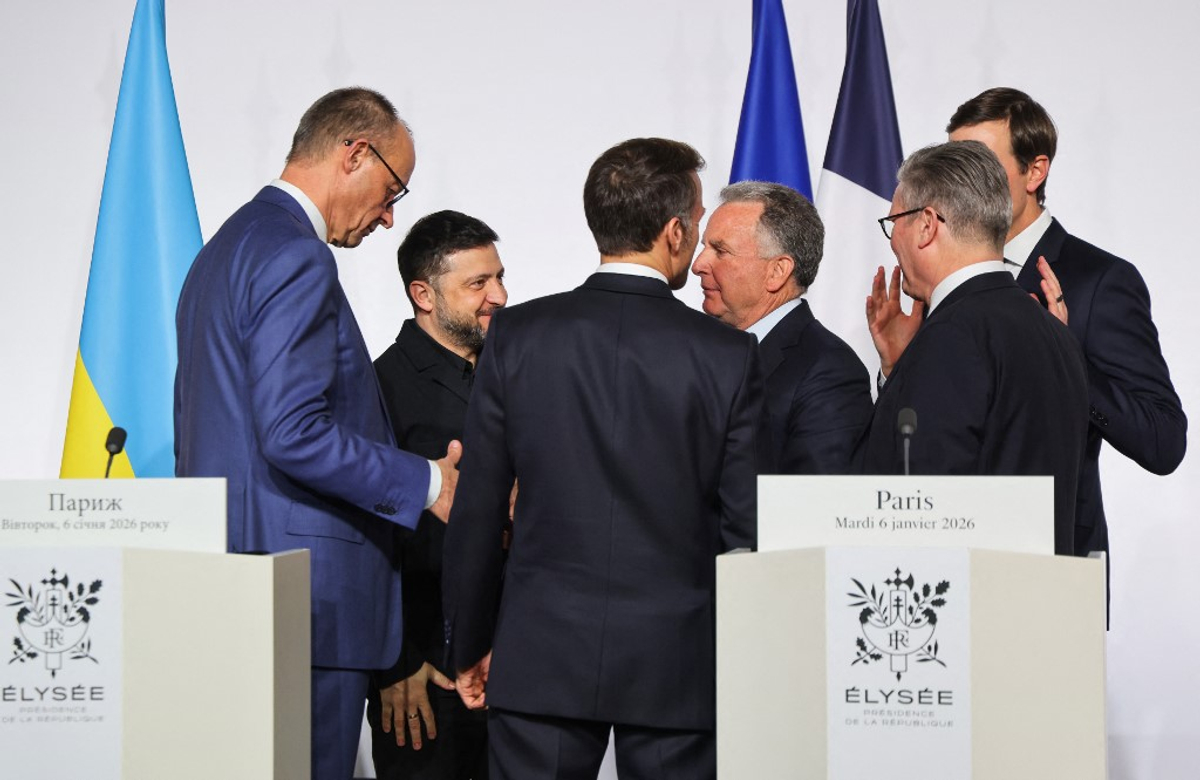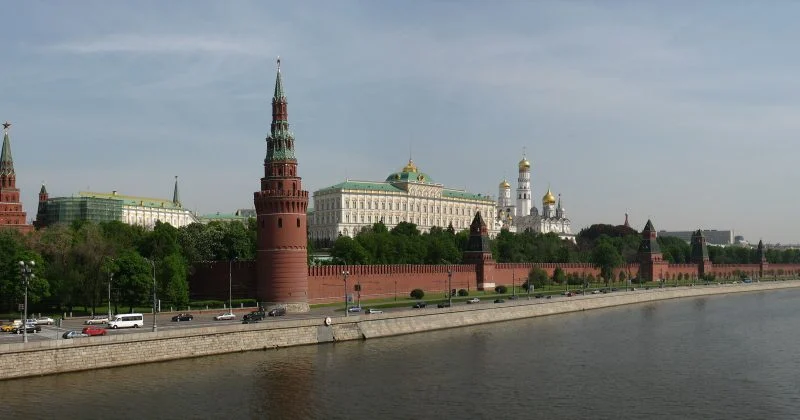
The Paris summit, attended by Ukrainian President Volodymyr Zelenskyy and leaders from the Coalition of the Willing, faced criticism from the Kremlin, which dismissed the gathering as counterproductive to peace efforts. Moscow’s statement, emphasizing that the summit’s leaders “do not want peace,” reflects ongoing tensions as Russia continues its military objectives in Ukraine. The summit was aimed at reinforcing security guarantees for Ukraine, including a US-led ceasefire monitoring mechanism and a multinational reassurance force. This development occurs amid a backdrop of Russia’s intention to intensify military actions in the Donbas region by the end of the year.
The Kremlin’s strong response to the summit is indicative of its stance against frameworks that exclude Russian participation. The focus of the summit on long-term military support and countermeasures against Russia’s activities underscores a shift toward sustained conflict rather than an immediate resolution. This geopolitical dynamic appears to have influenced market pricing on the likelihood of a ceasefire agreement between Russia and Ukraine by the end of 2026.
Key Takeaways
Market behavior suggests a decreased likelihood of a Russia-Ukraine ceasefire agreement by December 31, 2026, following the Kremlin’s dismissal of the Paris summit.