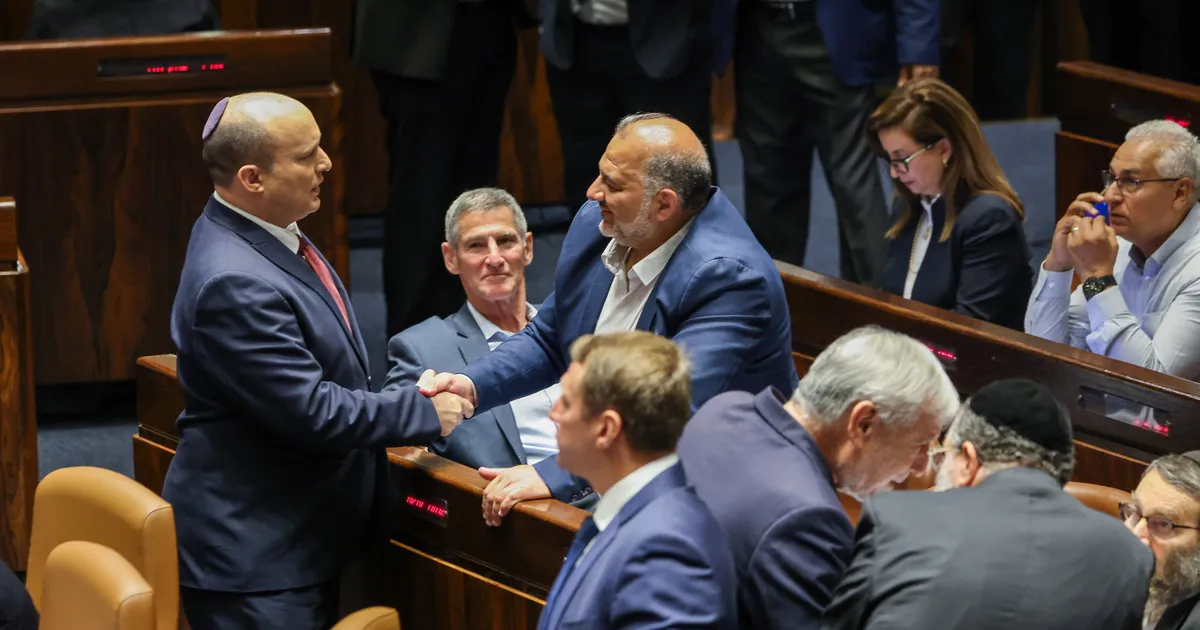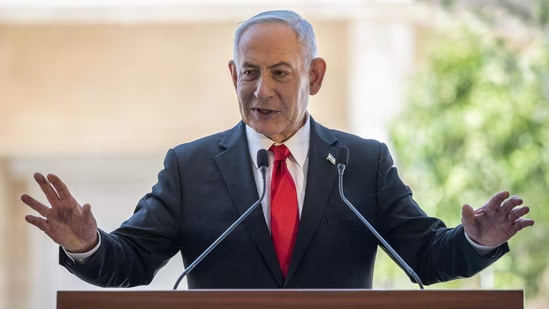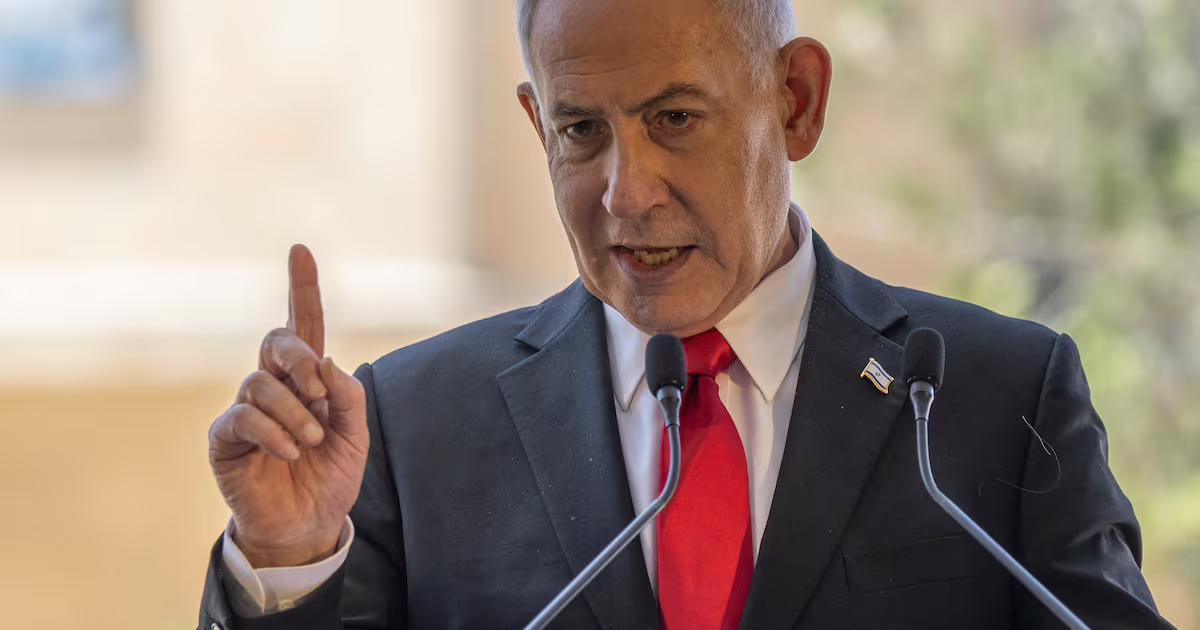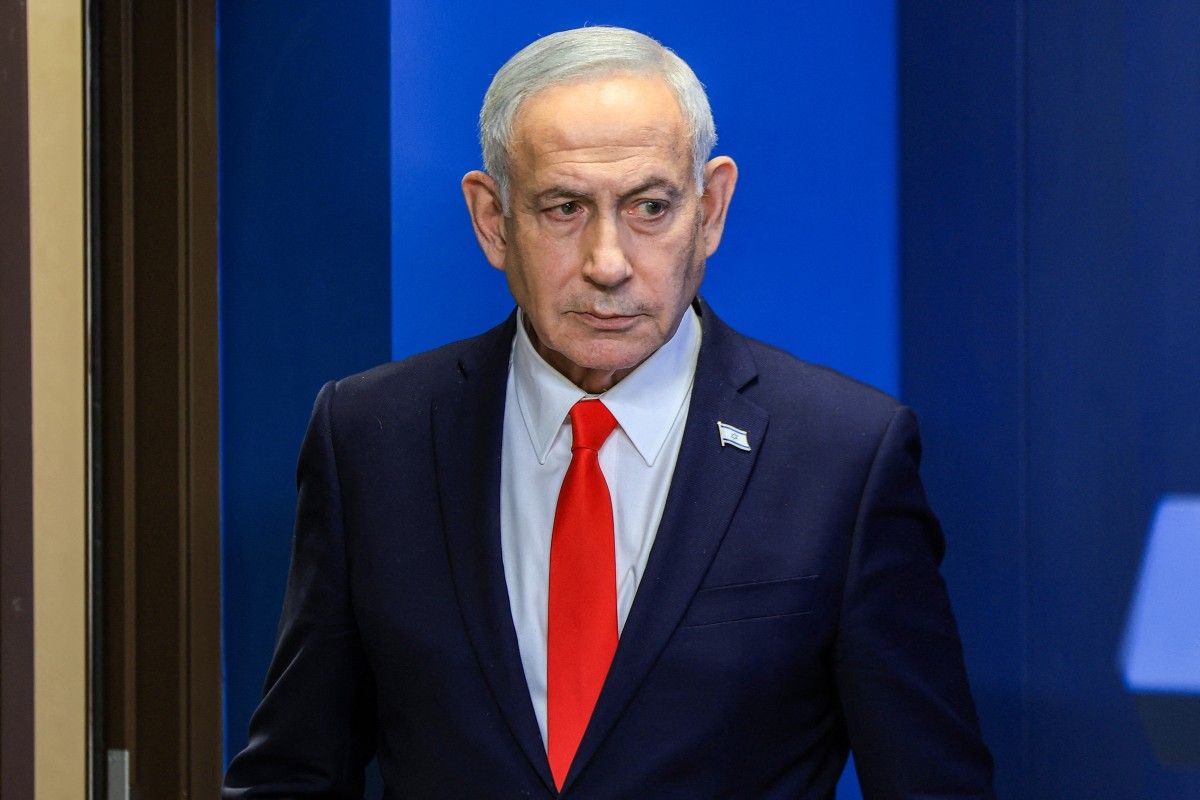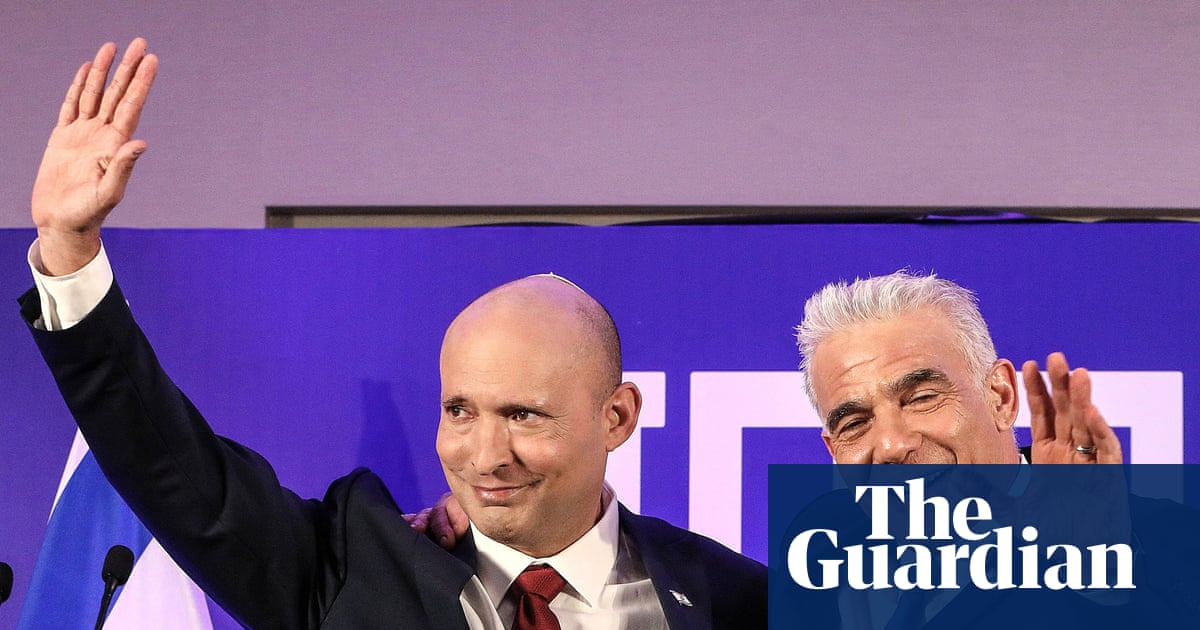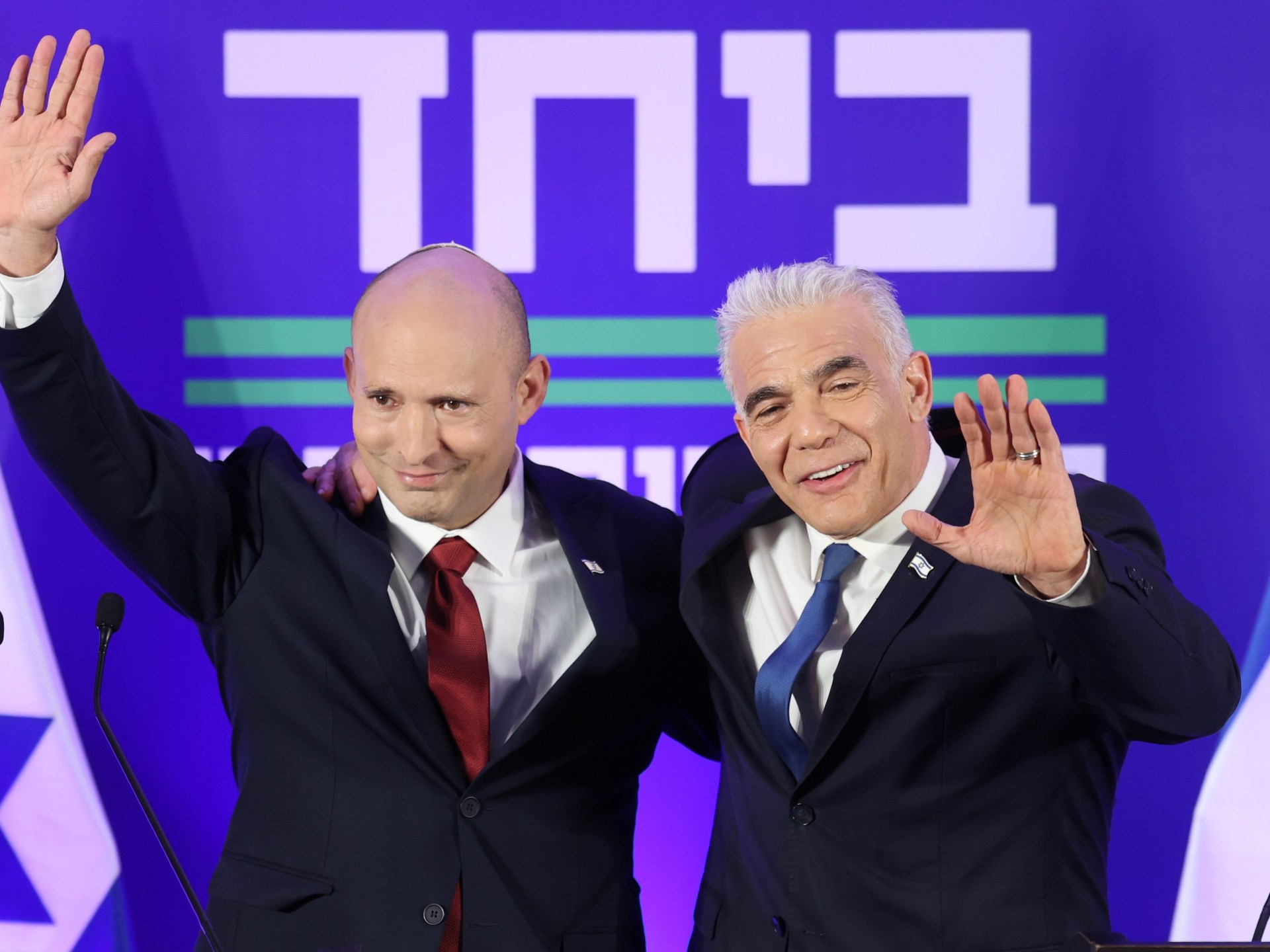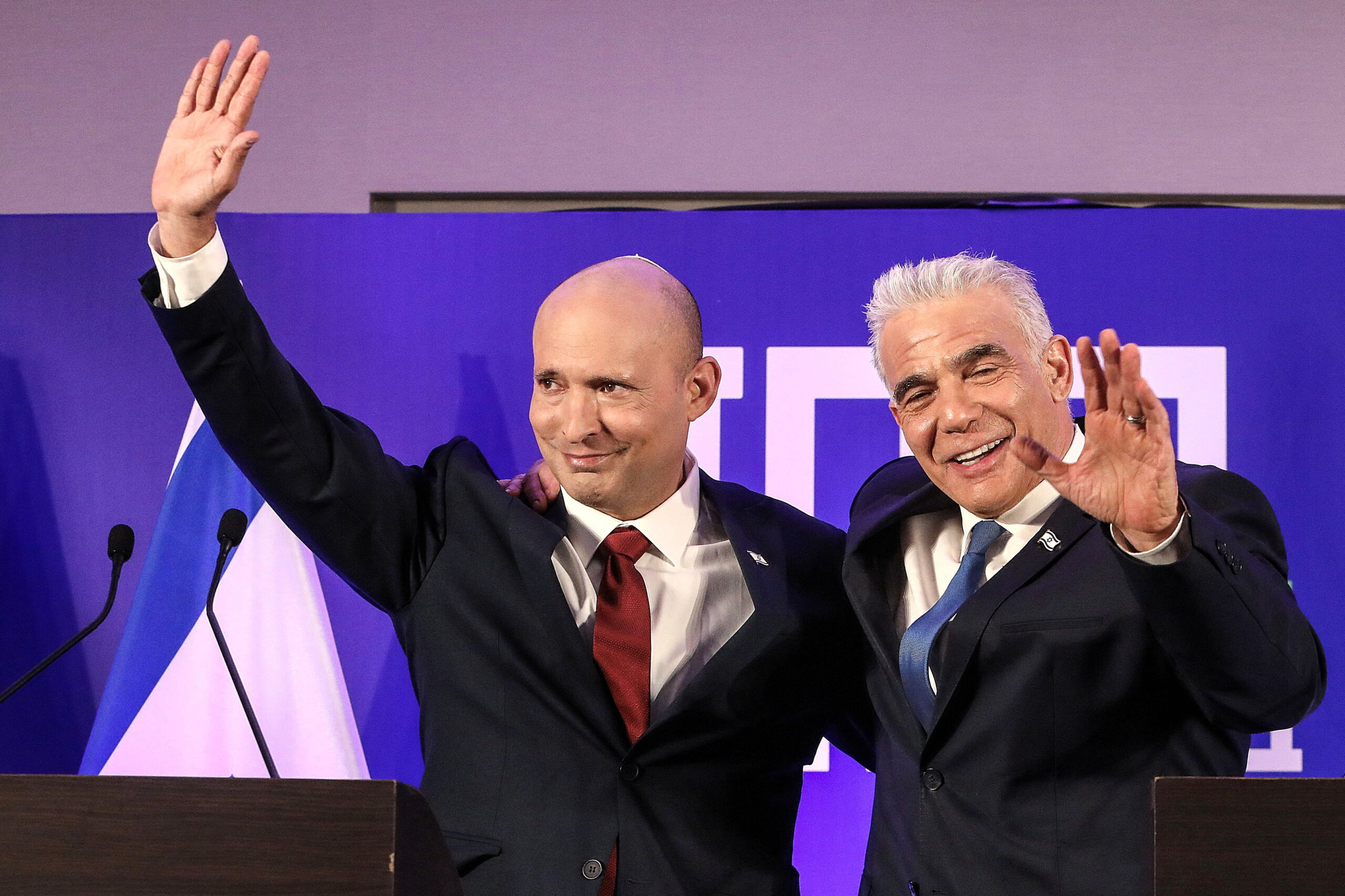
The unexpected political reunion of former prime ministers Naftali Bennett and Yair Lapid this spring was the opening twist in what is shaping up to be a heated fall election campaign in Israel. The election, currently expected to take place in October 2026, is unfolding against a regional backdrop transformed since October 7, 2023, and it could open a narrow window for Israel to reset its regional strategy and create momentum to expand participation in the Abraham Accords.
The war in Gaza has strained Israel’s ties with its existing partners in the accords and caused Saudi Arabia to harden conditions for normalization. The war and associated regional conflicts also have weakened Hamas and Hezbollah, inflicted military setbacks on Iran, and contributed to regime change in Syria. All of these regional developments will likely affect the election campaign—and the future of Israeli politics.
A political system under pressure
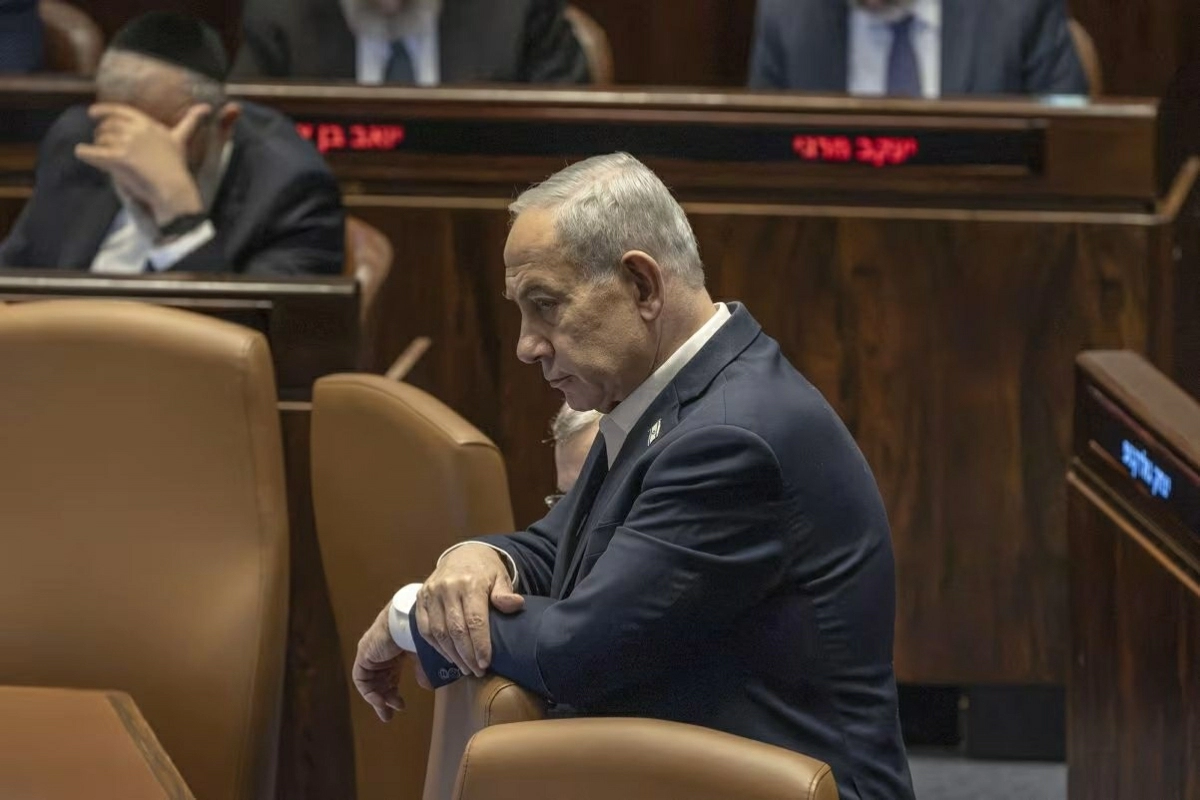
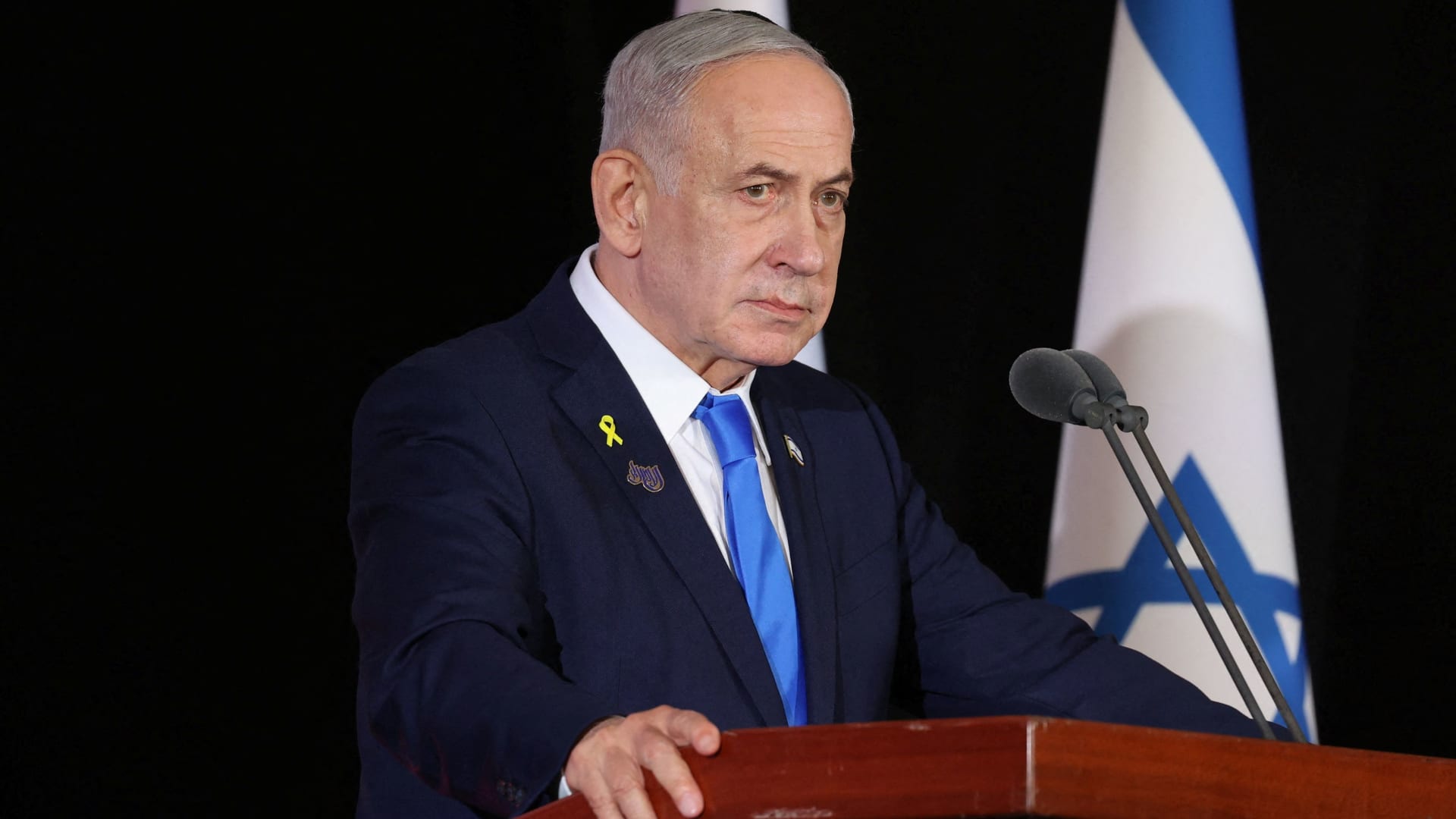
Israel enters this campaign season with an unusual mix of military achievement and political fragility. The Israeli public has shown declining trust in its government since October 7. By the end of 2025, only about a quarter of Israelis expressed confidence in the government. On the other hand, around three-quarters of the population supported the establishment of a state commission of inquiry into the failures surrounding the Hamas attack. Although Prime Minister Benjamin Netanyahu managed to avoid calling a surprise election earlier that year by getting the budget passed, his coalition is facing increasing public and political pressure.