By
Benjamin Hart,
staff editor at Intelligencer who joined New York in 2017
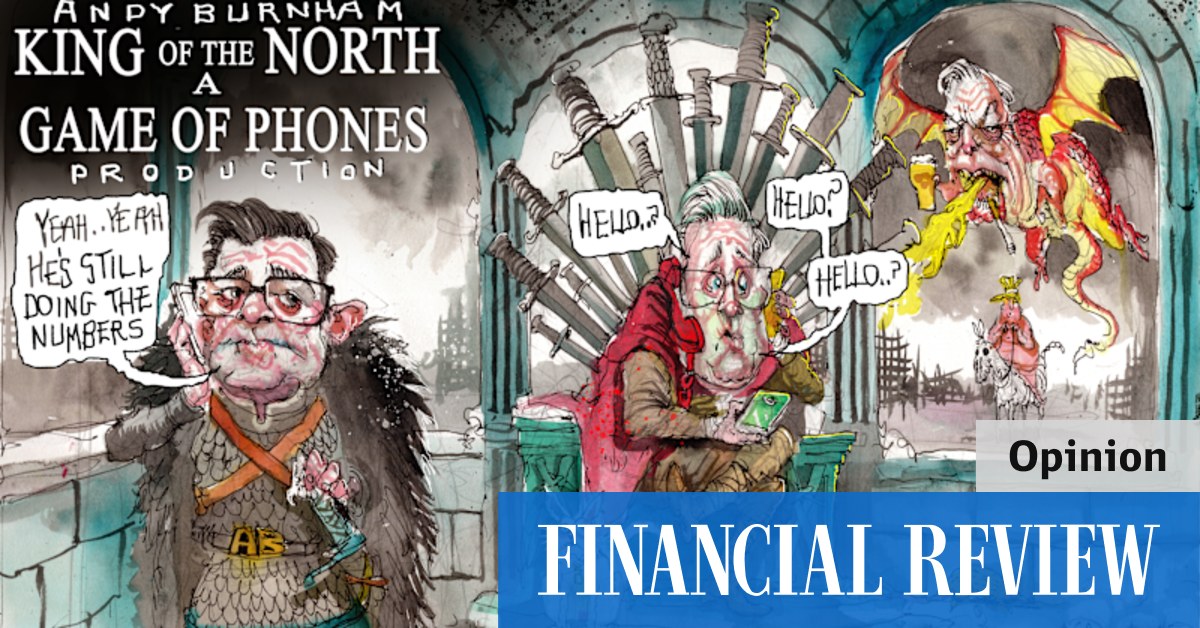
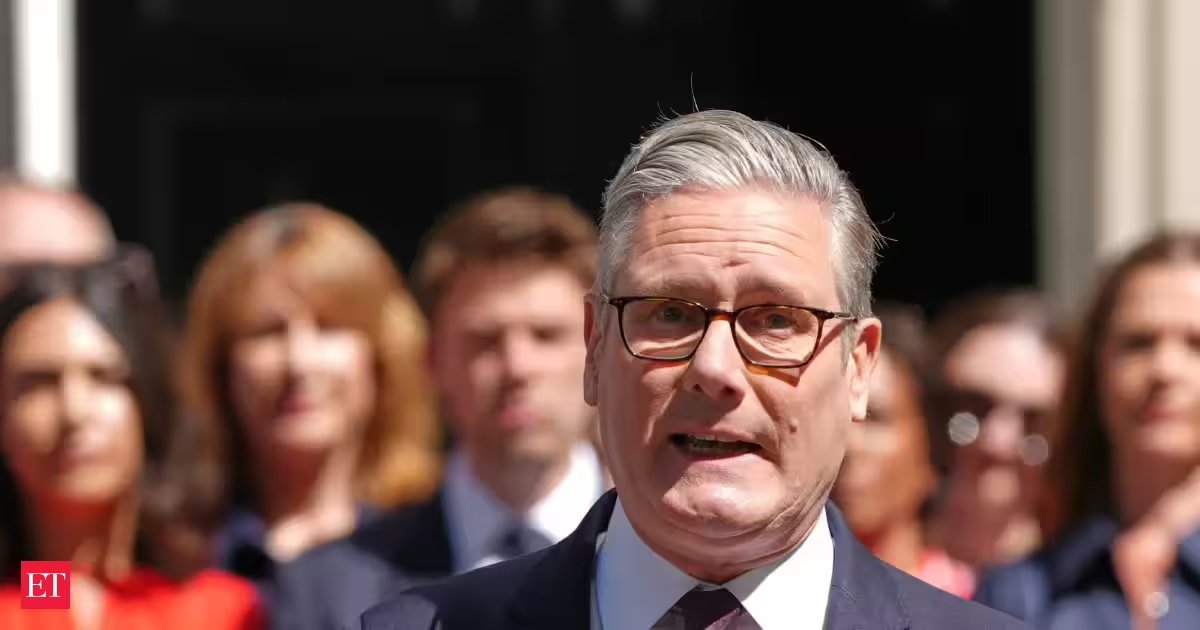
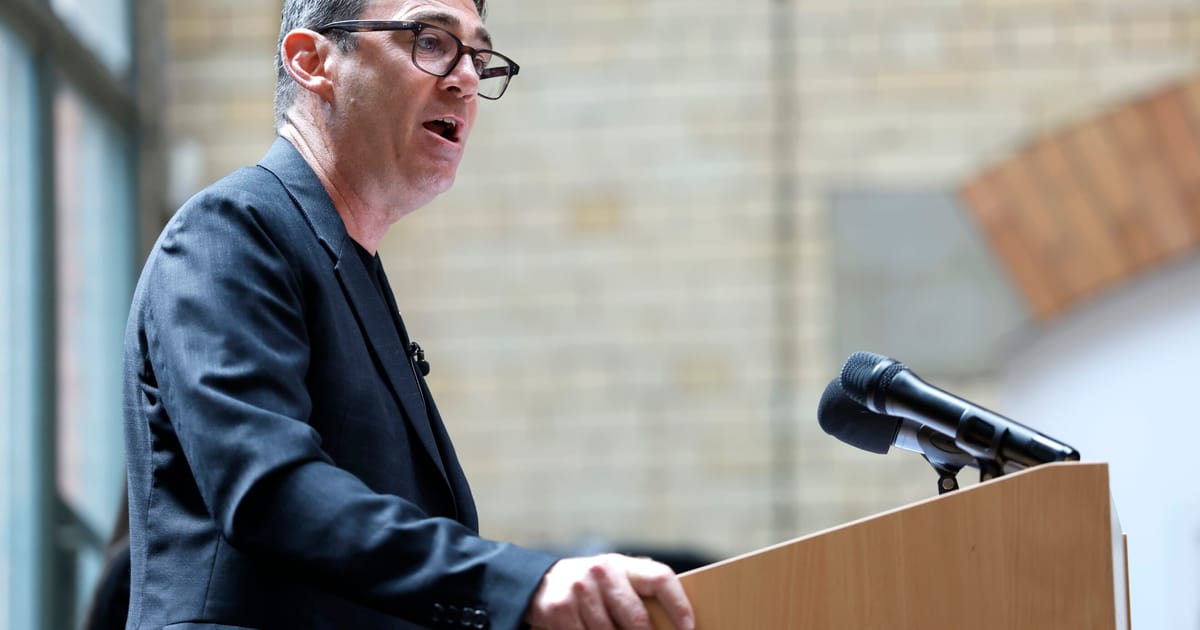
Unlike one of his recent predecessors, Keir Starmer lasted considerably longer than a head of lettuce. Still, his tenure as prime minister can still be judged a major disappointment. Just two years ago, the Labour Party won a resounding (if not entirely convincing) victory after 14 years of Conservative rule. Starmer was supposed to be a grounding force after a dizzying succession of short-lived Tory prime ministers, but his time in office quickly became marked both by indecisiveness and poor judgment. With Starmer flailing on almost every front — the economy, health care, Jeffrey Epstein-adjacent scandal — and three years before another mandatory general election, the party more or less collectively decided to toss Starmer overboard and try their luck with a new leader: Andy Burnham, a veteran Labour lawmaker and cabinet member who served as mayor of Greater Manchester for almost a decade. After some electoral maneuvering, Starmer announced his resignation in June, and Burnham could take the reins as soon as next week.
Burnham is more of a populist than Starmer, perhaps a better match for anti-establishment times. More importantly, he is a talented communicator and possesses a political skill Starmer lacks: charisma. The question is whether Burnham — or anyone — can effectively govern a country that has lurched from crisis to crisis for more than a decade, and which is contending with sluggish economic growth, a newly shaky relationship with its oldest ally, and the long hangover from the disaster that was Brexit. For some perspective on that question, I rang up Stephen Bush, a prolific political commentator who is a columnist and associate editor at the Financial Times.