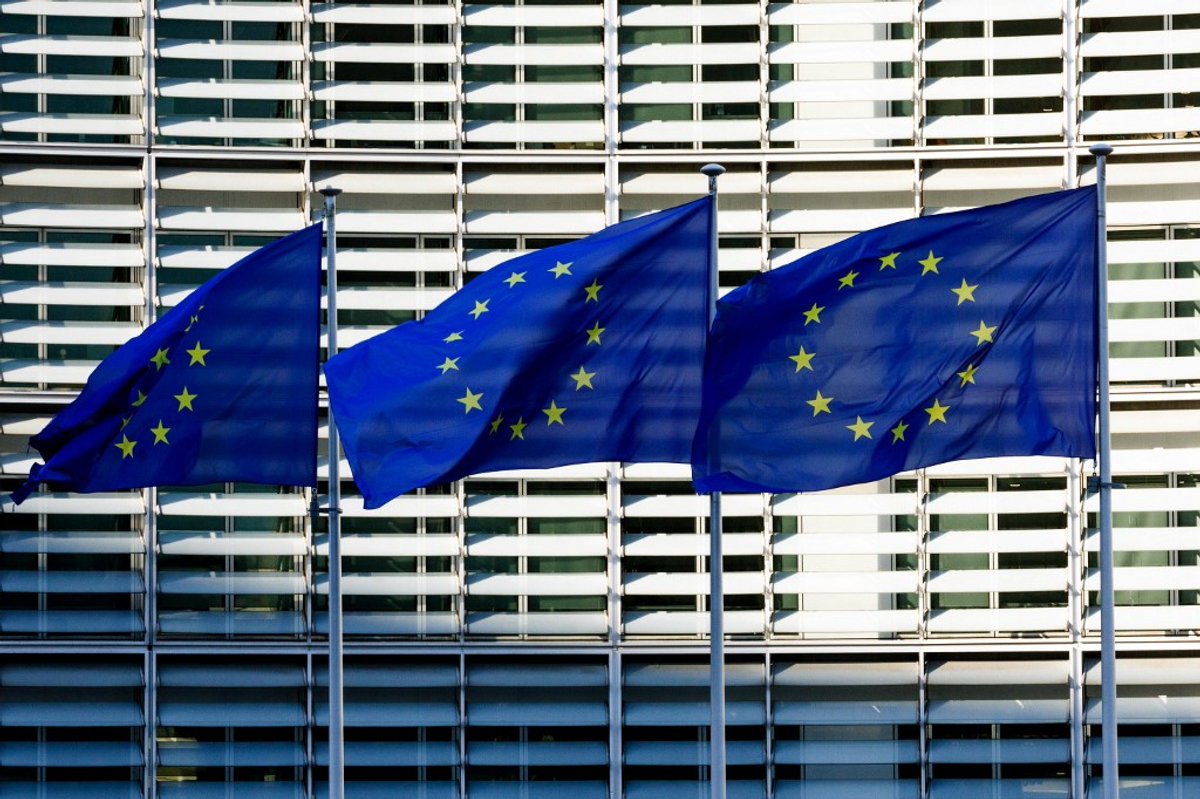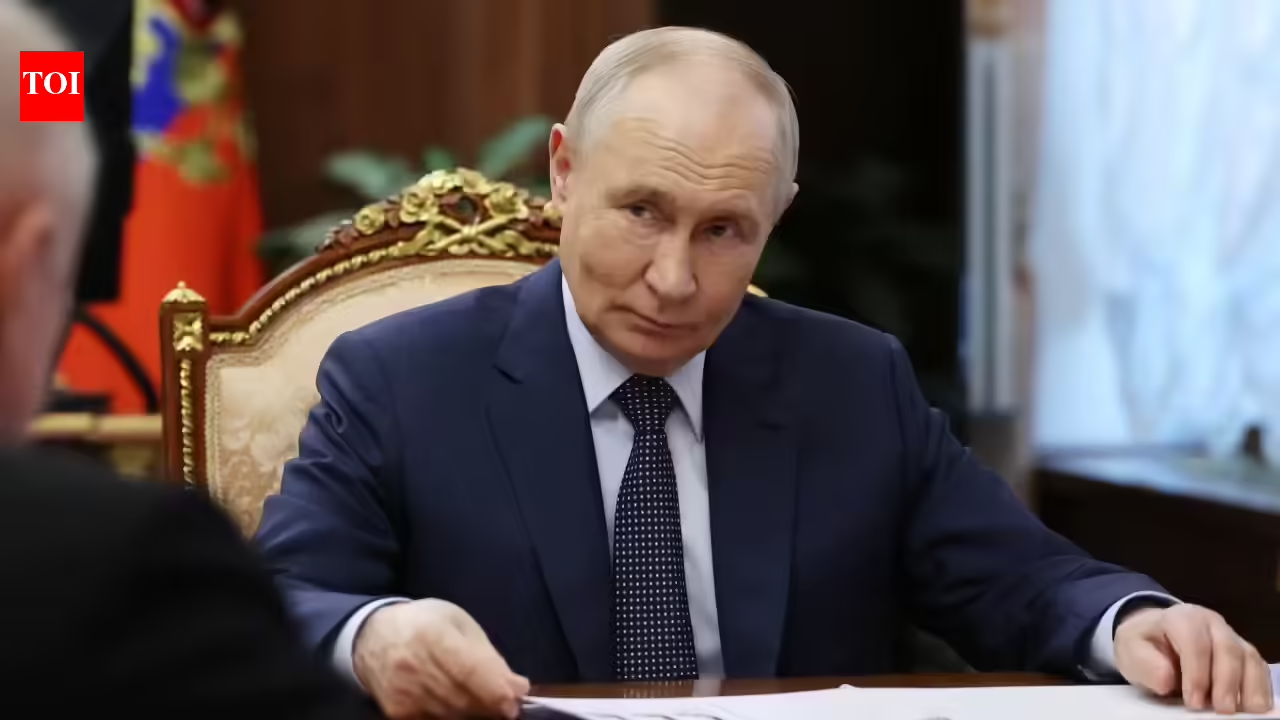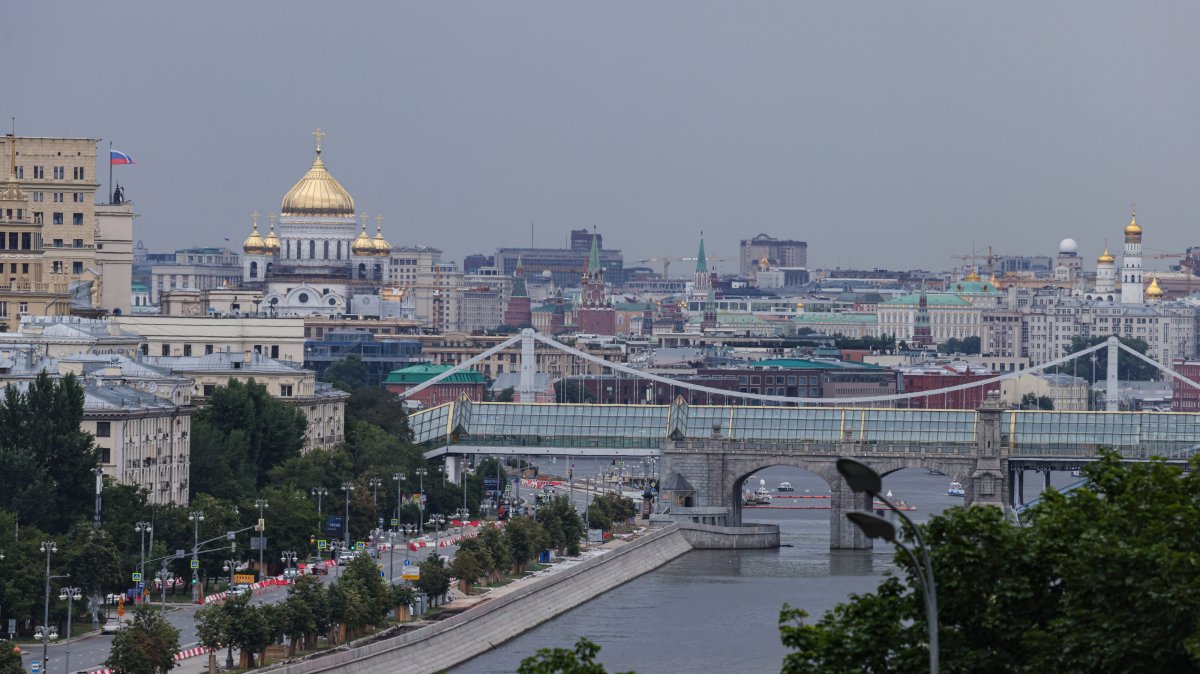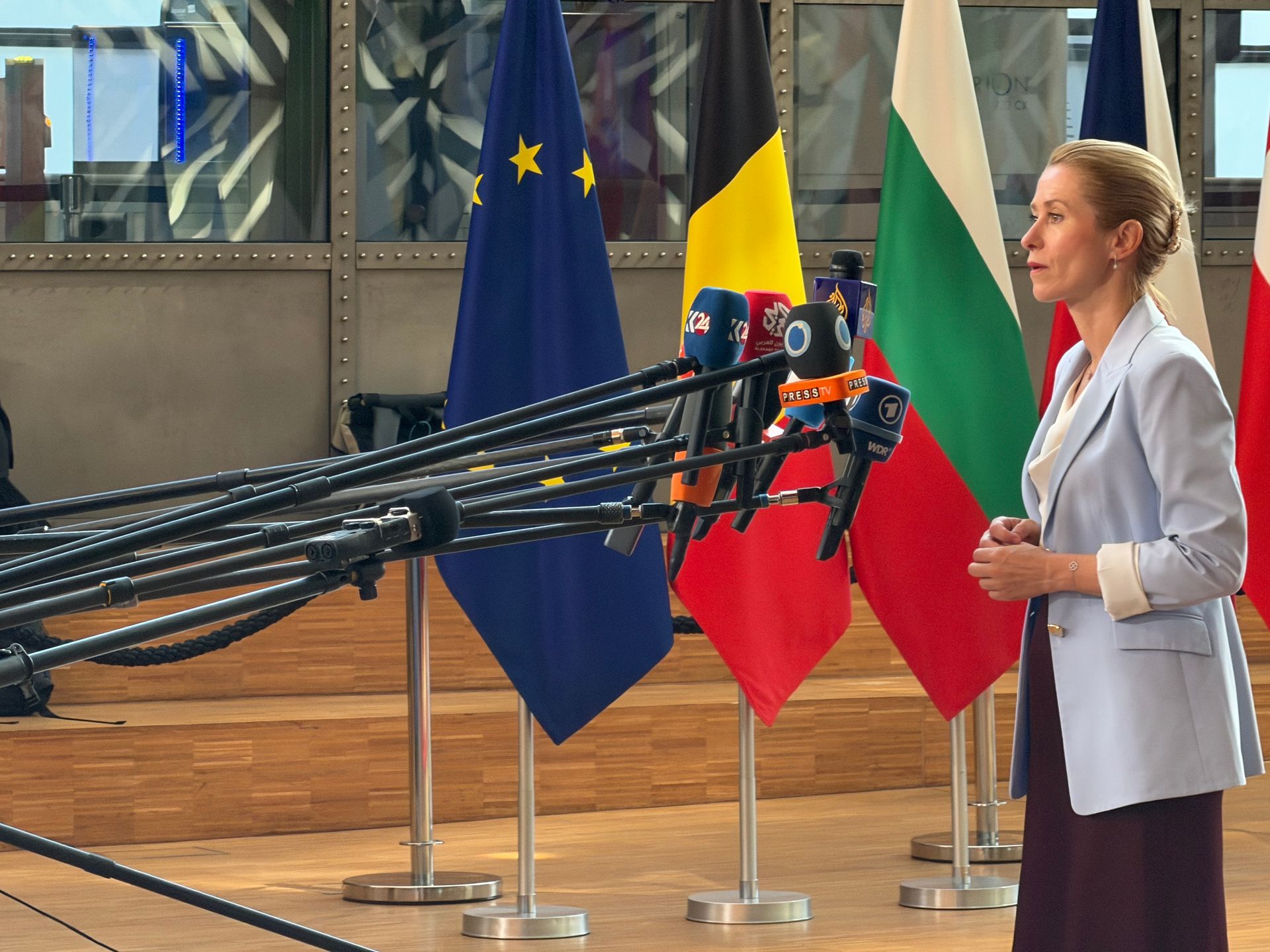
The European Union and the United Kingdom have jointly imposed a series of sanctions targeting 33 Russian-linked individuals and entities accused of conducting cyber attacks across Europe. These measures specifically address actors allegedly connected to Russia’s Federal Security Service (FSB), highlighting the intelligence service’s role in a campaign of cyber activities. This move represents an escalation in the hybrid warfare strategy employed by Western nations against Russia, amid ongoing tensions related to the conflict in Ukraine.
Markets appear to interpret the sanctions as increasing international pressure on Russia, possibly affecting its military strategies. With the ongoing conflict in Ukraine, these sanctions may influence Russia’s military actions, including potential advances into strategic Ukrainian cities. The sanctions reflect a broader strategy by Western countries to treat cyber operations as a substantial element of warfare, comparable to physical acts of sabotage.
The market for whether Russia will enter Sloviansk by December 31, 2026, reflects this development. Current pricing suggests a decrease in the likelihood of Russian military actions, with participants reacting to the increased sanctions pressure. Over recent days, the odds for Russia entering Sloviansk have shown fluctuations, consistent with the market’s interpretation of geopolitical developments.