Story audio is generated using AI
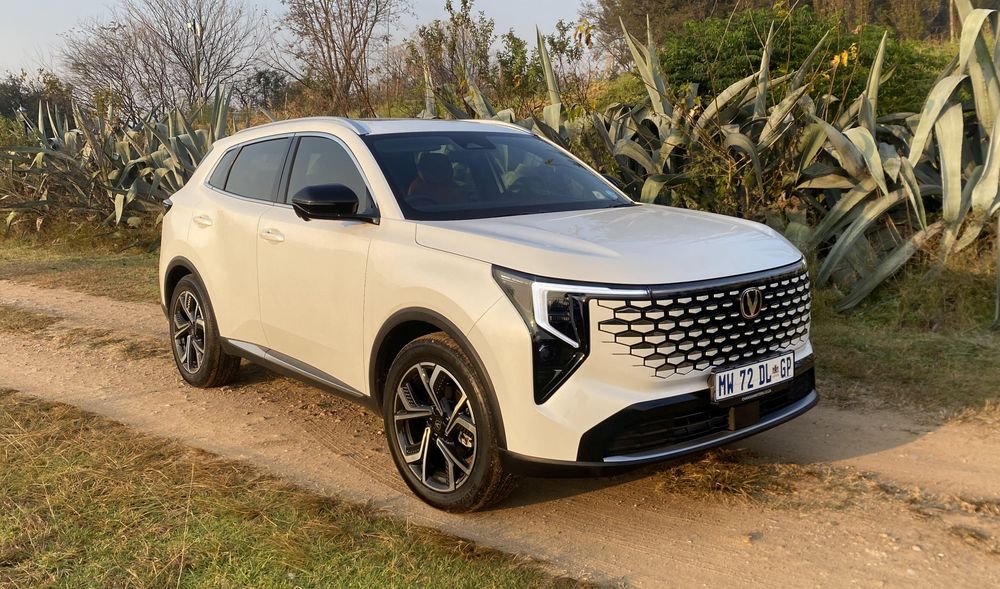
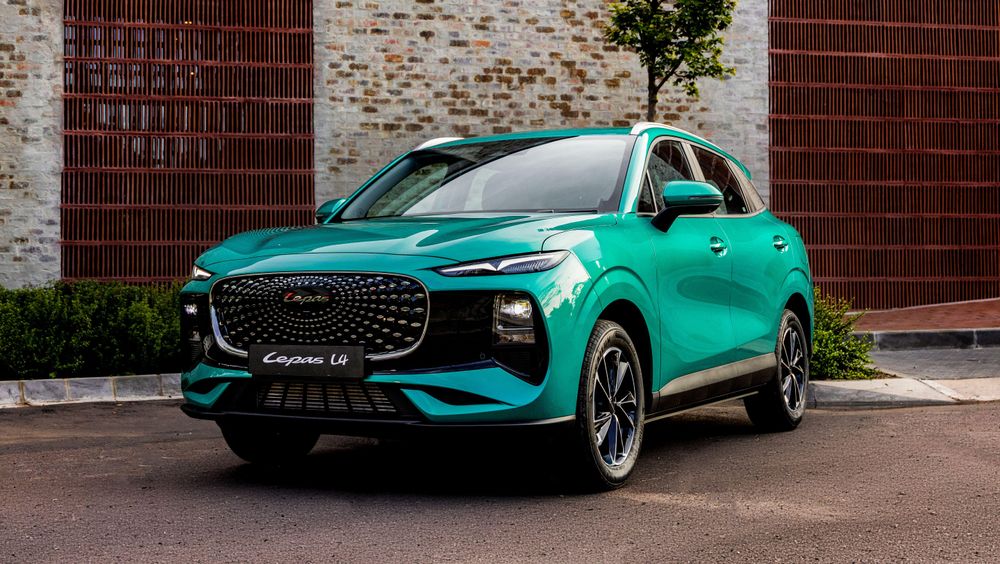
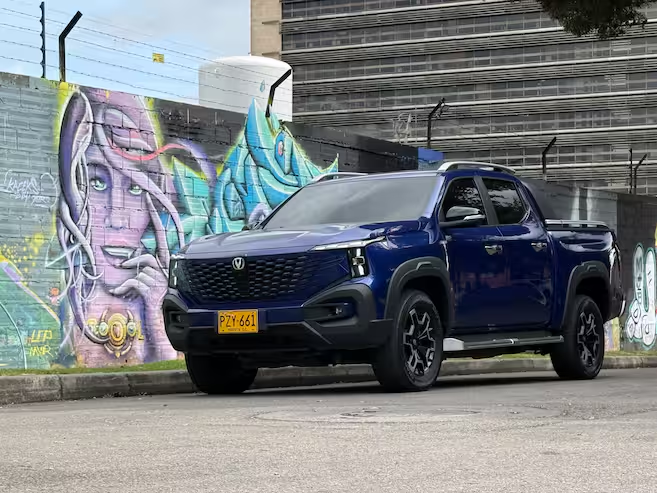
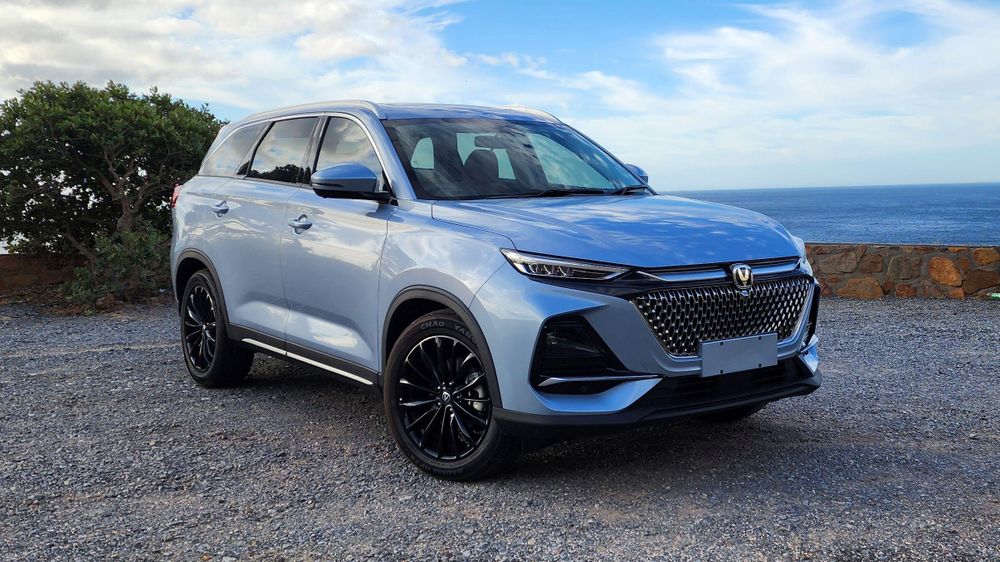
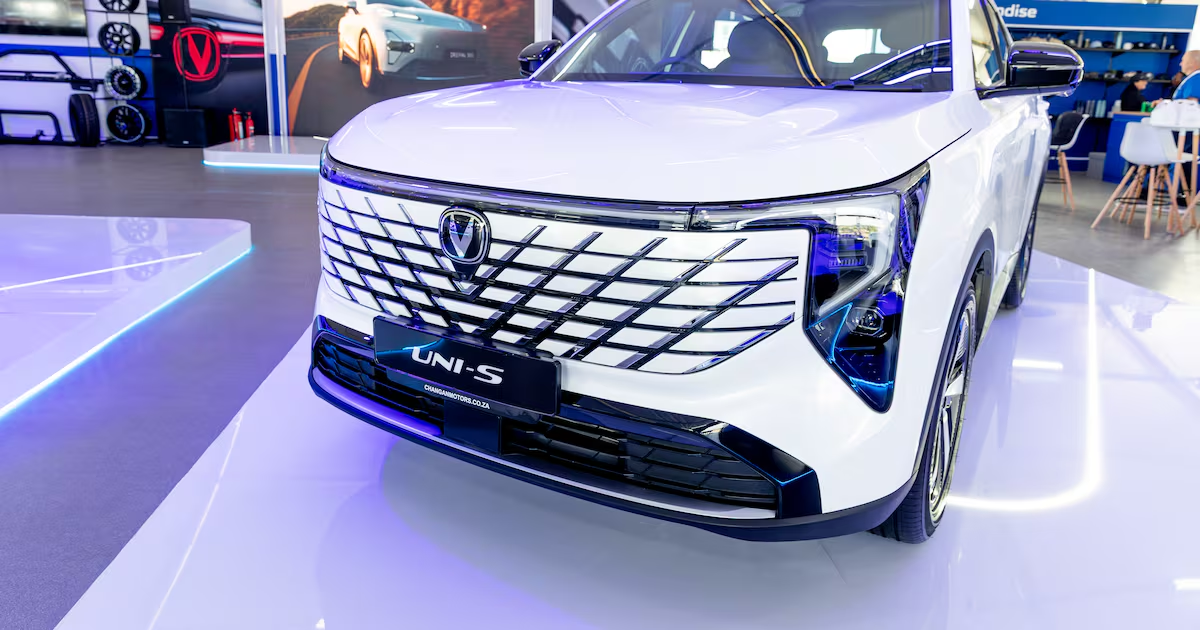
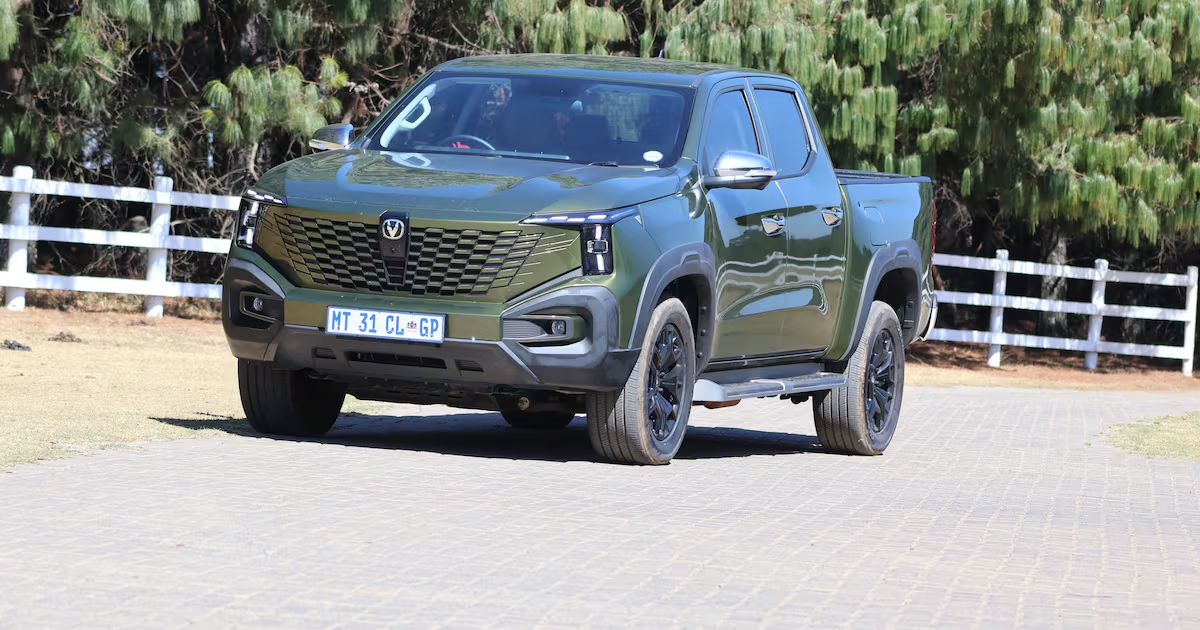
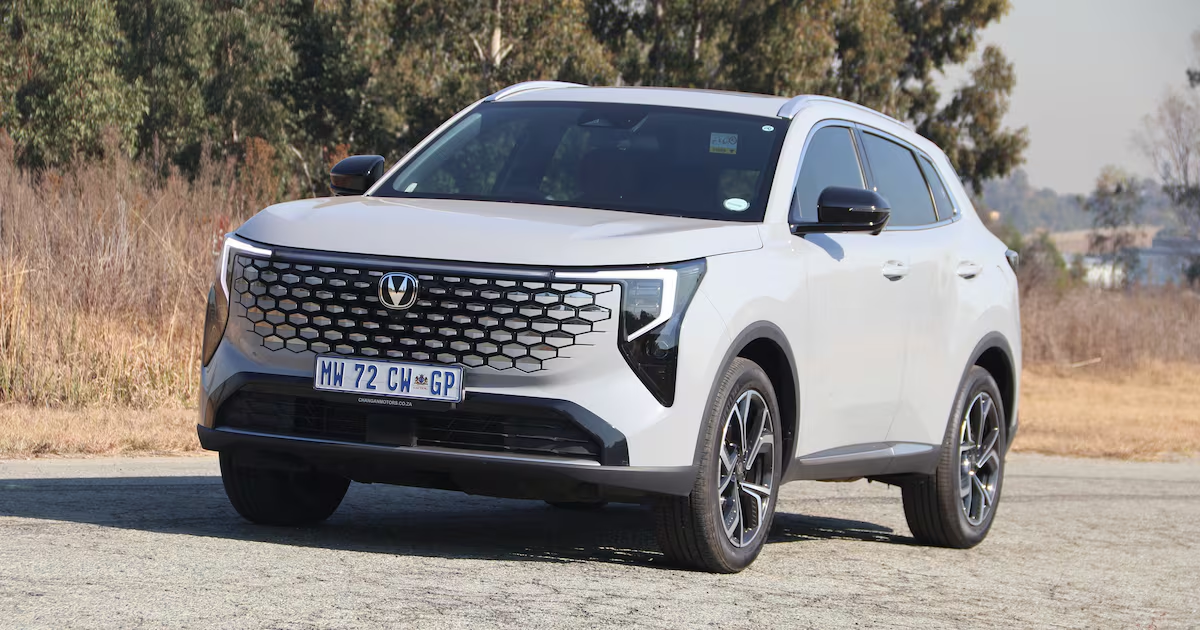
Changan recently returned to South Africa with a lineup of more refined cars than the low-rent Chanas that were previously available before the local distributor was liquidated in 2012.The new Uni-S is an SUV that forms part of a recent relaunch for the Chinese firm, which also saw the introduction of the Hunter bakkie, Alsvin sedan and CS75 Pro SUV.The Uni-S competes in the cutthroat compact-midsize crossover league populated by rivals such as the Toyota Corolla Cross, Chery Tiggo 7 Pro, Haval Jolion Pro, Jaecoo J5 and Omoda C5, among others. The Volkswagen Tiguan is also a competitor in size but at a much higher price point.The Uni-S stands out in a busy segment with a striking appearance headlined by a large honeycomb grille, dual-tone 19-inch wheels and C-shaped front daytime running lights. With a length of 4,539mm it is a family-focused SUV that offers plenty of space for four to five adults in a plush setting, with a generously-sized boot.The Uni-S is sold in three guises priced from R389,900-R469,900, all powered by a 1.5l petrol turbo engine feeding the front wheels through a seven-speed dual-clutch auto transmission. All models are sold with a five-year/150,000km warranty and five-year/90,000km service plan.On test is the range-topping CE model, which is equipped with rear parking sensors, automatic parking assist, electric passenger seat adjustment, panoramic sunroof with rain-sensing auto close, electric tailgate and an eight-speaker sound system.The cabin has styling flair and a high-quality feel. (DENIS DROPPA) Other standard amenities include electric driver seat adjustment, rain-sensing wipers, auto high beam control, wireless smartphone charging, and heated and folding mirrors. Advanced driver assist systems include forward collision warning, autonomous emergency braking with pedestrian recognition, adaptive cruise control, traffic sign recognition and lane keeping assist.The cabin is a welcoming place with reddish-brown leather upholstery adding colour, with soft-touch surfaces and neat metallic accents giving off a premium vibe.As per the trend, the minimalist cabin avoids a clutter of buttons and instead leans heavily into digitisation, with an infotainment screen and instrument panel housed in a single panel and supplementary buttons on the multifunction steering wheel. It makes for a neat and orderly interior design, but in terms of user-friendliness it is a mixed bag. For instance, using digital icons to manage functions such as the audio system and air direction becomes a driving distraction as they’re inconveniently buried deep in the infotainment menu. The same functions were much more easily and safely controlled by the AI-powered voice assistant, which seemed to be more advanced than earlier systems. On the plus side, the car has wireless smart phone connection and pairing my Android device was quick and simple, which isn’t the case with every car we evaluate. There were other quirks that disrupted the harmony, however. The driver’s seat heating system was faulty and got uncomfortably hot even when set to its minimum. The sound system, despite its eight speakers, was weak and had to be turned up to nearly maximum to be properly audible.The Changan’s worst feature is that its throttle mapping and dual-clutch gearbox aren’t always in sync, resulting in hesitant responses followed by an abrupt surge of acceleration, which makes smooth urban driving difficult. It felt particularly bad when reversing, where the power came in very sharply and wasn’t ideal for manoeuvring into busy parking lots. The poor throttle calibration was prevalent during urban stop-start driving but thankfully disappeared when cruising, where the car pulled smoothly and strongly. The engine is one of the most powerful in the class, but driving smoothly is hampered by poor throttle calibration. (DENIS DROPPA) With outputs of 138kW and 300Nm, the 1.5l engine is unusually strong for its size and made for an effortless open-road experience. It also averaged a frugal 7.2l/100km in a mix of urban and freeway driving, very close to the factory-quoted 7.0l figure.The engine sounded crude when started on fast idle on a winter morning but became silent when warmed up. Other than that the car’s general refinement is good, with limited wind and tyre noise, and a solid feel. A good driving position is ensured by the multi-adjustable seat and a steering column that can be set for both height and reach.The ride quality is comfortable and the front-wheel drive SUV corners neatly, with a hint of top-heaviness to betray its slightly elevated 167mm ground clearance.VerdictThe Uni-S is a stylish family SUV that offers good value, generous luxury features and class-leading performance for the money. However, its flawed throttle calibration and occasionally awkward user interface detract from what is otherwise a highly competitive package.Changan Uni-S versus key rivalsChery Tiggo 7 1.5T Prime, 108kW/210Nm — R429,900Omoda C5 1.5 T 230T Elegance, 115kW/230Nm — R465,900 Haval Jolion Pro 1.5T Ultra Luxury, 105kW/210Nm — R466,450Changan Uni-S 1.5T CE, 138kW/300Nm — R469,900Jaecoo J5 1.5T Inferno, 115kW/230Nm — R479,900Toyota Corolla Cross 1.8 XR, 103kW/172Nm — R513,300VW Tiguan 1.4 TSI, 110kW/250Nm - R668,100Business Day