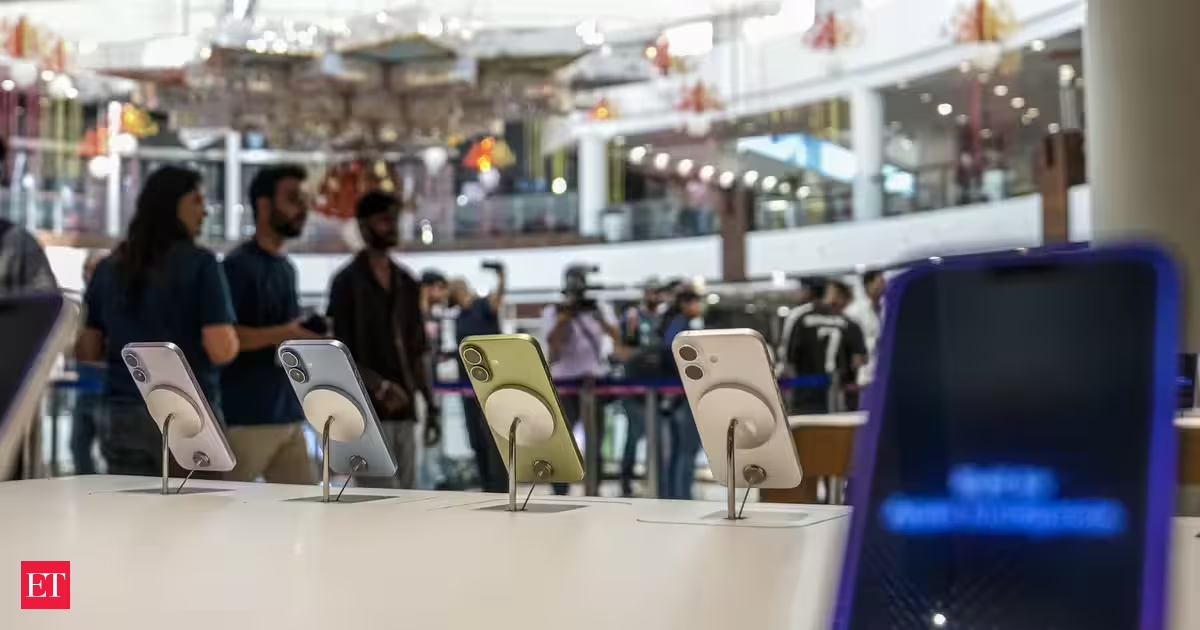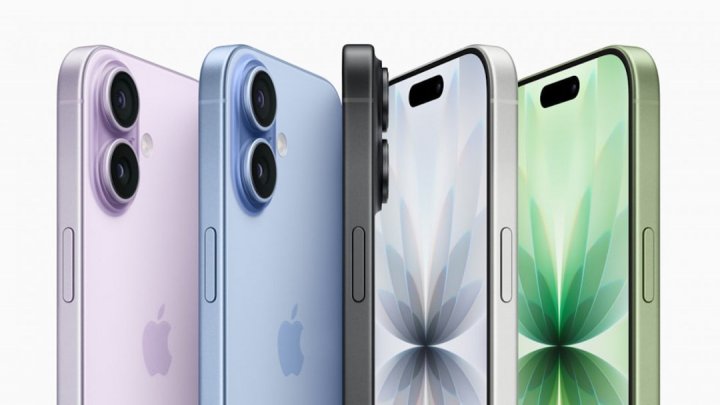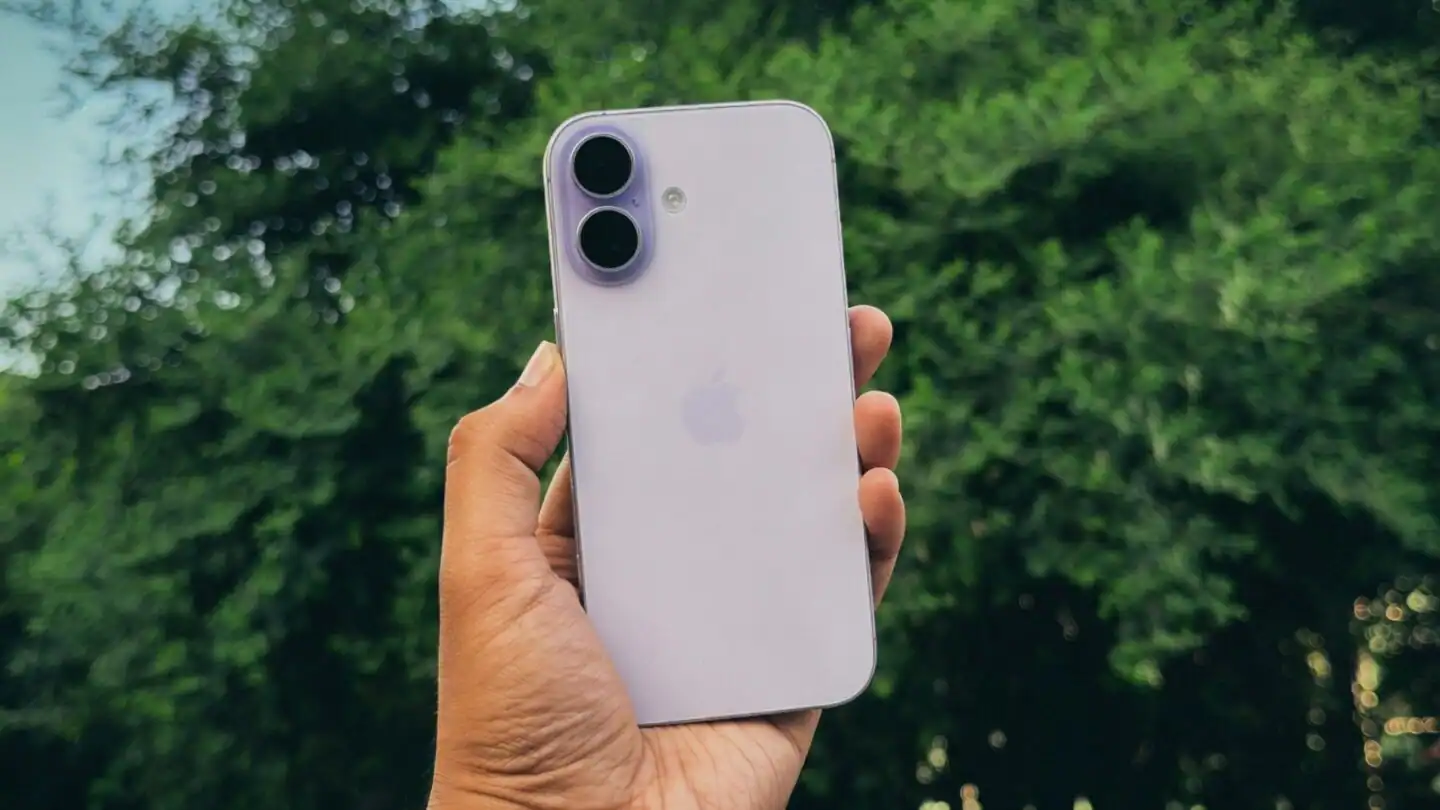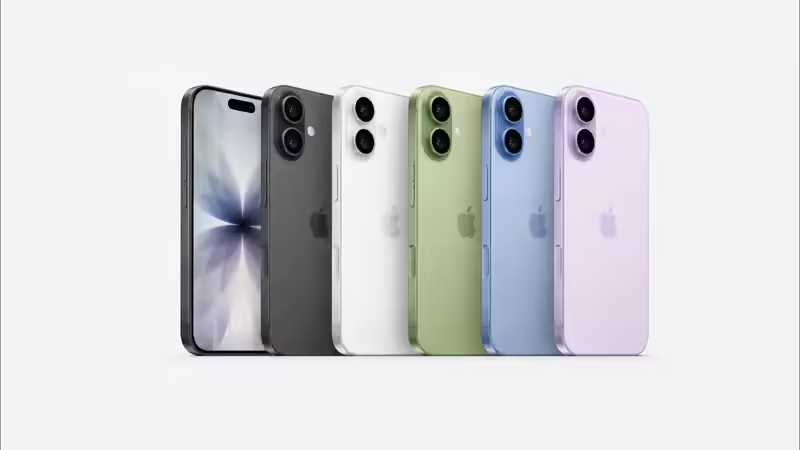
Here is the tell that separates panic from famine: the phone still carries discounts. Flipkart lists the iPhone 17 near Rs 75,909 with bank cards against the Rs 82,900 MRP, and Vijay Sales runs card offers worth Rs 3,000 to Rs 4,000. A genuine supply collapse kills discounts first. What India is watching instead is a crowd surging towards the stage before the drop. The build has been teased for weeks; everyone wants their spot before the floor fills.The memory crunch doing the pushingThe fear has a paper trail. Conventional DRAM contract prices jumped 90 to 95 per cent quarter-over-quarter in the first three months of 2026, per TrendForce, with NAND flash up 55 to 60 per cent — record quarterly increases, driven by AI data centres hoovering up wafer capacity that once fed phones and laptops. IDC frames the shift as structural rather than cyclical: every wafer allocated to high-bandwidth memory for an AI server is a wafer denied to a smartphone, and 2026 DRAM supply will grow 16 per cent against demand that wants far more. TrendForce sees prices climbing a further 13 to 18 per cent this quarter, a slower pace only because consumers have hit the ceiling of what they will pay.Tim Cook, who hands the chief executive job to John Ternus on 1 September, told the Wall Street Journal the memory squeeze amounts to a “hundred-year flood”, the worst component shock he has witnessed in four decades. Apple absorbed the pain for as long as its margins allowed. On 25 June, it stopped: MacBook, iPad, HomePod and Apple TV prices rose worldwide, and revised India listings climbed by Rs 5,000 to Rs 70,000 depending on the model — increases of up to 42 per cent, steeper than the US or Europe once import duties and GST stack on top of the base revision. iPhones were spared. Every buyer in India read that as a temporary reprieve.Android blinked firstApple is the last holdout in a market that has already repriced. Oppo, Vivo, Realme and Nothing have announced increases on new models, while Samsung raised the Galaxy M47 5G by Rs 8,000 within eight days of launch — a quiet correction that told the trade exactly where costs are heading. TrendForce expects entry-level Android phones to regress to 4GB of RAM in 2026 as brands trade specification for survival, reversing a decade of flagship features trickling downwards.Apple sits at the opposite end of that squeeze. Its premium mix and long-term supplier contracts give it the strongest procurement position in the industry, which is why the iPhone 17 became the world’s best-selling smartphone in the first quarter of 2026, per Counterpoint’s model tracker, with Apple sweeping the top three model slots for the first time. The buyer instinct is sound: if the best-protected brand in the market says price rises are unavoidable, the least-protected brands have already proven it.Third shortage in nine monthsIndia has been here before, twice. October 2025 saw Croma, Vijay Sales and the Nehru Place dealer belt run dry through Diwali, a crunch Counterpoint Research vice president Neil Shah traced to early iPhone 17 Pro batches arriving as imports before Made-in-India production ramped. November brought a stranger chapter: Apple’s distributors warned retailers of penalties for units activated on foreign SIM cards within 90 days, an attempt to choke a grey-market pipeline diverting Indian stock to higher-margin markets abroad.
iPhone 17 Shortage In India: Price Hike Fear Sparks Panic Buying
India's iPhone 17 base model is selling out due to rising memory chip costs. Retailers report a surge in demand as buyers anticipate upcoming price hikes. Apple has already increased prices for other devices globally and in India. Other smartphone brands have also implemented price adjustments on their models. This situation creates a unique market dynamic for Apple's popular device.
563 words~3 min read