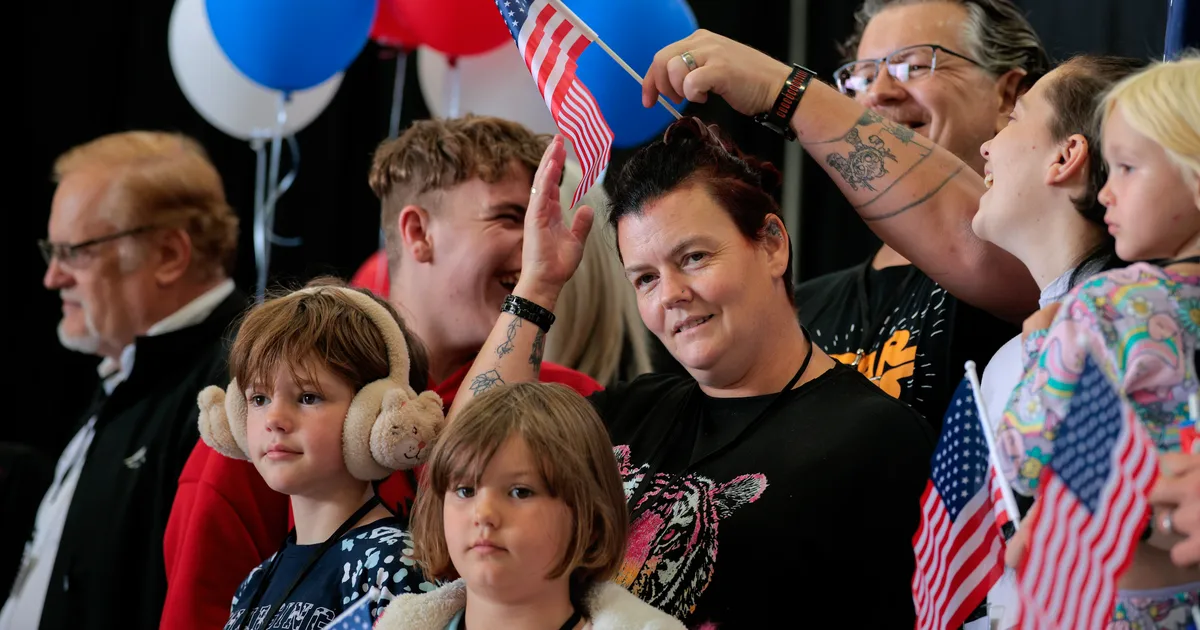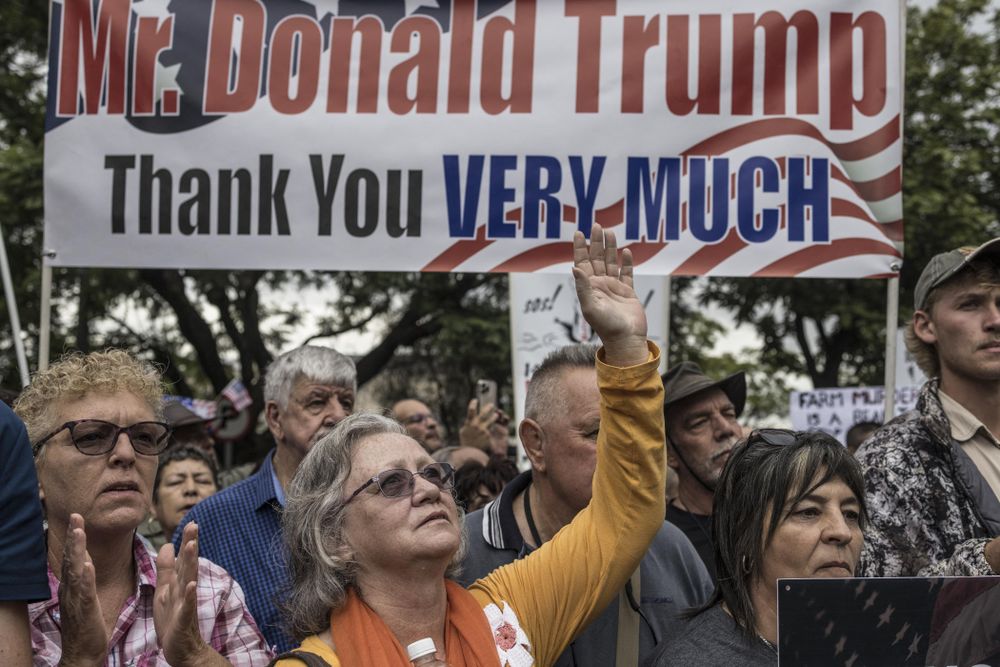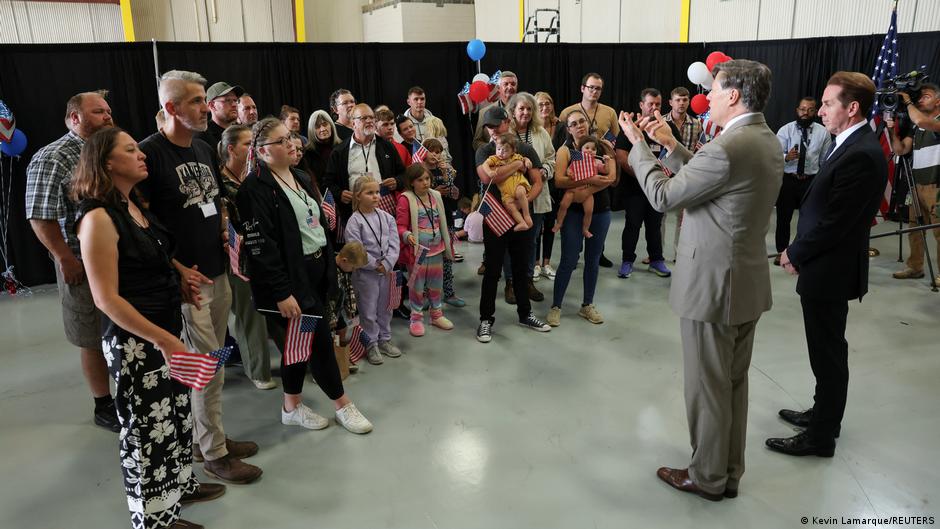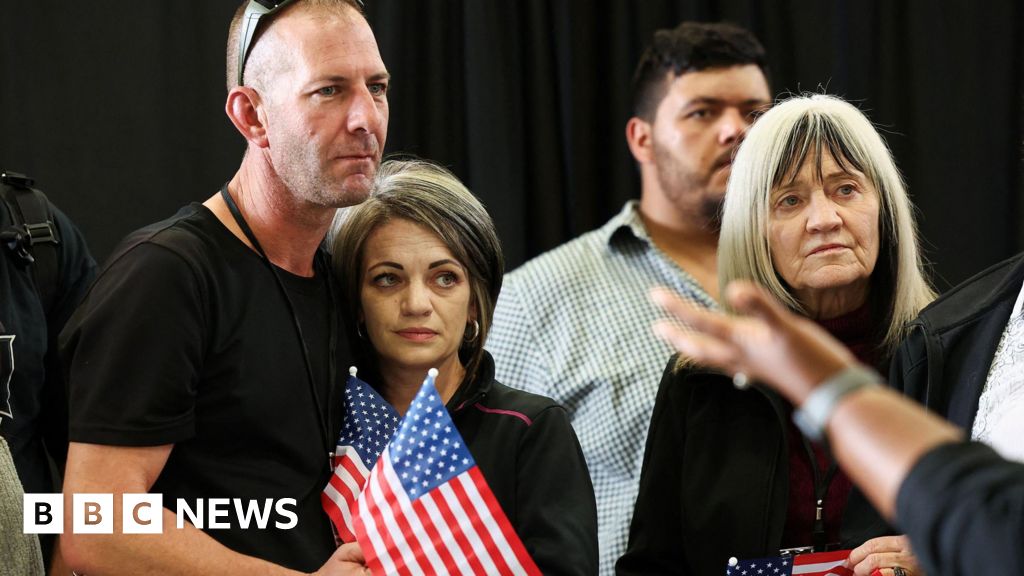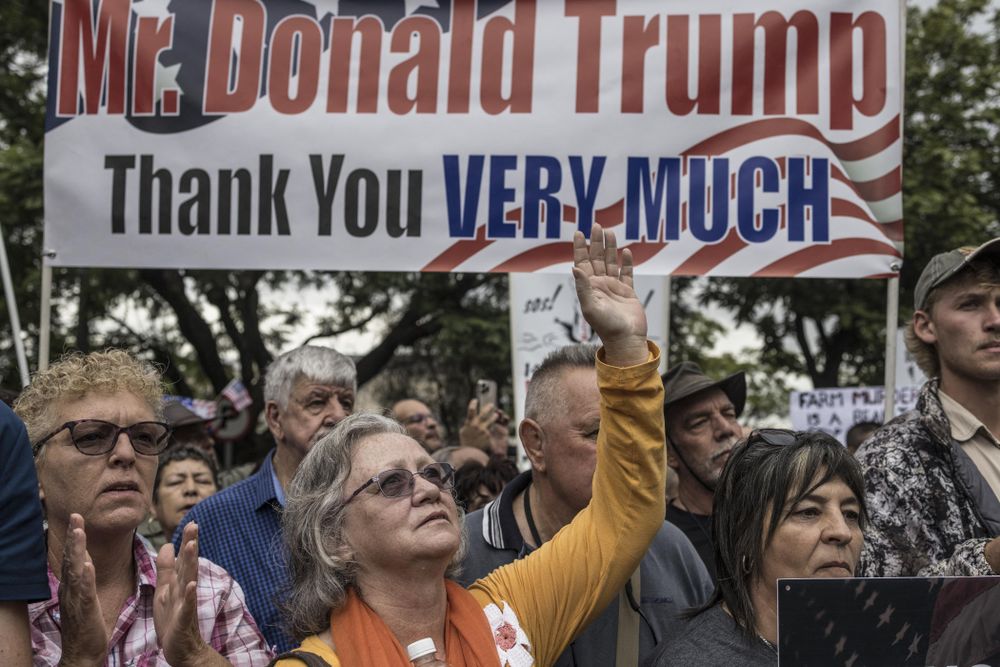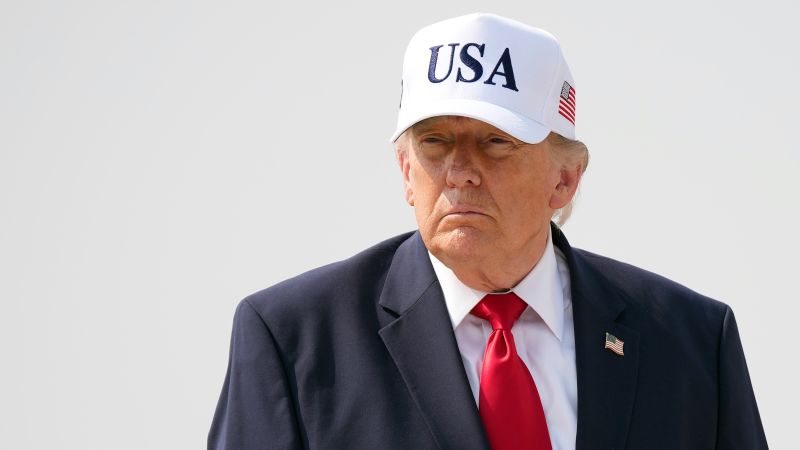
Weeks into his second term, President Donald Trump announced that nearly all refugees admitted to the United States would be White South Africans, radically reshaping a decades-long program that had largely serviced people fleeing war, persecution, or other dangers.
Eighteen months later, the US has admitted more than 7,700 Afrikaners — but the effort has hit some notable bumps along the way.
The refugee program, largely shuttered for the rest of the world, has sparked diplomatic spats, prompted a scramble to open a processing site in South Africa, generated highly unusual requests from applicants and produced high denial rates, due in part to criminal records among some applicants, according to more than a dozen people familiar with the program.
While the processing of refugees can be a difficult task, particularly in urgent situations, the people familiar with the program told CNN that the hurdles it has faced stem from the administration’s desire to bend the program to only benefit Afrikaners.
“It’s clear to us that the designation of one population over literally all others does not represent the actual humanitarian need,” said Beth Oppenheim, president & CEO of HIAS, a refugee assistance organization that is part of an ongoing lawsuit challenging the administration’s suspension of the refugee program.