in Architecture, Art, History | July 13th, 2026 Leave a Comment
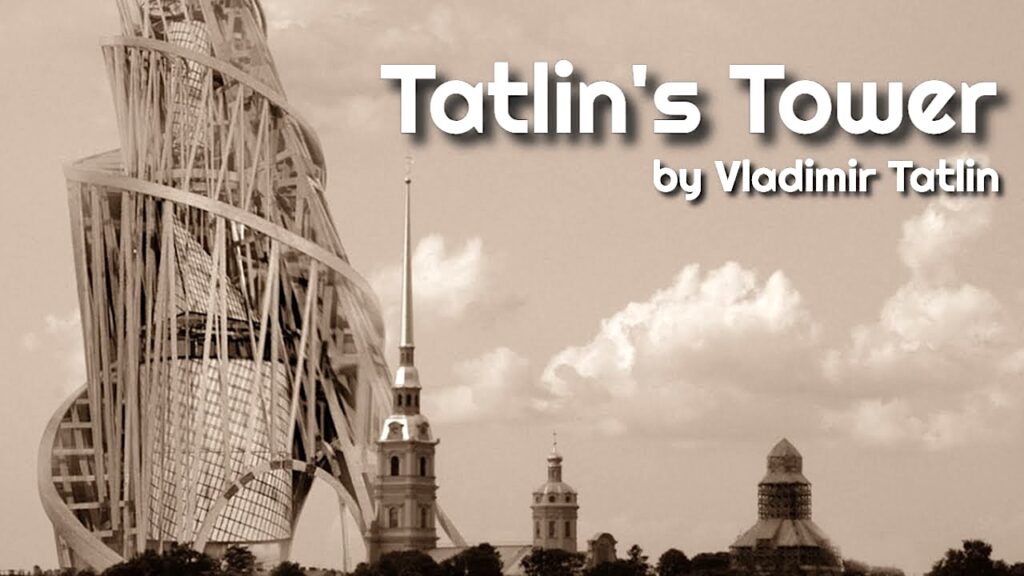
It’s no small project to found a new society, especially when you’re doing it on the scale of a place like Russia. Apart from the considerable practical challenges it entails, there’s also the need for symbols bold enough to represent the underlying ideal. The avant-garde artist Vladimir Tatlin took it upon himself to create just such a symbol in the years after the Russian Revolution. The result is officially known as the Monument to the Third International, named for the organization tasked with the promotion of world communism (often abbreviated to Comintern). But it’s more commonly referred to as Tatlin’s Tower, perhaps in tribute to the artist’s particular vision — one too ambitious for its real-life construction even to begin.
“As part of a large-scale program to replace old czarist monuments with monuments to the revolution, the huge structure was both a symbolic sculpture and functional architecture,” write Smarthistory’s Charles Cramer and Kim Grant. “Designed to straddle the Neva river in St. Petersburg, the 1300 foot (400 meter) iron and glass Monument would surpass Paris’s Eiffel Tower in both scale and complexity.”