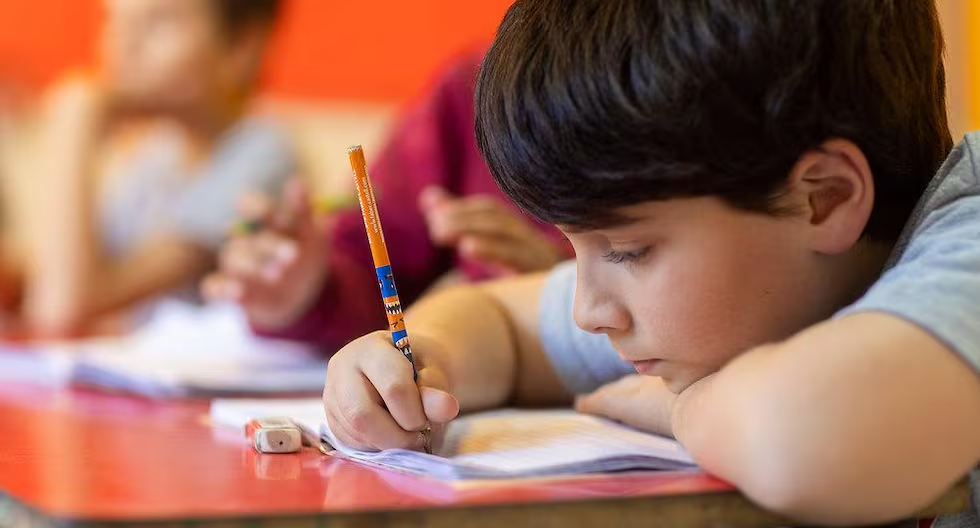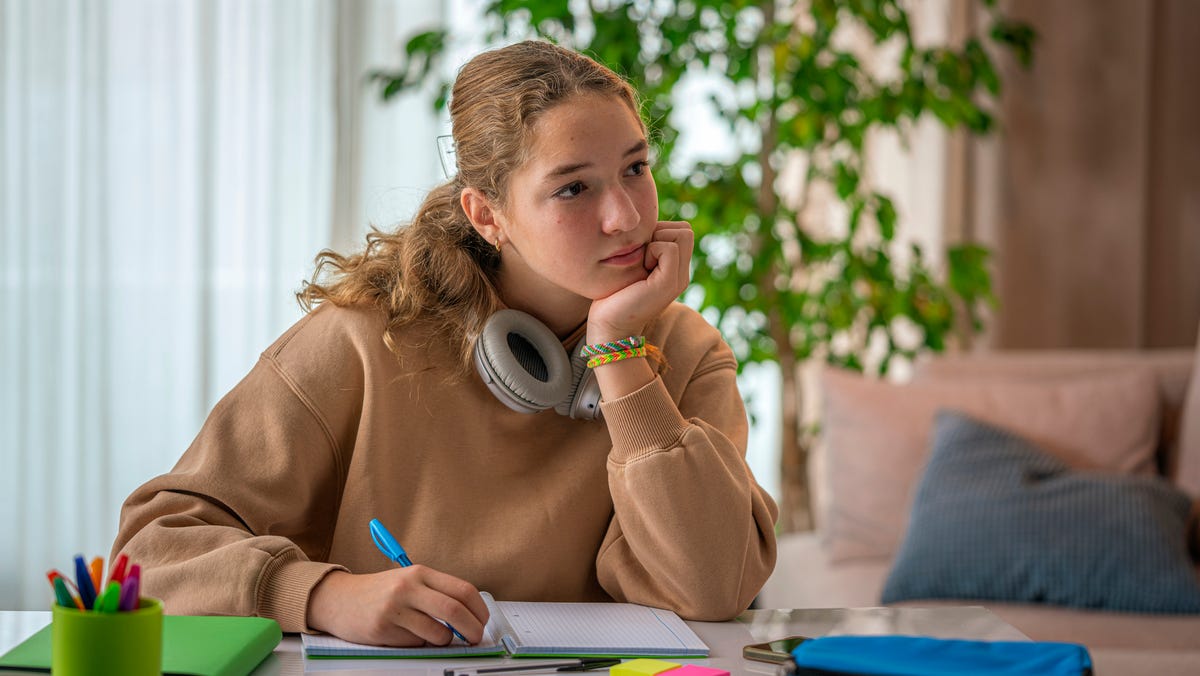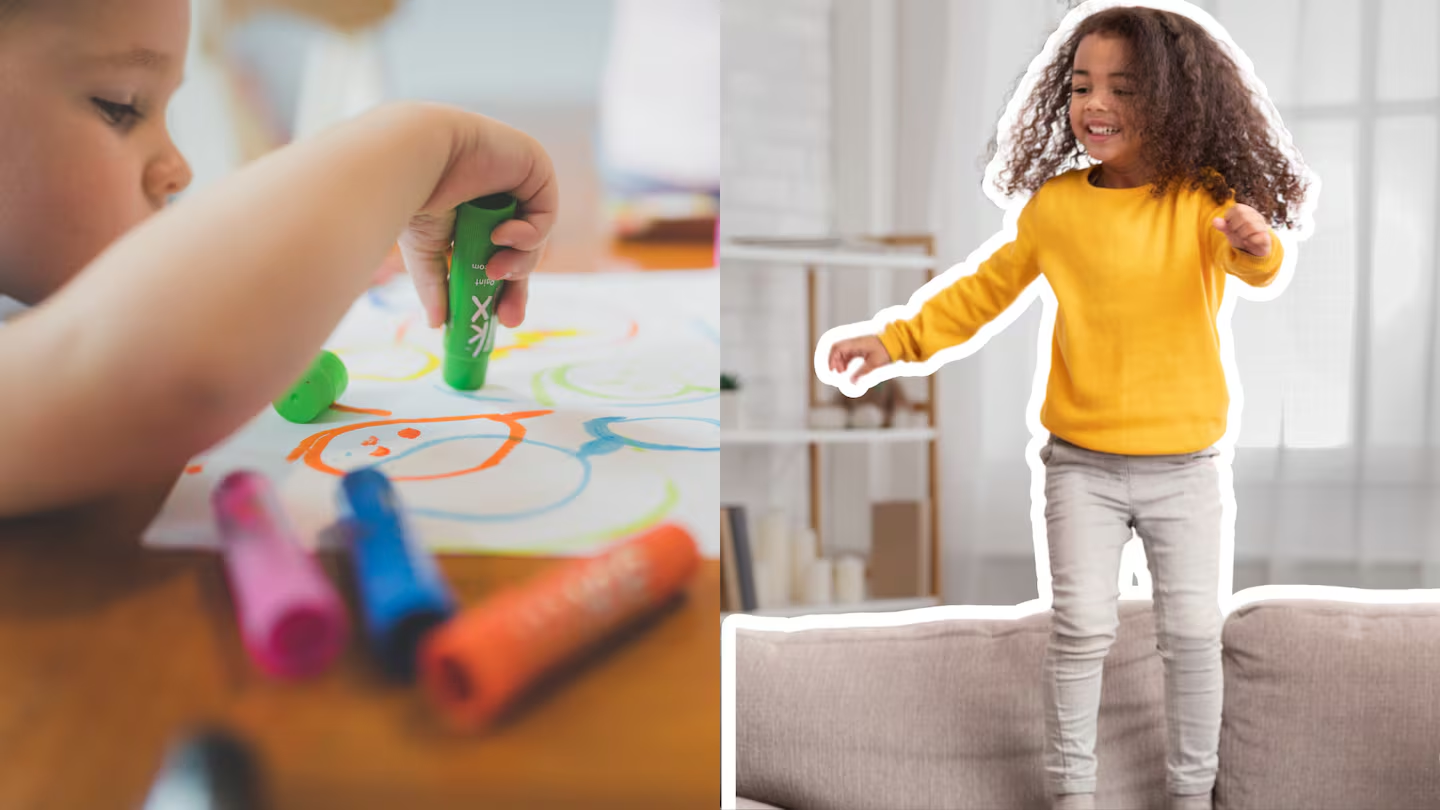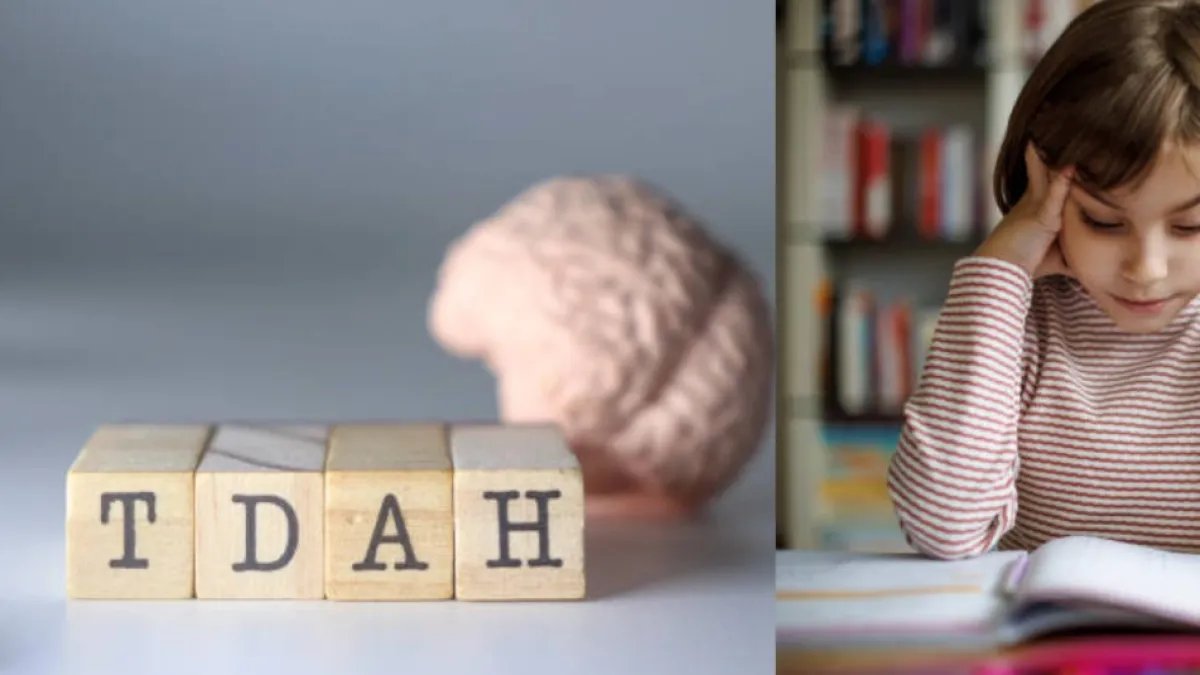
How can parents identify the signs of ADHD in schoolchildren? (Picture credit: Freepik) ADHD in children: On World ADHD Day, learn what are some of the ADHD in children and what they are confused with. World ADHD Awareness Day: July 13 is observed as World ADHD Day to spread awareness about attention-deficit/hyperactivity disorder (ADHD), a neurodevelopmental condition that affects attention, impulse control, activity levels and emotional regulation. This is an important subject to discuss, as schoolchildren are often rebuked for being restless or struggling and labelled ‘naughty’ or ‘undisciplined.’ But could these behaviours sometimes indicate ADHD rather than deliberate disobedience?ALSO READ: Giving phones to your children? Know how excessive digital use may affect developing brain, sleep and behaviourOn the occasion of World ADHD Awareness Day, HT Lifestyle sought expert insights to answer common questions about ADHD in children, including its early signs, the behaviour parents and teachers should watch for, and why timely identification matters.Clinical psychologist Puja Dutta, senior mentor and special educator at the Training Academy, India Autism Centre, answered some important questions about how parents can recognise signs of ADHD and reach out for timely support to help their child.Sharing a common observation from her practice, she said, “Often, I meet parents who tell me, ‘Everyone says my child is just naughty, careless, or inattentive’. My first response is always the same: before we judge a child’s behaviour, we need to understand what may be driving it. ADHD is not about a child choosing to misbehave; it is a neurodevelopmental condition that affects a child's ability to regulate attention, impulses, activity levels, and emotions.”So, behaviours which are typically seen as deliberate disobedience may actually be signs of a neurodevelopmental condition affecting the child's ability to regulate attention, impulses, and emotions. The problem is it is oversimplified as a lack of self-discipline, as these difficulties are actually beyond the child's control.At what age can ADHD be identified?The psychologist outlined when signs of ADHD may first become observable. She said, "In my experience, many children with ADHD are identified between the ages of 3 and 6 years, or only after they begin school, when expectations around sitting still, following instructions, and completing tasks become much greater.”This means signs of ADHD may begin to emerge in early childhood, around the time a child enters preschool. You will see that some children are more resistant to instructions. What are the early signs of ADHD in schoolchildren?Schoolchildren may exhibit difficulties with impulse control and restlessness. When these behaviours appear consistently across different settings, they may indicate signs of ADHD. (Picture credit: Freepik)The first thing the expert insisted that parents should look for is consistent patterns. One isolated behaviour may not indicate much on its own, but repeated difficulties across different situations can provide a clearer picture.Most importantly, ADHD signs do not appear in one fixed or ‘textbook’ way. Puja highlighted that children may actually show very different patterns of behaviour.What are these behavioural patterns? "Some children are constantly on the move, interrupt conversations, or act impulsively. Others are much quieter; they may daydream, lose track of instructions, forget everyday tasks, or work twice as hard as their peers simply to keep up and mask their impulses. These children often go unnoticed because their struggles are less visible.”Some of the signs are linked to impulse control and appear as outward behaviours, while others are more internal and emerge as difficulties with everyday tasks. This is why restlessness and impulsiveness are not the only signs of ADHD, as many people may assume. Quieter signs, such as forgetfulness, frequent daydreaming, or difficulty following instructions, also deserve equal attention from parents, teachers and other caregivers.To help parents recognise whether these behaviours form a consistent pattern, the psychologist suggested two questions:Is the child repeatedly finding it difficult to stay organised, regulate emotions, or complete routine tasks despite support?Are similar concerns being raised by their teachers both at home and in school?Identifying behavioural patterns may seem tricky, but following a clear framework can help parents understand them better. Puja's parting advice to parents was that, with the right understanding and support, children with ADHD can thrive, and that process begins by replacing criticism with compassion. This means less rebuking a child for being disobedient and more effort to understand the reasons behind their behaviour. Instead of asking why the child will not listen, parents can begin by asking questions about why they are behaving the way they are.About the expert Puja Dutta is a seasoned clinical psychologist and special educator with over 13 years of experience working with children with emotional and developmental needs. As Senior Mentor at India Autism Center (IAC), she plays a pivotal role in shaping the clinical direction and training framework for caregivers and professionals working in the neurodiversity space. Her academic background includes an M.A. in Applied Psychology, a B.Ed. in Special Education with a focus on Intellectual Disability, and an M.Phil. in Clinical Psychology. She is also a Certified Play Therapist, bringing a child-led, compassionate approach to therapy and intervention. Her core strength lies in conducting psychological assessments and designing tailored, evidence-based interventions for children with neurodevelopmental disorders, integrating principles of psychology and special education.Note to readers: This article is for informational purposes only and not a substitute for professional medical advice. Always seek the advice of your doctor with any questions about a medical condition.Adrija Dey’s proclivity for observation fuels her storytelling instinct. As a lifestyle journalist, she crafts compelling, relatable narratives across diverse touchpoints of the human experience, including wellness, mental health, relationships, interior design, home decor, food, travel, and fashion that gently nudge readers toward living a little better. For her, stories exist in flesh and bones, carried by human vessels and shaped through everyday endeavours. It is the small stories we live and share that make us human. After all, humans and their lores are the most natural and raw repositories of stories, and uncovering them, for her, is akin to peeling an orange under a winter afternoon sun. Always up for a chat, she believes the best stories come from unfiltered yapping, where "too much information" is kind of the point. A graduate of Indraprastha College for Women, University of Delhi, and an alumna of the Indian Institute of Mass Communication (IIMC), Delhi, Adrija spends her idle hours cocooned with herbal tea and a gripping thriller, scribbling inner monologues she loosely calls poetic pieces, often with her succulents in attendance. On lazier days, she can be found binge-watching, for the nth time, one from her comfort-show holy trinity: The Office (US), Brooklyn Nine-Nine, or Modern Family. Dancing by herself to her peppy playlists, however, is an everyday ritual she swears by religiously.Read MoreAdhdMental HealthCatch every big hit, every wicket with Crick-it, a one stop destination for Live Scores, Match Stats, Quizzes, Polls & much more. Explore now!.Catch your daily dose of Fashion, Taylor Swift, Health, Festivals, Travel, Relationship, Recipe and all the other Latest Lifestyle News on Hindustan Times Website and APPs.See Less
Is your child just naughty or showing signs of ADHD? Clinical psychologist shares what parents need to notice
ADHD in children: On World ADHD Day, learn what are some of the ADHD in children and what they are confused with. | Health
1,165 words~5 min read