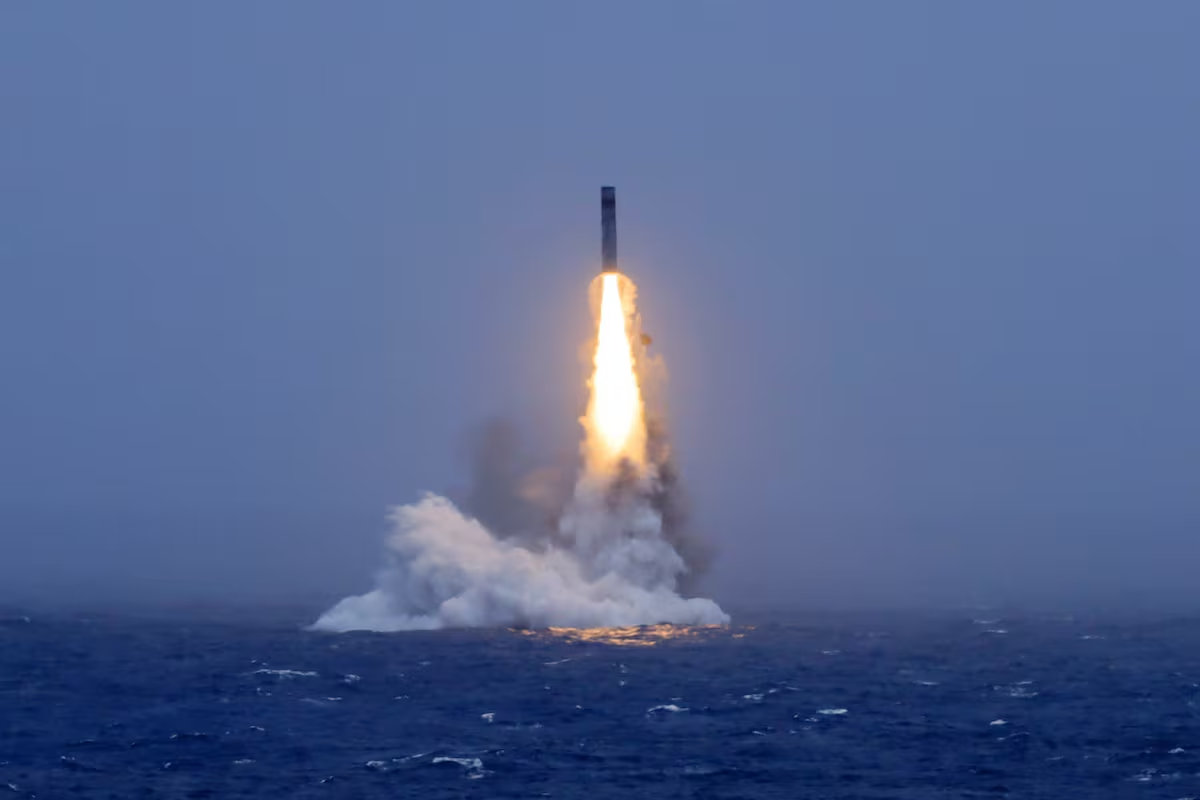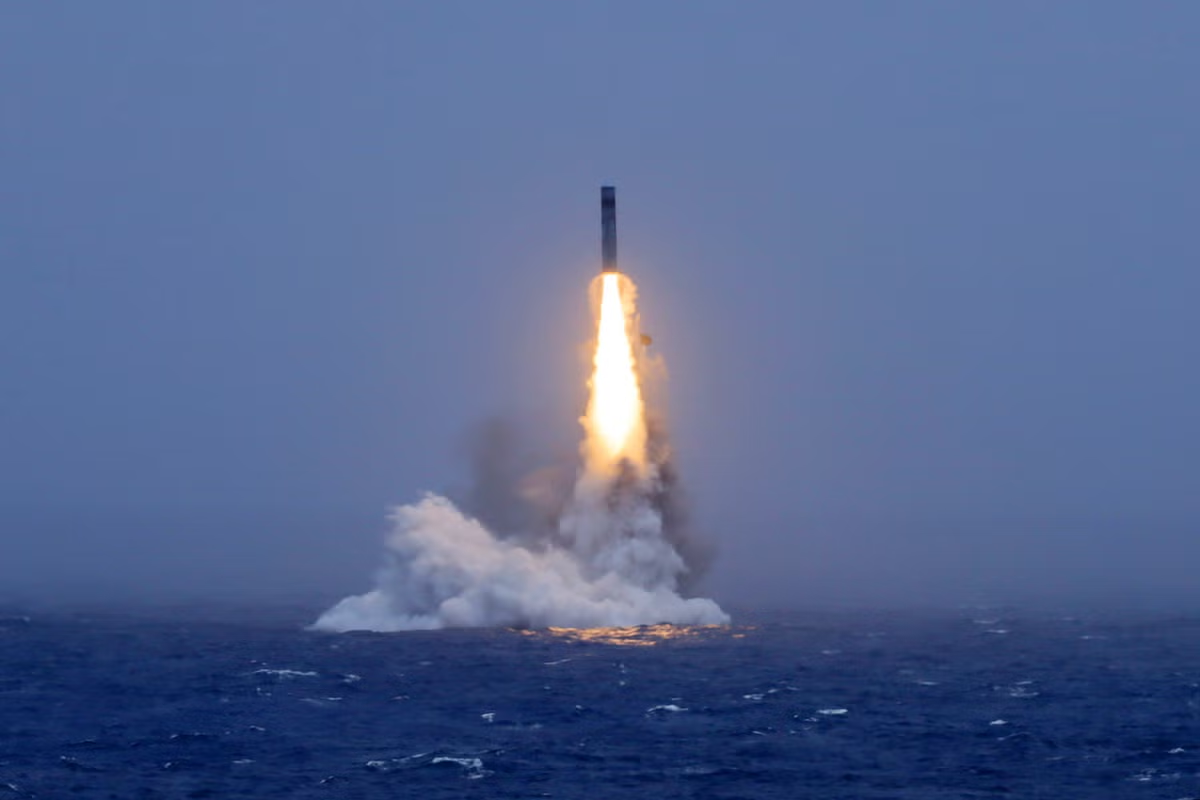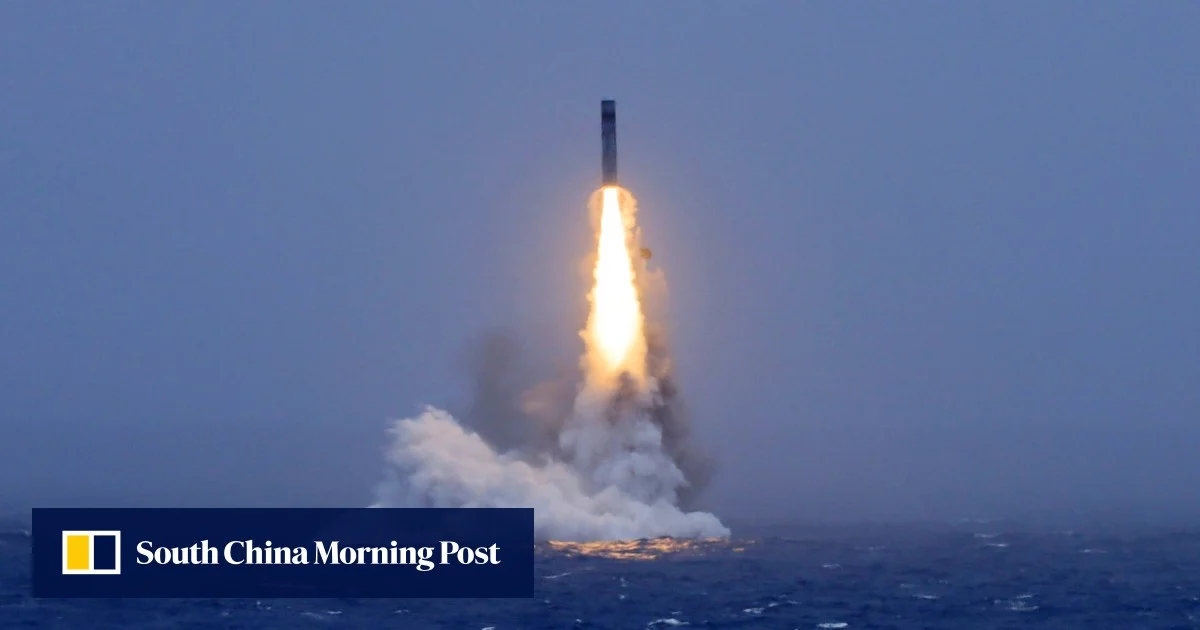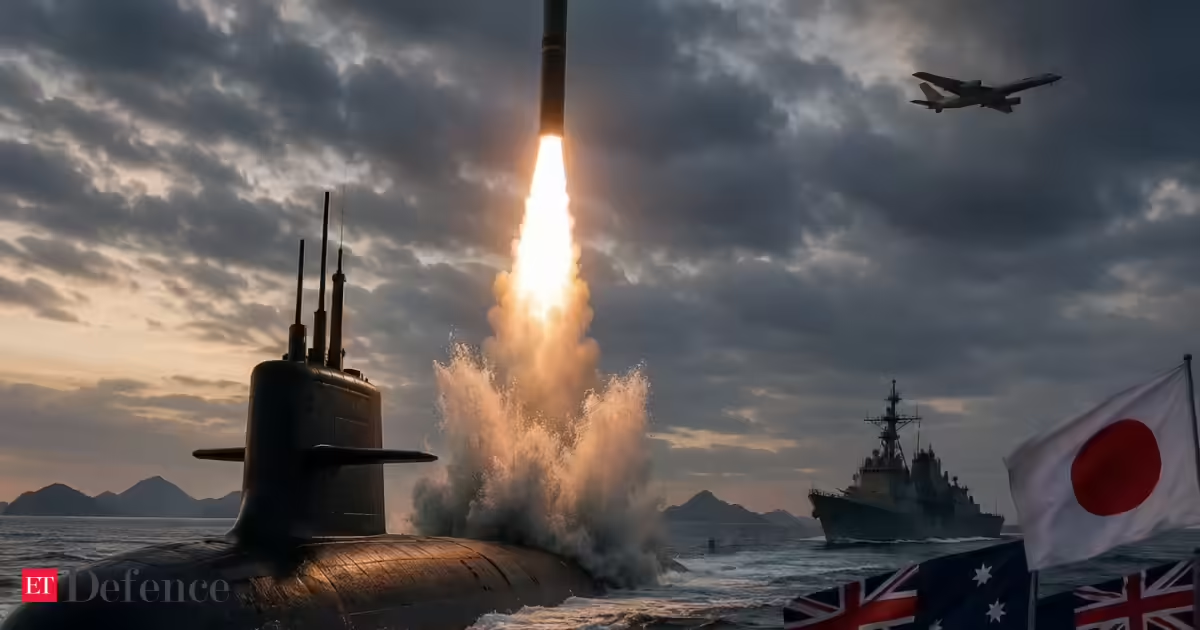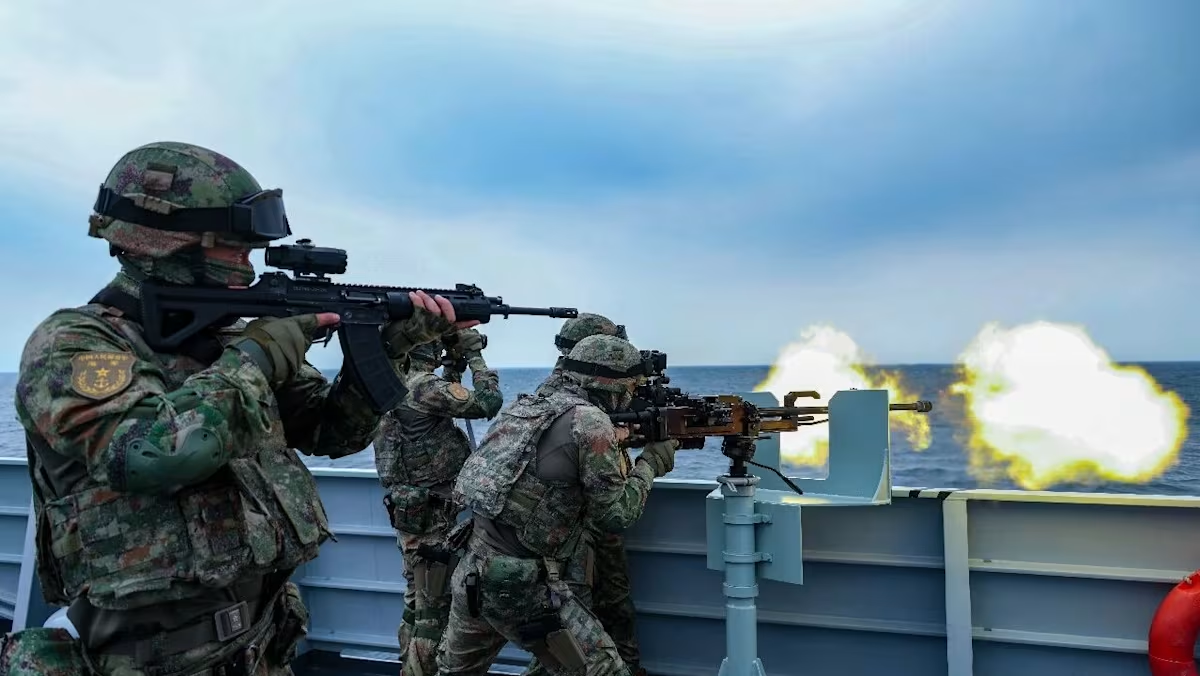
BEIJING: In a span of barely two weeks, China has sent bombers with Russia near Japan, kept coast guard vessels active east of Taiwan, launched joint naval drills with Moscow and test-fired a missile from a nuclear-powered submarine into the Pacific.Analysts say the recent activities reflect a broader effort by Beijing to make a wider range of operations across multiple domains increasingly routine.China also wants to signal to the United States and its allies that its growing ability to operate across the region is becoming an increasingly permanent feature of the security environment, they add.“The objective is normalisation, not crisis. Beijing wants its presence in these waters to become unremarkable, so the cost of challenging it rises over time,” said Ben Brand, founder and lead analyst at Iron Command, an independent defence intelligence channel and advisory practice.
Yet the moves should not be viewed as actions in a single coordinated campaign, experts cautioned. They were driven by different services, agencies and planning cycles, and there is no public evidence that they were deliberately synchronised.The significance, analysts said, lies instead in how separate strands of Chinese activity can converge to reinforce a broader message about Beijing’s strategic trajectory.“COHERENT STRATEGIC DIRECTION”On Jun 27, China and Russia conducted a joint bomber aircraft patrol over the Sea of Japan, the East China Sea and the western Pacific, including through the Miyako Strait.Days later, Chinese and Russian naval forces gathered in Qingdao for Joint Sea-2026, the latest edition of a long-running annual exercise. The drills concluded on Jul 11, Chinese state media reported, adding that some participating forces would proceed to the Pacific for a joint maritime patrol.