On three of my last seven flights, a request came over the cabin speakers: “Is there a doctor on board?” Like many physicians, I responded automatically.
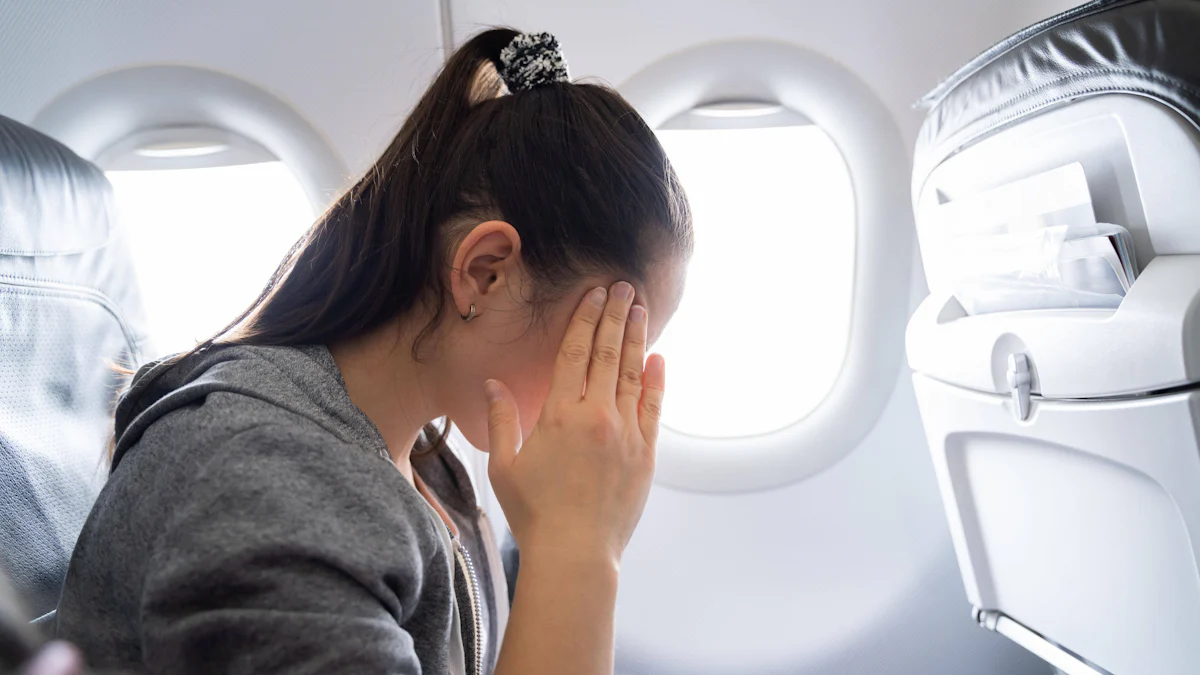
What struck me afterward was not the frequency of those requests but how unremarkable the whole process seemed — to the crew, to other passengers, and, eventually, to me. None of the patients were in cardiac arrest. The complaints were the kind that fill any urgent care waiting room on a Tuesday afternoon: dizziness, nausea, feeling faint, generalized malaise.
That tracks with the published literature. Studies of inflight medical events consistently find that the most common onboard complaints are fainting or feeling faint, respiratory symptoms, and gastrointestinal distress — not the dramatic emergencies Hollywood tends to depict. A landmark study in the New England Journal of Medicine that examined 11,920 inflight emergency calls found that physician passengers provided medical assistance in 48% of all cases, and that the aircraft was diverted in just 7%.
Modern commercial aviation has quietly evolved around a tacit assumption: When something goes wrong medically at 35,000 feet, a physician sitting in 14C will probably help out.
For decades this arrangement has escaped serious scrutiny because it sits at a comfortable intersection — professional obligation, human decency, emergency ethics. Most physicians help willingly. Flight attendants are well trained and often perform admirably under pressure. Airlines carry emergency medical kits and increasingly rely on ground-based physician consultation services — among them, MedAire’s MedLink, which provides around-the-clock air-to-ground support during inflight emergencies.