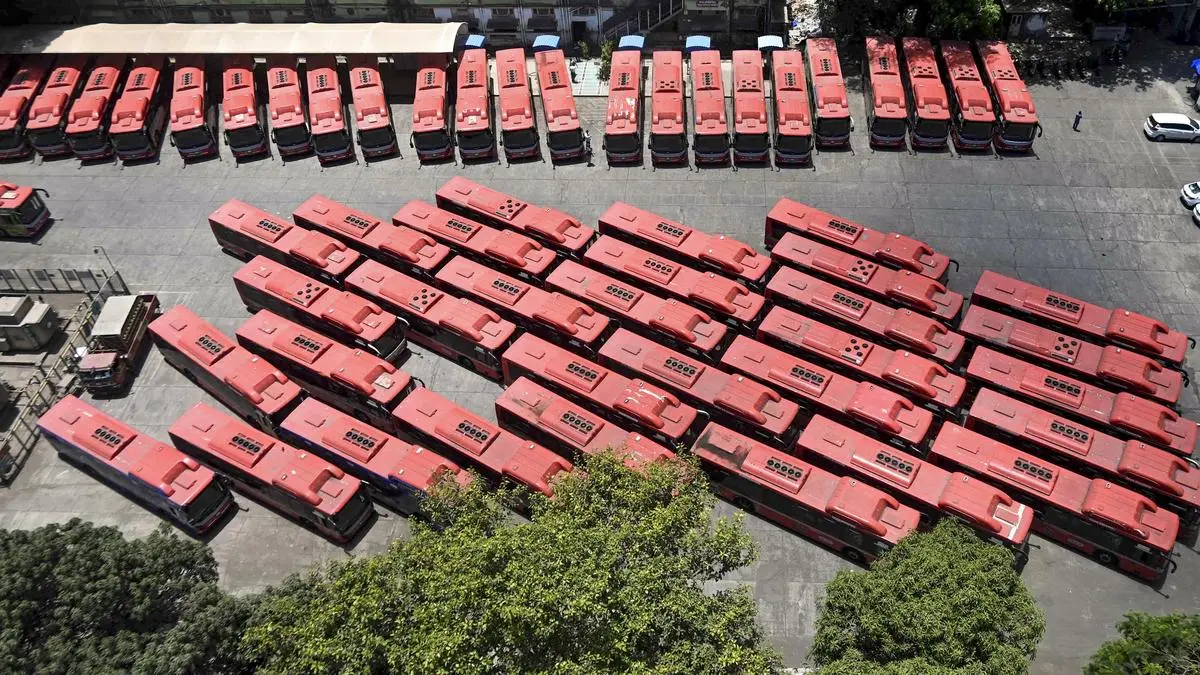
(representative image) The Centre’s proposed bus ports seek to address a basic infrastructure gap in India’s private intercity bus market. Unlike State transport undertakings, which generally operate from designated terminals and depots, many private operators depend on travel-agency offices, temporary parking areas and roadside pick-up points.
| Photo Credit:
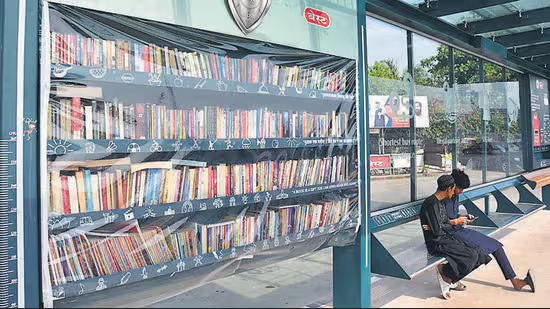
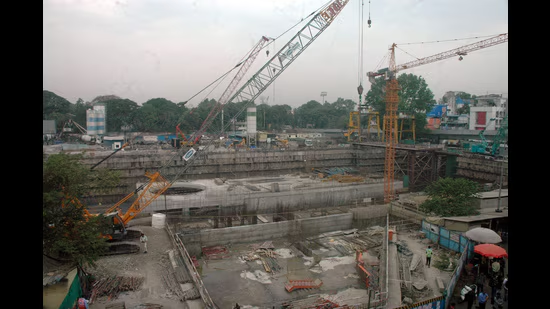
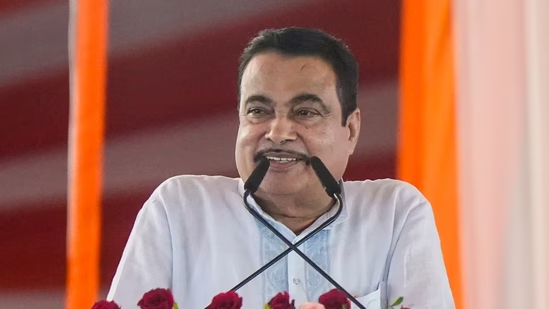
India’s private intercity bus passengers, many of whom still wait on roadsides without access to clean washrooms, hygienic dining spaces or sheltered seating, could soon get dedicated airport-style terminals with comfortable lounges and safer boarding facilities.The Ministry of Road Transport and Highways (MoRTH) plans to develop four such bus ports for private operators through the public-private partnership model, beginning with Nagpur and followed by three facilities in southern India, a top industry source told businessline.The proposed hubs will replace informal roadside boarding points with organised bus parking, separate washrooms for women and men, hygienic food areas, passenger lounges and spaces where travellers can rest before catching their next bus.Road Transport and Highways Minister Nitin Gadkari shared this development with top leaders of the Intercity bus transport operators, at the recently concluded Prawaas 5.0 in Gandhinagar, saying the “government was planning airport-like bus ports for private operators.”The ministry has not yet publicly disclosed the plan which includes the locations, investment requirements, concession structure or implementation timelines.However industry sources said Nagpur is expected to become the first test of whether the airport-style PPP model can be made commercially viable for private intercity transport witrh accessible locations, strong last-mile connectivity and a concession structure that allows commercial revenues to support construction and maintenance without making terminal charges unaffordable for operators or passengers.KARNATAKA MODELIndustry sources added that MoRTH has been advised go lean into the Karnataka’s bus-terminal redevelopment program offers a template for how the proposed national PPP model could work. Under the structure, government agencies or transport corporations retain ownership of the land, while private concessionaires design, finance, build, operate and maintain the terminals.The private developer recovers its investment through rentals from shops and restaurants, parking fees, advertising, terminal services and other commercial revenues, reducing the need for the government to bear the entire capital cost.Karnataka’s 2025-26 Budget announced the redevelopment of Bengaluru’s Majestic bus-station complex into an integrated transport and commercial hub under Project Majestic. It also proposed a new satellite bus terminal at KR Puram in Bengaluru East through the PPP route.KSRTC subsequently appointed a consultant to structure the Majestic redevelopment, estimated to require an investment of about ₹1,800 crore. The project seeks to integrate KSRTC and BMTC services with Metro and railway networks while using commercial development to improve financial viability.PASSENGER DIGNITYThe Centre’s proposed bus ports seek to address a basic infrastructure gap in India’s private intercity bus market. Unlike State transport undertakings, which generally operate from designated terminals and depots, many private operators depend on travel-agency offices, temporary parking areas and roadside pick-up points.As a result, passengers frequently have to stand beside busy roads with their luggage while waiting for buses. Many locations lack clean and separate washrooms for women and men, hygienic places to eat, adequate seating or sheltered spaces where passengers can wait safely.The proposed bus ports would bring arrivals, departures, parking, ticketing, food outlets and passenger amenities into regulated complexes. They could also provide connections to city buses, Metro services, taxis and autorickshaws.Published on July 13, 2026