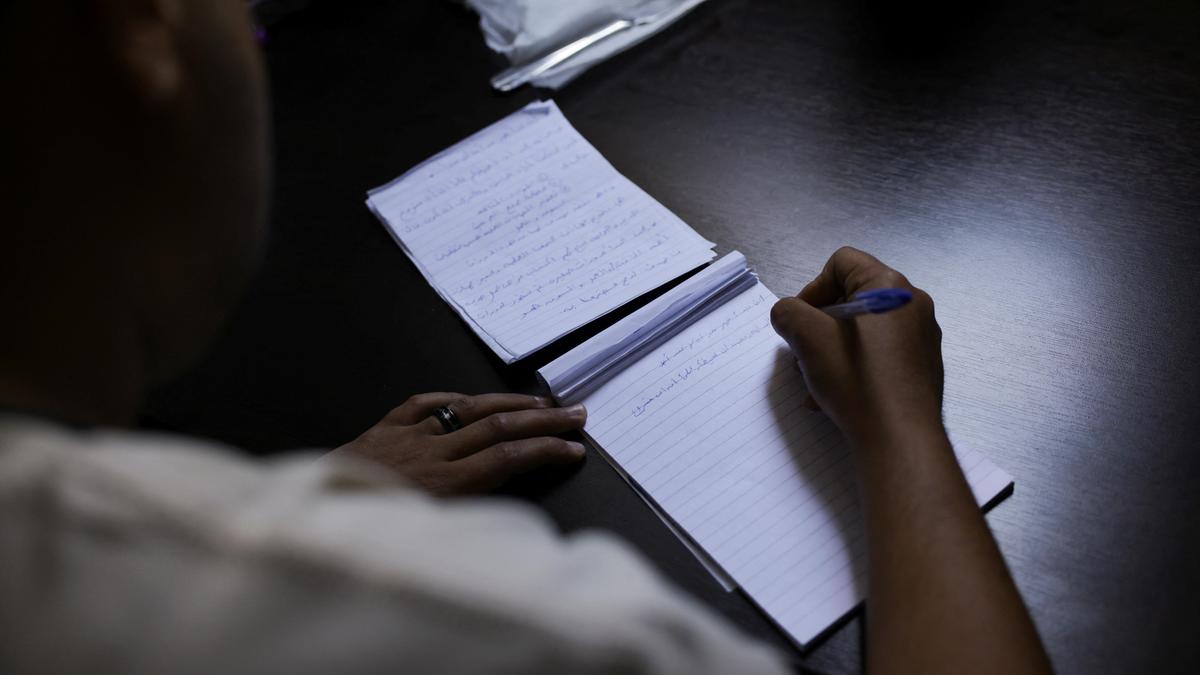
The first time we ran our AI content checker on a batch of student essays, one thing became immediately clear: the detector was more confident than we were. It flagged a paragraph about the 1973 oil crisis as "likely AI-generated" with a 98% score. The passage was from a scanned, decades-old paper. That single moment reframed everything I thought I knew about AI detection—accuracy isn't just a number, it's a moving target with real-world consequences.
Why Detection Accuracy Is Always a Mirage
When you see claims of "99.98% accuracy" on AI detector landing pages, you might assume every false positive is a rounding error. We found the opposite: that last 0.02% is where trust lives or dies. In our own testing, the difference between a 98% and 99.98% accuracy rate meant dozens of wrongly-flagged real papers per thousand checked. With millions of students using free checkers each month, even a 0.1% false positive rate translates to thousands of real people being wrongly accused of using AI.
The technical reason is straightforward. AI detectors look for statistical patterns, not authorship. They're trained on the fingerprints of models like ChatGPT, GPT-5, and Claude, but human writing—especially when edited for clarity or grammar—can trip the same alarms. It's not about catching intent; it's about probability. If you ask whether a detector can truly know who wrote something, the honest answer is no. It can only say how much a text resembles other AI-generated samples it has seen.