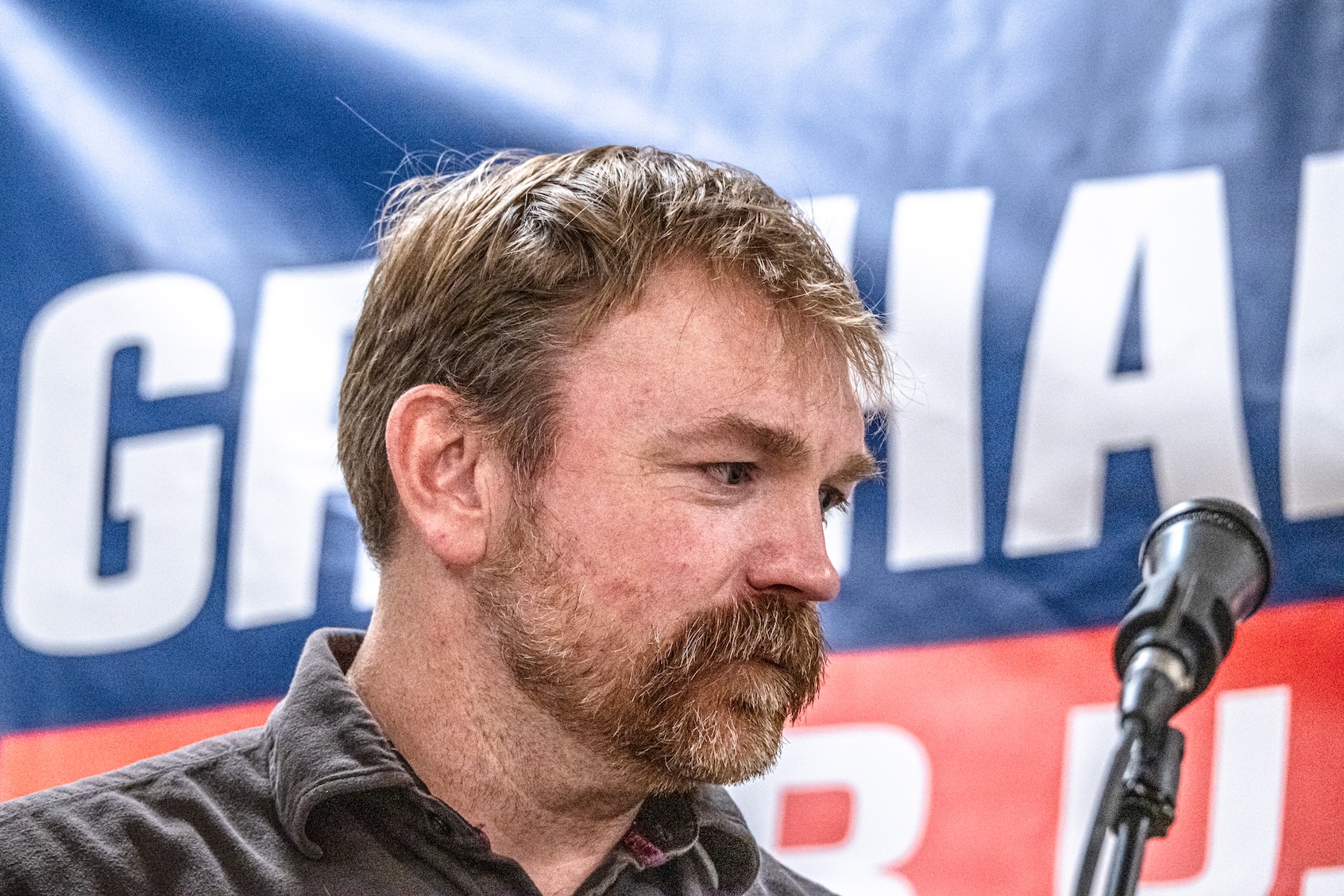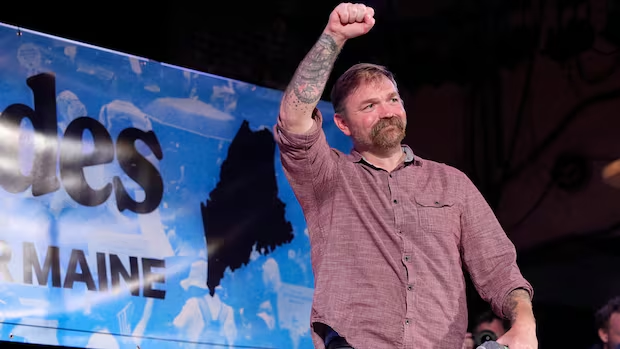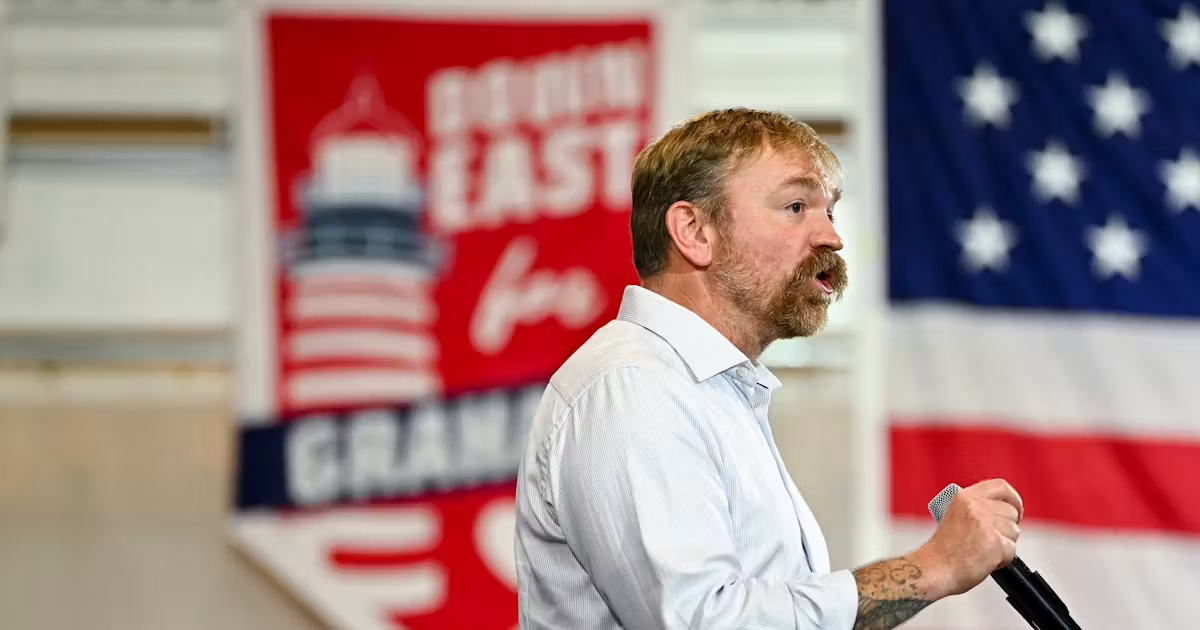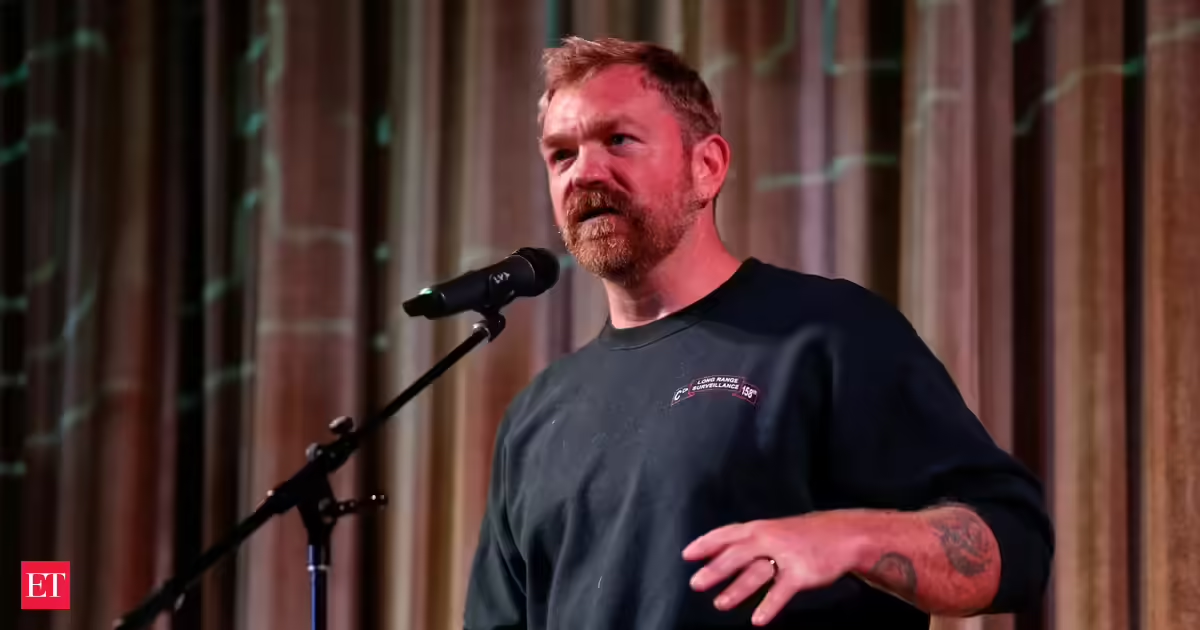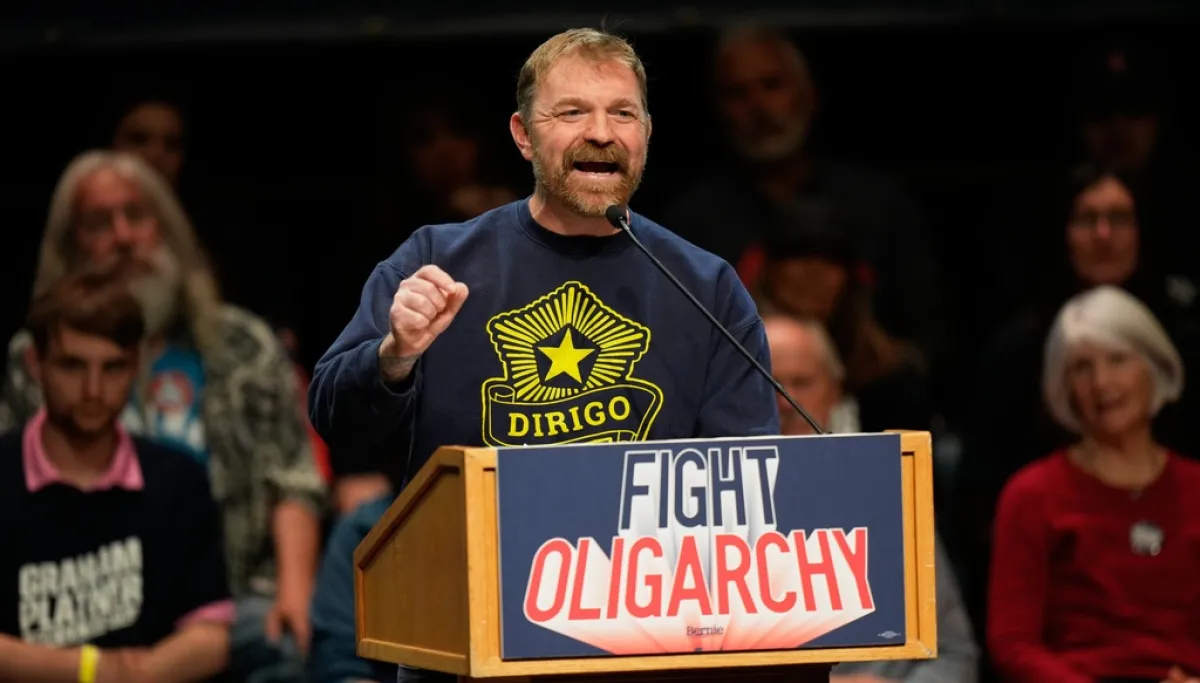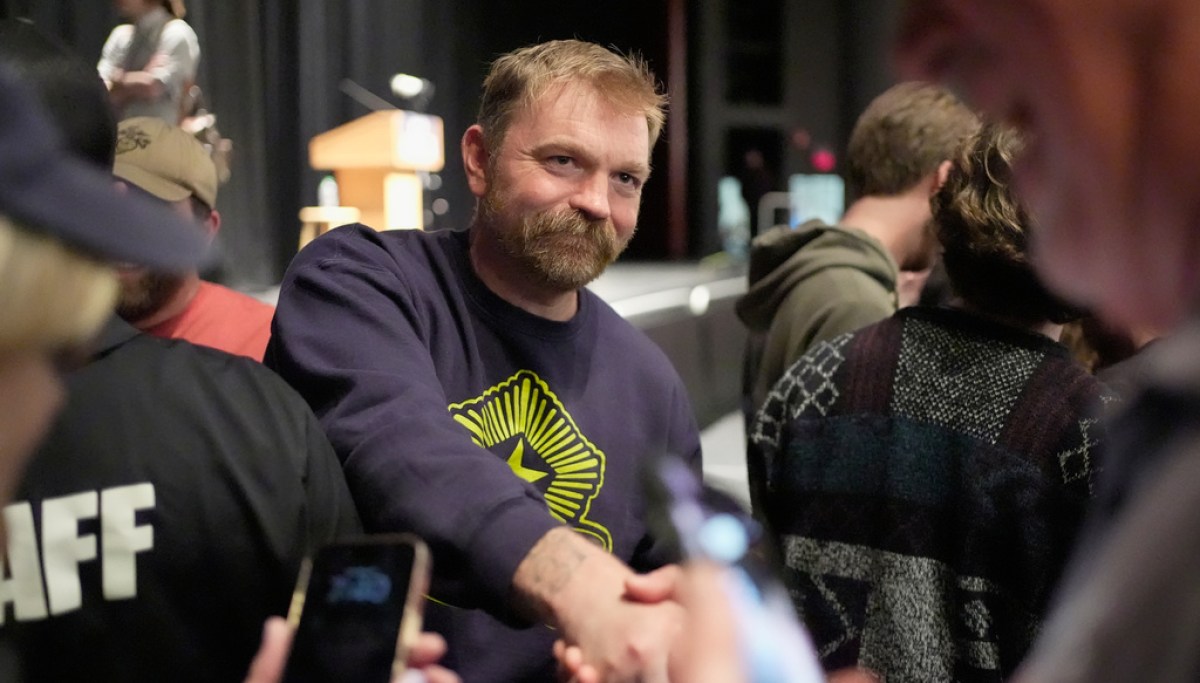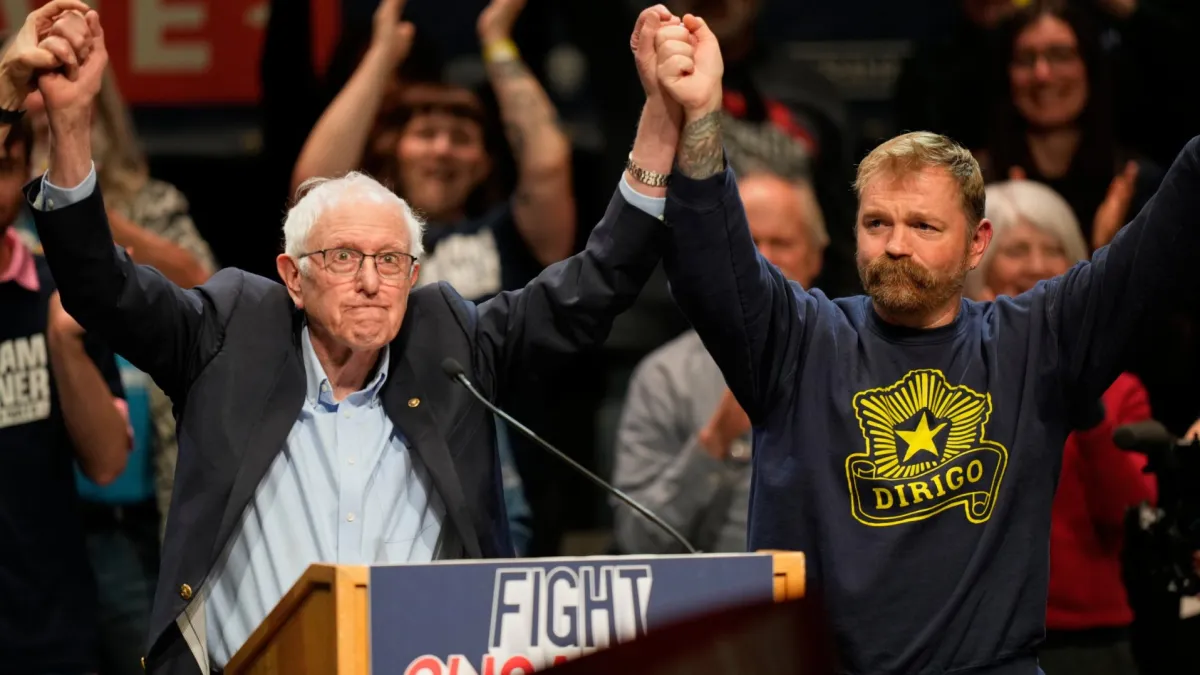
Graham Platner was seen as the potential saviour of the Democratic Party, a left-wing populist who cut through to voters in this turbulent age of Donald Trump. Here was their working-class hero straight out of central casting, a marine who had fought in Iraq and Afghanistan before returning home to Maine to work as an oyster farmer.
He spoke passionately about the failings of American foreign policy and thrilled crowds with promises to restrain the rich, shackle corporations and defend unions. “If fascists and bigots hate me, then I welcome that,” he declared, warning the US president and “all of his depraved billionaire friends” that he was coming for them.
Already his backers were touting plain-talking Platner as the perfect Democratic presidential candidate for 2028, even before voters had determined if he could oust Maine’s veteran Republican Senator Susan Collins in November’s mid-terms. He shot to national stardom after announcing his candidature in a slick video that went viral, then crushed the party establishment in June’s primary contest.
He was seen as the quintessential small town man embodying struggles of blue-collar America while embracing the anger and mistrust felt by many citizens towards Washington. “I’m a working-class guy that lives a working-class life,” he insisted. “There’s an authenticity there that most other politicians just can’t provide because it’s inauthentic for them.”