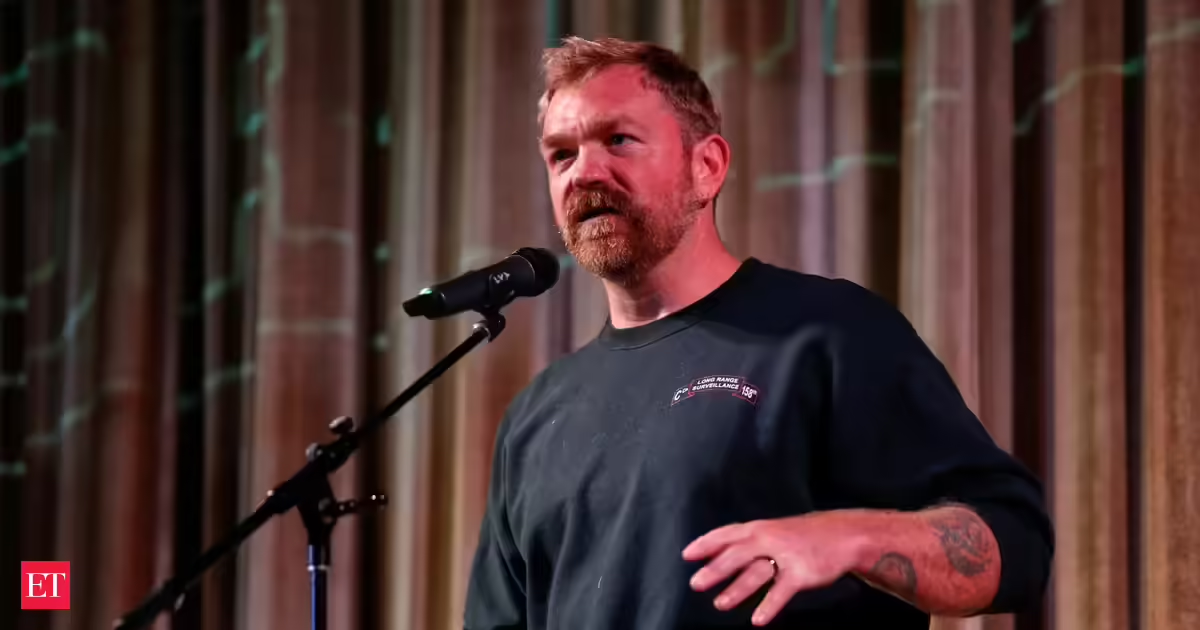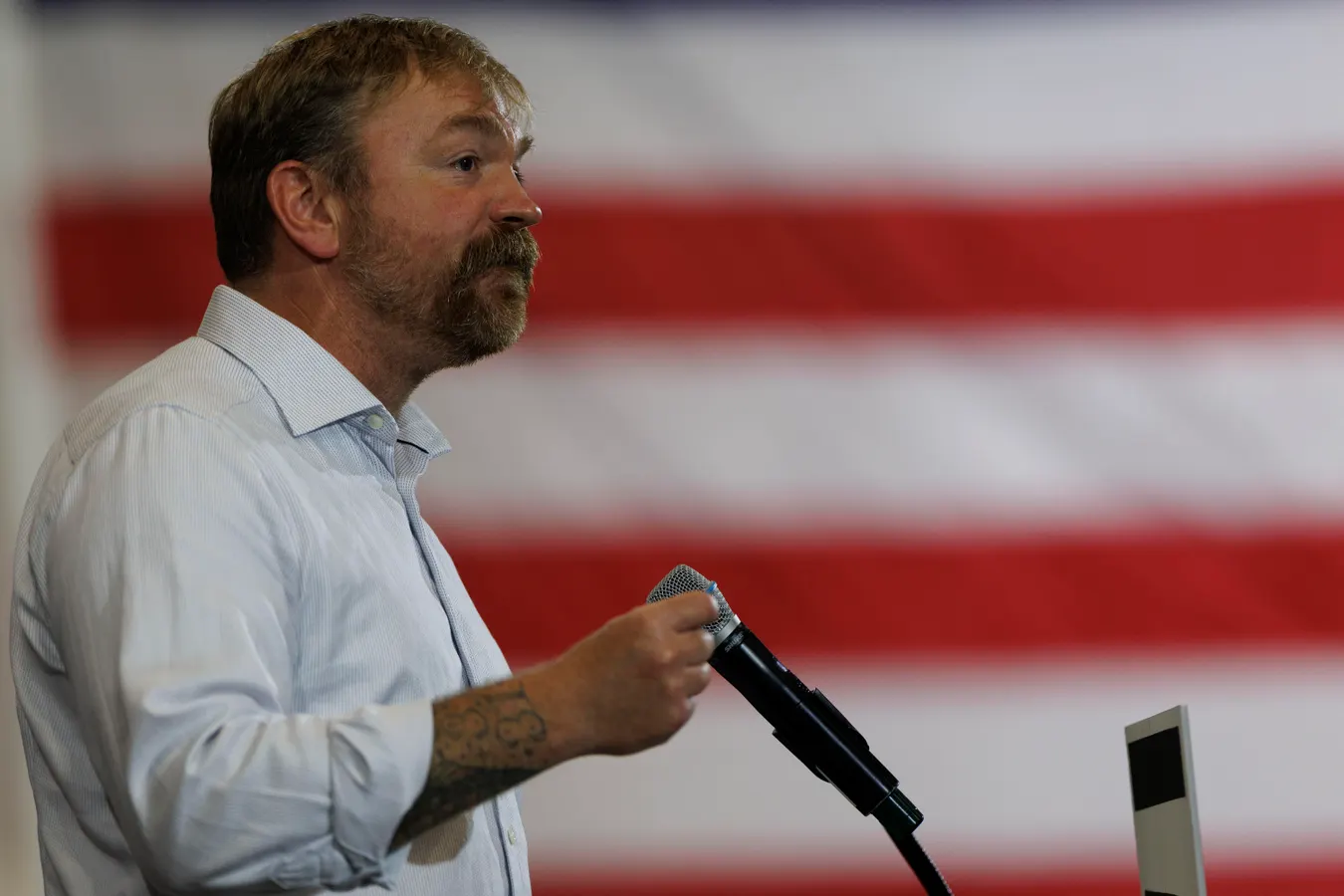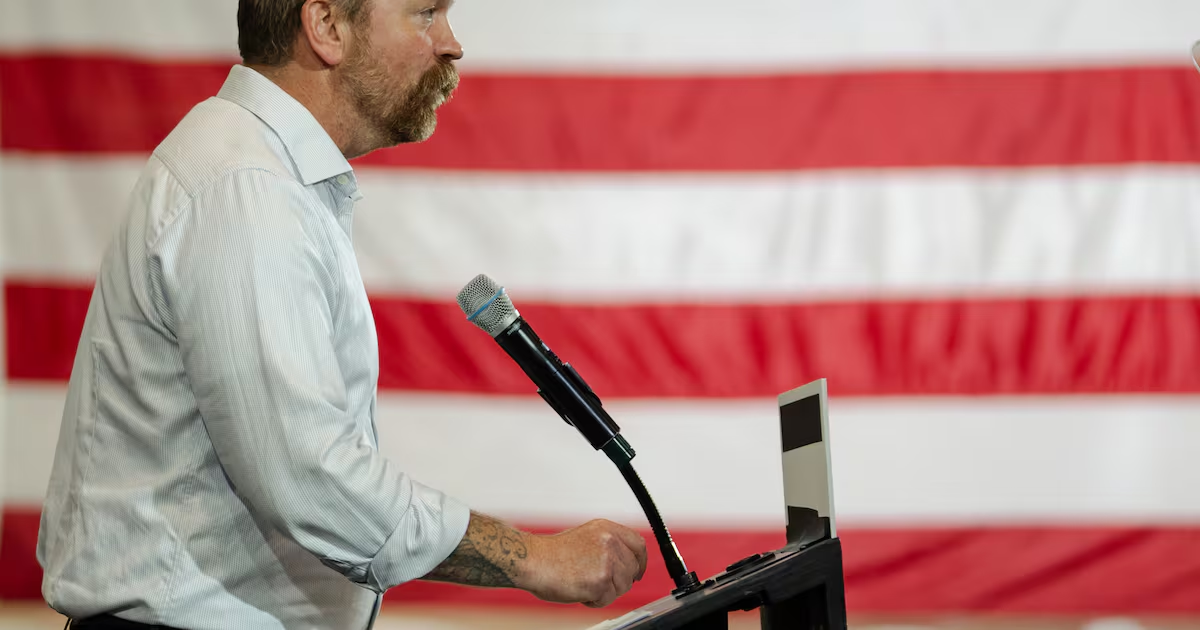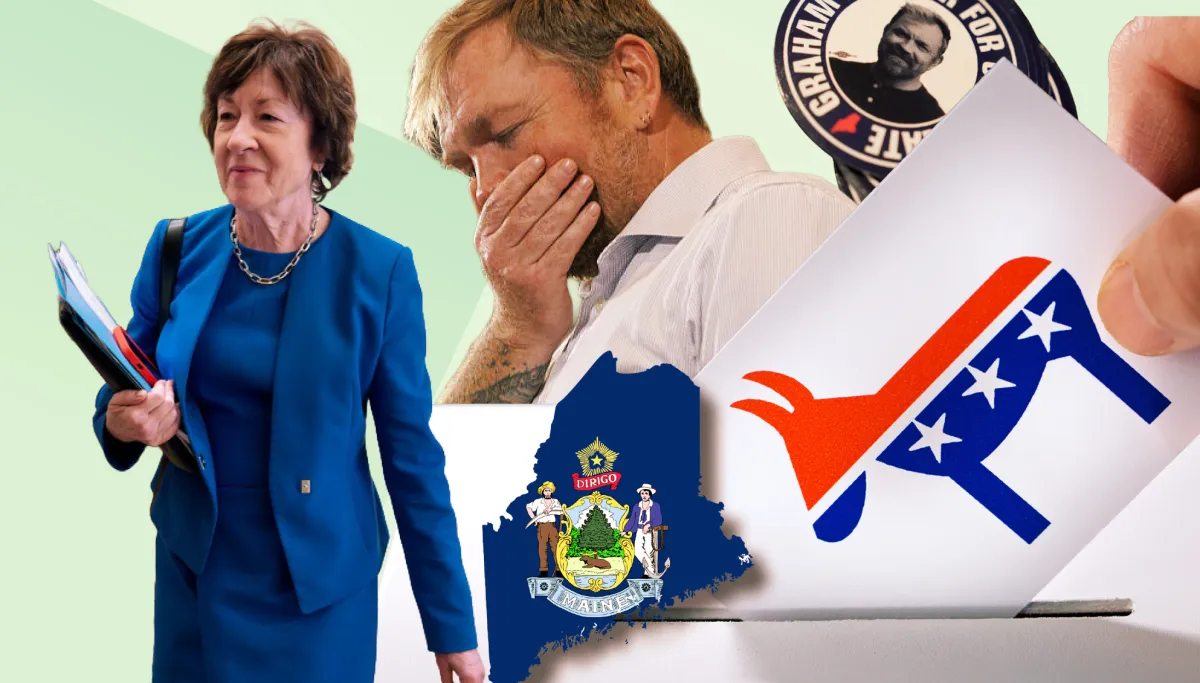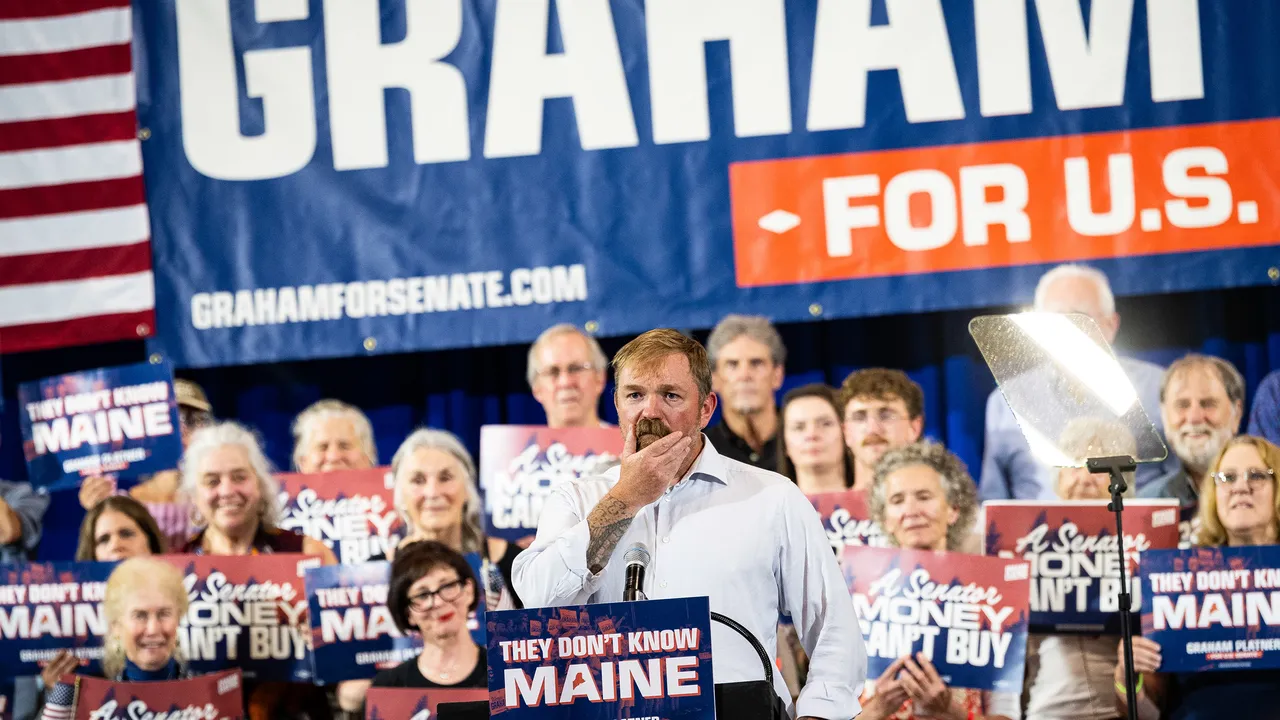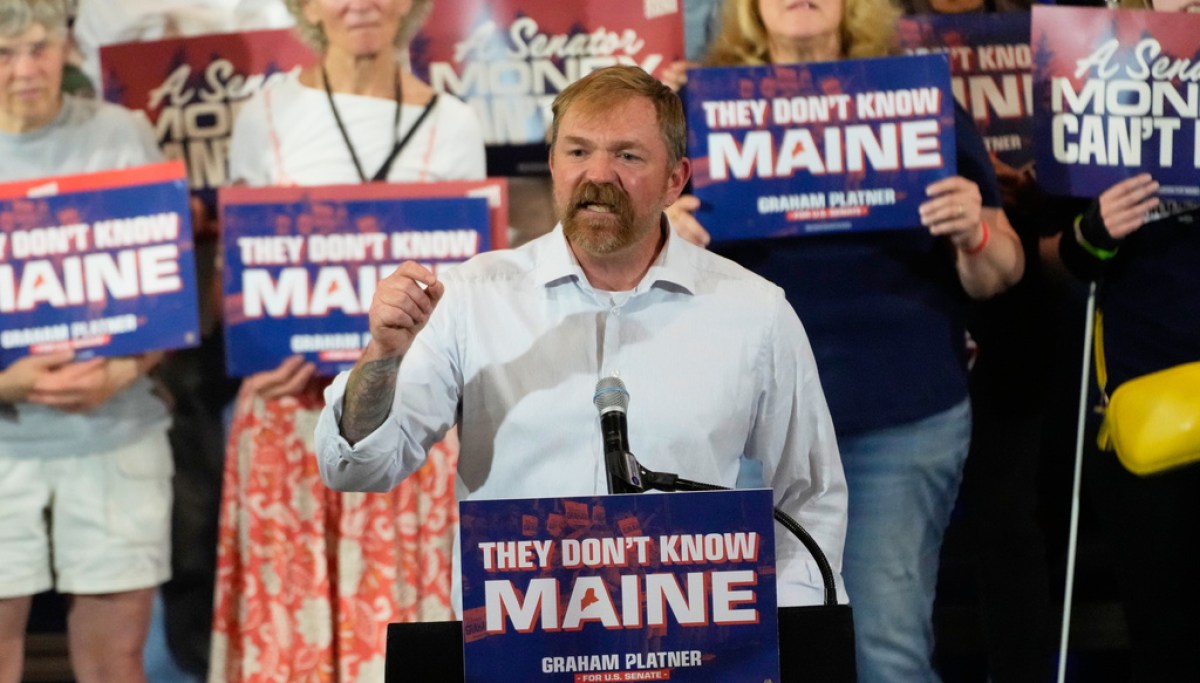
The Graham Platner campaign has collapsed in spectacular fashion, with the upstart candidate suspending his run for Maine senator in a video he released Wednesday night. A woman Platner had dated accusing him of sexual assault effectively ended a candidacy that had a lot of warning signs, from his controversial Nazi tattoo to prior reports alleging mistreatment of women. I and many others were too enthusiastic about Platner’s potential. But, while Democrats rightly abandoned Platner after the woman’s allegations emerged, they shouldn’t abandon what Planter represented: an attempt to find candidates and messages that appeal outside of the party’s core voting base. Such experimentation and innovation is vital, because as the 2016 and 2024 elections showed, there just aren’t enough stalwart Democratic voters to defeat MAGA on their own. The initial enthusiasm about Platner came from three parts of the Democratic Party coalition. Most importantly, Maine liberals crowded his events, excited by both his personal story and populist politics, and eventually overwhelmingly backed him in last month’s Senate primary. Outside of Maine, leftists such as journalist Ryan Grim and Senator Bernie Sanders got behind Platner as the man who could defeat the party’s establishment’s more centrist choice, Governor Janet Mills. There was a third group of people on the left and center-left, perhaps best exemplified by the hosts of Pod Save America, whose perhaps thought that Platner could appeal to voters who don’t traditionally back Democrats and not only finally defeat Susan Collins but offer clues about how the party could win such voters across the country. I had a foot in both the second and third camps. The electoral aspect was an important part of the fanfare around Platner. The backlash to President Trump alone may be enough for the Democrats to win control of the House, Senate, and presidency over the next two elections. But even under that optimistic scenario, today’s radical, anti-democracy Republican Party would control about half the states, including almost the entire South, and have a strong chance of regaining power in Washington in 2030 and 2032. And the Republicans will be in a strong position as long as they keep winning the white (57 percent for Trump in 2024), male (57 percent), white non-college (63 percent) and rural (69) votes nationally, particular since many independent voters and younger people either keep backing the GOP or don’t vote at all. So a white male veteran gun owner running in a very rural swing state was destined to get outsized attention from Democrats. This electoral aspect of Platner’s candidacy is tricky—and a bit icky—to discuss. A party like the Democrats that does better with urban voters than rural voters, women compared to men, Black people compared to white people, and college graduates compared to non-college graduates isn’t doing anything morally wrong. In fact, considering the history of America, the party that is more popular with women and Black people is no doubt on the right side of most moral questions. But to win elections, it would help Democrats to woo more men, rural voters, white people without degrees, and white people overall, particularly since the Electoral College and the Senate give disproportionate power to the latter three groups. So while no one who backed Platner admitted this openly, it’s unlikely they would have as enthusiastically supported a Black or female candidate in Maine with no political experience, an incendiary tattoo, and crazy social media posts. Platner was benefiting from affirmative action for gruff-looking white men, with political elites supporting Platner in part on the theory that he could reach other men like himself. It was irritating to see Platner portrayed as a candidate for the working class, since his background was fairly privileged and the voters that he would ideally reach were much better described by their gender (male) and geography (rural) than their income or working conditions. But I was more annoyed by the coded conversation than the reality it masked: There are probably some voters in Maine and other states who will back a white man like Platner but not Democratic candidates of other demographics. I don’t love elevating gruff white guys as an electoral strategy. But it’s in some ways preferable to the Democratic establishment’s favorite tactic: Constantly moving to the right to appeal to a mythical constituency of anti-Trump Republicans. Following the center-left playbook, Kamala Harris spent the latter part of her 2024 campaign abandoning populist economic policies, promising to ensure that America’s military remained the world’s “most lethal,” and touting her support for more border patrol officers. That approach not only moves the party in a worse direction on policy, but rarely wins over many non-Democratic voters. Many of the Democrats running in 2026 backed anti-immigrant measures last year, although they have shifted left as Trump has become more unpopular. There are two alternative approaches that hold promise. First, some Democrats rely on parts of their biography to woo voters who aren’t traditional liberals. Georgia Senator Raphael Warnock leans into his Christianity and pastoral role. For Kentucky Governor Andy Beshear, it’s faith and a nerdy dad vibe. Michigan Senator Elissa Slotkin, Virginia Governor Abigail Spanberger, and New Jersey Governor Mikie Sherrill all won swing House districts and then statewide office by emphasizing their service in national security jobs. Second, a growing number of Democrats, such as Georgia Senator Jon Ossoff and Michigan Senate candidate Abdul El-Sayed, are running as anti-system, anti-corruption figures. They emphasize their opposition not to Republicans but to corporate The virtue of these two approaches is that they don’t require Democratic candidates to be Republican-lite on policy as Harris was on some issues in 2024. And the anti-corruption message allows candidates to tap into the anti-Washington, anti-institution sentiment that pervades the country. In 2024, Harris was constantly highlighting how much support she had from Republican politicians like Liz Cheney. But being well-liked by fellow politicians, even from the other party, isn’t that useful in appealing to voters who hate everyone in Washington. Two of the most surprising victors in the post-Obama political era, Trump and New York City Mayor Zohran Mamdani, both won over swing voters and inspired people to vote who often sit out elections by running against the establishments in both parties. Platner was using both of these approaches. He was bashing elites in Washington and calling for limits on corporate and billionaire spending in politics, like other populist candidates across the country. At the same time, his candidacy was very much about his own unique biography: small-town veteran and oysterman who had never previously run for office. Would this have worked in November? As my colleague Greg Sargent wrote before the sexual assault report, Platner was far behind Collins among voters without college degrees. Perhaps his message and bio weren’t selling. Alternatively, all of the swirl around his past made voters wary, no matter what he said on the campaign trail. We’ll never know how a general election between Collins and an untainted Plater would have gone. And we don’t know how El-Sayed, Ossoff, or others running on the anti-corruption, anti-system agenda will do this November. But we do know how the 2016 and 2024 elections went. The Democrats, for the presidency and key congressional races, ran traditional candidates with centrist policy platforms—-and they lost. That doesn’t mean Democrats will automatically win if they run pastors, oyster farmers, or anti-corruption warriors. What those elections tell us is that there isn’t yet a clear formula for beating the MAGA right. Senate Majority Leader Chuck Schumer shouldn’t be so confident he knows which candidates are best. Nor should Morris Katz, the strategist who helped steer Mandami to victory but also helped create the debacle that was Platner’s campaign. Platner wasn’t the right candidate. But neither were Hillary Clinton or Harris. The Democratic Party shouldn’t only look for white men with unusual jobs to run office. But it should look for candidates who get voters to give Democrats a second look—even if those candidates are white men with unusual jobs.
Graham Platner Was a Train Wreck—but Playing It Safe Is Not the Answer
Okay, the Main candidate came up snake eyes, big time. But that emphatically does not mean Democrats should retreat to milquetoast candidates.
1,332 words~6 min read