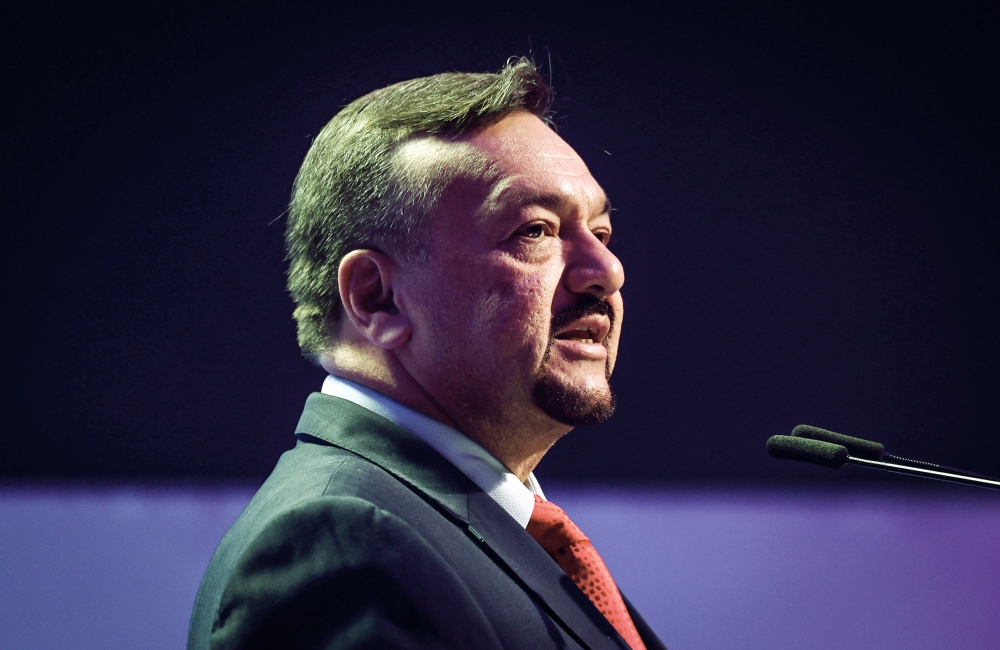
The future of financial services will be defined less by who digitises fastest, and more by who understands people best. For years, the industry treated digitisation as the clearest marker of innovation. The next frontier, however, is not more technology for its own sake, but better use of it — applied with greater intelligence, relevance and human insight. This shift is being accelerated by a reordering of wealth. An estimated $124-trillion will change hands over the next two decades, while the profile of the primary client is changing with it. Female-controlled wealth grew 51% between 2018 and 2023, and women in the US are expected to control $34-trillion by 2030. Today’s clients arrive with expectations shaped not by banks, but by every digital experience in their lives, raising the bar for financial institutions.“Clients judge banking not in isolation, but alongside every digital experience they engage with,” says Ebrahim Samodien, CIO at Investec Private Bank. “Speed, personalisation and seamless journeys are no longer differentiators, but baseline expectations.”Ebrahim Samodien, chief information officer at Investec Private Bank, discusses how AI, digital innovation and personalisation are shaping the future of client experience in banking. (Investec) Against this backdrop, Investec is reframing the private client experience: not around beating benchmarks but around helping clients achieve financial freedom and personal purpose, however they define it.The common thread is context. Across private banking and wealth management, the shift is away from products and transactions in isolation and towards a deeper understanding of the individual — how clients transact, invest, plan and make decisions over time.The rise of intelligent financial ecosystemsBanking is moving beyond digitising transactions towards building intelligent ecosystems — ones that understand behaviours, needs and ambitions. The goal is no longer efficiency alone, but relevance, helping clients navigate complexity with experiences that feel increasingly intuitive, personalised and secure.“The most effective technologies are those that remove friction, simplify and enable better decisions without interrupting the human experience. “As financial services become more intelligent and interconnected, privacy, cyber resilience and fraud prevention become inseparable from the client experience,” says Samodien. “The volume of data flowing through financial ecosystems continues to grow, while cyber threats, fraud and digital impersonation become increasingly sophisticated.”Samodien says confidence in the security of clients’ information and assets must keep pace with the sophistication of the experiences being built around them.For wealth management, this intelligent, globally integrated ecosystem means something more. Clients are increasingly global in how they live, work and invest, and they need a banking and international wealth management partner that can support them wherever life, business and opportunity take them. The goal is not simply to enable digital interactions, but to deliver seamless, connected experiences that bring advisers and clients closer together. Technology should strengthen that connection, helping people better understand individual circumstances, anticipate changing needs and respond in ways that remain deeply human.Kerusha Kanjee, chief information officer at Investec Wealth & Investment International, says AI is strengthening adviser-client relationships through more personalised wealth management. (Investec) Kerusha Kanjee, CIO at Investec Wealth & Investment International, says trust remains at the heart of wealth management, particularly as clients navigate major life events, support their families and pursue their ambitions. “AI can never replace the human relationships that remain at the heart of wealth management, but it can help strengthen them. “Through the strategic use of data, insights and digital capabilities, institutions can better understand what matters most to each client, anticipate changing needs and create more intuitive, personalised experiences,” she says. The real value of technology lies in its ability to help advisers engage with greater context, empathy and understanding, “ensuring every interaction feels connected, relevant and distinctly human”, says Kanjee.The shift to omnichannel and hyper-personalisationClient experience now drives technology decisions. The future lies in true omnichannel banking, where clients move seamlessly between digital and human interaction, with context preserved across every touchpoint. Routine needs are handled digitally, while complex decisions shift to human expertise. Technology does not replace people but enables a more meaningful engagement. This becomes more relevant as clients operate across borders, where day-to-day financial needs can quickly become complex: moving money internationally, managing different currencies and keeping control across markets. Responding to this shift, solutions such as Investec’s multicurrency pockets use intelligent routing to automatically select the appropriate currency for a transaction, reducing friction for clients operating across currencies and jurisdictions. The value lies not in the technology, but in how it responds to changing client expectations for simpler, more intuitive cross-border banking experiences.AI can never replace the human relationships that remain at the heart of wealth management, but it can help strengthen them— Kerusha Kanjee, CIO at Investec Wealth & Investment InternationalPersonalisation is also entering a new phase. “Driven by behavioural data, predictive modelling and advanced analytics — used within established privacy, security and governance frameworks — financial institutions can increasingly anticipate major life and business events before clients actively seek solutions,” says Samodien. “This is reflected in our propensity models that are linked to areas such as home loans and vehicle finance. These tools anticipate client needs, present tailored scenarios and enable more confident decision-making – marking a shift to insight-led engagement, where technology supports clients at critical moments,” he says.As life evolves, so too does the relationship people have with wealth. The way it is created, grown, protected and ultimately used changes over time. Expectations from a wealth manager evolve as well, shifting from a focus on products and the performance of funds to a broader conversation about opportunity, security and long-term impact.As client expectations continue to evolve, AI is helping create more meaningful and personalised client experiences. In wealth management, its greatest value is the time it gives back to advisers. By reducing the effort spent on routine tasks, advisers can focus on what matters most: understanding their clients, providing trusted guidance and wisdom. As Kanjee says, “We’re not replacing relationships, we’re protecting them, because every minute we automate is time reinvested into our clients and understanding their needs.”What will define the next decade?The leading institutions of the next decade will not be those with the most visible technology, but those whose technology feels almost invisible, working seamlessly in the background to remove friction, preserve context and give clients confidence that their information, assets and interactions remain protected. Ultimately, the future of financial services is not about technology alone. It is about using technology to understand people better across the full private client relationship, meeting them where they are with experiences that feel personal, intelligent and human. That is what will distinguish the institutions clients choose to trust.To read more of Investec’s latest insights on innovation and technology, visit Investec Focus.This article was sponsored by Investec.
The future of financial services is personal, intelligent and digital
SPONSORED | Clients will trust institutions that use technology applied with greater intelligence, relevance and human insight, says Investec
1,111 words~5 min read