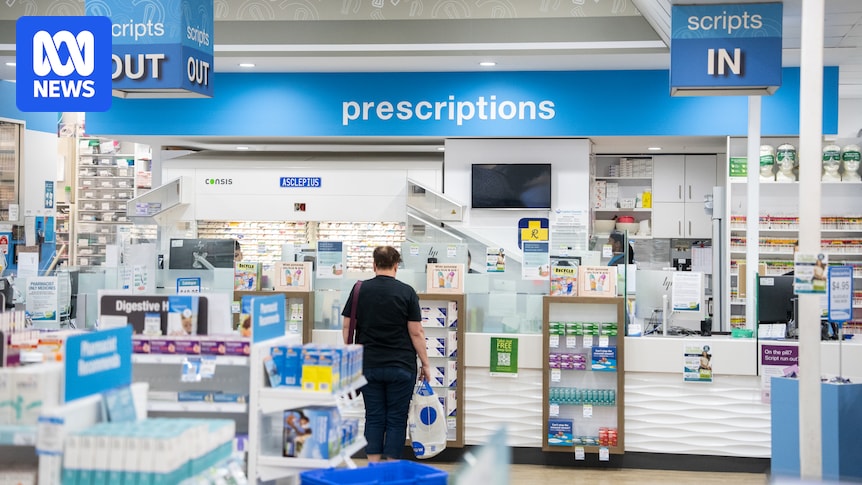
Australian taxpayers are paying more for medicines due to backroom deals by one of the country’s most powerful lobby groups, it is claimed.New modelling released by the Grattan Institute suggested pharmacies are cashing in to the tune of nearly $3bn in annual dispensing charges, with lack of competition and limited incentives to discount prices costing consumers.According to the think tank, the Pharmacy Guild of Australia has major political influence with both its biggest donors being from the healthcare industry. Grattan’s health director and lead author of the report Peter Breadon says pharmacy policy is too important to be controlled by a powerful lobby group.“But the Pharmacy Guild of Australia, which represents most pharmacy owners, is calling the shots, (with) the Guild negotiating funding and policy directly with the federal government,” he said.“Unlike almost any other country, Australia’s negotiations include no one else, and are based on almost no public evidence.“Bad governance has led to bad deals – unless you own a pharmacy.”Pharmacy Guild of Australia’s national vice president Simon Blacker disputed the claims saying his organisation has been a leader for affordable medications, including “last year working with the government to make the second only cut to the co-pay in the PBS history”.“In January 2026 the general co-payment was reduced to $25 – the lowest level since 2004,” he said.Mr Breadon specifically took aim at Community Pharmacy Agreements which provide “generous” terms and guarded pharmacy owners from revenue declines.Mr Breadon says this has led to large profits for the pharmacy industry and hurt both taxpayers and Australian customers. Around 6000 community pharmacies in Australia dispense 335 million prescriptions under the Pharmaceutical Benefits Scheme costing the taxpayer $3.8bn.Mr Breadon says taxpayers and patients need to be confident they are getting good service and good value from this spending.“The government spends billions on community pharmacies each year. Fairer fees and stronger competition will ensure it is run for patients, not just owners,” he said. Community pharmacies receive a range of payments for their services paid for from both the government or patients. Both the Grattan Institute and the Pharmacy Guild of Australia point out the important role of these community pharmacies on the community. “Australia’s 6000 community pharmacies play an essential role in ensuring medicine access, advice and health service,” Mr Blacker said.“Increasingly specially trained pharmacists can examine, diagnose and treat a range of everyday and long-term health conditions – this should be underpinned by a nationally consistent prescribing framework.”High feesThe report highlights “dispensing fees” to cover the costs of verifying and receiving scripts, preparing medicines and giving advice to patients on how they should use the medication.On average, these fees cost $9.24 a script. “Dispensing fees should be reset. Unjustified fees should be scrapped,” Mr Breadon said. “All fees should be set independently, and based on cost, not on bargaining.“No one knows what it actually costs to dispense a prescription in an Australian community pharmacy.“And it’s no accident. Unlike in other countries, efforts in Australia to establish the real cost of dispensing have been blocked by the Guild, forcing the government to negotiate fees in the dark.”The report also speculates that while pharmacies are willing to cut prices and patients want cheaper medicines, there are tangles of rules that block discounts. “Australia is unusual in combining unregulated pharmacy profits with complex rules that prevent pharmacies from passing savings on to patients,” Mr Breadon said.“In Australia, prescription medicines below the maximum co-payment can be discounted by any amount. “Allowing pharmacies to discount these medicines has produced real savings for patients.“Each year, general patients save about 17 per cent of the cost of these medicines. In 2025, these savings were $319 million.”Calls to shake up the sectorIn its report the Grattan Institute calls on the government to end backroom deals and negotiate decisions independently as it happens for other types of healthcare. “If the federal government won’t do that, at a minimum patients and pharmacists should be at the table, and there should be clear public evidence to justify decisions,” Mr Breadon said.
‘Unjustified’: Aussies smashed by $3bn fee
Australian taxpayers are paying more for medicines due to backroom deals by one of the country’s most powerful lobby groups, it is claimed.
670 words~3 min read