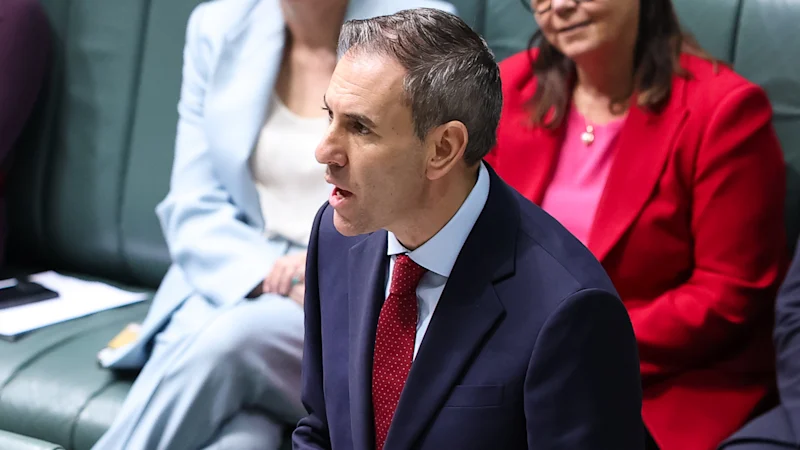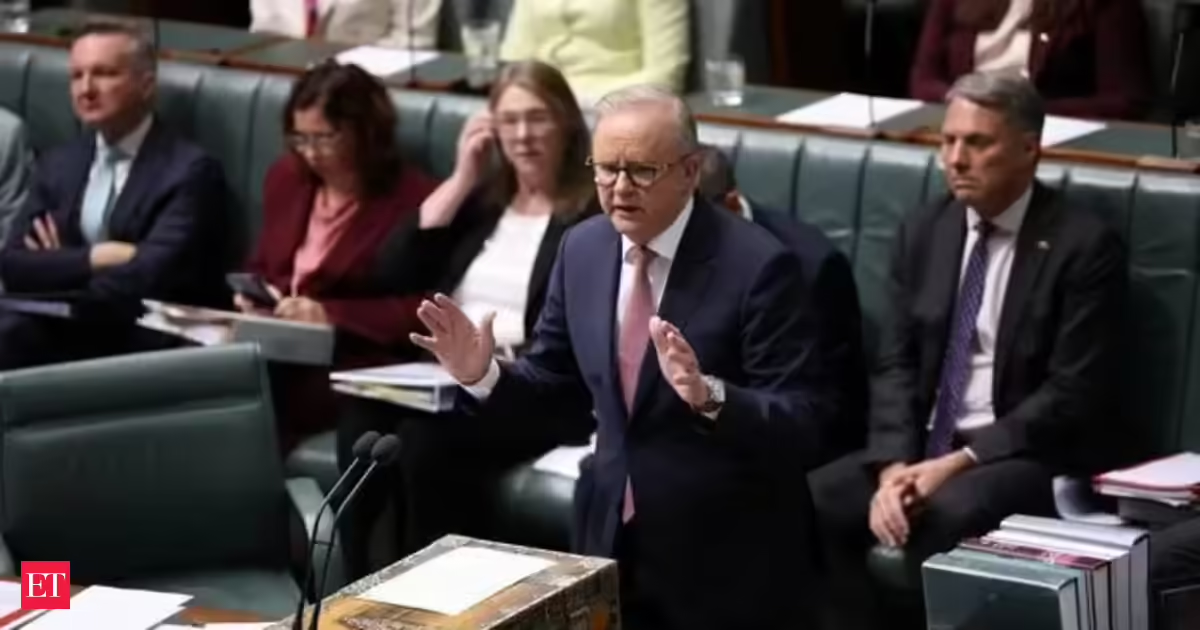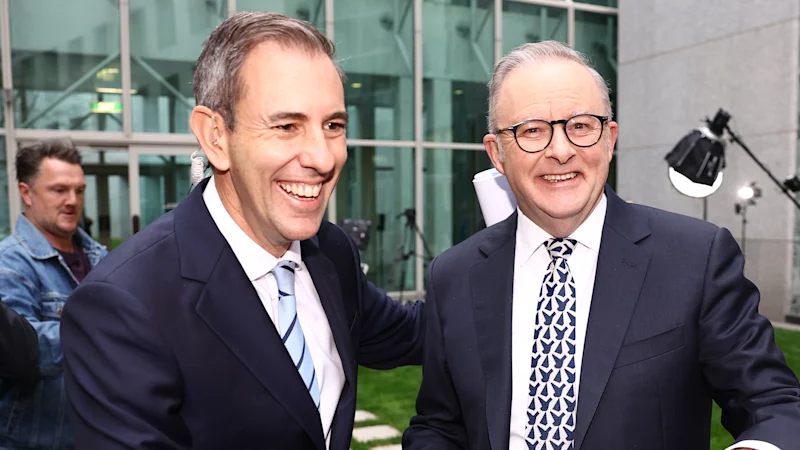
July 14, 2026 — 2:59pmAustralians will pay an extra $336 billion in personal income tax by the middle of next decade even after the Albanese government’s latest round of tax cuts, as a greater share of the nation’s finances is thrown at hospitals, defence and the interest bill on record levels of debt.An independent analysis of the nation’s finances, compiled by the Parliamentary Budget Office, reveals this year’s budget, including its various tax changes and cuts to the NDIS, has improved the federal fiscal outlook with a surplus now projected for 2034-35, a two-year improvement on its previous forecast.Treasurer Jim Chalmers and Prime Minister Anthony Albanese selling the budget in May. The budget is on track to be in surplus two years earlier than originally forecast.Dominic LorrimerThe improvement, however, is built upon cuts to the public service and the NDIS plus an 86 per cent jump in personal income tax collections that is expected to raise almost $730 billion by 2036-37.And the analysis also shows promises from the Coalition and One Nation in areas including tax, immigration and defence mean they would need difficult spending cuts just to match the government’s target of a surplus or face even higher levels of debt.Treasurer Jim Chalmers’ fourth budget forecasts a deficit this year of $31.5 billion with gross debt likely to top $1.05 trillion by mid-2027. Partial data released over the past two months suggests the budget is improving with total debt and the size of the deficit likely to be lower.Chalmers’ budget, apart from its changes to key property taxes, also contained the $250 Working Australians Tax Offset (WATO) that will apply to income earned this financial year. This is on top of a July 1 cut to the bottom tax rate which will be repeated next year.But the office found while higher commodity prices were helping the budget, the biggest driver of the move towards a surplus in 2034 was bracket creep, the process by which a person’s average tax rate increases as their income lifts.“The improvement primarily reflects higher personal income tax receipts (mainly from bracket creep), together with lower public service spending and non-hospital funding to the states,” it said.Chalmers has already signalled he is likely to build on the latest tax offset in future budgets. Without a change, the budget office estimates the average personal income tax rate will climb from 24.9 per cent this year to a record 28.6 per cent in 2036-37.But the office warned that given the importance of bracket creep to the budget’s recovery, any tax cuts would likely push back the timing of a future surplus.“Should the government provide future personal income tax cuts similar to those of the past, absent other policy changes, a return to surplus would become unlikely over the medium term,” it said.Liberal leader Angus Taylor promised in his budget reply speech to index tax thresholds in a bid to end bracket creep.But the office said the sheer cost of indexation meant without deep spending cuts, or increases in other taxes, meant the budget bottom line would deteriorate.“Indexing tax thresholds – either alone or in combination with higher spending outcomes – leads to a persistent deterioration in the budget position relative to the baseline in the absence of offsetting expenditure or revenue measures.”According to the budget office, indexing thresholds means the budget does not return to surplus.Both the Coalition and One Nation are promising cuts to net overseas migration. But such a move will blow a substantial hole in the budget bottom line.The budget office estimates if net migration is 40,000 lower than the 235,000 a year assumed through the 2030s, the budget takes a $79 billion hit.An increase in defence spending, which the Coalition and One Nation have also signalled, would also punch a large hole in the budget. Under current plans, defence spending is forecast to climb by almost 75 per cent over the next decade, making it the budget’s third-largest expense behind the GST and the age pension.This year’s budget contained a deep cut to the NDIS, which is facing strong opposition from the Greens and the disability sector. The office warns that if the NDIS continues to grow at its current 10 per cent annual rate, the budget will not return to surplus in the coming decade.The single largest budget saving comes from a reduction in spending on the public service.Expenditure on public servants outside of defence is expected to fall as a share of GDP from 1.8 per cent this financial year to just 1.2 per cent by 2036-37. This is predicated on the total number of public servants falling from around 215,000 now to 189,000 by the end of the decade and then to 176,000 by the middle of next decade.It cautioned that if there is no reduction in the public service, or if it keeps growing to around 244,500, the return to a surplus would be pushed back a year to 2035-26.Despite finding the budget had improved due in part to the changes outlined by Chalmers this year, the office warned there were issues that meant the nation’s finances needed close monitoring.While gross debt is expected to fall from 34 per cent of GDP now to 28.3 per cent by 2036-37, interest on that debt is the fastest-growing expense in the budget. The interest bill is projected to climb by 110 per cent from $43.4 billion this year to $91.3 billion, making it larger than the NDIS.Other big spending increases are expected for aged care and Medicare (both up 66 per cent), public hospitals (99 per cent) and childcare subsidies (68 per cent).“While debt to GDP remains low relative to comparable economies, its upward trend over the past two decades should be monitored,” the office said.“Structural economic headwinds – including weaker productivity and demographic change – could place upward pressure on debt relative to historical experiences.” Cut through the noise of federal politics with news, views and expert analysis. Subscribers can sign up to our weekly Inside Politics newsletter.From our partners
The tax bill for working Australians is in the mail – and it’s growing
The May budget will improve the nation’s finances over the coming decade. But surpluses will be built on the back of working Australians.
1,000 words~5 min read