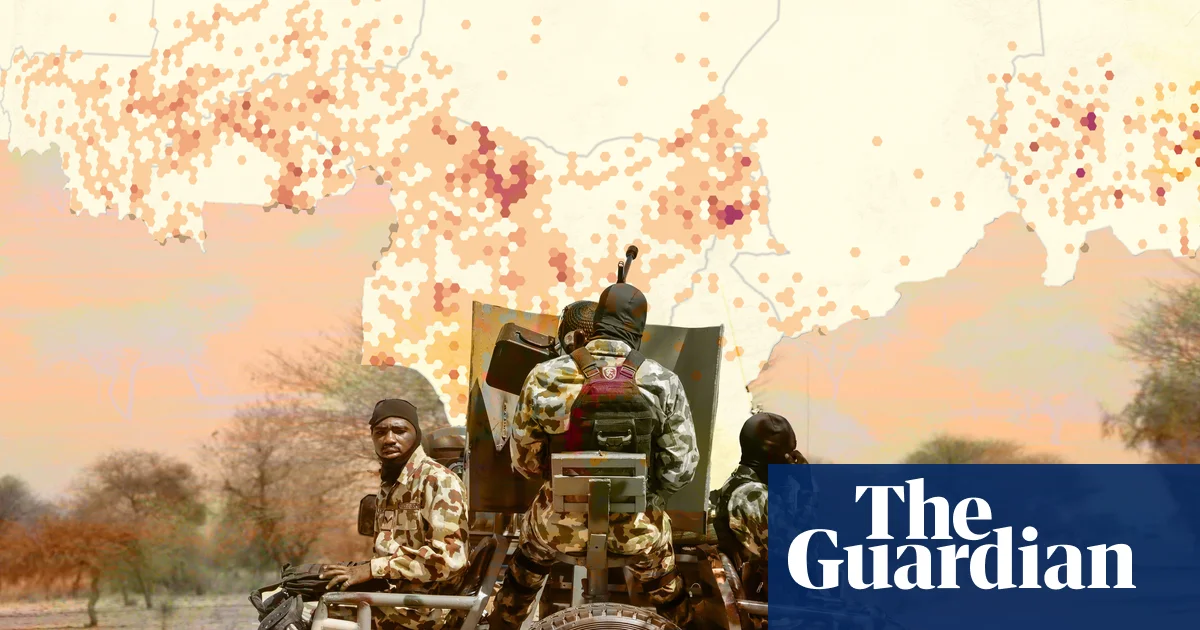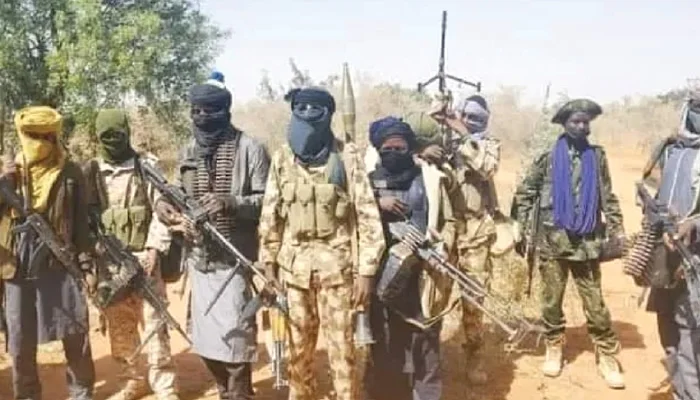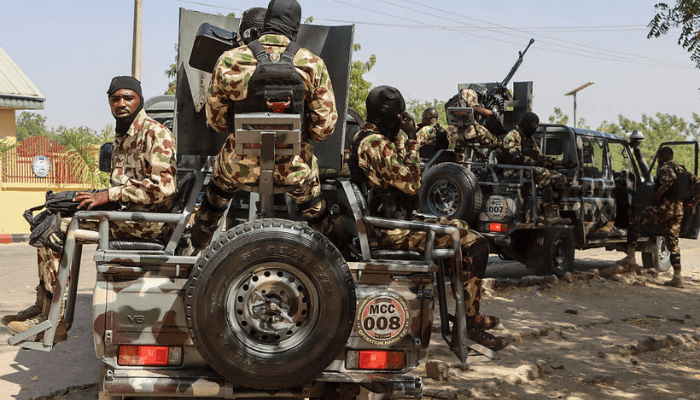
In the past decade, Nigeria’s name has become increasingly associated with crime, insecurity, and institutional decay, at home and abroad. Official corruption, weak institutions, terrorism, banditry, and the routine kidnapping of schoolchildren for ransom have normalised a national crisis that has eroded public trust and damaged the country’s global standing. The crimes not only persist; they have also become predictable.
Security failures assail defenceless communities, while the state often responds too weakly to restore confidence. The IMF said poverty reached 63 per cent of Nigerians by 2025, with 27 million people facing food insecurity, showing how insecurity and economic distress reinforce each other. The same IMF report said some capital spending took place outside the budget perimeter and that the federal government’s fiscal accounts contained a statistical discrepancy equivalent to 2.7 per cent of GDP, while Reuters reported that about 2 per cent GDP in public spending was not recorded in recent official budgets.
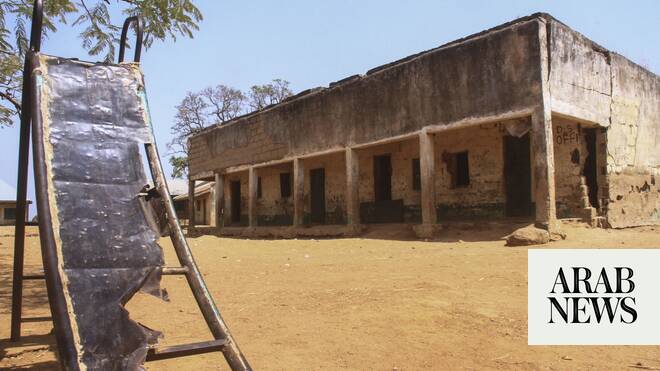
The numbers on violence are equally grim. Nigeria recorded 12,954 deaths from violent incidents in 2025, up from 12,162 in 2024, while banditry alone accounted for 3,974 deaths in 2025, according to Nigeria Watch reporting cited in local coverage. Nextier’s 2025 conflict database also reported 3,141 kidnappings in 1,274 incidents nationwide, with banditry, insurgency, and attacks on farmers feeding a wider security collapse. School kidnappings remain one of the most shameful symbols of this collapse. A recent report said at least 816 pupils were abducted in 22 school attacks since January 2023, underscoring how education itself has become a hostage to criminal enterprise. This is a governance problem.