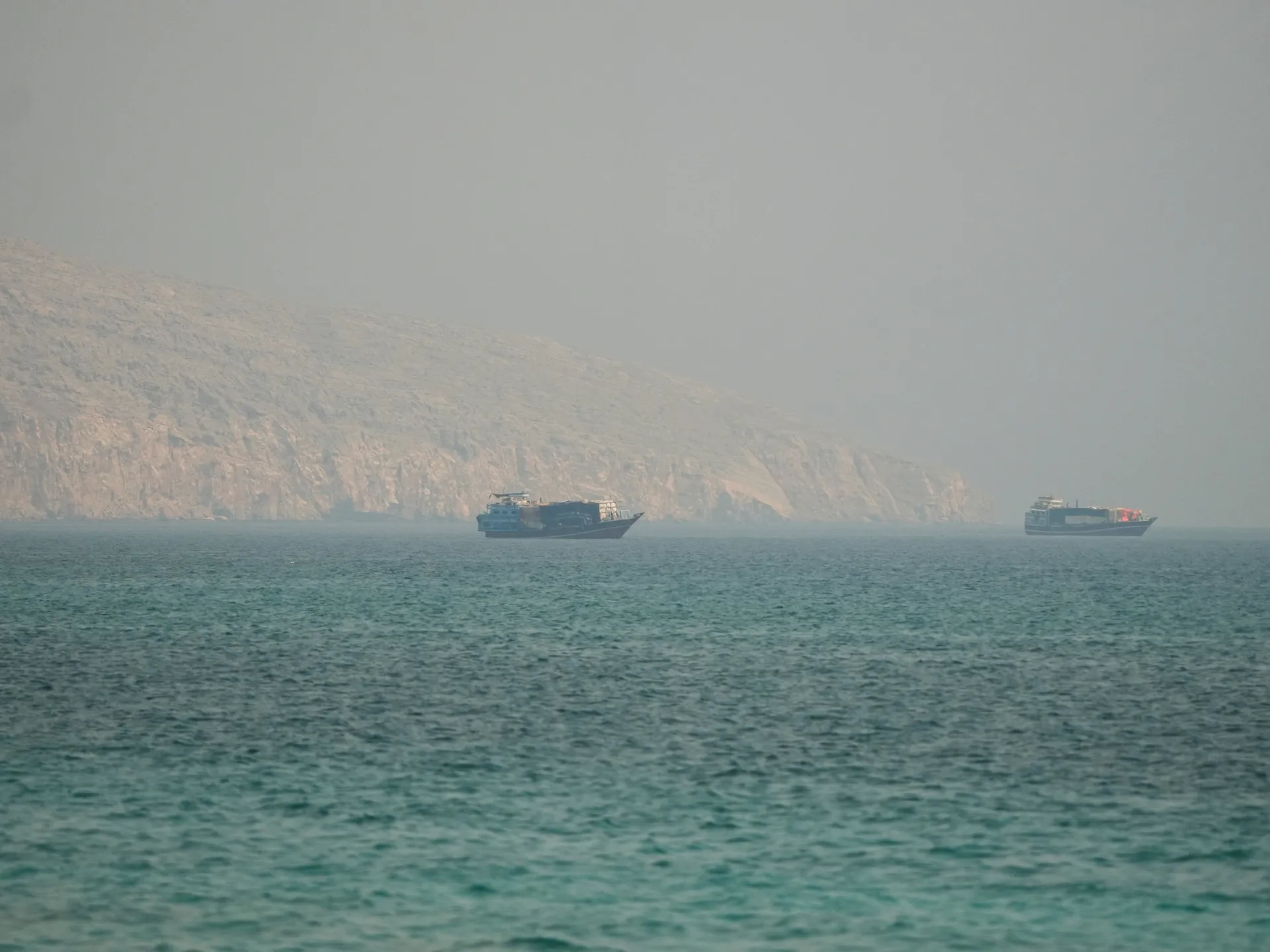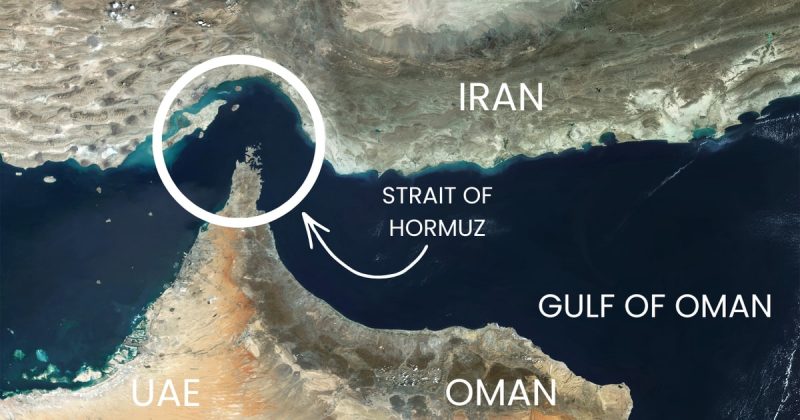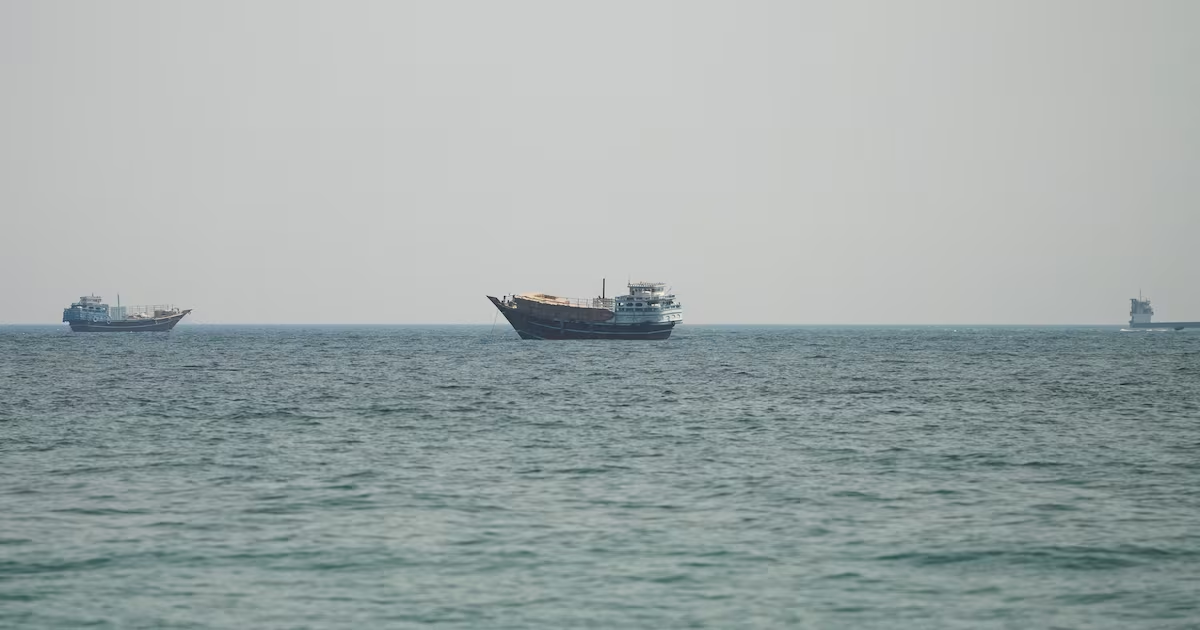
Crude oil futures jumped more than 4 per cent on Monday morning after Iran and the US launched attacks on each other’s targets in West Asia. In addition, Iran announced that it would close the Strait of Hormuz for shipping.At 9.35 am on Monday, September Brent oil futures were at $79.13, up by 4.10 per cent, and August crude oil futures on WTI (West Texas Intermediate) were at $74.35, up by 4.12 per cent. July crude oil futures were trading at ₹7129 on Multi Commodity Exchange (MCX) during the initial hour of trading on Monday against the previous close of ₹6814, up by 4.62 per cent, and August futures were trading at ₹7144 against the previous close of ₹6838, up by 4.47 per cent.In a post on X, MB Qalibaf, speaker of Iran’s parliament, said, “The era of one-sided deals is OVER. We told you: keep your word or pay the price. Reality is knocking.”A statement by US Central Command said that it completed a new wave of offensive strikes against Iran on July 12, hitting dozens of targets at multiple locations with precision munitions to degrade Iran’s ability to continue attacking international shipping flowing through the Strait of Hormuz. US Central Command forces struck Iranian military air-defence systems, coastal radar sites, missile and drone capabilities, and small boats using US fighter aircraft, naval vessels, one-way attack aerial drones, and one-way attack sea drones for the first time.The Strait of Hormuz is a vital maritime corridor for global trade. Iran does not control it. US forces are postured and prepared to ensure that freedom of navigation remains available to commercial shipping despite Iran’s continued unwarranted aggression, harassment, threats, and arbitrary declarations, it said.In their Commodities Feed for Monday, Warren Patterson, Head of Commodities Strategy of ING Think, and Ewa Manthey, Commodities Strategist, said it was another weekend of the US and Iran exchanging strikes. Clearly, the risk is that this escalates to levels seen early in the war, where neighbouring countries and their energy infrastructure are also targeted. Iran claims that the Strait of Hormuz is shut until further notice. The US pushed back, saying that it will ensure freedom of navigation. Escalation has slowed vessels transiting the strait to a trickle, renewing concerns over oil supply tightness through the third quarter.On Friday, the Intentional Energy Agency’s (IEA) latest monthly oil market report showed the agency expects oil demand to gradually recover over the course of the year. The IEA forecasts demand in the second quarter of 2026 was down 4.8 million barrels a day year-on-year. It is expected to ease to a 1.7 barrels a day YoY reduction in the third quarter of 2026, before returning to 1.2 barrels a day YoY growth in the final quarter of the year.“Much will depend on how rising tensions between the US and Iran play out. The agency estimates that global oil supply increased by 4.1 barrels a day in June. As a result, global oil inventories are estimated to have risen by 21 million barrels in June, which would be the first increase in four months,” they said.Published on July 13, 2026
Crude oil futures jump more than 4% as US-Iran conflict escalates
Crude oil futures surge over 4% amid escalating US-Iran conflict and threats to the vital Strait of Hormuz.
521 words~2 min read