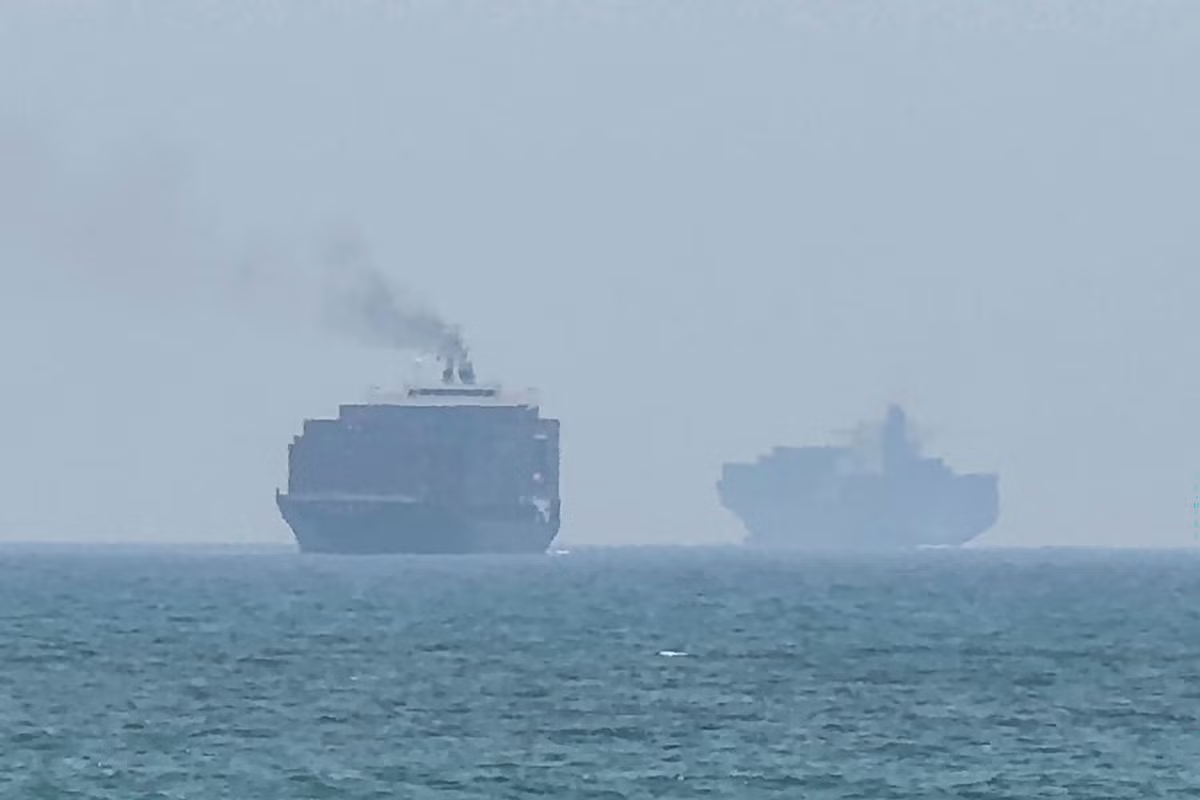
TOKYO – Oil jumped as the United States and Iran exchanged fresh strikes, with both sides offering conflicting statements on whether the Strait of Hormuz remains open to shipping. Brent crude surged 4.1 per cent to US$79.14 a barrel as at 9.40am Singapore time, after gaining 5.4 per cent last week. US West Texas Intermediate traded 4.3 per cent higher at US$74.46.European natural gas also rose on concerns the escalation could hamper shipments from Persian Gulf producers. Futures added as much as 2.7 per cent after gaining almost 8 per cent last week. Iran said the strait would now be closed “until further notice” – a statement denied by US Central Command (Centcom), which said that its forces started more attacks to ensure freedom of navigation through the waterway.The strikes on July 12 were the fourth from the US in a week, with Centcom saying they were in response to an Iranian attack on a Cyprus-flagged container ship.CNN reported that the Islamic Revolutionary Guard Corps had fired at commercial vessels again, and that US aircraft intercepted an Iranian cruise missile and attack drone.The uncertainty is reinserting a war premium into crude prices, which had erased gains after an interim peace deal between the sides offered the prospect of more supply from the Persian Gulf.The flare-up risks derailing efforts to rebuild depleted global oil inventories later in 2026, the International Energy Agency said on July 10 – a reminder of what is at stake for the global economy if the conflict continues.The latest flare-up remains escalatory but “well short of all-out hostilities”, said Saul Kavonic, senior energy analyst at MST Marquee. “We are likely to see oil prices inch higher for as long as the strikes continue and passage through the strait remains more hesitant.”Traffic through the strait – a waterway that normally carries about a fifth of global crude and liquefied natural gas supplies – was almost nonexistent on July 13, extending a slowdown since tensions flared up last week.Even so, the Joint Maritime Information Center said the southern shipping lane coordinated by Oman remains available.The latest escalation has dimmed prospects for diplomacy.Iran’s Parliament Speaker and top negotiator Mohammad Bagher Ghalibaf declared the “era of one-sided deals is over”, while Tehran insisted Washington must first honor prior commitments on Hormuz transits and the normalisation of its oil exports before talks can resume.US President Donald Trump, meanwhile, declared the ceasefire “Over” but said the US remained willing to continue negotiations.Over the weekend, Iranian media reported that explosions were heard east of Bandar Abbas, near the strait.The Islamic republic launched retaliatory drone and missile assaults on American allies across the Middle East, including Kuwait, Jordan and Qatar. The attack on a Kuwaiti oil drilling facility marks the first direct strike on oil infrastructure in weeks and if the conflict expands to target energy infrastructure more broadly in the region, oil prices could head to US$100, MST’s Kavonic said. In the past month, Persian Gulf producers including the United Arab Emirates marketed additional crude after the interim agreement eased concerns over exports.The Emiratis, in particular, were among the most successful in getting barrels out using shuttle tankers that sail dark, or with transponders off. BLOOMBERG
Oil jumps more than 4% as US and Iran trade strikes, dispute Hormuz status
Brent crude surged 4.1 per cent to US$79.14 a barrel as at 9.40am Singapore time, after gaining 5.4 per cent last week. Read more at straitstimes.com. Read more at straitstimes.com.
532 words~2 min read