Academia
As Indonesia prepares to introduce front-of-package food labels, a new study reveals that the proposed system may dangerously downplay the health risks of nearly half the country's unhealthiest snacks and beverages.
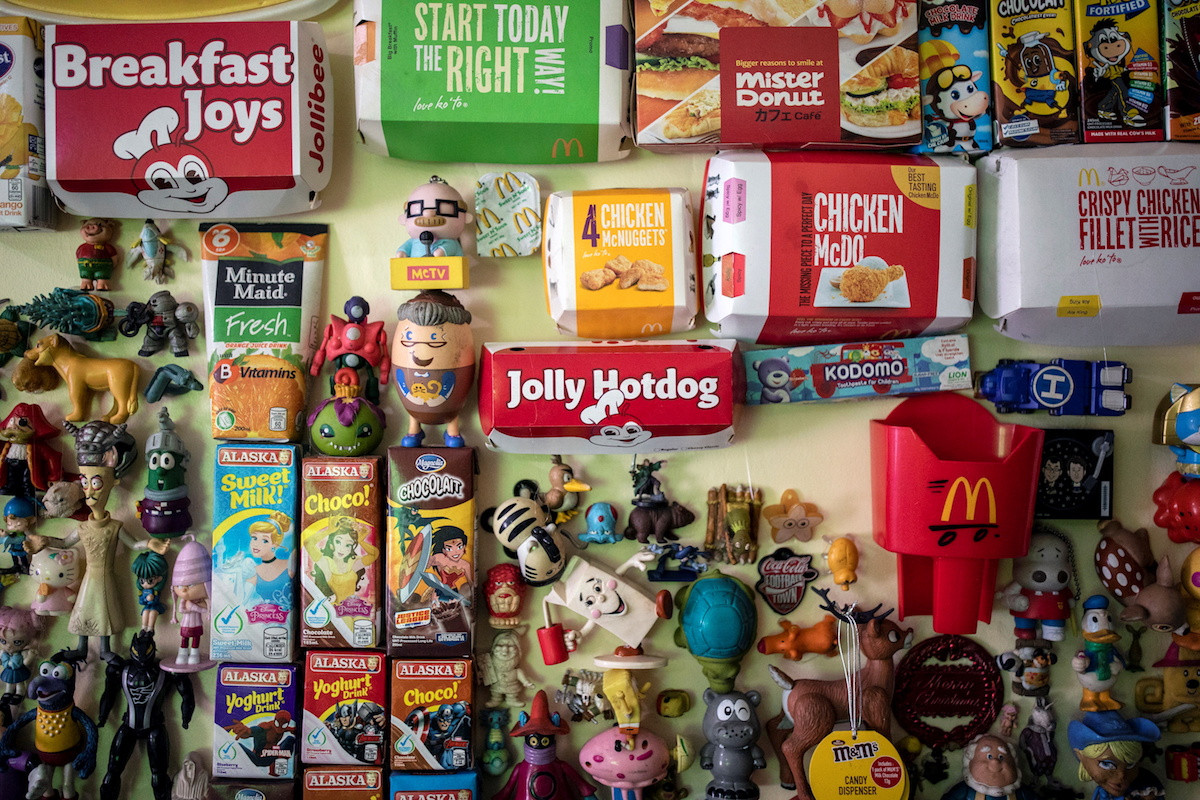
Fast-food fun: Toys and fast-food packaging are pictured in the home of Percival Lugue, who has the Guinness world record for the largest fast-food toy collection, on April 20, 2021, in Apalit, Pampanga province, the Philippines. (Reuters/Eloisa Lopez)
The Food and Drug Monitoring Agency (BPOM) is preparing to introduce front-of-package labeling (FOPL), a policy intended to help consumers make healthier purchasing decisions. At first glance, the strategy seems straightforward: place clear nutrition information on the front of food packages so consumers can make better-informed choices.Yet, behind this seemingly simple initiative lies a more fundamental question: How do we determine which foods should be considered unhealthy in the first place? The answer matters more than we realize.
A recent study by the Center for Indonesia’s Strategic Development Initiatives (CISDI) and Airlangga University analyzed 8,077 packaged food and beverage products sold across Jakarta, Surabaya, Medan and Makassar. Using several internationally recognized nutrient profile models, we assessed whether these products contained excessive levels of sugar, salt or fat.