Story audio is generated using AI
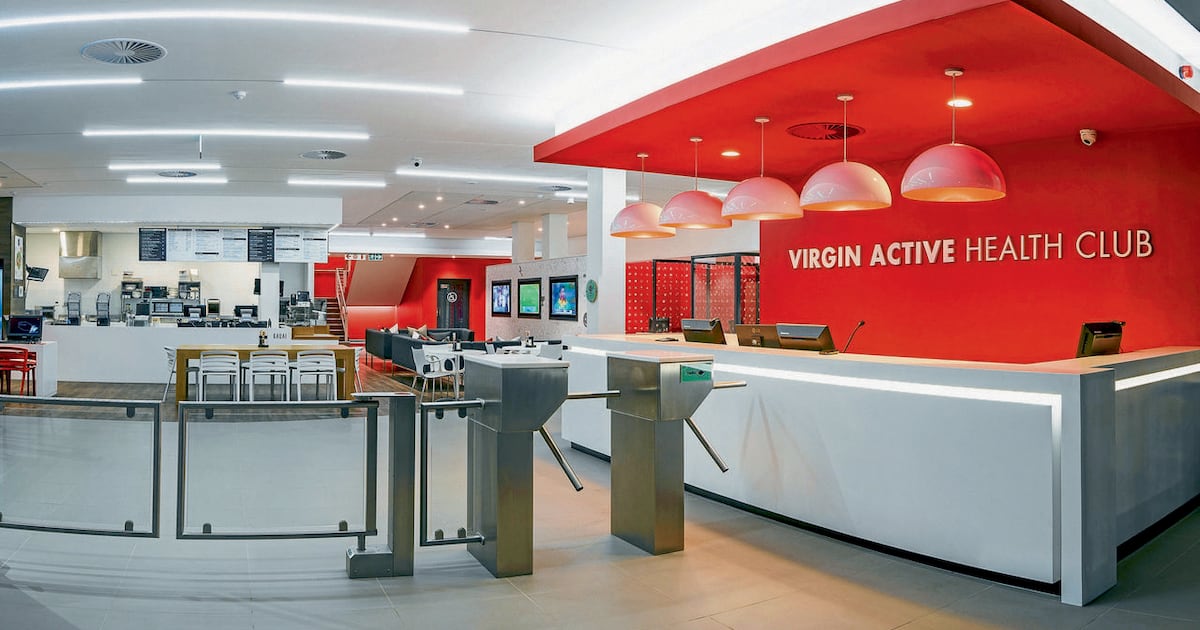
For every R100 an investor might have put into Brait, only about R2 of that remains, with the company now insisting the next chapter is the one that will finally pay off.Nearly 15 years after reinventing itself as an investment holding company, Brait has entered what it describes as the final phase of a strategy that has taken shareholders through repeated restructuring, capital raising and asset sales.The company that once owned a stake in retail giant Pepkor is now preparing to unlock value from its remaining investments before winding itself down.Since 2015, when it sold its stake in Pepkor, Brait has lost most of its market value, leaving it with a market capitalisation of about R8bn. It has not paid an ordinary dividend in almost a decade.Brait’s future rests on the following investments: Virgin Active, Premier and New Look. Its strategy is no longer about building a bigger portfolio, but every major decision is now aimed at preparing these businesses for exit, reducing debt and returning value to shareholders.Read: Brait seeks R2.5bn as it moves to complete turnaround planVirgin Active accounts for more than half of Brait’s assets and sits at the centre of the group’s value-unlock strategy. Brait plans to contribute about R2.4bn towards Virgin Active’s £175m capital raise, funded through its own R2.5bn rights offer it announced in June and proceeds already raised from selling part of its Premier stake.The capital injection is expected to reduce Virgin Active’s net debt-to-earnings before interest, tax, depreciation and amortisation (ebitda) ratio from about 3.7 times to about two times, lower annual interest costs and fund new clubs and refurbishments. Brait expects the business to be positioned for a possible exit in the next two years.The company has said that it is also restructuring its own finances. The rights offer will fund the redemption of its remaining convertible bonds, removing sterling-denominated debt and reducing foreign exchange exposure. Combined with proceeds from Premier share sales and an expanded revolving credit facility, the company expects to significantly simplify its capital structure.That process is already under way. During the 2026 financial year, Brait says it sold additional Premier shares through a market placing and a structured transaction, raising R1.8bn. Its shareholding in Premier has fallen from 32.3% to 19%, after those sales and Premier’s acquisition of RFG Holdings.Preparing the portfolio for disposalRather than making new acquisitions, Brait’s focus across the portfolio is on preparing each remaining investment for disposal or unbundling. Virgin Active is being positioned for a potential listing, New Look remains available for sale, and remaining debt must be settled before shareholders can receive the underlying assets or surplus capital. The company says completing these steps will allow it to distribute its remaining listed investments directly to shareholders.Brait’s current position, however, contrasts with the strategy it adopted in 2011, when it raised billions of rand to acquire large, long-term strategic investments after abandoning its private equity fund model. Since then it has exited Pepkor, sold Iceland Foods, listed Premier, reduced debt through several recapitalisations and returned to shareholders for fresh capital a number of times. The latest rights offer is the newest step in that process.Several transactions still need to occur before the strategy is complete: Virgin Active must finish its capital raise and reach a point where a listing or sale is achievable; New Look must still be sold, and Brait must complete the repayment of its remaining debt before any distribution of assets can take place.With most of its value already gone and investors having been seriously burnt, how much patience does the stock still warrant?