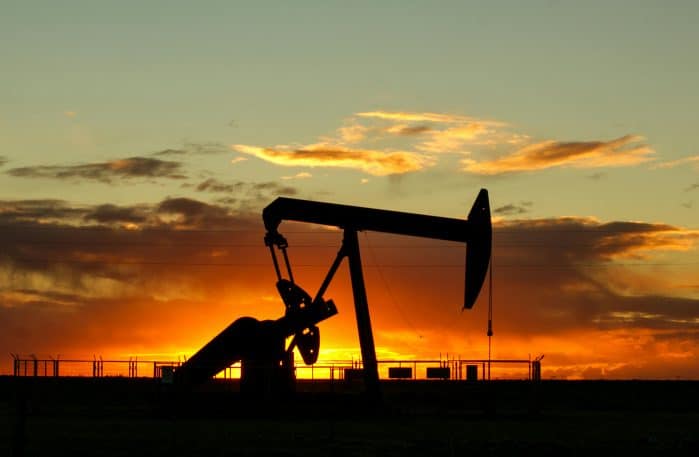
The U.S. Treasury two-year yield recently surged to 4.21%, reaching its highest point since November 2024. This development aligns with escalating geopolitical tensions, as oil prices rose due to U.S. and Israeli military actions in Iran. Concerns over a potential closure of the Strait of Hormuz, which would disrupt about 20% of global oil supplies, have intensified inflationary pressures. With energy costs contributing significantly to inflation, markets are speculating that the Federal Reserve may opt for tighter monetary policy to counteract these pressures. Despite maintaining the federal funds rate at its last meeting, the Fed acknowledged the inflation risks posed by Middle East supply shocks.
Key Takeaways
The rise in the two-year Treasury yield suggests increased expectations of Federal Reserve tightening, possibly reducing the likelihood of rate cuts in 2026.
Geopolitical unrest in Iran has contributed to higher oil prices, exacerbating inflation concerns and impacting market sentiment toward Fed policy.
Current inflation metrics remain above the Federal Reserve’s target, further supporting market speculation of potential rate hikes rather than cuts.