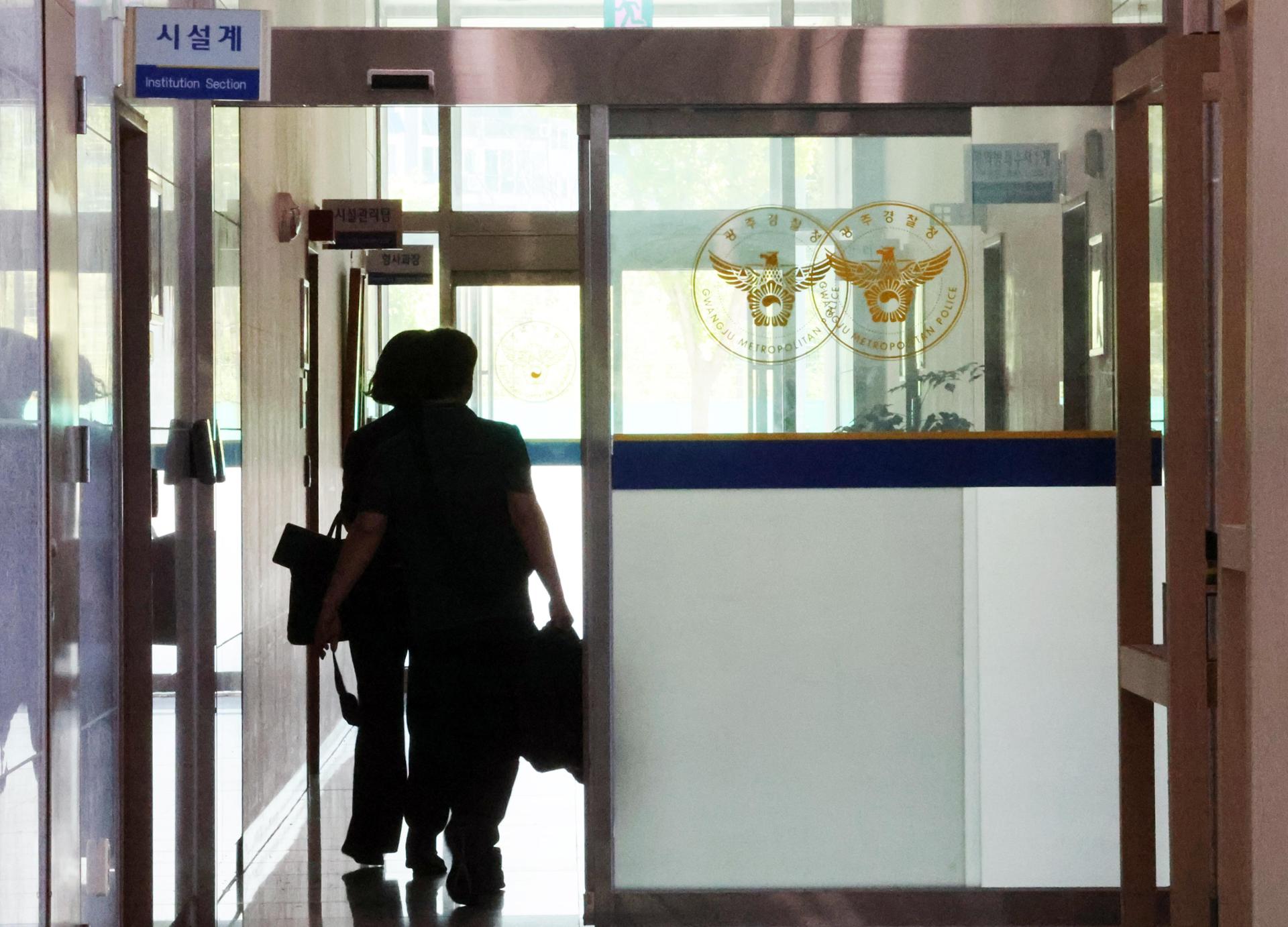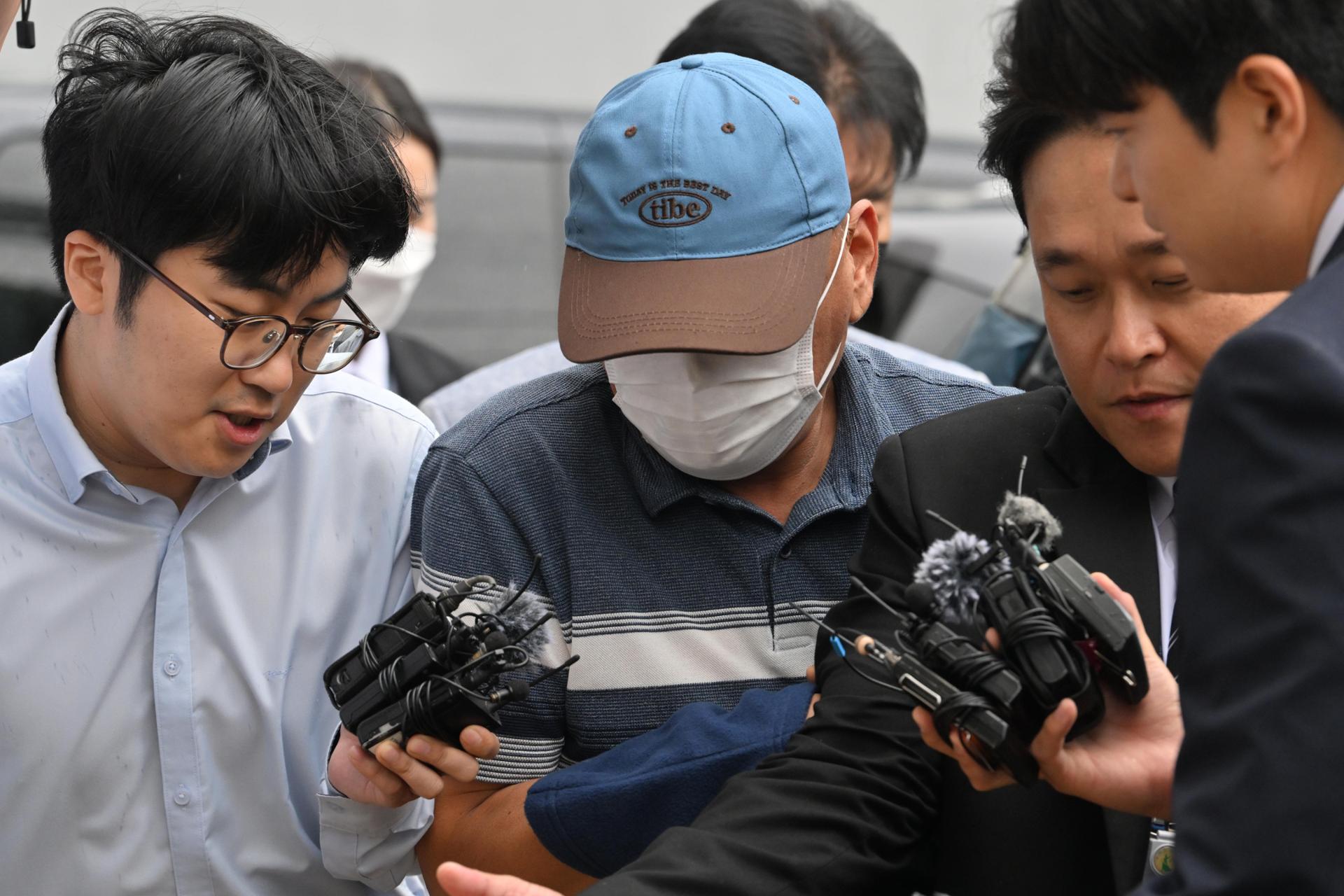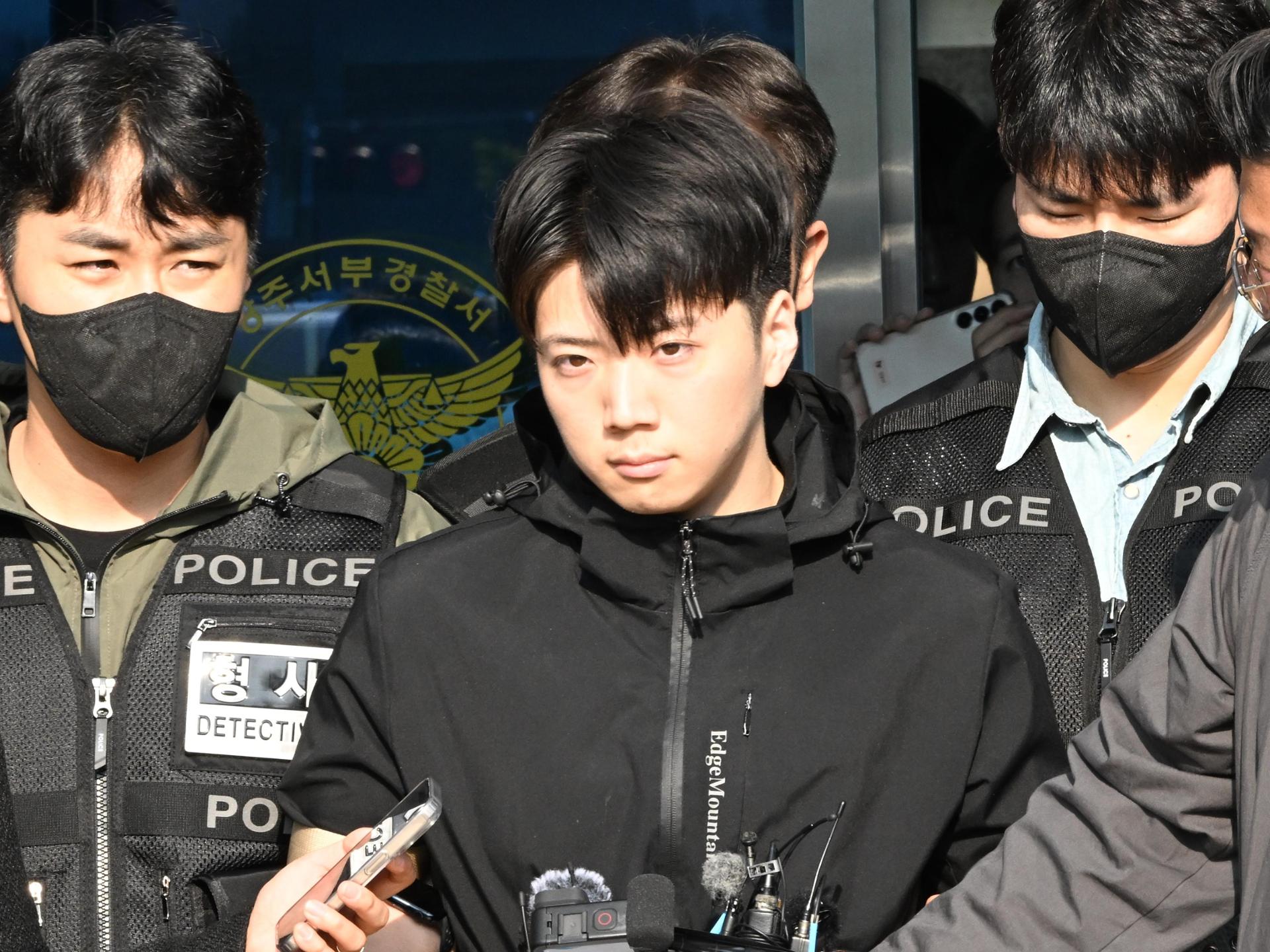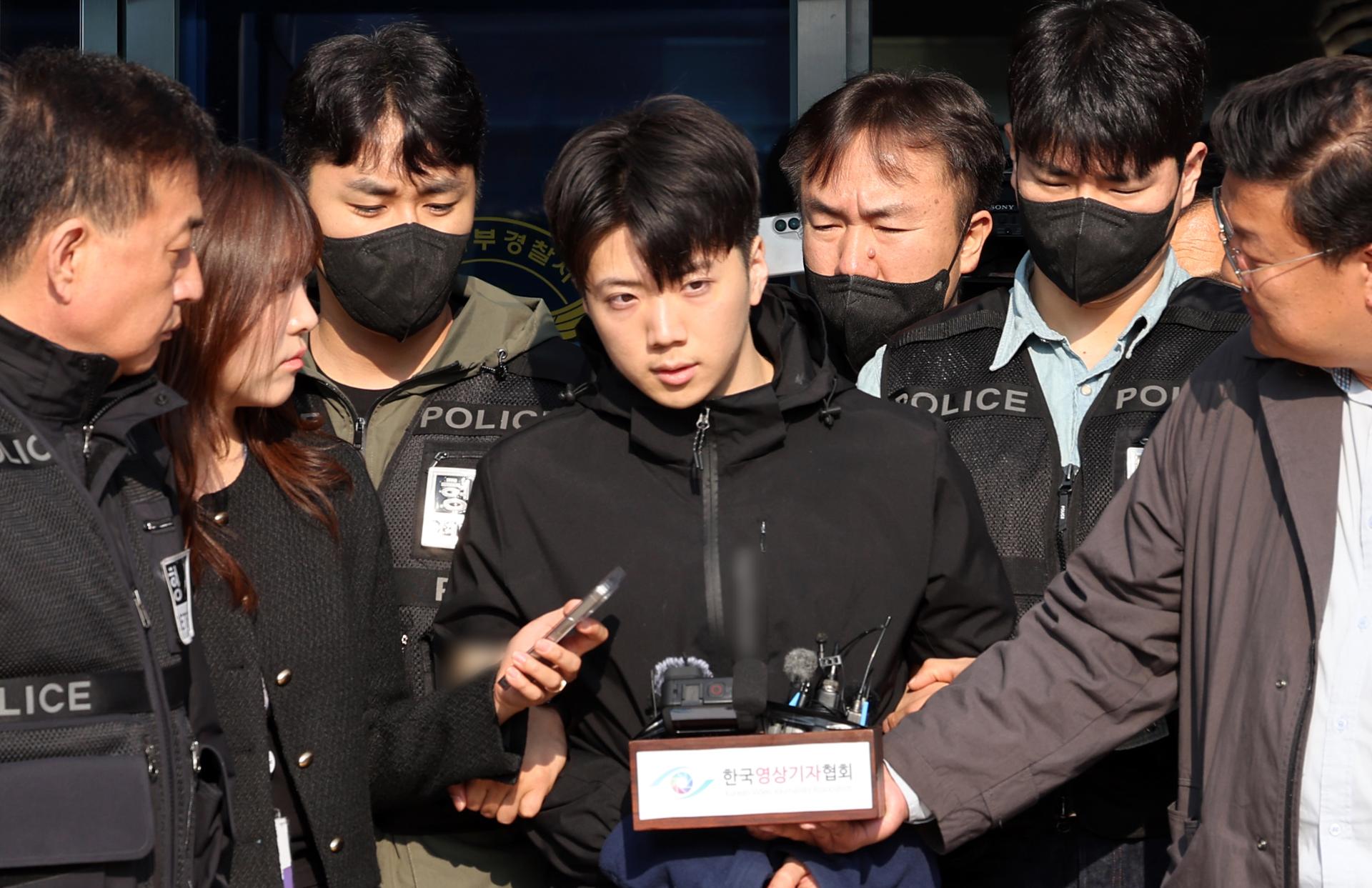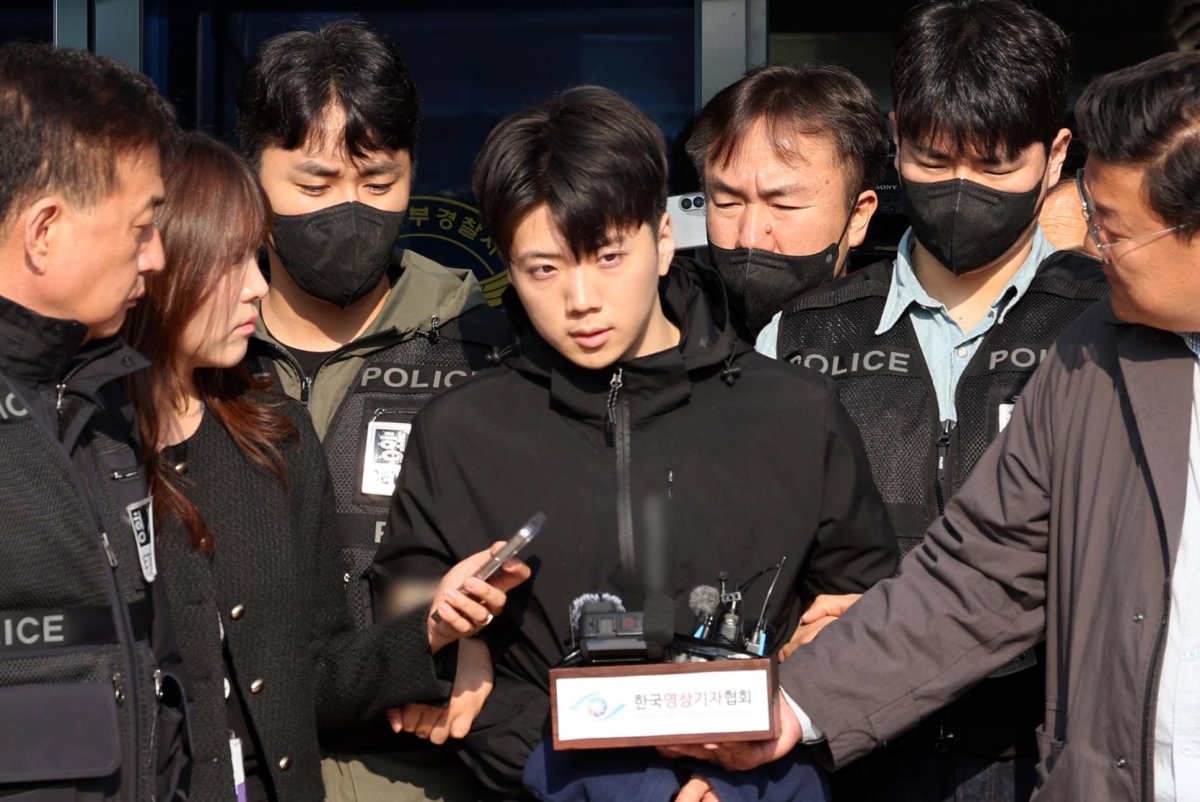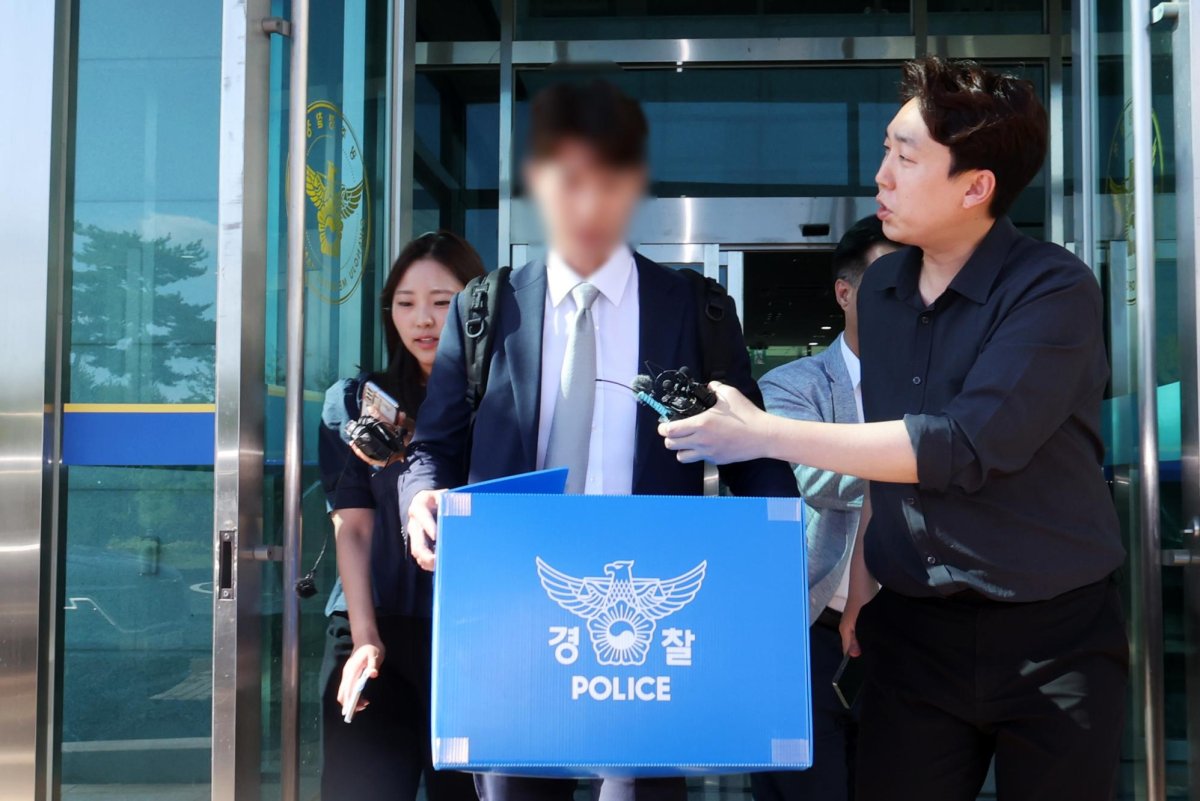
Members of a National Office of Investigation special team leave the Gwangju Metropolitan Police Agency on Saturday after conducting a search related to the Jang Yun-gi murder investigation. Photo by Yonhap News Agency
July 12 (Asia Today) -- The case of a man accused of killing a high school student in Gwangju has drawn attention to a decades-old provision that can exempt relatives from punishment for destroying evidence to protect a family member.
Investigators found indications that the father of suspect Jang Yun-gi, himself a serving police officer, disposed of items potentially connected to his son's alleged crime.
Authorities, however, have not booked the father on an evidence destruction charge because South Korean law generally exempts relatives and family members living with a suspect when they destroy evidence on that person's behalf.
The provision, introduced when South Korea enacted its Criminal Act in 1953, was intended to protect family relationships. Critics say it can now be used as a legal shield to conceal serious crimes.