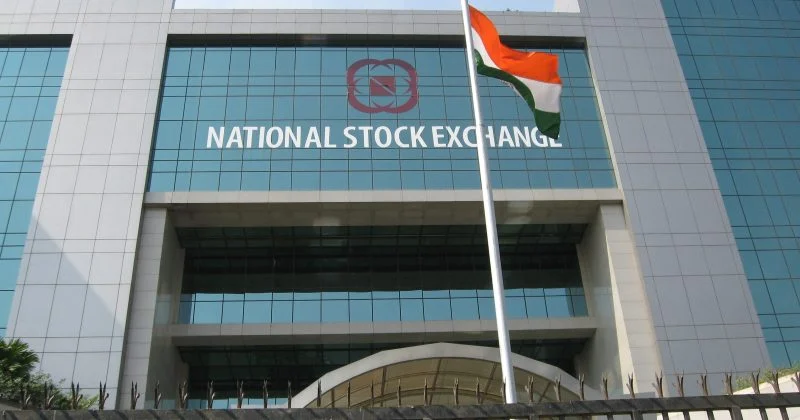
India’s primary market is preparing for one of its biggest seasons yet. The long-awaited listing of the National Stock Exchange (NSE), Reliance Jio Infocomm’s mega issue, and the initial public offering (IPO) of SBI Funds Management are among several marquee names set to hit Dalal Street, with many investors queueing up.Popular IPOs often attract massive demand within hours of opening, leaving investors scrambling to maximise their applications. But not everyone has enough idle cash to put in a large bid.This is where borrowing funds can help. The duration of the loan can be short, from merely a week to months, but it allows investors to borrow money specifically to apply for an IPO, without having to liquidate their existing investments or dip into their savings. “The upcoming IPOs can create one of the largest short-term lending opportunities seen in the Indian primary market in recent years,” says Jugal Mantri, Executive Director and CEO, Anand Rathi Global Finance.The borrowing boomThe urge to borrow has grown alongside the retail investor flood into primary markets. “The number of demat accounts has increased from around four crore in 2020 to over 20 crore today,” says Prashasta Seth, CEO, Prudent Investment Managers.ALSO READ | Jio IPO puts telecom in focus: Why the sector's growth story is gaining momentumUnified Payments Interface (UPI)- enabled applications have made participation far more convenient, he adds. “The growing popularity of IPOs has also increased the tendency to use leverage, particularly in marquee offerings that are expected to witness strong oversubscription or listing gains.”The logic is simple: popular IPOs get subscribed multiple times within hours, and a bigger application improves the odds of allotment. Borrowing lets investors bid larger without selling existing investments.“With one of the largest IPO pipelines in Indian market history lining up, demand for capital to participate is naturally attracting greater attention,” says Kunal Valia, founder of research analyst StatLane.The borrowing is concentrated at the top. “IPO financing providers, mainly NBFCs (non-banking financial companies), usually fund up to of the application amount for eligible HNI (high net-worth individual) investors, with borrowers contributing the remaining 20% as margin,” observes Mantri. “A significant share of applications in the big HNI category are financed using borrowed funds, particularly in marquee IPOs.”Retail applications, by contrast, remain predominantly self-funded, though that too is shifting. “I have definitely seen more people pledging mutual funds to raise money,” says Rajani Tandale, Partner, 1 Finance.Borrowing to invest in IPOs? Compare your options
Is borrowing money to invest in IPOs worth it? Know what it costs, its hidden risks before going for financing for NSE, Jio, SBI MF IPOs - The Economic Times
India's primary market anticipates a busy season with major IPOs approaching. Many investors are borrowing funds to maximize their application sizes. This trend is fueled by increased retail participation and convenient application methods. However, borrowing carries significant risks, including allotment and weak listing uncertainties. Careful consideration of costs and potential returns is essential before leveraging for IPOs.
1,448 words~7 min read