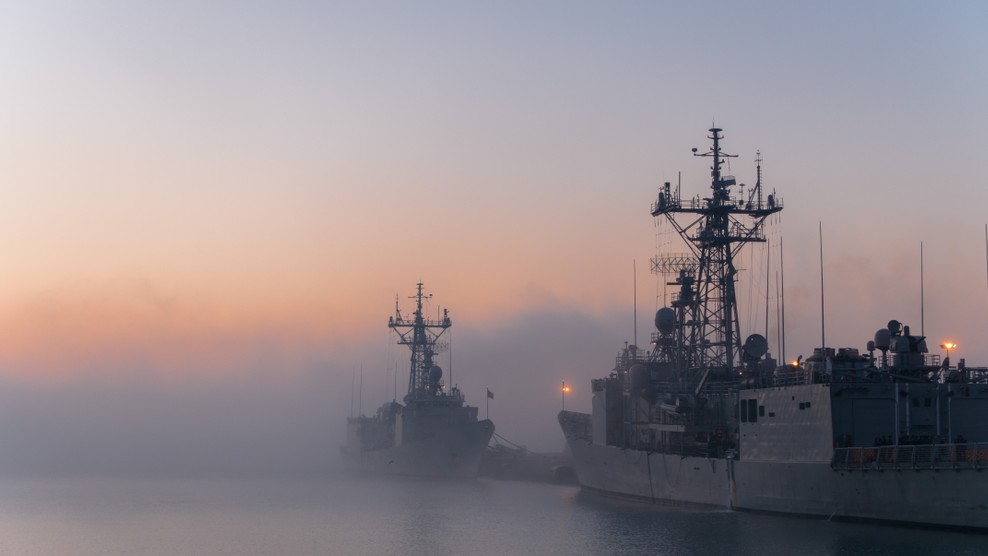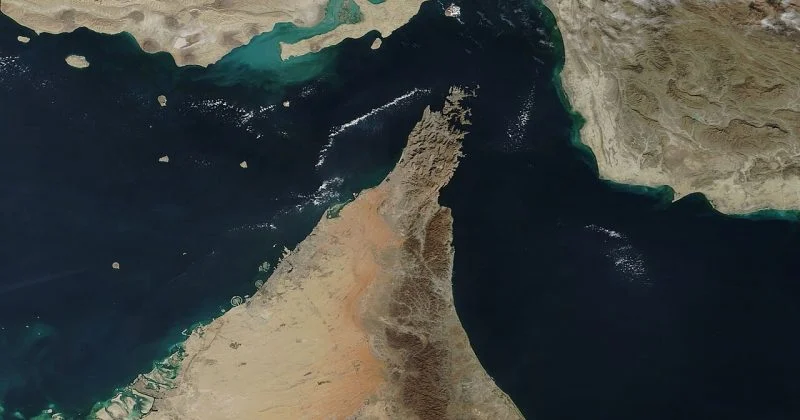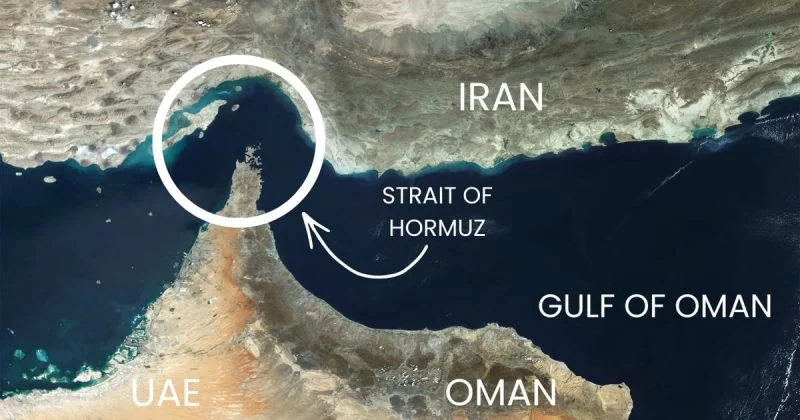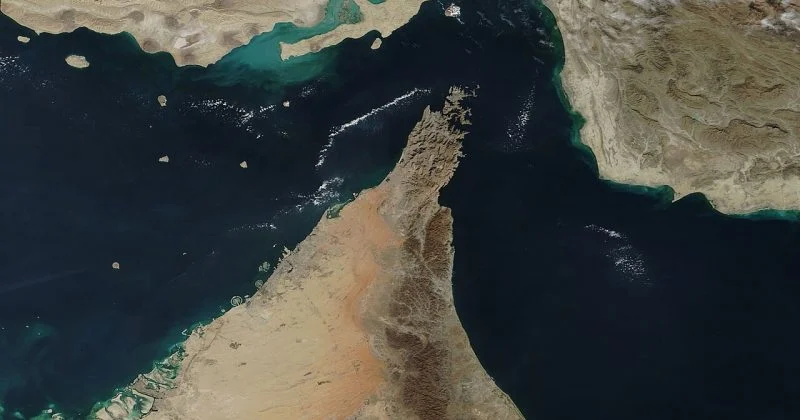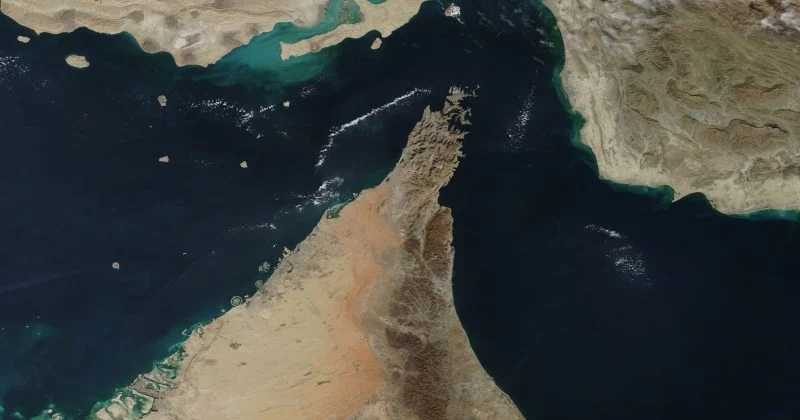
The U.S. dollar surged as tensions in the Middle East escalated with renewed attacks and the closure of the Strait of Hormuz, a critical chokepoint for global oil flows. This development marks the third wave of U.S. military actions against Iran in July, following Iran’s attack on a merchant vessel in the Strait and its subsequent declaration of the waterway’s closure. The ongoing conflict, sparked by a breakdown in nuclear negotiations and subsequent military actions, has intensified with this latest move, potentially exacerbating the global energy crisis.
The closure of the Strait of Hormuz, through which approximately 20% of global oil flows, may have significant implications for energy markets and geopolitical stability. Pricing in prediction markets reflects these heightened tensions, suggesting an increased likelihood that Iran will resume charging transit fees for vessels passing through the Strait. Market odds for Iran charging Hormuz fees by July 15 have decreased slightly to 3.1% from 4% a day ago, indicating a cautious view over the immediate potential for fees to be implemented amidst the ongoing conflict.
Key Takeaways
The dollar’s rise appears consistent with heightened geopolitical tensions following the closure of the Strait of Hormuz.