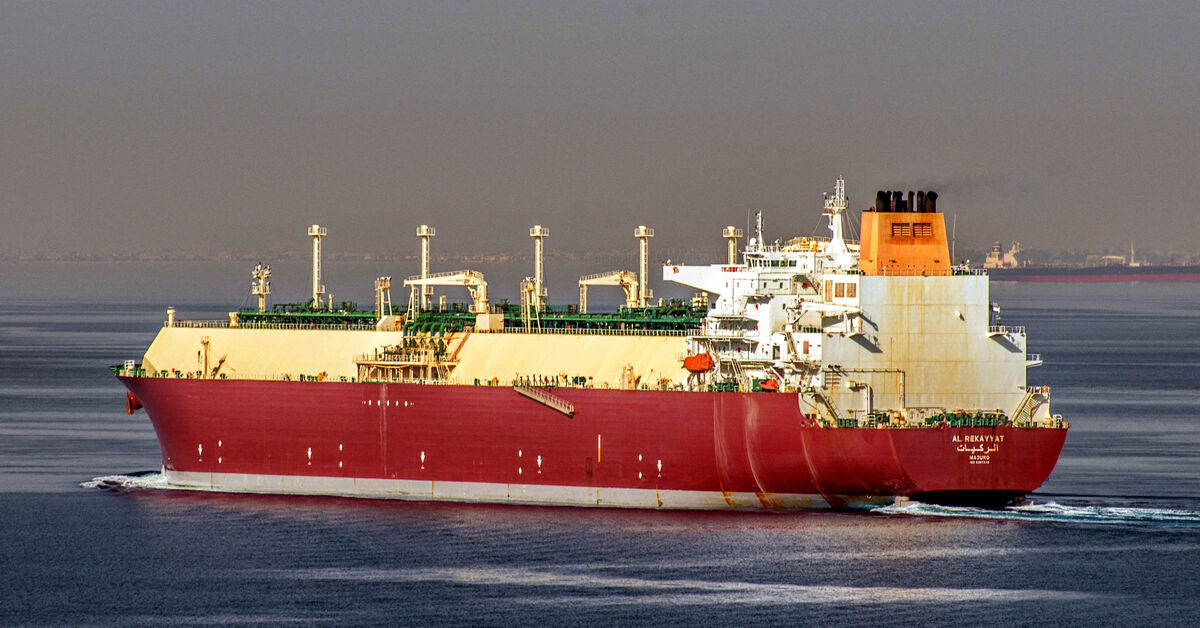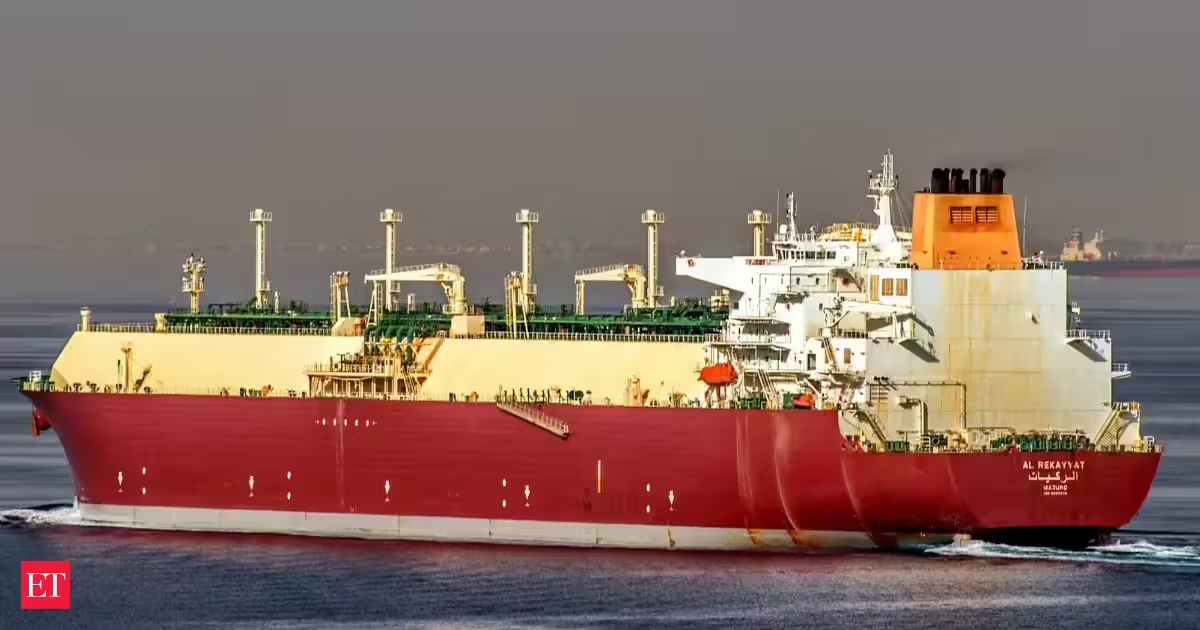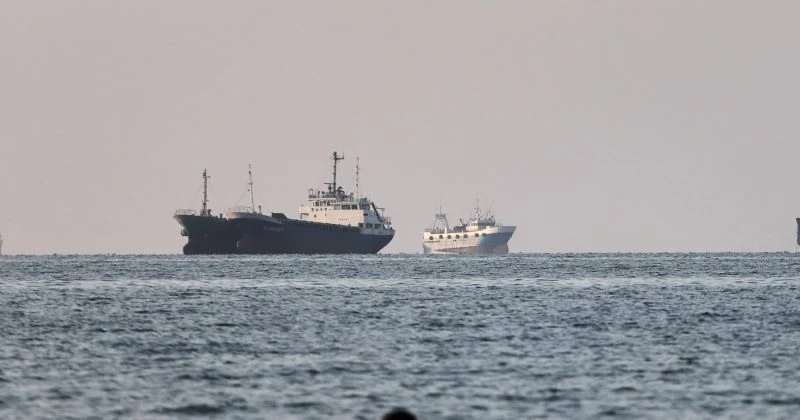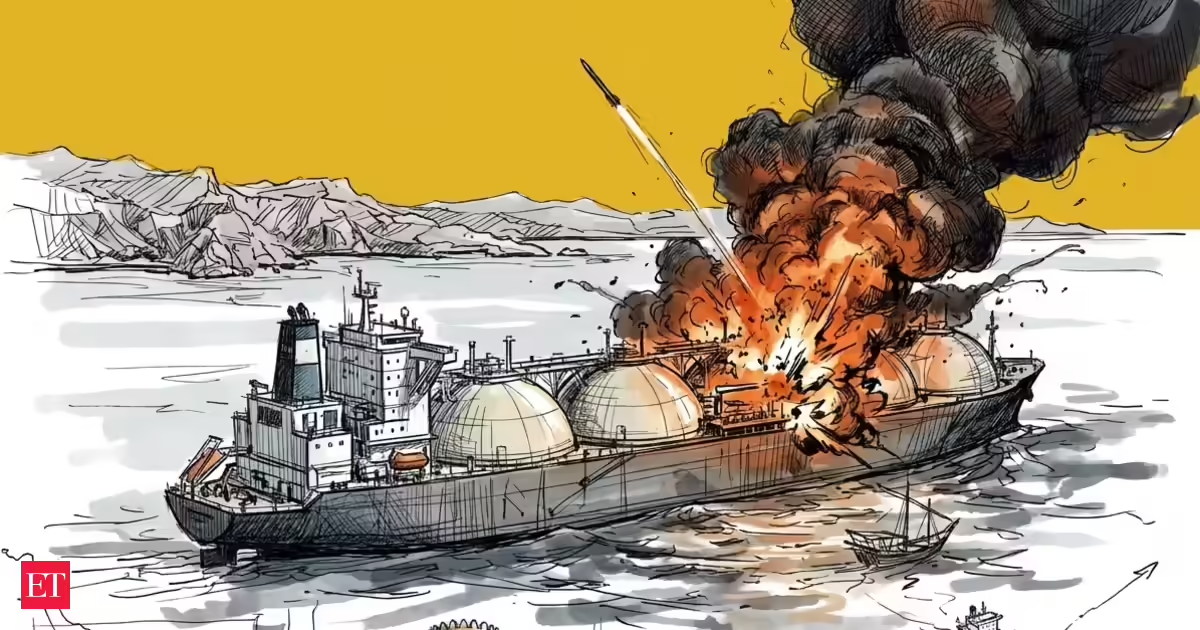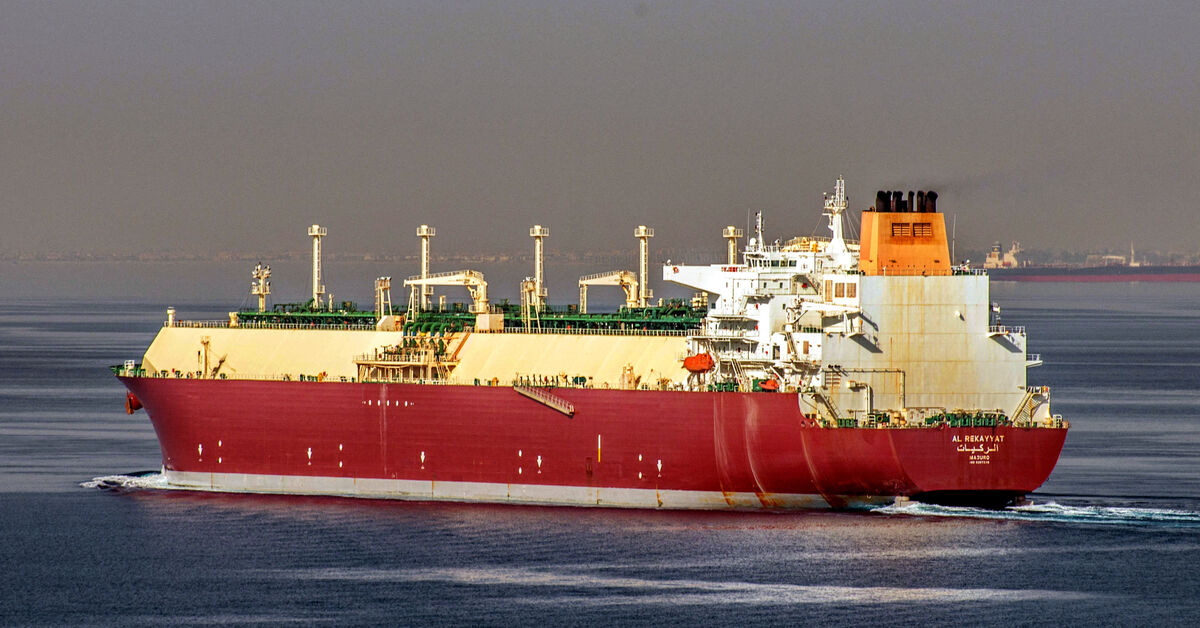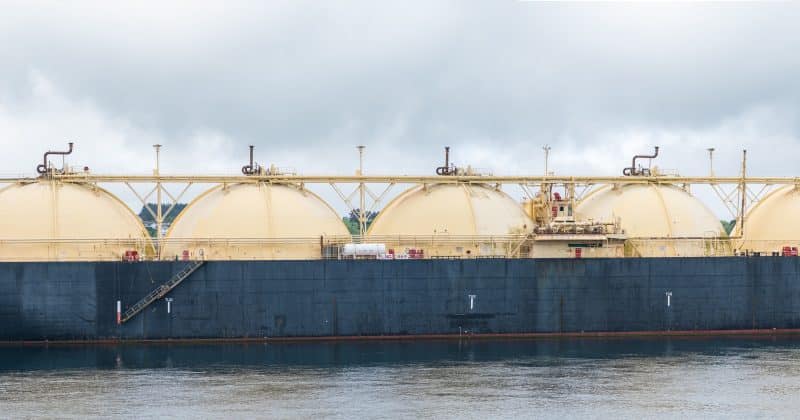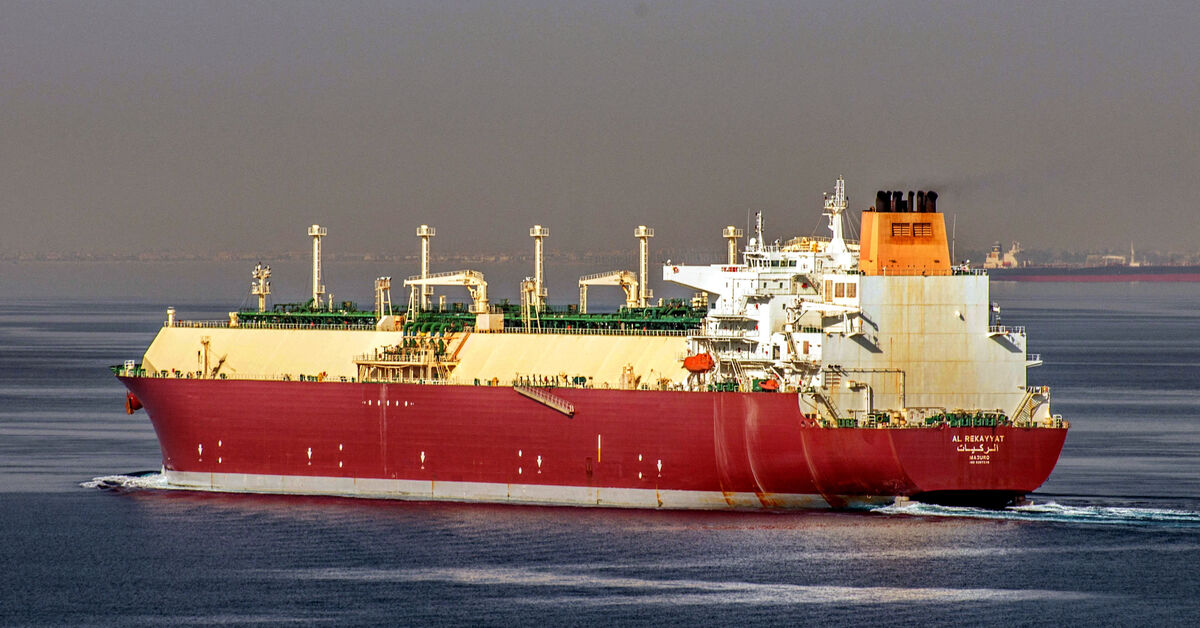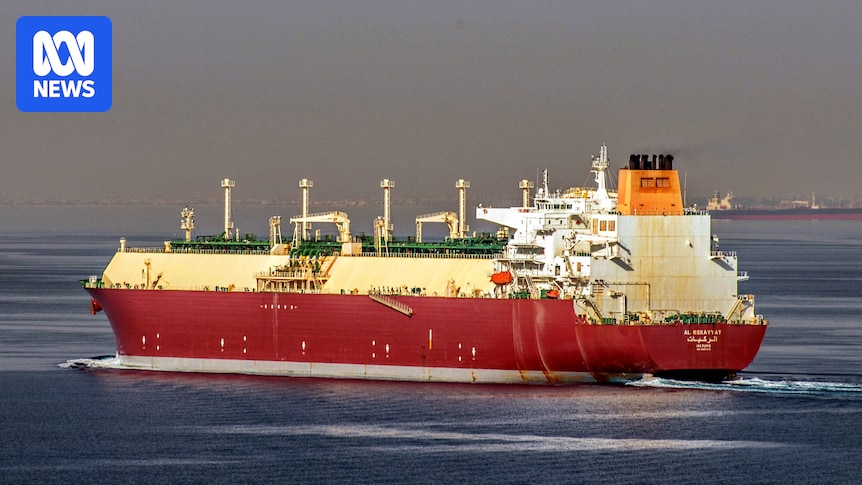
The crackly distress call from a clearly panicked captain was picked up across the Gulf in the early hours of Tuesday morning."Mayday, mayday, mayday. This is vessel Al Rekayyat, LNG vessel Al Rekayyat," the voice said."We are being hit by drone on port side, top of engine room."Status: engine room fire and full of smoke. Unable to assess further damage."The Al Rekayyat, a Qatari-owned LNG tanker, had been travelling in the dark, fully laden, towards the Strait of Hormuz hoping to be among the first liquefied natural gas (LNG) tankers to exit the Persian Gulf since Israel and the US first began bombing Iran in late January.Instead, it has become the first to be attacked.With its transponders turned off in a bid to avoid detection from the Iranian Revolutionary Guard Corps it set a course tracking the Oman side of the narrow waterway that once again has become the epicentre of a looming global energy crisis.The tanker, capable of carrying 216,000 cubic metres of LNG, was bound for India in a market that has become desperately short of the vital industrial and household fuel.LNG is a highly volatile fuel, far more so than crude oil, and fears immediately mounted that the ship could explode.While Saudi Arabia has an overland pipeline to shift oil across to ports on the Red Sea, there is no alternative transport for gas other than ships.As the conflict has dragged on, gas prices have soared and now threaten to up-end the economies of Europe and Asia, the world's biggest buyers, and ignite yet another inflationary spike.The great global gas shortageOil prices have confounded the experts ever since the war began.Having peaked at $US120 a barrel, well below expectations, they're now only slightly above pre-war levels despite the renewed outbreak in hostilities.That's not the case with gas. In Asia, LNG is now more than 60 per cent more expensive than in February and a little under 50 per cent higher in Europe.The US, a relatively new entrant in the gas export game but now the world's biggest, has attempted to fill the breach by ramping up supplies.There are reports ships carrying LNG are being diverted mid-journey from Europe to Asia as desperate Asian buyers outbid rivals for cargo.
Can Australia avoid the next round of the global energy crisis?
As the conflict has dragged on, gas prices have soared and now threaten to up-end the economies of Europe and Asia.
1,023 words~5 min read